Car Net Bag
CN → US| HS Code | Tariff Rate | Origin | Destination | Doc |
|---|---|---|---|---|
| 5608192090 | 40.0% | CN | US | Official Doc |
| 5608903000 | 40.0% | CN | US | Official Doc |
| 3926909905 | 22.8% | CN | US | Official Doc |
| 3926305000 | 22.8% | CN | US | Official Doc |
| 8708295160 | 0.0% | CN | US | Official Doc |
| 87089900 | 0.0% | CN | US | Official Doc |
Product Images


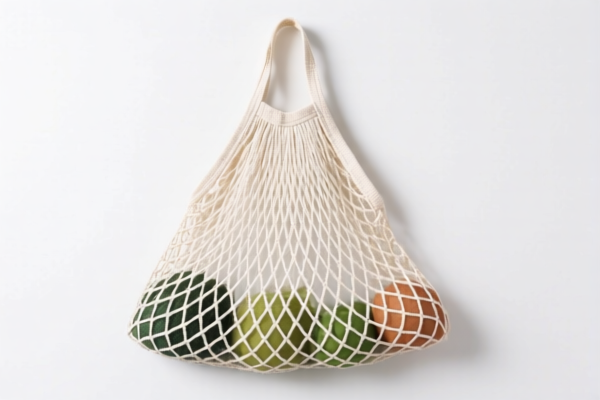

AI Analysis
🚗 Car Net Bag (Automotive Storage & Organization Nets)
🌐 HS Code Reference & Customs Clearance Guide | 2026 Latest Tariff Analysis | Professional Clearance Strategy
Car Net Bags are essential accessories for vehicle organization, typically found in the trunk (cargo area) or on seat backs. In international trade, they are strictly categorized by material composition (Textile vs. Plastic) and construction method (Knotted Knotting vs. Other Made-up Nets).
⚠️ Key Distinction Point: - If the net is made of textile materials (cotton, polyester, nylon, etc.) and constructed via knotting (tying knots at intersections) → It falls under Chapter 56. - If the net is made of plastic (rubber bands, plastic loops) or is a non-knotted textile net → It may fall under Chapter 39 or Chapter 56 (Other). - Note on Vehicle Parts: While used in cars, these are generally considered "accessories for equipment" or "general goods" unless specifically designed as integral body parts. However, specific "Body Parts" of vehicles (Heading 8708) might attract high tariffs if misclassified or if subject to specific steel/aluminum/plastic surcharges.
📦 II. HS Code Classification Details (2026 Latest Tariff Authority Comparison)
Based on the provided data, here is the precise breakdown for Car Net Bags:
| HS Code | Product Description | Applicable Scenario | Material/Construction Type |
|---|---|---|---|
5608.19.20.90 |
Knotted netting of twine, cordage, or rope; made up fishing nets and other made up nets, of textile materials: Of man-made textile materials: Other: Other Other | Standard Textile Car Nets: Made of polyester/nylon rope, tied with knots. Used for cargo securing. | ✅ Textile (Man-made) ✅ Knotted |
5608.90.30.00 |
Knotted netting of twine, cordage, or rope; made up fishing nets and other made up nets, of textile materials: Other: Other: Other | Natural Fiber Car Nets: Made of cotton, jute, or other non-man-made textile fibers, knotted. | ✅ Textile (Other) ✅ Knotted |
8708.29.51.60 |
Parts and accessories of the motor vehicles of headings 8701 to 8705: Other parts and accessories of bodies (including cabs): Other: Other Other | Misclassification Risk / Special Body Parts: If claimed as a structural body part/accessory. High Tariff Risk! | ⚠️ Vehicle Part ⚠️ Subject to Surcharge |
8708.99.00 |
Parts and accessories of the motor vehicles of headings 8701 to 8705: Other parts and accessories: Other | General Vehicle Accessories: Broad category for car parts. Status: Error/Failed to Retrieve. | ⚠️ Vehicle Part ❓ Unverified Tax |
3926.90.99.05 |
Other articles of plastics and articles of other materials of headings 3901 to 3914: Other: Other Elastic bands made wholly of plastics | Plastic Elastic Nets: Netting made entirely of plastic elastic bands (no textile). | ✅ Plastic ✅ Elastic/Band |
3926.30.50.00 |
Other articles of plastics and articles of other materials of headings 3901 to 3914: Fittings for furniture, coachwork or the like: Other | Plastic Fittings: If the "net" is actually a plastic frame/fitting for coachwork (rare for simple nets). | ✅ Plastic Fitting |
🔍 Critical Reminder: - Most standard car cargo nets made of woven/polyester rope are classified under 5608.19.20.90 (0% Base + 0% Surcharge = 0% Total). - DO NOT classify simple textile nets as 8708 (Vehicle Parts) unless they are integrated structural components, as this triggers 2.5% Base + 25% Surcharge (Total ~27.5% or more with steel/aluminum/plastic surcharges). - Plastic elastic nets fall under 3926.90.99.05 (Total Tax: 12.8%).
💰 III. 2026 Latest Tariff Rate Details (Including Surcharge)
✅ Applicable Country: United States (US) ✅ Origin: China (CN) ✅ Effective Time: Current 2026 Tariff Schedule
🎯 1. 5608.19.20.90 —— Knotted Textile Nets (Man-made Materials)
| Item | Content |
|---|---|
| Base Tariff | 0.0% |
| Additional Surcharge | 0.0% |
| Total Tax Rate | 0.0% |
| Tax Calculation | CIF Value × 0% = $0 |
| De Minimis Eligibility | ✅ Yes (Generally low risk) |
| Legal Basis Path | HTSUS:5608.19.20.90 |
📌 Explanation: - This is the most common and cost-effective classification for polyester/nylon car cargo nets. - Zero Duty Advantage: Both base tariff and any Section 301/IEEPA surcharges are 0%. - Why? Textile nets are considered general textile goods, not sensitive vehicle parts or critical minerals/plastics.
🎯 2. 3926.90.99.05 —— Elastic Bands Made Wholly of Plastics
| Item | Content |
|---|---|
| Base Tariff | 5.3% |
| Additional Surcharge | 7.5% |
| Total Tax Rate | 12.8% |
| Tax Calculation | CIF Value × 12.8% |
| De Minimis Eligibility | ⚠️ Check Specifics (Plastic products may have different rules) |
| Legal Basis Path | HTSUS:3926.90.99.05 |
📌 Explanation: - Applies only if the net is made wholly of plastic (e.g., all-plastic elastic loops). - Moderate Cost: 12.8% is significantly higher than textile nets but lower than vehicle parts.
🎯 3. 8708.29.51.60 —— Parts and Accessories of Bodies (Risk Area)
| Item | Content |
|---|---|
| Base Tariff | 2.5% |
| Additional Surcharge | 25.0% (Section 301) + Steel/Aluminum/Copper Surcharge (50%) if applicable |
| Total Tax Rate | ≥ 27.5% (or up to 52.5%+ with metal surcharges) |
| Tax Detail | "2.5% + 25.0% Steel, Aluminum, Copper Products Surcharge: 50%" |
| De Minimis Eligibility | ❌ No (High-value parts usually exempt) |
| Legal Basis Path | HTSUS:8708.29.51.60 → USITC:8708 |
📌 WARNING: - Avoid this code for simple car nets unless you are exporting structural body panels or complex integrated cabin accessories. - Consequence: A $100 net classified here could incur $27.50–$52.50 in taxes, destroying profit margins. - Steel/Aluminum Surcharge: If the net contains metal hooks, rings, or frames classified as "steel/aluminum products," an additional 50% may apply on the value of those components.
🛠️ IV. Customs Clearance Practical Advice (Battle-Tested Pitfall Guide)
✅ 1. Preparation Checklist (Essential Documents)
| Document | Required | Notes |
|---|---|---|
| ✅ Product Specification Sheet | ✔️ | Detail material (100% Polyester, Cotton, etc.), construction (Knotted vs. Braided), and dimensions. |
| ✅ Composition Statement | ✔️ | Clearly state: "100% Man-made Textile Material, Knotted Netting." |
| ✅ Commercial Invoice | ✔️ | Use description: "Knotted Polyester Cargo Net for Vehicle Storage" NOT "Car Part." |
| ✅ Photos | ✔️ | Show knots clearly (to prove "Knotted Netting" status). |
| ✅ HS Code Ruling | ✔️ | Pre-approval from CBP is recommended for high-volume shipments. |
✅ 2. Declaration Strategy (Key Mantra)
🔥 "Textile Knotted = 0% Plastic = 12.8% Vehicle Part = 27.5%+"
| Scenario | Correct Declaration | Incorrect Action |
|---|---|---|
| Polyester Rope Net | 5608.19.20.90 |
Misclassifying as 8708 → 27.5%+ Tax |
| Cotton/Jute Net | 5608.90.30.00 |
Misclassifying as Plastic → 12.8% Tax |
| All-Plastic Elastic Net | 3926.90.99.05 |
Misclassifying as Textile → Risk of Audit |
| Net with Metal Hooks | Split or Full Net? | If hooks are integral, risk being classified as "Part of Body" (8708) → High Tax |
💡 Pro Tip: If the net includes metal hooks/rings, ensure the net itself is the primary value component. If the metal value is significant, CBP may scrutinize the classification. However, typically, the netting material (textile) dominates, so
5608is still preferred over8708.
✅ 3. Special Case Handling
| Case | Handling Suggestion |
|---|---|
| OEM Car Nets (Branded) | Provide brand authorization and design drawings. Still classify as 5608 if material is textile. |
| Multi-Material Nets | If >50% value is textile, classify as 5608. If plastic dominates, 3926. |
| "Trunk Organizer" vs. "Net" | A fabric organizer with compartments is not a "net." It may be classified as 6307 (Other Made-up Articles). Check specific code. |
| Vehicle Part Claim | If marketing as "Integrated Trunk Liner," CBP may challenge. Stick to "Storage Net" or "Cargo Net." |
🌍 V. Global Market Comparison (2026 Latest)
| Country/Region | Recommended HS Code | Tariff (China Origin) | Certification | Notes |
|---|---|---|---|---|
| 🇺🇸 USA | 5608.19.20.90 |
0% | ASTM (if safety-critical) | Best Market: Zero duty for textile nets. |
| 🇨🇳 China | 5608.19.20.90 |
5% (Import) | CCC (if applicable) | No surcharge. |
| 🇪🇺 EU | 5608.19.90 |
4% | CE (if safety gear) | Standard textile duty. |
| 🇦🇺 Australia | 5608.19.20.90 |
5% | RCM | No surcharge. |
| 🇯🇵 Japan | 5608.19.20.90 |
0% | PSE (if electrical, not applicable) | Free trade agreement may apply. |
📌 Conclusion: - USA is the most favorable market for textile car nets due to 0% duty. - Avoid US
8708classification at all costs for simple nets. - Plastic nets face moderate tariffs (12.8% in US), so textile is preferred for cost efficiency.
📌 VI. Common Errors & Pitfall Guide (Lessons Learned)
❌ Error 1: Classifying a simple polyester net as 8708.99.00 (Vehicle Part)
👉 Consequence: 27.5%+ Tax instead of 0%. Profit Loss!
❌ Error 2: Using "Car Accessory" as the HS Code
👉 Consequence: CBP rejects vague descriptions. Must use specific material-based code (5608 or 3926).
❌ Error 3: Ignoring Metal Hooks
👉 Consequence: If hooks are steel, CBP may assess Steel Surcharge (50%) on the hook value if classified under 8708. For 5608, hooks are usually incidental.
❌ Error 4: Confusing "Net" with "Organizer Box"
👉 Consequence: Organizer boxes (fabric/plastic compartments) are 6307 or 3926, not 5608. Misclassification leads to delays.
✅ Correct Practice:
"Knotted Polyester Cargo Net, 100% Man-Made Textile, for Vehicle Trunk Storage, Model XYZ, Non-Structural"
🎯 VII. Conclusion: Professional Declaration, Save Time & Money!
🎯 Remember the Mantra:
🔹 "Textile Knotted = 0% Tax" (5608) 🔹 "Plastic Elastic = 12.8% Tax" (3926) 🔹 "Vehicle Part = 27.5%+ Tax" (8708) – AVOID! 🔹 "HS Code Determines Life/Death of Profit"
📌 Tips:
- If your car net is made of recycled polyester, you may qualify for US GSP or other trade preferences (check specific rules of origin).
- For high-volume shipments, apply for an CBP Advance Ruling to lock in the 5608.19.20.90 classification and avoid future disputes.
📣 Immediate Action:
📞 Contact a licensed customs broker + Provide material composition + Request
5608.19.20.90classification 🚀 Clear Customs Smoothly, Maximize Profit, Export Efficiently!
✨ Professional Customs Clearance Starts with Accurate Classification! 💼 Every Cent of Cost Deserves Precise Calculation!
Customer Reviews
About HS Code Classification
The Harmonized System (HS) is an internationally standardized nomenclature developed by the World Customs Organization (WCO) to classify traded products. Over 200 countries use the HS system as the basis for customs tariffs, trade statistics, and import/export regulations.
Each HS code follows a hierarchical structure:
- Chapter (2 digits) — Broad category of goods (e.g., Chapter 84: Machinery and Mechanical Appliances)
- Heading (4 digits) — More specific grouping within the chapter
- Subheading (6 digits) — Internationally standardized breakdown, used by all WCO member countries
- National subdivisions (8-10 digits) — Country-specific extensions for further classification, such as US HTSUS 10-digit codes
Correct HS code classification is essential for smooth customs clearance, accurate duty payment, and compliance with trade regulations. Misclassification can lead to customs delays, overpayment of duties, or penalties.
When importing from CN to US, the applicable tariff rates may include:
- Most-Favored-Nation (MFN) rate — The standard duty rate applied to WTO members
- General rate — Applied to countries without trade agreements
- Trade remedy duties — Additional tariffs such as Section 301 (anti-dumping), Section 232 (national security), or countervailing duties
The information provided on this page is for reference purposes only. For official classification, please consult with your local customs authority or a licensed customs broker.