Car Oil Change Tool
CN → US| HS Code | Tariff Rate | Origin | Destination | Doc |
|---|---|---|---|---|
| 8479899560 | 37.5% | CN | US | Official Doc |
| 8205591000 | 42.2% | CN | US | Official Doc |
| 8205595560 | 40.3% | CN | US | Official Doc |
| 8479899599 | 87.5% | CN | US | Official Doc |
| 8479909596 | 85.0% | CN | US | Official Doc |
Product Images
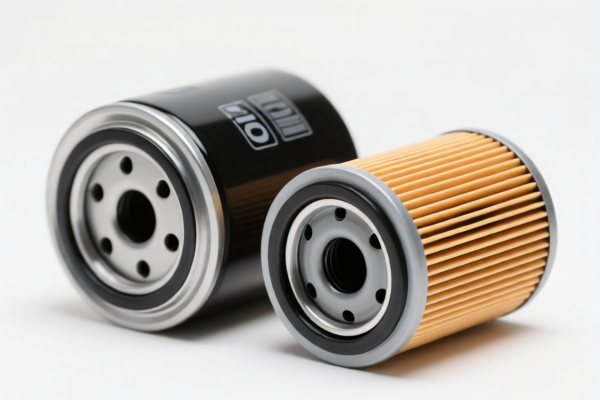
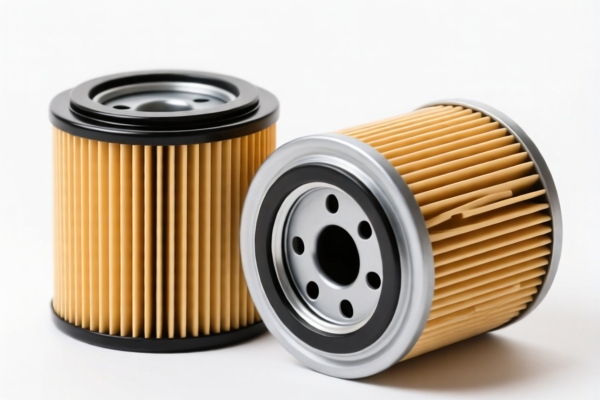
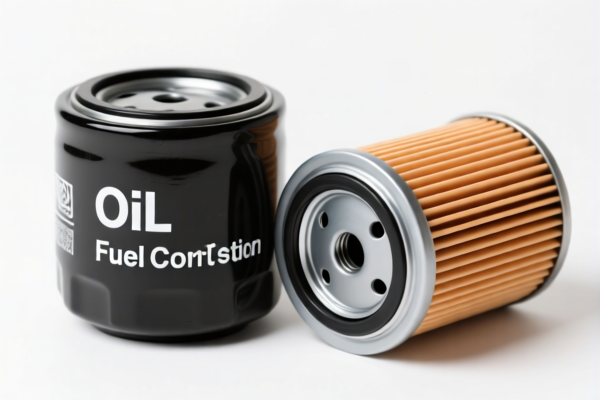
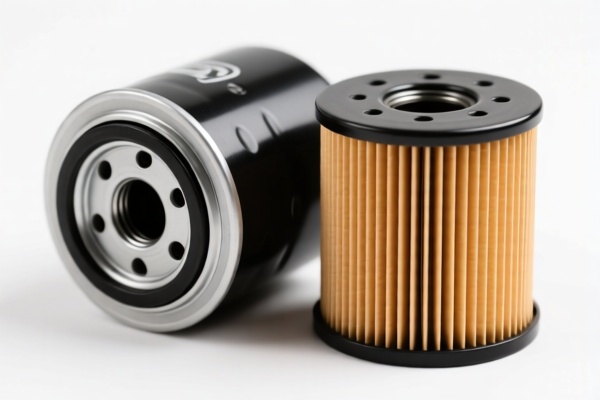
AI Analysis
🔧 Car Oil Change Tool (Automotive Maintenance Equipment)
🌐 HS Code Reference & Customs Clearance Guide | 2026 Latest Tariff Analysis | Professional Clearance Strategy
📌 I. Product Definition & Classification: Do You Really Understand “Oil Change Tools”?
Car oil change tools refer to functional machinery or hand tools specifically designed for automotive maintenance, particularly for changing brake fluid, engine oil, or other automotive liquids. In international trade, the classification depends heavily on:
- Power Source & Functionality: Is it a manual hand tool or an electric/functional mechanical device?
- Material: Is it made of iron, steel, aluminum, or copper?
- Specificity: Is it a dedicated machine for a specific task (like brake fluid replacement) or a general-purpose tool?
⚠️ Key Distinction:
- If it is a mechanical device with independent function (e.g., electronic brake fluid exchanger) → It falls under Chapter 84.
- If it is a manual hand tool (e.g., wrench, pipe wrench) → It falls under Chapter 82.
- Material composition (steel/aluminum/copper) significantly impacts the additional tariffs in the US market.
📦 II. HS Code Classification Details (2026 Latest Tariff Authority Comparison)
Based on the provided data, here are the specific HS Codes and their rationales:
| HS Code | Product Description | Application Scenario | Classification Logic |
|---|---|---|---|
8479.89.95.60 |
Functional Mechanical Apparatus for Brake Fluid Replacement | Dedicated electric/hydraulic brake fluid changers | ✅ Functional Machine: Classified as other machinery with specific functions. |
8205.59.10.00 |
Automotive Repair Tool (Plumber/Mechanic Hand Tool) | Manual wrenches, pipe wrenches for auto repair | ✅ Hand Tool: Categorized as tools for plumbers/mechanics. |
8205.59.55.60 |
Iron or Steel Hand Tools (Other) | General steel hand tools for auto maintenance | ✅ Material-Specific Hand Tool: Made of iron/steel, not fitting other specific hand tool categories. |
8479.89.95.99 |
Other Machines with Independent Function (Fallback) | General mechanical devices for auto maintenance, no material conflict | ✅ Fallback Machine: For machines that don’t fit specific sub-headings, but subject to material surcharges. |
8479.90.95.96 |
Parts/Components for Brake Fluid Machines (Fallback) | Parts or components for brake fluid changing machines | ✅ Fallback Component: For parts or less specific mechanical apparatus. |
🔍 Critical Note:
- Chapter 84 codes (8479...) apply to machines (electric, hydraulic, pneumatic).
- Chapter 82 codes (8205...) apply to manual hand tools.
- Material Matters: For Chapter 84 items made of steel, aluminum, or copper, an additional 50% tariff is applied on top of standard rates.
💰 III. 2026 Latest Tariff Rate Detailed Explanation (Including Surcharges)
✅ Applicable Country: United States (US)
✅ Origin: China (CN)
✅ Effective Time: 2025/2026 (Current Policy)
🎯 1. 8479.89.95.60 – Brake Fluid Replacement Machine
| Item | Content |
|---|---|
| Base Tariff | 2.5% (Ad Valorem) |
| Section 301 Surcharge | +25.0% (Section 301 Tariff) |
| Section 122 Surcharge | +10.0% (Specific Policy Surcharge) |
| Material Surcharge (Steel/Al/Cu) | ⚠️ Not Applicable (This code does not trigger the 50% material surcharge per data) |
| Total Tax Rate | 37.5% |
| Tax Calculation | CIF Value × 37.5% |
| De Minimis Exemption | ❌ Not Eligible (Deny de minimis for Section 301/122 goods) |
| Legal Basis Path | Base Tariff 2.5% → Section 301: 25% → Section 122: 10% |
📌 Explanation:
- This code is optimized for dedicated brake fluid machines.
- Total duty is 37.5%, which is relatively lower than other Chapter 84 fallback codes.
- No 50% material surcharge applies here, making it a cost-effective classification for steel/aluminum machines if functionally specific.
🎯 2. 8205.59.10.00 – Automotive Hand Tool (Plumber/Mechanic Type)
| Item | Content |
|---|---|
| Base Tariff | 7.2% |
| Section 301 Surcharge | +25.0% |
| Section 122 Surcharge | +10.0% |
| Material Surcharge (Steel/Al/Cu) | ⚠️ Not Applicable (Hand tools under 8205 typically do not trigger the 50% Chapter 84 material surcharge) |
| Total Tax Rate | 42.2% |
| Tax Calculation | CIF Value × 42.2% |
| De Minimis Exemption | ❌ Not Eligible |
| Legal Basis Path | Base Tariff 7.2% → Section 301: 25% → Section 122: 10% |
📌 Explanation:
- Applies to manual tools like wrenches used for auto repair.
- Base tariff is higher (7.2%) than machines (2.5%), but total rate is still competitive.
- Hand tools are often easier to classify and document.
🎯 3. 8205.59.55.60 – Iron/Steel Hand Tool (Other)
| Item | Content |
|---|---|
| Base Tariff | 5.3% |
| Section 301 Surcharge | +25.0% |
| Section 122 Surcharge | +10.0% |
| Material Surcharge (Steel/Al/Cu) | ⚠️ Not Applicable |
| Total Tax Rate | 40.3% |
| Tax Calculation | CIF Value × 40.3% |
| De Minimis Exemption | ❌ Not Eligible |
| Legal Basis Path | Base Tariff 5.3% → Section 301: 25% → Section 122: 10% |
📌 Explanation:
- For generic steel hand tools that don’t fit the "plumber/mechanic" specific category.
- Slightly lower total tax (40.3%) than the mechanic-specific tool (42.2%) due to lower base tariff.
🎯 4. 8479.89.95.99 – Other Machines (Fallback with Material Surcharge)
| Item | Content |
|---|---|
| Base Tariff | 2.5% |
| Section 301 Surcharge | +25.0% |
| Section 122 Surcharge | +10.0% |
| Material Surcharge (Steel/Al/Cu) | +50.0% (Steel, Aluminum, Copper Products) |
| Total Tax Rate | 87.5% |
| Tax Calculation | CIF Value × 87.5% |
| De Minimis Exemption | ❌ Not Eligible |
| Legal Basis Path | Base Tariff 2.5% → Section 301: 25% → Section 122: 10% → Material Surcharge: 50% |
📌 Explanation:
- ⚠️ HIGH RISK CODE.
- Applies to machines that don’t fit specific functional categories.
- If the machine contains steel, aluminum, or copper, an additional 50% is applied, resulting in a total of 87.5%.
- Avoid this code unless the machine is made of non-surcharged materials (e.g., plastic, wood) or you can prove a different classification.
🎯 5. 8479.90.95.96 – Other Mechanical Apparatus (Fallback)
| Item | Content |
|---|---|
| Base Tariff | 0.0% |
| Section 301 Surcharge | +25.0% |
| Section 122 Surcharge | +10.0% |
| Material Surcharge (Steel/Al/Cu) | +50.0% (Steel, Aluminum, Copper Products) |
| Total Tax Rate | 85.0% |
| Tax Calculation | CIF Value × 85.0% |
| De Minimis Exemption | ❌ Not Eligible |
| Legal Basis Path | Base Tariff 0.0% → Section 301: 25% → Section 122: 10% → Material Surcharge: 50% |
📌 Explanation:
- Similar to8479.89.95.99but with a 0% base tariff.
- Still results in 85.0% total tax if made of steel/aluminum/copper.
- Still high risk; avoid unless necessary.
🛠️ IV. Customs Clearance Practical Advice (Real-World Pitfall Guide)
✅ 1. Documentation Checklist (Must-Have)
| Document | Required | Description |
|---|---|---|
| ✅ Product Specification Sheet | ✔️ | Must clearly state: Manual vs. Electric, Function (Oil Change/Brake Fluid), Material Composition. |
| ✅ Operation Manual | ✔️ | Proof of intended use (e.g., "For Automotive Brake Fluid Replacement"). |
| ✅ Material Declaration | ✔️ | Detailed list of materials (Steel, Aluminum, Plastic, etc.) to prove/non-prove surcharge eligibility. |
| ✅ Commercial Invoice | ✔️ | Accurate description: e.g., "Electric Brake Fluid Exchanger" vs. "Hand Wrench". |
| ✅ Bill of Lading/Packing List | ✔️ | Consistent description with invoice. |
| ✅ Photos | ✔️ | Clear images of the product, label, and any power components. |
✅ 2. Classification Strategy (Key Mantra)
🔥 “Function First, Material Second, Avoid Fallback!”
| Scenario | Recommended HS Code | Reason |
|---|---|---|
| Electric Brake Fluid Machine | 8479.89.95.60 |
Specific function, lower tax (37.5%), no material surcharge. |
| Manual Wrench (Mechanic Type) | 8205.59.10.00 |
Specific hand tool category, tax 42.2%. |
| Generic Steel Wrench | 8205.59.55.60 |
Generic hand tool, tax 40.3%. |
| Generic Machine (Steel) | ❌ Avoid 8479.89.95.99 |
Tax 87.5% due to 50% material surcharge. |
| Generic Machine (Plastic) | 8479.89.95.99 |
Tax 37.5% (No material surcharge if non-steel/al/cu). |
📌 Key Tip:
- Chapter 84 (Machines) have lower base tariffs (2.5% or 0%) but are hit hard by the 50% material surcharge if made of steel/aluminum/copper.
- Chapter 82 (Hand Tools) have higher base tariffs (5.3%-7.2%) but no 50% material surcharge, resulting in lower total duties for steel tools.
✅ 3. Special Cases Handling
| Case | Handling Advice |
|---|---|
| Machine with Mixed Materials | Declare only the non-surcharged materials if possible, or justify the primary function. |
| OEM/Custom Tools | Provide design drawings to prove specific function (e.g., brake fluid only) to qualify for 8479.89.95.60. |
| Hand Tools with Electric Components | If it has a motor, it may be classified as a machine (Chapter 84), triggering material surcharges. Keep it purely manual if possible to stay in Chapter 82. |
| Parts vs. Whole | If shipping parts, ensure they are not classified as "machines" under 8479.90. Use 8479.90.95.96 only if unavoidable, and watch the 85% tax. |
🌍 V. Global Market Comparison (2026 Latest)
| Country/Region | Recommended HS Code | Tariff (China Origin) | Certification | Notes |
|---|---|---|---|---|
| 🇺🇸 USA | 8479.89.95.60 (Machine) |
37.5% | CE, FCC (if electric) | Avoid 8479.89.95.99 if steel/aluminum (87.5%). |
| 🇨🇳 China | 8479.89.95.60 |
8.0% (Import Duty) | CCC (if applicable) | No Section 301/122 surcharges. |
| 🇪🇺 EU | 8479.89.95 |
4.5% | CE, RoHS | No Section 301/122 surcharges. |
| 🇬🇧 UK | 8479.89.95 |
4.5% | UKCA, RoHS | Post-Brexit rules apply. |
| 🇯🇵 Japan | 8479.89.95 |
0% - 3% | PSE (if electric) | No Section 301/122 surcharges. |
📌 Conclusion:
- USA is the most complex market due to Section 301 and 122 surcharges.
- Accurate classification is critical to avoid 85-87.5% tariffs.
- Hand tools (Chapter 82) may be safer for steel items than generic machines (Chapter 84).
📌 VI. Common Errors & Pitfall Guide (Lessons Learned)
❌ Error 1: Classifying a steel electric machine as 8479.89.95.99
👉 Consequence: Tax jumps to 87.5% due to 50% material surcharge.
✅ Fix: Check if it fits 8479.89.95.60 (specific function) or if it can be classified as a hand tool.
❌ Error 2: Classifying a manual wrench as a machine under Chapter 84
👉 Consequence: Incorrect classification, potential penalty.
✅ Fix: Use Chapter 82 for manual tools.
❌ Error 3: Ignoring Material Declaration
👉 Consequence: Customs audits material composition, applying 50% surcharge retroactively.
✅ Fix: Provide detailed material breakdown (e.g., "Plastic Housing, Steel Pump").
❌ Error 4: Using vague descriptions like "Car Tool"
👉 Consequence: Customs assigns fallback codes with high tariffs.
✅ Fix: Use precise descriptions: "Electric Brake Fluid Exchanger" or "Mechanic Pipe Wrench".
🎯 VII. Conclusion: Precise Classification Saves Costs!
🎯 Remember the Mantra:
🔹 "Function First, Chapter 84 or 82, Material Matters in Chapter 84!"
🔹 "Machine with Steel/Al/Cu? Avoid Fallback! Use Specific Function Code8479.89.95.60."
🔹 "Hand Tools? Stay in Chapter 82, Tax ~40-42%, No 50% Surcharge!"
📌 Pro Tip:
If your product is a generic machine made of steel/aluminum/copper, and you cannot find a specific functional code, consider:
1. Redesigning to use non-surcharged materials (plastic, aluminum alloys if exempt).
2. Consulting a Customs Broker for a Pre-Ruling to avoid 85%+ tariffs.
3. Shifting to Hand Tools if the function allows.
📣 Immediate Action:
📞 Contact a professional customs broker
📄 Provide detailed product specs and material list
🚀 Avoid 87.5% Tariffs with Precise Classification!
✨ Professional Clearance Starts with Accurate Classification!
💼 Every Percent of Tax Saved is Profit Increased!
Customer Reviews
About HS Code Classification
The Harmonized System (HS) is an internationally standardized nomenclature developed by the World Customs Organization (WCO) to classify traded products. Over 200 countries use the HS system as the basis for customs tariffs, trade statistics, and import/export regulations.
Each HS code follows a hierarchical structure:
- Chapter (2 digits) — Broad category of goods (e.g., Chapter 84: Machinery and Mechanical Appliances)
- Heading (4 digits) — More specific grouping within the chapter
- Subheading (6 digits) — Internationally standardized breakdown, used by all WCO member countries
- National subdivisions (8-10 digits) — Country-specific extensions for further classification, such as US HTSUS 10-digit codes
Correct HS code classification is essential for smooth customs clearance, accurate duty payment, and compliance with trade regulations. Misclassification can lead to customs delays, overpayment of duties, or penalties.
When importing from CN to US, the applicable tariff rates may include:
- Most-Favored-Nation (MFN) rate — The standard duty rate applied to WTO members
- General rate — Applied to countries without trade agreements
- Trade remedy duties — Additional tariffs such as Section 301 (anti-dumping), Section 232 (national security), or countervailing duties
The information provided on this page is for reference purposes only. For official classification, please consult with your local customs authority or a licensed customs broker.