Car Protection Strip
CN → US| HS Code | Tariff Rate | Origin | Destination | Doc |
|---|---|---|---|---|
| 4016996050 | 37.5% | CN | US | Official Doc |
| 8708295160 | 0.0% | CN | US | Official Doc |
| 8708295110 | 0.0% | CN | US | Official Doc |
| 4016996010 | 37.5% | CN | US | Official Doc |
| 3926305000 | 22.8% | CN | US | Official Doc |
Product Images
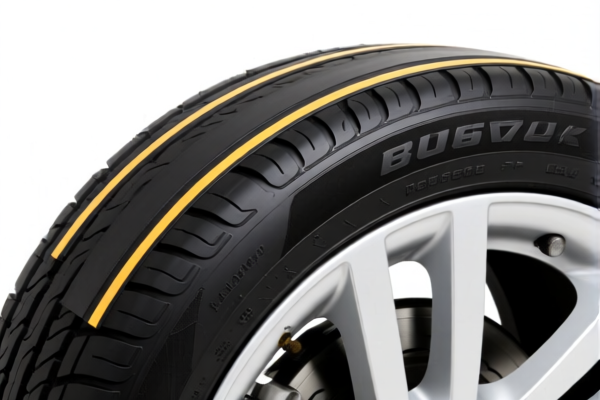
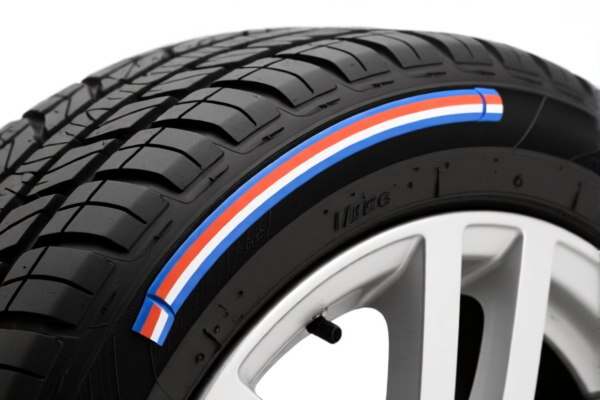
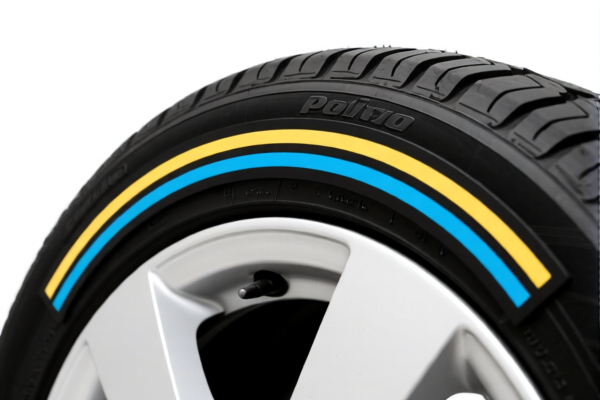
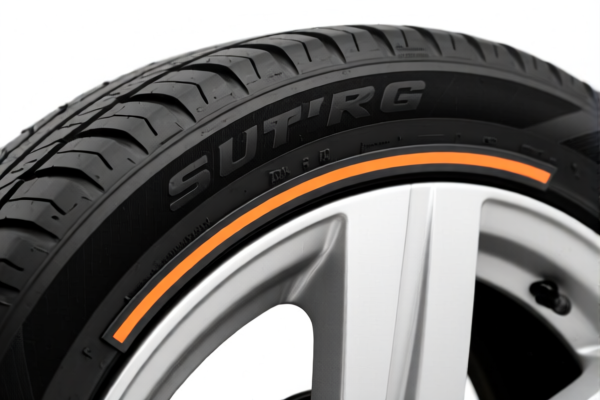
AI Analysis
🚗 Car Protection Strip (Side Skirts / Door Edge Guards)
🌐 HS Code Reference & Customs Clearance Guide | 2026 Latest Tariff Analysis | Professional Clearance Strategy
📌 I. Product Definition & Classification: What Exactly is a "Car Protection Strip"?
Car protection strips are auxiliary automotive accessories designed to protect vehicle bodywork (doors, bumpers, side skirts) from scratches, dents, and UV damage during daily use or parking. In international trade, these items are often misclassified due to ambiguity between "general rubber/plastic goods" and "specific auto parts."
Key Classification Dilemmas: 1. Material Ambiguity: Are they generic rubber/plastic items (Chapter 40/39) or specific auto parts (Chapter 87)? 2. Function Ambiguity: Are they structural components or merely aesthetic/protective attachments?
⚠️ Critical Distinction:
- If the strip is specifically shaped/contoured for a particular car model’s door/skirt and functions as a body attachment, it leans towards Chapter 87 (Vehicles).
- If the strip is generic (straight/unshaped) and made of rubber, it often falls under 4016.99 (Other vulcanized rubber articles).
- If made of plastic and serves as a connecting/protective fitting, it may fall under 3926.30 (Plastic fittings).
📦 II. HS Code Classification Details (2026 Latest Tariff Authority Comparison)
Based on the provided data, there are 5 potential HS Codes depending on material, form, and specific duty application.
| HS Code | Product Description | Classification Logic | Total Tax Rate |
|---|---|---|---|
4016.99.60.50 |
Other vulcanized rubber articles (Generic) | Material: Vulcanized Rubber. Form: Non-specific use rubber products. Category: "Other vulcanized rubber products" (Catch-all). |
37.5% |
4016.99.60.10 |
Other vulcanized rubber articles (Auto Mechanical Parts) | Material: Vulcanized Rubber. Form: Auto Parts. Category: Specifically categorized under auto mechanical parts. |
37.5% |
8708.29.51.60 |
Other parts and accessories (Body Parts - Plastic/Rubber) | Function: Vehicle body attachment. Form: Body parts. Category: "Other parts and accessories". Material inferred as plastic/rubber. Note: Subject to higher steel/aluminum/copper tariffs if applicable. |
87.5% (2.5% Base + 85% Added) |
8708.29.51.10 |
Other body parts and accessories | Function: Body component/Protective strip. Form: Pressed/molded body attachment. Category: "Other body parts and accessories". |
37.5% (2.5% Base + 35% Added) |
3926.30.50.00 |
Other plastic fittings (Body Connection/Protection) | Material: Plastic. Function: Body connection/Protection piece. Category: "Other fittings for bodies, etc." |
22.8% |
🔍 Key Insight:
- Chapter 40 (Rubber): Both4016.99.60.50and4016.99.60.10carry a 37.5% total tax. The distinction lies in the sub-description (generic vs. auto part), but the duty impact is identical in this dataset.
- Chapter 87 (Auto Parts):8708.29.51.10(37.5%) is favorable if classified as a body part. However,8708.29.51.60carries a punitive 87.5% tariff due to additional Section 232 (Steel/Aluminum/Copper) or similar heavy penalties, avoid this code unless the material composition strictly triggers it and cannot be avoided.
- Chapter 39 (Plastic):3926.30.50.00offers the lowest effective rate (22.8%) if the product is plastic and defined as a "fitting" rather than a structural part.
💰 III. 2026 Latest Tariff Rate Breakdown (Including Surcharges & Policy Add-ons)
✅ Applicable Country: United States (US)
✅ Origin: China (CN)
✅ Effective Time: 2025/2026 Period (Current Policy)
🎯 1. 4016.99.60.50 & 4016.99.60.10 — Vulcanized Rubber Articles
| Item | Content |
|---|---|
| Base Duty | 2.5% |
| Section 301 Surcharge | 25.0% |
| Section 122 Surcharge | 10.0% |
| Total Rate | 37.5% |
| Tax Calculation | CIF Value × 37.5% |
| Legal Basis | Standard auto/rubber tariff structure with full Section 301 & 122 additions. |
📌 Explanation:
- Regardless of whether it is classified as a "generic rubber article" (...50) or "auto part rubber article" (...10), the tax burden is identical (37.5%).
- The 25% Section 301 tariff is standard for most rubber/plastic goods from China.
- The 10% Section 122 tariff is applied on top of the base rate.
🎯 2. 8708.29.51.10 — Other Body Parts and Accessories
| Item | Content |
|---|---|
| Base Duty | 2.5% |
| Section 301 Surcharge | 25.0% |
| Section 122 Surcharge | 10.0% |
| Total Rate | 37.5% |
| Tax Calculation | CIF Value × 37.5% |
📌 Explanation:
- This classification treats the strip as a body accessory.
- The tariff structure mirrors the rubber classification, resulting in the same 37.5% effective rate.
- Advantage: May be perceived as more "authentic" auto part, potentially simplifying customs scrutiny if documentation matches.
🎯 3. 3926.30.50.00 — Plastic Fittings (Recommended for Plastic Products)
| Item | Content |
|---|---|
| Base Duty | 5.3% |
| Section 301 Surcharge | 7.5% |
| Section 122 Surcharge | 10.0% |
| Total Rate | 22.8% |
| Tax Calculation | CIF Value × 22.8% |
📌 Explanation:
- Lowest Tax Rate in the dataset.
- Applies if the product is plastic and described as a fitting/connection piece.
- Crucial: Must ensure the product is clearly plastic (not rubber) and described as a fitting (e.g., "plastic door edge guard") rather than a "body part" to avoid Chapter 87 penalties.
🎯 4. 8708.29.51.60 — AVOID (High Penalty Risk)
| Item | Content |
|---|---|
| Base Duty | 2.5% |
| Section 301 Surcharge | 25.0% |
| Additional Steel/Alu/Cu Surcharge | 50.0% |
| Section 122 Surcharge | 10.0% |
| Total Rate | 87.5% |
📌 WARNING:
- This code applies if the product is deemed a body part and contains steel, aluminum, or copper components that trigger additional Section 232 or similar penalties.
- Recommendation: Do NOT use this code unless the product explicitly contains these metals and no other classification is viable. It is financially devastating.
🛠️ IV. Customs Clearance Practical Advice (Battle-Tested Pitfall Guide)
✅ 1. Preparation Checklist (Non-Negotiable)
| Document | Required | Explanation |
|---|---|---|
| ✅ Product Composition Statement | ✔️ | Must specify Rubber vs. Plastic. This determines if you pay 37.5% or 22.8%. |
| ✅ Product Photos (Mounted & Unmounted) | ✔️ | Show the strip installed on a car door to prove "automotive use" if claiming 8708. |
| ✅ Commercial Invoice | ✔️ | Description must be precise: e.g., "Plastic Door Edge Guard, Model XYZ" vs. "Rubber Bumper Protector". |
| ✅ Material Safety Data Sheet (MSDS) | ✔️ | If rubber, confirm vulcanization process. |
| ✅ Packaging List | ✔️ | Ensure no loose metal brackets are included unless declared, to avoid 8708.29.51.60 penalty. |
✅ 2. Declaration Strategy (Key Mantra)
🔥 "Material First, Function Second. Plastic = Fitting (22.8%). Rubber = Part (37.5%). Metal = Trap (87.5%)."
| Scenario | Correct Declaration | Wrong Declaration | Consequence |
|---|---|---|---|
| Plastic Strip | HS: 3926.30.50.00Desc: "Plastic Door Fitting" |
HS: 4016.99.60.50Desc: "Rubber Protector" |
Overpaying 14.7% (37.5% vs 22.8%) |
| Rubber Strip | HS: 4016.99.60.10Desc: "Auto Rubber Part" |
HS: 8708.29.51.60Desc: "Auto Body Part" |
Underpaying if metal content exists → Audit/Fine. Or overpaying if misclassified. |
| Strip with Metal Core | HS: 8708.29.51.60 (Inevitable) |
HS: 3926 or 4016 |
Customs Rejection & Heavy Penalties. Must declare metal content. |
✅ 3. Special Circumstances Handling
| Situation | Handling Suggestion |
|---|---|
| Mixed Material (Plastic + Rubber) | Declare as Plastic if it is the primary component (>50%). Use 3926.30.50.00 for lower duty. Provide material breakdown. |
| OEM Customized Strips | Provide OEM drawings showing exact fitment. This supports 8708 classification if needed, but 3926 is still cheaper if plastic. |
| Unshaped/Generic Strips | If the strip is straight and not contour-specific, argue for Chapter 40 or 39 (general article) rather than Chapter 87 (specific part). This avoids auto-part scrutiny. |
🌍 V. Global Market Customs Comparison (2026 Latest)
| Country/Region | Recommended HS Code | Tariff (China Origin) | Certification Required | Note |
|---|---|---|---|---|
| 🇺🇸 USA | 3926.30.50.00 (if plastic)4016.99.60.50 (if rubber) |
22.8% (Plastic) 37.5% (Rubber) |
None specific, but clear labeling | High Section 301/122 impact. Plastic is cheaper. |
| 🇨🇳 China | 4016.99.60.50 |
~10-15% | CCC (if applicable) | Lower baseline tariffs. |
| 🇪🇺 EU | 4016.99.90 |
4.5% | CE (if applicable) | No Section 301/122. Much lower tax than US. |
| 🇯🇵 Japan | 4016.99.90 |
14.5% | PSE (if electronic, not applicable here) | Standard MFN rates. |
📌 Conclusion:
- The US market is the most punitive due to Section 301 and 122 tariffs.
- Plastic products (3926) enjoy a significant cost advantage (22.8%) over rubber (37.5%) or metal-containing auto parts (87.5%).
- If possible, shift material to high-grade plastic to reduce duty by 14.7 percentage points.
📌 VI. Common Mistakes & Pitfall Guide (Lessons Learned)
❌ Mistake 1: Labeling all car strips as "Auto Parts" (Chapter 87) without checking material.
👉 Consequence: Risk of falling into 8708.29.51.60 (87.5%) if any metal content is detected.
❌ Mistake 2: Declaring Plastic Strips as "Rubber" to match competitor codes.
👉 Consequence: Unnecessary 14.7% extra tax (37.5% vs 22.8%). Always declare accurate material.
❌ Mistake 3: Vague Description: "Car Accessory".
👉 Consequence: Customs may classify under the highest possible duty code or reject the entry for insufficient information.
👉 Fix: Use "Plastic Door Edge Guard, Part No. XYZ".
✅ Correct Approach:
"Plastic Side Skirt Protection Strip, Model XYZ, Non-Structural, For Vehicle Body Protection, HS Code 3926.30.50.00"
🎯 VII. Conclusion: Precision Classification for Cost Savings
🎯 Remember the Mantra:
🔹 "Plastic Fitting: 22.8% (Save Big). Rubber Auto Part: 37.5% (Standard). Metal Body Part: 87.5% (Avoid!)."
🔹 "HS Code dictates profit. A 14.7% difference is pure margin!"
📌 Pro Tip:
If you are importing to the US, conduct a material composition test. If you can formulate the strip in plastic rather than rubber, you save nearly 15% in duties. Always apply for a Binding Tariff Information (BTI) or Advance Ruling from US Customs if the volume is large, to lock in the 3926.30.50.00 classification.
📣 Immediate Action:
📞 Contact your Customs Broker with the Material Safety Data Sheet (MSDS).
🚀 Optimize your supply chain: Choose Plastic over Rubber where possible to mitigate US tariff risks.
📝 Draft your Invoice carefully: Specify "Plastic Fitting" if applicable.
✨ Professional clearance starts with accurate classification!
💼 Your bottom line depends on these decimal points!
Customer Reviews
About HS Code Classification
The Harmonized System (HS) is an internationally standardized nomenclature developed by the World Customs Organization (WCO) to classify traded products. Over 200 countries use the HS system as the basis for customs tariffs, trade statistics, and import/export regulations.
Each HS code follows a hierarchical structure:
- Chapter (2 digits) — Broad category of goods (e.g., Chapter 84: Machinery and Mechanical Appliances)
- Heading (4 digits) — More specific grouping within the chapter
- Subheading (6 digits) — Internationally standardized breakdown, used by all WCO member countries
- National subdivisions (8-10 digits) — Country-specific extensions for further classification, such as US HTSUS 10-digit codes
Correct HS code classification is essential for smooth customs clearance, accurate duty payment, and compliance with trade regulations. Misclassification can lead to customs delays, overpayment of duties, or penalties.
When importing from CN to US, the applicable tariff rates may include:
- Most-Favored-Nation (MFN) rate — The standard duty rate applied to WTO members
- General rate — Applied to countries without trade agreements
- Trade remedy duties — Additional tariffs such as Section 301 (anti-dumping), Section 232 (national security), or countervailing duties
The information provided on this page is for reference purposes only. For official classification, please consult with your local customs authority or a licensed customs broker.