Car Seat Belt Protector
CN → US| HS Code | Tariff Rate | Origin | Destination | Doc |
|---|---|---|---|---|
| 8708210000 | 37.5% | CN | US | Official Doc |
| 6307909891 | 24.5% | CN | US | Official Doc |
| 8708995500 | 37.5% | CN | US | Official Doc |
| 3926305000 | 22.8% | CN | US | Official Doc |
| 6307904020 | 17.5% | CN | US | Official Doc |
Product Images
AI Analysis
🚗 Car Seat Belt Protector (Shoulder Pads)
🌐 HS Code Reference & Customs Clearance Guide | 2026 Latest Tariff Analysis | Professional Clearance Strategy
📌 I. Product Definition & Classification: Do You Really Understand “Seat Belt Protectors”?
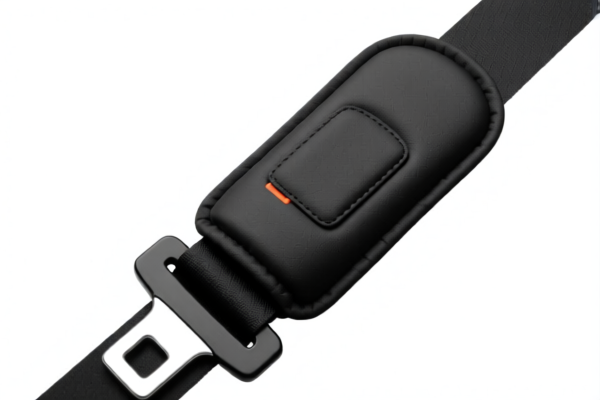
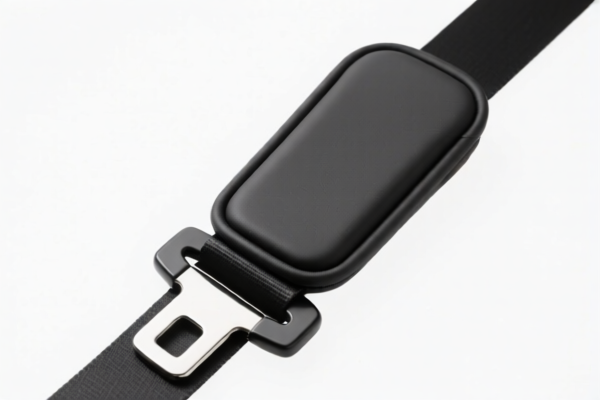
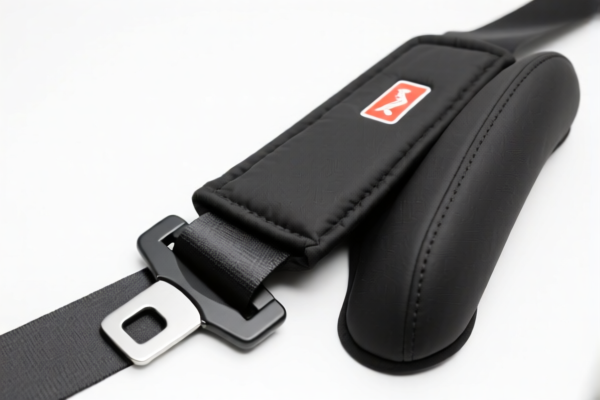
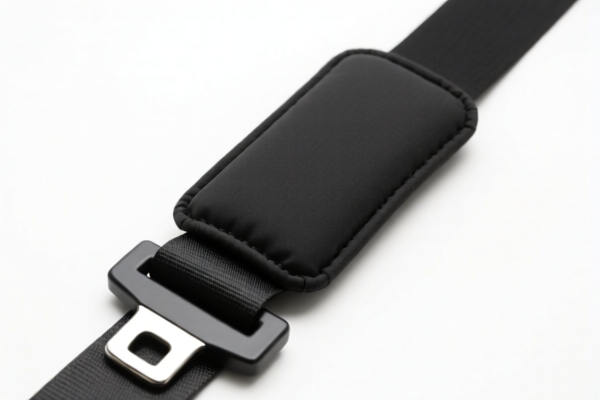
Car Seat Belt Protectors (often referred to as Shoulder Pads or Seat Belt Pads) are auxiliary accessories designed to enhance comfort and reduce pressure on the neck and shoulders when wearing a vehicle seat belt. In international trade, they are generally classified based on their primary function (automotive accessory vs. textile product) and material composition.
Key Distinction: * Automotive Parts (HS 8708): If classified as a "part and accessory" of a motor vehicle, they are subject to higher base tariffs but may benefit from lower specific rates depending on the material logic. * Textile/Plastic Articles (HS 6307 / 3926): If classified as general consumer goods (textiles or plastics), the duty structure differs significantly, often resulting in different total tax burdens due to varying base rates and additional sanctions.
⚠️ Critical Clarification Point:
- If the product is marketed strictly as an automotive accessory (with packaging/images referencing car safety), customs may lean towards 8708.
- If the product is marketed as a fashion/textile item (e.g., "luxury shoulder pad" with no car-specific branding), customs may classify it under Textiles (6307) or Plastics (3926).
- Misclassification Risk: Declaring a plastic pad as a textile item to save duties can lead to audits, penalties, and retroactive tax adjustments.
📦 II. HS Code Classification Details (2026 Latest Tariff Authority Comparison)
| HS Code | Product Description | Applicability Scenario | Material/Logic Basis |
|---|---|---|---|
8708.21.00.00 |
Parts and accessories of motor vehicles: Safety belt assemblies | Best Match: Specifically for seat belt components. Includes shoulder pads/logic deduction. | Matches "use" as car belt accessory. No material conflict with logic of body parts. |
6307.90.98.91 |
Other made-up textile articles; Other | Alternative: Classified as an automotive interior finished good. | Inferred textile/leather material. Fits "Other made-up articles." |
8708.99.55.00 |
Other parts and accessories of motor vehicles | Broad Match: Any automotive attachment. | Based on common sense: contains rubber (for cushioning/wrapping) + textile. Fits "Other accessories." |
3926.30.50.00 |
Other articles of plastics and articles of other materials of heading 39.26: Fitted for vehicle bodies | Material-Based: Plastic automotive auxiliary parts. | Inferred plastic material (common for hard covers). Fits "Fitted for vehicle bodies." |
6307.90.40.20 |
Other made-up textile articles: Other ropes, cordage, plaits... | Textile Logic: Automotive interior textile accessory. | Inferred textile/synthetic fiber. Fits "Other textile accessories" as an extension of ropes/fabrics. |
🔍 Key Reminder:
- 8708 codes are preferred if the product is demonstrably an automotive part (even if soft). This avoids the "General Consumer Good" classification.
- 6307/3926 codes are often used if the product is considered a general lifestyle accessory (e.g., sold in home goods stores rather than auto parts stores).
- Tax Implications: The total tax burden varies drastically from 17.5% to 37.5% depending on the chosen code and applicable sanctions.
💰 III. 2026 Latest Tariff Rate Details (Including Surcharges & Policy Add-ons)
✅ Applicable Country: United States (US)
✅ Origin: China (CN)
✅ Effective Date: 2025 November 10 onwards (including subsequent imports)
🎯 1. 8708.21.00.00 – Safety Belt Assemblies & Accessories
| Item | Content |
|---|---|
| Base Duty | 2.5% |
| Section 301 Surcharge | +25.0% |
| 122 Provision Surcharge | +10.0% |
| Total Duty | 37.5% |
| Calculation | CIF Value × 37.5% |
| De Minimis Eligibility | ❌ No (High duty rate) |
| Legal Basis Path | Base: 2.5% → 301: 25% → 122: 10% |
📌 Explanation:
- This code is the most "automotive-specific."
- The 37.5% total rate is high due to the cumulative effect of Section 301 and the 122 provision.
- However, it is the most defensible if the product is strictly a car part.
🎯 2. 6307.90.98.91 – Other Made-Up Textile Articles
| Item | Content |
|---|---|
| Base Duty | 7.0% |
| Section 301 Surcharge | +7.5% |
| 122 Provision Surcharge | +10.0% |
| Total Duty | 24.5% |
| Calculation | CIF Value × 24.5% |
| De Minimis Eligibility | ❌ No |
| Legal Basis Path | Base: 7.0% → 301: 7.5% → 122: 10% |
📌 Note:
- This code often applies if the item is considered a textile home/auto interior accessory.
- The lower base duty (7%) makes the total tax 13% lower than the 8708 classification.
- Risk: Must justify textile composition clearly.
🎯 3. 8708.99.55.00 – Other Motor Vehicle Parts/Accessories
| Item | Content |
|---|---|
| Base Duty | 2.5% |
| Section 301 Surcharge | +25.0% |
| 122 Provision Surcharge | +10.0% |
| Total Duty | 37.5% |
| Calculation | CIF Value × 37.5% |
| De Minimis Eligibility | ❌ No |
| Legal Basis Path | Base: 2.5% → 301: 25% → 122: 10% |
📌 Note:
- A "catch-all" for automotive parts not specifically listed elsewhere (like safety belts).
- Includes rubber content in logic.
- Same high tax as 8708.21.00.00.
🎯 4. 3926.30.50.00 – Other Plastic Articles, Fitted for Vehicle Bodies
| Item | Content |
|---|---|
| Base Duty | 5.3% |
| Section 301 Surcharge | +7.5% |
| 122 Provision Surcharge | +10.0% |
| Total Duty | 22.8% |
| Calculation | CIF Value × 22.8% |
| De Minimis Eligibility | ❌ No |
| Legal Basis Path | Base: 5.3% → 301: 7.5% → 122: 10% |
📌 Note:
- Applies if the shoulder pad is plastic-based (hard shell or plastic components).
- Competitive Tax Rate: 22.8% is lower than textile and 8708 general parts.
- Requirement: Must confirm plastic material composition.
🎯 5. 6307.90.40.20 – Other Ropes, Cordage, Plaits, and Other Articles
| Item | Content |
|---|---|
| Base Duty | 0.0% |
| Section 301 Surcharge | +7.5% |
| 122 Provision Surcharge | +10.0% |
| Total Duty | 17.5% |
| Calculation | CIF Value × 17.5% |
| De Minimis Eligibility | ❌ No |
| Legal Basis Path | Base: 0.0% → 301: 7.5% → 122: 10% |
📌 Note:
- Lowest Total Duty (17.5%).
- Fits logic if the product is considered an extremity of textile ropes/fabrics.
- High Risk of Challenge: Customs may argue it’s not a "rope/cordage" but a finished pad. Requires strong justification of textile/fabric nature.
🛠️ IV. Customs Clearance Practical Advice (Battle-Tested Pitfall Guide)
✅ 1. Preparation Checklist (All Required)
| Material | Required | Description |
|---|---|---|
| ✅ Product Specifications | ✔️ | Material breakdown (e.g., 100% Polyester, PU Leather, Plastic Core). |
| ✅ Product Photos | ✔️ | Clear images showing how it attaches to the seat belt. |
| ✅ Commercial Invoice | ✔️ | Description should match HS Code logic (e.g., "Plastic Car Accessory" vs. "Textile Pad"). |
| ✅ Packing List | ✔️ | Include dimensions and weight. |
| ✅ Declaration Statement | ✔️ | If using 6307, state "Textile Article, not primarily a vehicle part." |
| ✅ If using 8708 | ✔️ | State "Automotive Safety Accessory, Fitted for Seat Belt." |
✅ 2. Declaration Strategy (Key Mantras)
🔥 “Material First, Use Second, Code Follows!”
| Scenario | Correct Declaration | Wrong Practice |
|---|---|---|
| Product is Plastic | 3926.30.50.00 (22.8%) |
Declare as Textile → Risk of re-classification & penalty |
| Product is Textile/Fabric | 6307.90.98.91 (24.5%) or 6307.90.40.20 (17.5%) |
Declare as Auto Part → Pay 37.5% unnecessarily |
| Product is Strictly Auto Part | 8708.21.00.00 (37.5%) |
Hide car usage → Customs may seize for misdeclaration |
| Mixed Material (Textile + Plastic) | Choose dominant feature | Vague description "Car Pad" → High audit risk |
📌 Strategic Tip:
- If the product is fabric/leather, consider6307.90.40.20(17.5%) for maximum savings, but be prepared to defend the "textile article" classification.
- If the product is plastic,3926.30.50.00(22.8%) is the safest and most competitive.
- Avoid8708unless you have no choice, as the 37.5% tax is significantly higher.
✅ 3. Special Circumstances Handling
| Situation | Handling Advice |
|---|---|
| OEM Custom Orders | Provide design drawings showing material composition (e.g., "PU Leather with Foam Core"). |
| Mixed Shipments (Textile & Plastic) | Declare separately! Do not mix 6307 and 3926 on one line. |
| Marketing as "Fashion Accessory" | You can argue for 6307, but ensure photos don't show "Car Safety" branding. |
| High-Value Luxury Pads | Consider 6307.90.98.91 (24.5%) as it covers "luxury textile articles." |
🌍 V. Global Market Comparison (2026 Latest)
| Country/Region | Recommended HS Code | Duty Rate (China Origin) | Notes |
|---|---|---|---|
| 🇺🇸 USA | 6307.90.40.20 |
17.5% | Lowest duty. Requires textile justification. |
| 🇺🇸 USA | 3926.30.50.00 |
22.8% | Best for plastic parts. |
| 🇺🇸 USA | 8708.21.00.00 |
37.5% | Highest duty. Only if strictly auto-part. |
| 🇨🇳 China | 6307.90.98.91 |
~5-7% | Import to China has lower tariffs. |
| 🇪🇺 EU | 6307.90.98.91 |
~0-4% | No Section 301/122 surcharges. |
📌 Conclusion:
- The US market is the most expensive due to the 122 Provision (+10%) and Section 301 (7.5%-25%).
- Textile codes (6307) generally offer lower total taxes than Auto Part codes (8708) for this specific product, provided the material is justified.
- Plastic codes (3926) offer a middle ground.
📌 VI. Common Errors & Pitfall Guide (Lessons Learned from Tears)
❌ Error 1: Declaring a Plastic Shoulder Pad as Textile (6307)
👉 Consequence: Customs audit, re-classification to 3926, plus 7.5% penalty and delayed release.
❌ Error 2: Declaring a Textile Pad as an Auto Part (8708)
👉 Consequence: Paying 37.5% instead of 17.5% or 24.5%. Loss of ~13-20% profit margin.
❌ Error 3: Using Vague Descriptions ("Car Accessory")
👉 Consequence: Customs officer picks the worst-case scenario (often 8708 or 9903 surcharges apply broadly).
❌ Error 4: Ignoring the 122 Provision (+10%)
👉 Consequence: Underestimating total landed cost. All the above codes include this 10%.
✅ Correct Approach:
"Textile Car Seat Belt Shoulder Pad, 100% Polyester Fill, PU Leather Cover" → Code: 6307.90.40.20 (17.5%)
"Plastic Automotive Seat Belt Guard, Polycarbonate Shell" → Code: 3926.30.50.00 (22.8%)
🎯 VII. Conclusion: Professional Declaration, Save Money, Smooth Clearance!
🎯 Remember the Mantra:
🔹 “Material Dictates Code; Use Supports Claim.”
🔹 “Textile 17.5%, Plastic 22.8%, Auto 37.5%.”
🔹 “Don’t Auto-Declare Textile; Don’t Textile-Declare Plastic!”
📌 Pro Tip:
If your product is primarily textile (e.g., memory foam with fabric cover), strongly consider
6307.90.40.20(17.5%). It is the most cost-effective.
If your product is primarily plastic, use3926.30.50.00(22.8%).
Avoid8708unless you are legally required to, as it is the most expensive.
📣 Immediate Action:
📞 Contact your Customs Broker with material composition sheets.
📸 Provide Clear Photos showing the material texture.
🚀 Optimize Your Landed Cost by choosing the right HS Code!
✨ Professional Clearance Starts with Precise Classification!
💼 Every Percent of Duty Saves You Money!
Customer Reviews
About HS Code Classification
The Harmonized System (HS) is an internationally standardized nomenclature developed by the World Customs Organization (WCO) to classify traded products. Over 200 countries use the HS system as the basis for customs tariffs, trade statistics, and import/export regulations.
Each HS code follows a hierarchical structure:
- Chapter (2 digits) — Broad category of goods (e.g., Chapter 84: Machinery and Mechanical Appliances)
- Heading (4 digits) — More specific grouping within the chapter
- Subheading (6 digits) — Internationally standardized breakdown, used by all WCO member countries
- National subdivisions (8-10 digits) — Country-specific extensions for further classification, such as US HTSUS 10-digit codes
Correct HS code classification is essential for smooth customs clearance, accurate duty payment, and compliance with trade regulations. Misclassification can lead to customs delays, overpayment of duties, or penalties.
When importing from CN to US, the applicable tariff rates may include:
- Most-Favored-Nation (MFN) rate — The standard duty rate applied to WTO members
- General rate — Applied to countries without trade agreements
- Trade remedy duties — Additional tariffs such as Section 301 (anti-dumping), Section 232 (national security), or countervailing duties
The information provided on this page is for reference purposes only. For official classification, please consult with your local customs authority or a licensed customs broker.