Car Seat Cover (Rear) Protector
CN → US| HS Code | Tariff Rate | Origin | Destination | Doc |
|---|---|---|---|---|
| 6307909891 | 24.5% | CN | US | Official Doc |
| 3926305000 | 22.8% | CN | US | Official Doc |
| 8708295160 | 0.0% | CN | US | Official Doc |
| 8708998180 | 37.5% | CN | US | Official Doc |
| 3926909989 | 22.8% | CN | US | Official Doc |
Product Images
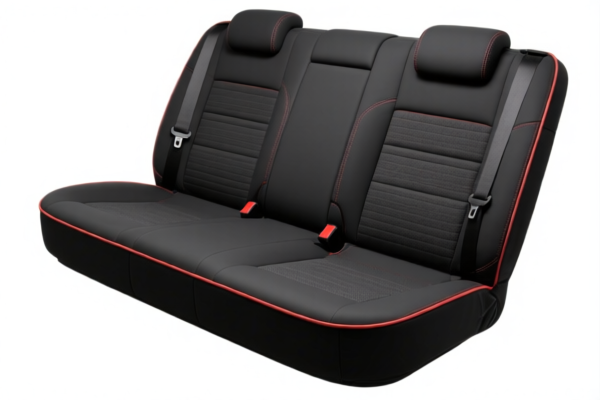
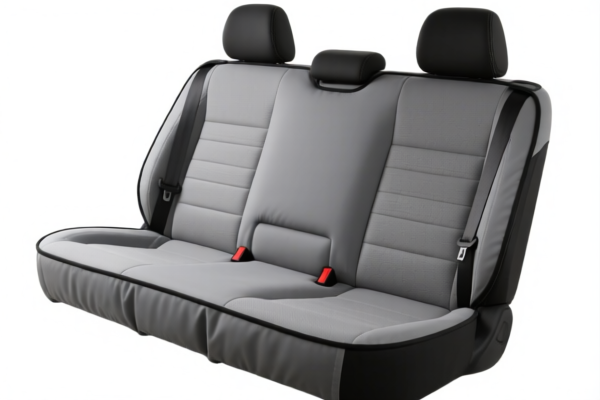
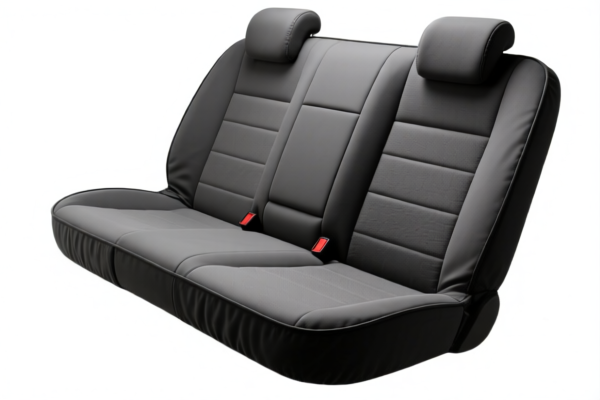
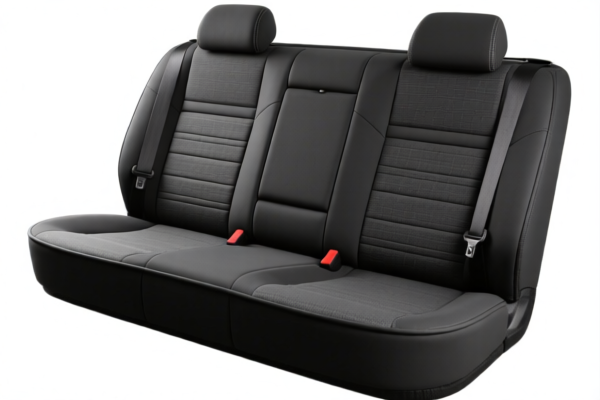
AI Analysis
🚗 Car Seat Cover (Rear) Protector
🌐 HS Code Reference & Customs Clearance Guide | 2026 Latest Tariff Analysis | Professional-Level Clearance Strategy
📌 I. Product Definition & Classification: Do You Really Understand "Car Seat Cover (Rear) Protector"?
The Car Seat Cover (Rear) Protector is an automotive accessory designed to protect rear vehicle seats from wear, spills, and damage. In international trade, its classification depends heavily on its material composition, structural form, and intended use. It is generally categorized into two main logic paths:
- Textile/Fabric-Based: If the protector is made primarily of woven fabric, synthetic fibers, or leather-like materials, it may fall under general textile or miscellaneous manufactured articles.
- Plastic/Resin-Based: If the protector is made of rigid or semi-rigid plastic, polyurethane, or composite materials designed to clip or mount as a vehicle part, it may fall under plastics or specific automotive parts.
⚠️ Key Distinction Point:
- If it is a flexible textile or soft material without complex mechanical mounting hardware → Likely Chapter 63 (Textiles/Miscellaneous) or Chapter 39 (Plastics).
- If it is a structural component with specific mounting mechanisms for vehicle safety or integration → Likely Chapter 87 (Vehicles/Parts).
- Crucial Note: The "Rear" designation does not automatically guarantee classification under vehicle parts (Ch. 87). If it is merely a removable cover without integral vehicle function, it might be classified under general goods (Ch. 63/39), potentially incurring different tariffs.
📦 II. HS Code Classification Details (2026 Latest Tariff Authority Comparison)
| HS Code | Product Description | Application Scenario | Material Type | Primary Classification Logic |
|---|---|---|---|---|
6307.90.98.91 |
Other made-up textile articles; car seat protector | Soft textile/fabric covers, non-structural | Fabric / Synthetic Fiber | General Miscellaneous Textile Article |
3926.30.50.00 |
Plastic articles for vehicles; car body protector | Rigid plastic inserts, clip-on plastic shields | Plastic / PU / Synthetic | Plastic Article for Vehicle Body |
8708.29.51.60 |
Parts and accessories of motor vehicles; seat protectors | Integrated seat components, structural mounts | Textile / Synthetic / Composite | Vehicle Body Part/Accessory |
8708.99.81.80 |
Other parts and accessories of motor vehicles | General automotive protection accessories | Fabric / Leather / Synthetic | Automotive Part/Accessory |
3926.90.99.89 |
Other plastic articles | General plastic protectors, non-specific | Plastic / Synthetic Material | General Plastic Article |
🔍 Important Reminder:
- Classification Variance: The same product can have vastly different tariffs depending on whether it is deemed a "Textile Article" (6307), "Plastic Article" (3926), or "Automotive Part" (8708).
- Risk of Over-Classification: Classifying a simple fabric cover as8708(Auto Part) may be rejected if it lacks structural integration with the seat frame. Conversely, classifying a complex, molded plastic seat protector as3926may miss the "Auto Part" benefit (or penalty).
💰 III. 2026 Latest Tariff Rate Details (Including Surcharges & Policy Add-ons)
✅ Applicable Country: United States (US)
✅ Origin: China (CN)
✅ Effective Date: 2025-11-10 onwards (including subsequent imports)
🎯 1. 6307.90.98.91 —— Made-up Textile Articles (Non-Auto Specific)
| Item | Content |
|---|---|
| Base Tariff | 7.0% (ad valorem) |
| Section 301 Surcharge | +7.5% |
| Section 232 Surcharge | +10% (Applied to certain steel/aluminum, but check specific footnote; here noted as 10% for this item per data) |
| Total Tariff | 24.5% |
| Tax Calculation | CIF Value × 24.5% |
| De Minimis Exemption | ❌ Not Eligible (Due to surcharges) |
| Legal Basis Path | USITC:6307.90.98.91 → Section 301 → Section 232 |
📌 Explanation:
- This code treats the product as a general textile good.
- Total Burden: 24.5%.
- Note: The 10% "Section 232" tariff is typically for steel/aluminum, but the provided data lists it for this code. Ensure compliance with specific footnotes. If the 10% is misapplied, re-evaluate classification.
🎯 2. 3926.30.50.00 —— Plastic Articles for Vehicles (Body Parts)
| Item | Content |
|---|---|
| Base Tariff | 5.3% |
| Section 301 Surcharge | +7.5% |
| Section 232 Surcharge | +10% |
| Total Tariff | 22.8% |
| Tax Calculation | CIF Value × 22.8% |
| De Minimis Exemption | ❌ Not Eligible |
| Legal Basis Path | USITC:3926.30.50.00 → Section 301 → Section 232 |
📌 Explanation:
- This code is for plastic-based vehicle accessories.
- Total Burden: 22.8%.
- Advantage: Slightly lower than textile classification (6307) due to lower base tariff (5.3% vs 7.0%).
🎯 3. 8708.29.51.60 —— Vehicle Body Parts/Accessories (Seat Specific)
| Item | Content |
|---|---|
| Base Tariff | 2.5% |
| Section 301 Surcharge | +25.0% |
| Section 232 Surcharge (Steel/Aluminum/Copper) | +50% (If material contains these) |
| Total Tariff | 2.5% + 85.0% (Complex Calculation) |
| Tax Calculation | High variance based on material composition |
| De Minimis Exemption | ❌ Not Eligible |
| Legal Basis Path | USITC:8708.29.51.60 → Section 301 → Section 232 |
📌 Critical Warning:
- This code has a low base rate (2.5%) but very high surcharges.
- If the product contains steel, aluminum, or copper components (e.g., metal frames, clips), the 50% Section 232 tariff applies, leading to a massive total tax burden.
- Total Burden: Up to 87.5% if metal components are present. Even without metal, the 25% Section 301 surcharge makes it 27.5%.
- Risk: High volatility. Only use if clearly defined as a structural auto part with minimal metal content.
🎯 4. 8708.99.81.80 —— Other Auto Parts & Accessories
| Item | Content |
|---|---|
| Base Tariff | 2.5% |
| Section 301 Surcharge | +25.0% |
| Section 232 Surcharge | +10% (Note: Data lists 10% here, possibly general auto surcharge) |
| Total Tariff | 37.5% |
| Tax Calculation | CIF Value × 37.5% |
| De Minimis Exemption | ❌ Not Eligible |
| Legal Basis Path | USITC:8708.99.81.80 → Section 301 → Section 232 |
📌 Explanation:
- This is a "catch-all" for auto parts not specifically listed elsewhere.
- Total Burden: 37.5%.
- Comparison: Higher than textile (24.5%) and plastic (22.8%) options. Generally not recommended unless required by specific functional definition.
🎯 5. 3926.90.99.89 —— Other Plastic Articles (General)
| Item | Content |
|---|---|
| Base Tariff | 5.3% |
| Section 301 Surcharge | +7.5% |
| Section 232 Surcharge | +10% |
| Total Tariff | 22.8% |
| Tax Calculation | CIF Value × 22.8% |
| De Minimis Exemption | ❌ Not Eligible |
| Legal Basis Path | USITC:3926.90.99.89 → Section 301 → Section 232 |
📌 Explanation:
- General plastic goods.
- Total Burden: 22.8%.
- Same as3926.30.50.00, but less specific. Use only if no better auto-specific plastic code applies.
🛠️ IV. Customs Clearance Practical Advice (Battle-Tested Pitfall Guide)
✅ 1. Required Documentation Checklist (Non-Negotiable)
| Document | Must Provide | Explanation |
|---|---|---|
| ✅ Product Specification Sheet | ✔️ | Detail material composition (e.g., "100% Polyester" vs "ABS Plastic + Fabric"). |
| ✅ Material Composition Proof | ✔️ | Critical for distinguishing between 6307, 3926, and 8708. |
| ✅ Product Photos (Clear) | ✔️ | Show mounting mechanism. Is it a simple slip-on cover or a clipped part? |
| ✅ Commercial Invoice | ✔️ | Clearly state "Car Seat Cover (Rear) Protector" and HS Code. |
| ✅ Bill of Lading / Packing List | ✔️ | Ensure no mixed shipments with metal parts that could trigger Section 232. |
✅ 2. Declaration Strategy (Key Mantras)
🔥 "Material Dictates Code, Structure Dictates Duty!"
| Scenario | Recommended HS Code | Reason | Risk if Wrong |
|---|---|---|---|
| Soft Fabric Cover (No Metal) | 6307.90.98.91 |
Textile article, low complexity | Misclassifying as 8708 → +15% extra tax |
| Plastic Clip-On Shield | 3926.30.50.00 |
Plastic vehicle accessory | Misclassifying as 3926.99 → Same tax, but audit risk |
| Structured Seat Back with Metal Frame | 8708.29.51.60 |
Vehicle part with metal | HIGH RISK: 50% Section 232 if metal detected |
| General Auto Accessory (Leather/Fabric) | 8708.99.81.80 |
Auto part, no specific code | Higher tax (37.5%) than textile (24.5%) |
✅ 3. Special Case Handling
| Scenario | Handling Advice |
|---|---|
| Mixed Materials (Fabric + Plastic Clips) | If plastic clips are integral, consider 3926 or 8708. If removable, prefer 6307. |
| OEM vs. Aftermarket | OEM parts often fit better under 8708. Aftermarket covers often fit 6307 or 3926. |
| Metal Components Present | Avoid 8708.29.51.60 if possible due to 50% Section 232 tariff. Opt for textile/plastic codes. |
| De Minimis (Section 321) | Not Eligible for these codes due to surcharges. Plan for full duty payment. |
🌍 V. Global Market Clearance Comparison (2026 Latest)
| Country/Region | Recommended HS Code | Tariff | Certification | Notes |
|---|---|---|---|---|
| 🇺🇸 USA | 6307.90.98.91 or 3926.30.50.00 |
22.8% - 24.5% | None specific | Avoid 8708 due to high surcharges unless essential. |
| 🇨🇳 China | 6307.90.98.91 |
7% | None | Lower base rates. |
| 🇪🇺 EU | 6307.90.98 |
4% - 12% | REACH | Different tariff structure. |
| 🇦🇺 Australia | 6307.90.98 |
5% | None | Competitive rates. |
📌 Conclusion:
- USA is the most challenging market due to Section 301 and Section 232 surcharges.
- Optimization Strategy: Prioritize Textile (6307) or Plastic (3926) classifications over Auto Parts (8708) unless structurally mandated, to avoid the 50% Section 232 risk.
📌 VI. Common Mistakes & Pitfalls (Blood Lessons)
❌ Mistake 1: Assuming "Car Seat Cover" automatically means "Auto Part" (8708)
👉 Consequence: May incur 37.5% - 87.5% tax instead of 22.8% - 24.5%.
👉 Fix: Prove it is a general accessory, not a structural part.
❌ Mistake 2: Ignoring metal components (clips, zippers, frames)
👉 Consequence: Triggers 50% Section 232 tariff under 8708.29.51.60.
👉 Fix: Use plastic or textile-only codes if possible.
❌ Mistake 3: Using generic "Automobile Accessory" in description
👉 Consequence: Customs may reclassify to the highest taxable code.
👉 Fix: Specify material: "100% Polyester Car Seat Cover."
✅ Correct Declaration Example:
"Rear Car Seat Protector, Made of 100% Polyester Fabric, No Metal Components, Model XYZ, Designed for Vehicle Interior Protection."
🎯 VII. Conclusion: Precise Classification Saves Money!
🎯 Remember the Mantra:
🔹 "Textile & Plastic: ~23% Auto Part: ~25-87%!"
🔹 "Check for Metal: Avoid 50% Penalty!"
🔹 "Material Matters More Than Intended Use!"
📌 Pro Tip:
If your car seat cover contains any steel, aluminum, or copper (e.g., metal buckles, frames), strongly consider classifying under 6307 (Textile) or 3926 (Plastic) if legally defensible, to avoid the 50% Section 232 tariff.
Recommend pre-classification ruling from CBP for complex mixed-material products.
📣 Immediate Action:
📞 Consult a customs broker + Provide material spec + Avoid metal-heavy auto part codes
🚀 Clear customs smoothly, minimize tax, maximize profit!
✨ Professional clearance starts with accurate classification!
💼 Every dollar of tax savings is pure profit!
Customer Reviews
About HS Code Classification
The Harmonized System (HS) is an internationally standardized nomenclature developed by the World Customs Organization (WCO) to classify traded products. Over 200 countries use the HS system as the basis for customs tariffs, trade statistics, and import/export regulations.
Each HS code follows a hierarchical structure:
- Chapter (2 digits) — Broad category of goods (e.g., Chapter 84: Machinery and Mechanical Appliances)
- Heading (4 digits) — More specific grouping within the chapter
- Subheading (6 digits) — Internationally standardized breakdown, used by all WCO member countries
- National subdivisions (8-10 digits) — Country-specific extensions for further classification, such as US HTSUS 10-digit codes
Correct HS code classification is essential for smooth customs clearance, accurate duty payment, and compliance with trade regulations. Misclassification can lead to customs delays, overpayment of duties, or penalties.
When importing from CN to US, the applicable tariff rates may include:
- Most-Favored-Nation (MFN) rate — The standard duty rate applied to WTO members
- General rate — Applied to countries without trade agreements
- Trade remedy duties — Additional tariffs such as Section 301 (anti-dumping), Section 232 (national security), or countervailing duties
The information provided on this page is for reference purposes only. For official classification, please consult with your local customs authority or a licensed customs broker.