Car Seat Covers, Rear Seat Protection Pads
CN → US| HS Code | Tariff Rate | Origin | Destination | Doc |
|---|---|---|---|---|
| 9401991085 | 17.5% | CN | US | Official Doc |
| 9401991020 | 17.5% | CN | US | Official Doc |
| 6307909887 | 24.5% | CN | US | Official Doc |
| 6307909891 | 24.5% | CN | US | Official Doc |
| 3926305000 | 22.8% | CN | US | Official Doc |
Product Images
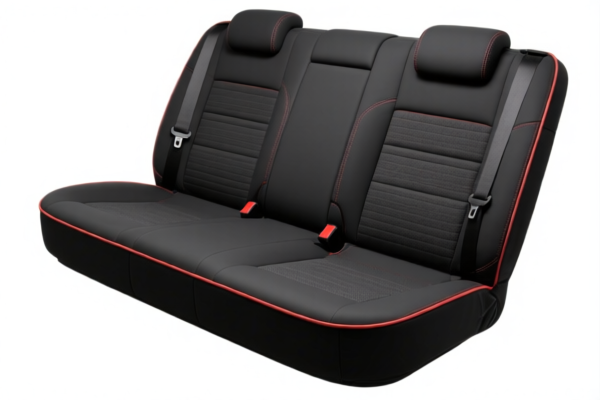
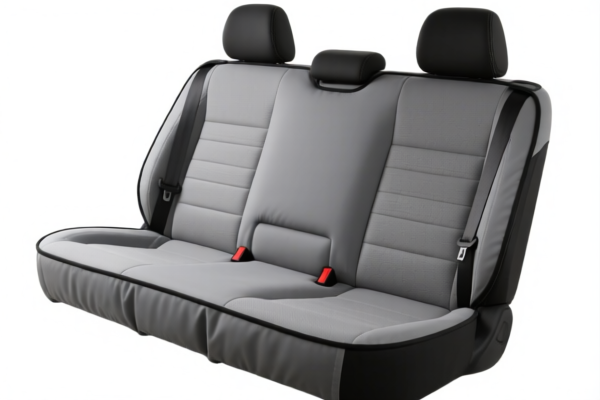
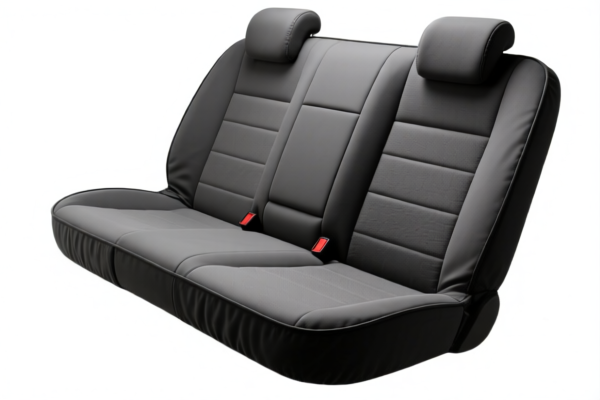
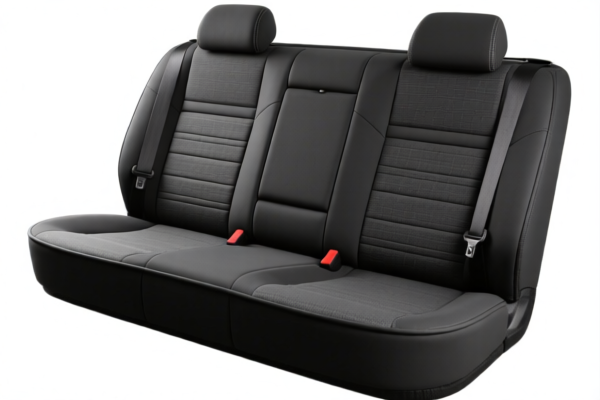
AI Analysis
🚗 Car Seat Covers & Rear Seat Protection Pads (Automotive Interiors)
🌐 HS Code Reference & Customs Clearance Guide | 2026 Latest Tariff Analysis | Professional Strategy for US Market 📌 I. Product Definition & Classification: Are You Classifying "Fabric" or "Parts"?
Car Seat Covers and Rear Seat Protection Pads are critical accessories for automotive interior maintenance and protection. In international trade, their classification hinges on two key factors: Material Composition and Function/State of Processing.
Key Distinction Logic: * As "Seat Parts" (9401.99): If the cover is specifically shaped for a car seat (custom fit) and acts as a component of the seat assembly itself, it may fall under automotive parts. * As "Textile/Plastic Goods" (6307 / 3926): If the item is primarily viewed as a protective textile product, a cushion, or a plastic-coated cover not exclusively defined as a "part" of the seat structure, it falls under general manufacturing goods.
⚠️ Critical Classification Point:
- Custom-fit, structural parts → Often倾向于 9401.99 (Auto Parts).
- Universal fit, protective textiles/cushions → Often倾向于 6307.90 (Textile Accessories).
- Plastic-coated/PU leather non-textile covers → Often倾向于 3926.30 (Plastic Articles).
📦 II. HS Code Classification Details (Based on Provided Data)
| HS Code | Product Description | Application Scenario | Material/Type Inference |
|---|---|---|---|
9401.99.10.85 |
Car Seat Cover, classified as auto seat part, inferred as non-leather, non-textile cut-piece | Custom-fit seat parts, generic auto accessories | 🔧 Auto Part (Fallback) |
9401.99.10.20 |
Car Seat Cover, matched purpose as auto seat part, formed shape, textile material tendency | Custom-fit textile seat covers, formed automotive interiors | 🧵 Auto Part (Textile) |
6307.90.98.87 |
Vehicle Seat Cover & Protection Pad, form is protective pad, textile material | Universal fit seat protectors, textile cushions, interior padding | 🛡️ Textile Accessory |
6307.90.98.91 |
Vehicle Seat Cover & Protection Pad, finished good, textile or synthetic material | General textile/synthetic interior pads, "other made-up" articles | 🧶 Textile Finished Good |
3926.30.50.00 |
Vehicle Seat Cover & Protection Pad, body accessory, plastic/synthetic fiber/coated fabric | PU Leather covers, vinyl seat protectors, plastic-based interior parts | 🧴 Plastic Article |
🔍 Key Insight:
- 9401.99 codes imply the item is an integral part of the seat, often requiring evidence of being custom-fitted or structurally linked to the vehicle's seating system. - 6307.90 and 3926.30 imply the item is a general accessory (like a cushion or throw), regardless of whether it fits a car.
💰 III. 2026 Latest Tariff Rate Breakdown (Including Additional Duties & Policy Surcharges)
✅ Applicable Country: United States (US)
✅ Origin: China (CN)
✅ Effective Date: Post-November 10, 2025 (Importations after this date)
🎯 1. 9401.99.10.85 & 9401.99.10.20 —— Automotive Seat Parts (Seat Covers)
| Item | Content |
|---|---|
| Basic Tariff Rate | 0.0% |
| Section 301 Additional Tariff | +7.5% |
| IEEPA Additional Tariff (122 Clauses) | +10% |
| Total Tariff Rate | 17.5% |
| Tax Calculation | CIF Value × 17.5% |
| De Minimis Exemption Eligible? | ❌ No |
| Legal Basis Path | Base: 0% + Sec 301: 7.5% + IEEPA: 10% |
📌 Explanation:
- These codes benefit from a 0% base duty, but are subject to the 122 Clauses (10%) and Section 301 (7.5%) surcharges. - Total Cost: You pay 17.5% on top of the CIF value. This is significantly lower than the textile/plastic alternatives below. - Strategy: If your seat covers are custom-made or clearly identifiable as auto parts, strive to classify here to save 7% vs. Textile/Plastic options.
🎯 2. 6307.90.98.87 & 6307.90.98.91 —— Textile Seat Covers & Protection Pads
| Item | Content |
|---|---|
| Basic Tariff Rate | 7.0% |
| Section 301 Additional Tariff | +7.5% |
| IEEPA Additional Tariff (122 Clauses) | +10% |
| Total Tariff Rate | 24.5% |
| Tax Calculation | CIF Value × 24.5% |
| De Minimis Exemption Eligible? | ❌ No |
| Legal Basis Path | Base: 7.0% + Sec 301: 7.5% + IEEPA: 10% |
📌 Explanation:
- The base tariff is 7.0% for general textile articles. - With the same 17.5% in additional duties (7.5% + 10%), the total hits 24.5%. - Risk: If you ship universal-fit fabric seat covers and declare them as "Seat Covers" without proving they are "parts," customs may default to this higher rate.
🎯 3. 3926.30.50.00 —— Plastic/Coated Fabric Seat Covers
| Item | Content |
|---|---|
| Basic Tariff Rate | 5.3% |
| Section 301 Additional Tariff | +7.5% |
| IEEPA Additional Tariff (122 Clauses) | +10% |
| Total Tariff Rate | 22.8% |
| Tax Calculation | CIF Value × 22.8% |
| De Minimis Exemption Eligible? | ❌ No |
| Legal Basis Path | Base: 5.3% + Sec 301: 7.5% + IEEPA: 10% |
📌 Explanation:
- For PU Leather, Vinyl, or Plastic-coated seat covers, the base duty is 5.3%. - Total rate is 22.8%. - Comparison: This is cheaper than textile covers (24.5%) but still more expensive than the auto-part classification (17.5%).
🛠️ IV. Customs Clearance Practical Advice (Pitfall Avoidance Guide)
✅ 1. Required Documentation Checklist
| Document | Required? | Notes |
|---|---|---|
| ✅ Product Specification Sheet | ✔️ | Must specify: Material (Textile/Plastic/Leather), Fit (Custom/Universal), Usage (Auto Interior). |
| ✅ Product Photos | ✔️ | Show the item on a car seat, label/tags, and material texture. |
| ✅ Commercial Invoice | ✔️ | Clearly state: "Car Seat Covers for Automotive Use" or "Textile Protection Pads for Vehicle Seats". Avoid vague terms like "Cushion." |
| ✅ Packing List | ✔️ | List quantity, weight, and package dimensions. |
| ✅ Origin Certificate | ❌ (Optional but Recommended) | To prove CN origin for tariff calculation. |
✅ 2. Declaration Strategies (The "Golden Rules")
🔥 Rule #1: Define the "Identity" Clearly
- If Custom-Fit: Declare as "Automotive Seat Cover (Part)" → Aim for9401.99.
- If Universal Fit: Declare as "Textile Seat Protector" or "Plastic Seat Cover" → Aim for6307or3926.
- ❌ Never use generic terms like "Cushion" or "Mattress" for car-specific items.🔥 Rule #2: Material Matters
- Fabric/Textile →6307.90(24.5% Total)
- PU/Vinyl/Plastic →3926.30(22.8% Total)
- Auto Part (Structural/Custom) →9401.99(17.5% Total) ← Best Option if Applicable
✅ 3. Common Mistakes & Solutions
| Mistake | Consequence | Solution |
|---|---|---|
| Declaring Custom Seat Covers as "General Furniture Cushions" | High Duty + Potential Misclassification Fine | Provide OEM drawings or vehicle fitment lists to prove auto-part status. |
| Declaring Textile Covers as "Auto Parts" without proof | Customs may reclassify to 6307 (24.5%) |
Ensure product is shaped/molded for a specific seat model. |
| Ignoring IEEPA 122 Clauses | Underpayment of Duty | All goods from China listed in 122 Clauses are subject to +10%. Ensure your HS Code is checked against this list. |
🌍 V. Global Market Comparison (2026)
| Region | Recommended HS Code | Total Duty (Approx.) | Notes |
|---|---|---|---|
| 🇺🇸 USA | 9401.99.10.20 |
17.5% | Best for custom parts. 6307 is 24.5%. |
| 🇺🇸 USA | 3926.30.50.00 |
22.8% | Best for PU/Vinyl covers if not classified as parts. |
| 🇪🇺 EU | 6307.90 |
~12% | Lower base duties, but check for anti-dumping on textiles. |
| 🇨🇳 China (Import) | 6307.90 |
10-12% | Depends on material. |
📌 Conclusion for US Importers:
- Cost Optimization: If your seat covers are custom-designed for specific car models (e.g., "2023 Tesla Model 3 Front Seats"), aggressively pursue classification under9401.99to save 7% compared to textile classifications. - Risk Management: If the covers are universal fit (e.g., "58" x 20" Backrest Cover"), stick to6307.90or3926.30. Do not misclassify universal items as auto parts, as this leads to severe penalties during audits.
📌 VI. Final Checklist for Smooth Clearance
- Verify Material: Is it Textile (
6307) or Plastic/PU (3926)? - Verify Fit: Is it Custom (
9401) or Universal (6307/3926)? - Calculate Cost:
- Custom Part: 17.5%
- Plastic Cover: 22.8%
- Textile Cover: 24.5%
- Document: Keep fitment charts, material certs, and clear product descriptions.
🚀 Pro Tip:
For high-volume imports, apply for an Advance Ruling (US CBP) to lock in the HS Code and duty rate, avoiding unexpected 24.5% bills at the port.
✨ Precise Classification = Lower Duties = Higher Margins!
💼 Don't let a 7% difference eat your profit. Classify correctly!
Customer Reviews
About HS Code Classification
The Harmonized System (HS) is an internationally standardized nomenclature developed by the World Customs Organization (WCO) to classify traded products. Over 200 countries use the HS system as the basis for customs tariffs, trade statistics, and import/export regulations.
Each HS code follows a hierarchical structure:
- Chapter (2 digits) — Broad category of goods (e.g., Chapter 84: Machinery and Mechanical Appliances)
- Heading (4 digits) — More specific grouping within the chapter
- Subheading (6 digits) — Internationally standardized breakdown, used by all WCO member countries
- National subdivisions (8-10 digits) — Country-specific extensions for further classification, such as US HTSUS 10-digit codes
Correct HS code classification is essential for smooth customs clearance, accurate duty payment, and compliance with trade regulations. Misclassification can lead to customs delays, overpayment of duties, or penalties.
When importing from CN to US, the applicable tariff rates may include:
- Most-Favored-Nation (MFN) rate — The standard duty rate applied to WTO members
- General rate — Applied to countries without trade agreements
- Trade remedy duties — Additional tariffs such as Section 301 (anti-dumping), Section 232 (national security), or countervailing duties
The information provided on this page is for reference purposes only. For official classification, please consult with your local customs authority or a licensed customs broker.