Car Seat Covers and Protective Pads
CN → US| HS Code | Tariff Rate | Origin | Destination | Doc |
|---|---|---|---|---|
| 6307909887 | 24.5% | CN | US | Official Doc |
| 6307909891 | 24.5% | CN | US | Official Doc |
| 3926305000 | 22.8% | CN | US | Official Doc |
| 9401991085 | 17.5% | CN | US | Official Doc |
| 9401991020 | 17.5% | CN | US | Official Doc |
Product Images
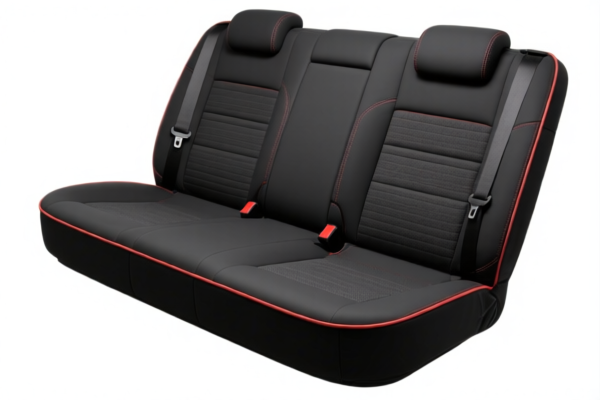
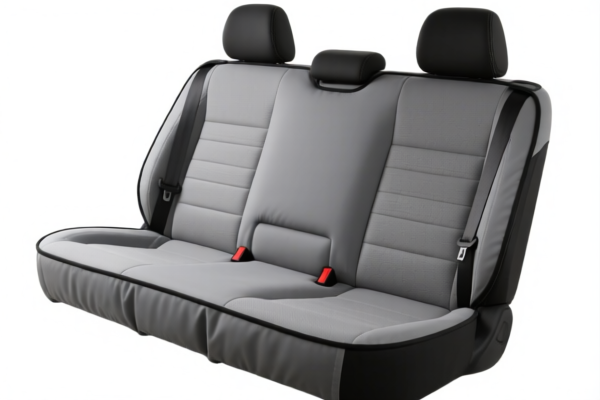
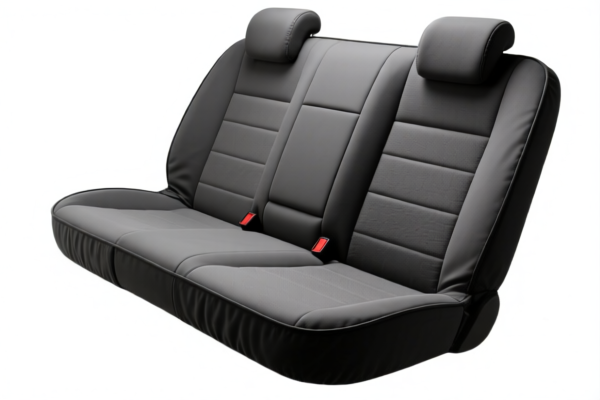
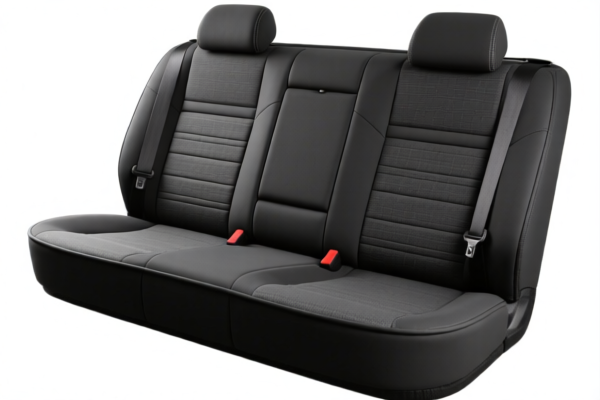
AI Analysis
🚗 Car Seat Covers and Protective Pads (Vehicle Interior Accessories)
🌐 HS Code Reference & Clearance Guide | 2026 Latest Tariff Analysis | Professional Customs Strategy
📌 Part 1: Product Definition & Classification – Do You Really Know What “Seat Cover” Is?
Car seat covers and protective pads are essential interior accessories for vehicles, designed to protect original upholstery, enhance comfort, or improve aesthetics. In international trade, their classification depends heavily on material composition, degree of processing (finished vs. semi-finished), and specific intended use.
There is no single HS code for “seat covers.” Instead, customs authorities categorize them based on whether they are considered parts of seating (HS Chapter 94) or general textile/plastic products (HS Chapters 63, 39).
⚠️ Key Distinction Point:
- If the item is a finished, shaped part specifically designed for an auto seat and made of textile/materials matching seat parts → Likely HS 9401.99.10.x0
- If the item is a generic pad/protection made of textiles (not specifically shaped as a seat part) → Likely HS 6307.90.98.x7/x1
- If the item is made of plastics/synthetic fibers acting as a body accessory → Likely HS 3926.30.50.00
📦 Part 2: Detailed HS Code Classification (2026 Tariff Authority Comparison)
The data provided identifies four potential HS codes for this product, depending on precise material and form. Here is the breakdown:
| HS Code | Product Description | Application Scenario | Material/Form Logic |
|---|---|---|---|
9401.99.10.20 |
Auto seat cover matched as a seat part; formed shape, textile material classification | OEM-style fitted seat covers, automotive interior parts | ✅ Specific Use: Defined as a part of a seat (HS 9401), textile-based, already formed. |
9401.99.10.85 |
Auto seat cover as seat part; material unspecified, classified under "other" non-leather/non-textile cut parts | Generic seat covers where material is not explicitly textile or leather | ⚠️ Ambiguous: Used when material is unclear but function is clearly a seat part. |
6307.90.98.87 |
Vehicle seat cover/pad; protective pad form, inferred textile material, other made-up article | Aftermarket protective pads, non-fitted covers, generic textile pads | ✅ General Textile: Classified as a "pad" or protective item under general textiles, not specifically as a seat part. |
6307.90.98.91 |
Vehicle seat cover/pad; finished product, textile/synthetic material, fallback category | General textile finished goods used for protection, no specific "seat part" designation | ✅ Fallback: Generic finished textile goods used for vehicle protection. |
3926.30.50.00 |
Vehicle seat cover/pad as body accessory; plastic or synthetic fiber made, other plastic articles | Plastic-coated covers, vinyl seats, synthetic rubber pads | ✅ Plastic: Classified under plastics if the primary material is synthetic/plastic rather than fabric. |
🔍 Critical Reminder:
- HS 9401 codes (9401.99.10.x0) generally attract lower base tariffs because they are recognized as specific parts of furniture/vehicles.
- HS 6307 and 3926 codes attract higher base tariffs because they are classified as general manufactured goods (textiles/plastics), not specific vehicle parts.
- Material Evidence is Key: Customs will require proof of material (textile vs. plastic) to decide between these chapters.
💰 Part 3: 2026 Latest Tariff Rate Breakdown (Including Surcharges)
✅ Applicable Country: United States (US)
✅ Origin: China (CN)
✅ Effective Date: 2025/2026 (Based on provided data structure)
🎯 1. HS Code 9401.99.10.20 & 9401.99.10.85
Scenario: Classified as Auto Seat Parts (Textile/General)
| Item | Detail |
|---|---|
| Base Tariff | 0.0% (Ad Valorem) |
| Section 301 Surcharge | +7.5% |
| 122 Clause Tariff | +10.0% |
| Total Effective Tax Rate | 17.5% |
| Calculation Basis | CIF Value × 17.5% |
| De Minimis Exemption | ❌ Not Applicable (Likely denied due to 122/301 clauses) |
| Legal Path | Base Tariff → Section 301 (7.5%) → 122 Clause (10%) |
📌 Explanation:
- These codes benefit from a 0% base tariff because they are recognized as parts of seats (HS 9401).
- However, they are still subject to Section 301 (7.5%) and 122 Clause (10%) surcharges due to Chinese origin.
- Total Cost Impact: 17.5% is significantly lower than the alternative textile/plastic classifications.
🎯 2. HS Code 6307.90.98.87 & 6307.90.98.91
Scenario: Classified as General Textile Pads/Finished Goods
| Item | Detail |
|---|---|
| Base Tariff | 7.0% (Ad Valorem) |
| Section 301 Surcharge | +7.5% |
| 122 Clause Tariff | +10.0% |
| Total Effective Tax Rate | 24.5% |
| Calculation Basis | CIF Value × 24.5% |
| De Minimis Exemption | ❌ Not Applicable |
| Legal Path | Base Tariff → Section 301 (7.5%) → 122 Clause (10%) |
📌 Explanation:
- These codes incur a 7% base tariff because they are classified as general textile articles, not specific vehicle parts.
- The surcharges remain the same (17.5% total surcharge).
- Total Cost Impact: 24.5% is 7% higher than the HS 9401 classification. This is a critical cost difference for high-volume shipments.
🎯 3. HS Code 3926.30.50.00
Scenario: Classified as Plastic/Synthetic Accessories
| Item | Detail |
|---|---|
| Base Tariff | 5.3% (Ad Valorem) |
| Section 301 Surcharge | +7.5% |
| 122 Clause Tariff | +10.0% |
| Total Effective Tax Rate | 22.8% |
| Calculation Basis | CIF Value × 22.8% |
| De Minimis Exemption | ❌ Not Applicable |
| Legal Path | Base Tariff → Section 301 (7.5%) → 122 Clause (10%) |
📌 Explanation:
- If the seat cover is made of vinyl, plastic, or synthetic leather, it falls under Chapter 39.
- Base tariff is 5.3%, leading to a total of 22.8%.
- This is cheaper than textile pads (24.5%) but more expensive than recognized seat parts (17.5%).
🛠️ Part 4: Customs Clearance Practical Advice (Battle-Tested Pitfall Guide)
✅ 1. Documentation Checklist (Essential for Accurate Classification)
| Document | Required? | Purpose |
|---|---|---|
| ✅ Product Specification Sheet | ✔️ | Clearly state material composition (e.g., 100% Polyester, PVC-coated, Leather). |
| ✅ Photos of Product | ✔️ | Show shape and fit. Does it look like a specific seat part (headrest, lumbar) or a generic pad? |
| ✅ Commercial Invoice | ✔️ | Description should match HS code logic. E.g., “Seat Cover Part” vs. “Textile Pad.” |
| ✅ Bill of Lading / Packing List | ✔️ | Ensure consistency in quantity and weight. |
| ✅ Material Test Report | ✔️ | If disputed by customs, provide proof of material (Textile vs. Plastic). |
✅ 2. Declaration Tips (Critical for Cost Optimization)
🔥 “Define Part vs. Product: Shape Matters, Material Decides!”
| Situation | Correct Declaration Strategy | Incorrect Strategy (Risk!) |
|---|---|---|
| OEM Fitted Seat Covers | Use 9401.99.10.20Label as “Auto Seat Cover Part” |
Label as “Textile Pad” → Tax jumps to 24.5% |
| Generic Cloth Pads | Use 6307.90.98.87Label as “Protective Textile Pad” |
Claim as “Seat Part” without proof → Customs Audit/Rejection |
| Vinyl/Plastic Covers | Use 3926.30.50.00Label as “Plastic Vehicle Accessory” |
Label as “Textile” → Misclassification Penalty |
| Unspecified Material | Use 9401.99.10.85Label as “Seat Part, Material TBD” |
Ambiguous description → Delay in Release |
✅ 3. Special Handling
| Scenario | Recommendation |
|---|---|
| Mixed Materials (e.g., Fabric + Leather + Plastic) | Classify based on principal material or function. If >50% textile and shaped as seat part, prefer 9401. |
| Unfinished Pieces (Cut fabric, not sewn) | May fall under Chapter 63 or 62, not 9401. Ensure they are finished goods for seat classification. |
| Bundled Sales (Seat Cover + Seat Cushion) | Declare separately if possible. Seat covers as 9401, cushions as 9404 or 6307. Do not lump into one vague description. |
🌍 Part 5: Global Market Comparison (2026 Outlook)
| Region | Likely HS Code | Est. Total Tax (China Origin) | Notes |
|---|---|---|---|
| 🇺🇸 USA | 9401.99.10.20 |
17.5% | Best rate if declared as part. |
| 🇺🇸 USA | 6307.90.98.87 |
24.5% | Higher due to textile base rate. |
| 🇨🇳 China | 9401.99.10.20 |
Varies | Import tariffs into China differ; check local FTA. |
| 🇪🇺 EU | 9401.99.00 |
Varies | EU does not have Section 301/122, but has standard MFN rates. |
📌 Conclusion for US Importers:
- Strategic Goal: Always aim for HS 9401.99.10.20 if the product is clearly a seat part.
- Cost Saving: Avoid HS 6307 unless the product is genuinely a generic textile pad. The 7% base tariff difference adds significant cost at scale.
📌 Part 6: Common Errors & Pitfalls (Lessons Learned)
❌ Error 1: Calling a generic cloth pad a “Car Seat Cover” to get the lower 17.5% rate.
👉 Risk: Customs may reclassify it as 6307 (24.5%) + penalties if it lacks specific seat-part shaping.
❌ Error 2: Declaring a plastic/vinyl cover as “Textile.”
👉 Risk: Misclassification under 6307 (24.5%) instead of 3926 (22.8%). While the difference is small, inaccuracy leads to audits.
❌ Error 3: Ignoring the 122 Clause (10%).
👉 Risk: Many importers forget this surcharge. It applies to all these codes if originating from China. Budget for 10% extra.
✅ Correct Practice:
“Auto Seat Cover, Textile, Shaped for Specific Vehicle Model, Model XYZ, 100% Polyester” → Use
9401.99.10.20
🎯 Part 7: Conclusion – Precision Classifies, Cost Savings Follow
🎯 Memory Aid:
🔹 “Part vs. Product: 9401 is King, 6307 is Costly.”
🔹 “Material Matters: Plastic is 22.8%, Textile Pad is 24.5%, Seat Part is 17.5%.”
🔹 “122 Clause Hits Everyone: Add 10% to your base.”
📌 Pro Tip:
If your seat covers are custom-fitted for a specific car model (e.g., Toyota Camry 2025), emphasize “Specific Fit” and “Part of Seat” in your invoice and description. This strongly supports classification under HS 9401.99.10.20, saving you 7% in base tariffs compared to generic textile pads.
📣 Immediate Action:
📞 Consult Customs Broker: Provide material specs and photos.
🚀 Pre-Arrival Ruling: Consider applying for an Advance Ruling for high-volume SKUs to lock in the 17.5% rate.
✨ Professional Clearance Starts with Accurate Classification!
💼 Don’t let a 7% difference eat your profit margin!
Customer Reviews
About HS Code Classification
The Harmonized System (HS) is an internationally standardized nomenclature developed by the World Customs Organization (WCO) to classify traded products. Over 200 countries use the HS system as the basis for customs tariffs, trade statistics, and import/export regulations.
Each HS code follows a hierarchical structure:
- Chapter (2 digits) — Broad category of goods (e.g., Chapter 84: Machinery and Mechanical Appliances)
- Heading (4 digits) — More specific grouping within the chapter
- Subheading (6 digits) — Internationally standardized breakdown, used by all WCO member countries
- National subdivisions (8-10 digits) — Country-specific extensions for further classification, such as US HTSUS 10-digit codes
Correct HS code classification is essential for smooth customs clearance, accurate duty payment, and compliance with trade regulations. Misclassification can lead to customs delays, overpayment of duties, or penalties.
When importing from CN to US, the applicable tariff rates may include:
- Most-Favored-Nation (MFN) rate — The standard duty rate applied to WTO members
- General rate — Applied to countries without trade agreements
- Trade remedy duties — Additional tariffs such as Section 301 (anti-dumping), Section 232 (national security), or countervailing duties
The information provided on this page is for reference purposes only. For official classification, please consult with your local customs authority or a licensed customs broker.