Car Seat Cushion
CN → US| HS Code | Tariff Rate | Origin | Destination | Doc |
|---|---|---|---|---|
| 3926305000 | 22.8% | CN | US | Official Doc |
| 6307909891 | 24.5% | CN | US | Official Doc |
| 6307909885 | 24.5% | CN | US | Official Doc |
| 9404902090 | 23.5% | CN | US | Official Doc |
| 9404909605 | 17.3% | CN | US | Official Doc |
Product Images
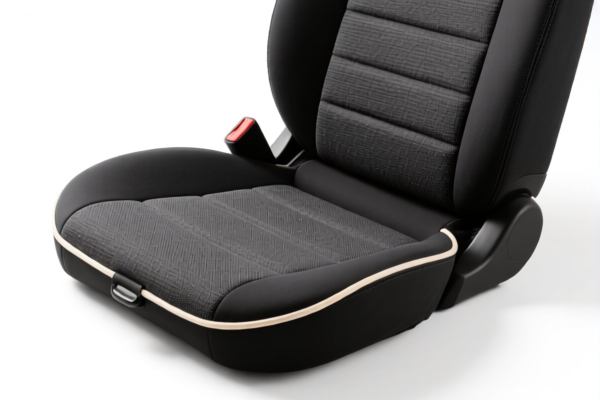
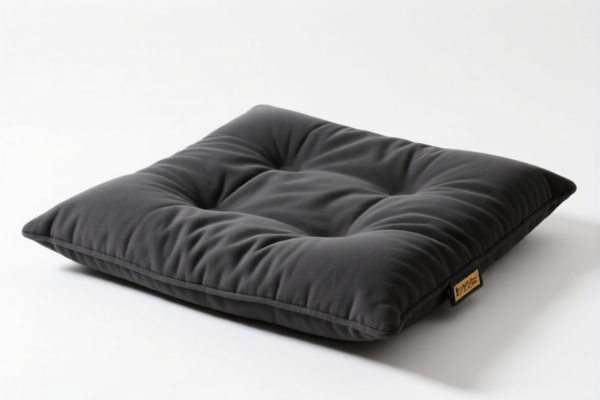
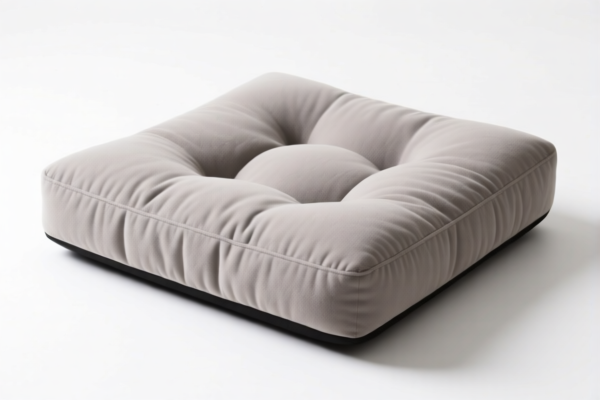
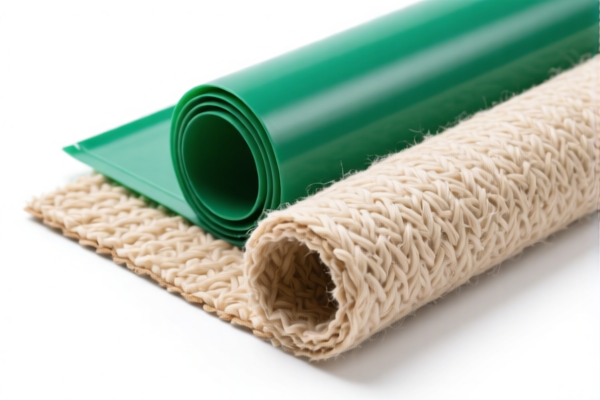
AI Analysis
🛋️ Car Seat Cushion (Vehicle Seat Pads)
🌐 HS Code Reference & Clearance Guide | 2026 Tax Regime Full Analysis | Professional Customs Strategy
📌 1. Product Definition & Classification: Do You Really Understand "Seat Cushions"?
A Car Seat Cushion is a finished accessory designed to enhance comfort, provide lumbar support, or protect vehicle seats. In international trade, its classification depends on material composition, finish state (finished vs. unfinished), and specific use.
Key distinctions drive the classification: * Plastic/Synthetic Composition: If the cushion is made of molded plastic, foam, or synthetic materials, it often falls under Plastic Articles or Furniture Accessories. * Textile Composition: If made of fabric (cotton, polyester) with filling (foam, sponge), it is often classified as Other Made-Up Articles or Bedding/Furniture Fillings. * Form & Function: Is it a standalone finished product (e.g., a pillow-like insert) or a component attached to a seat?
⚠️ Critical Classification Factors:
- Material: Plastic vs. Textile vs. Composite?
- Usage: Automotive furniture accessory vs. General bedding/furniture item?
- State: Finished product (ready to use) vs. Unfinished part?
📦 2. HS Code Classification Breakdown (2026 Tariff Schedule)
Based on the provided data, here are the four primary classification options for Car Seat Cushions, along with their specific tax implications.
| HS Code | Product Description | Matching Logic | Total Tax Rate |
|---|---|---|---|
3926.30.50.00 |
Plastic/Synthetic Seat Pads (Finished/Parts) | Matches "Other Plastic Articles" (Material) & "Furniture/Automotive Attachments" (Use). Fits the "Other" fallback category with no material conflict. | 22.8% |
6307.90.98.91 |
Other Made-Up Textile/Non-Textile Articles | Fits "Finished Articles" (形态). As a generic "Other" category, it defaults to this classification if no specific material conflict exists. | 24.5% |
6307.90.98.85 |
Fibrous/Textile Seat Pads (Cushion Type) | Matches "Cushion/Furniture Accessory" form. Based on common sense, inferred to be Cotton/Fiber-based with no material conflict. | 24.5% |
9404.90.20.90 |
Pillows & Similar Upholstered Fittings | "Seat Cushion" falls under "Pillows & Similar Articles." Inferred to have foam/filling material, matching the "Other" category logic for bedding/furniture. | 23.5% |
9404.90.96.05 |
Bedding/Furniture Fittings (Low Tax Option) | Matches "Furniture/Beds" category. Inferred casing material (Cotton/Non-conflicting) fits the fallback logic. Note: Lowest tariff. | 17.3% |
🔍 Key Insight:
-3926.30.50.00is ideal for hard/plastic or synthetic foam automotive parts.
-6307codes are for textile/fabric cushions that don't fit specific mattress/pillow categories.
-9404codes are best for soft, filled cushions resembling pillows or bedding.
-9404.90.96.05offers the lowest base duty (7.3%) but requires strong material justification (e.g., cotton casing).
💰 3. 2026 Latest Duty Rate Details (Including Surcharges & Policy Add-ons)
✅ Applicable Market: United States (US)
✅ Origin: China (CN)
✅ Effective Date: November 10, 2025 (Current & Future Imports)
🎯 A. Plastic/Synthetic Category (3926.30.50.00)
| Item | Details |
|---|---|
| Base Duty | 5.3% |
| Section 301 Additional Duty | +7.5% (Standard US-China surcharge) |
| Section 122 Duty | +10.0% (New strategic tariff) |
| Total Duty | 22.8% |
| Tax Calculation | CIF Value × 22.8% |
| De Minimis Exemption | ❌ NO (High-risk category for direct-to-consumer shipments) |
| Legal Path | Section 301 → Section 122 → HTSUS 3926.30.50.00 |
📌 Explanation:
- This category carries a 22.8% total tax burden.
- The Section 122 (10%) is a specific surcharge applied to certain Chinese manufacturing goods, significantly increasing costs for plastic-based automotive accessories.
🎯 B. Textile/General "Other" Categories (6307.90.98.91 & 6307.90.98.85)
| Item | Details |
|---|---|
| Base Duty | 7.0% |
| Section 301 Additional Duty | +7.5% |
| Section 122 Duty | +10.0% |
| Total Duty | 24.5% |
| Tax Calculation | CIF Value × 24.5% |
| De Minimis Exemption | ❌ NO |
| Legal Path | Section 301 → Section 122 → HTSUS 6307.90.98.xx |
📌 Explanation:
- Textile-based seat cushions face the highest total tax rate (24.5%) due to the combination of base duty and the Section 122 surcharge.
- Both sub-codes (.91and.85) are treated identically in terms of tax surcharge.
🎯 C. Pillows & Furniture Fillings (9404.90.20.90)
| Item | Details |
|---|---|
| Base Duty | 6.0% |
| Section 301 Additional Duty | +7.5% |
| Section 122 Duty | +10.0% |
| Total Duty | 23.5% |
| Tax Calculation | CIF Value × 23.5% |
| De Minimis Exemption | ❌ NO |
| Legal Path | Section 301 → Section 122 → HTSUS 9404.90.20.90 |
📌 Explanation:
- Classifying as a "Pillow" or "Upholstered Fitting" reduces the base duty slightly (6.0%) compared to textiles, but the Section 122 surcharge keeps the total high at 23.5%.
🎯 D. The "Low-Tax" Option (9404.90.96.05)
| Item | Details |
|---|---|
| Base Duty | 7.3% |
| Section 301 Additional Duty | 0.0% (Crucial Difference!) |
| Section 122 Duty | +10.0% |
| Total Duty | 17.3% |
| Tax Calculation | CIF Value × 17.3% |
| De Minimis Exemption | ❌ NO |
| Legal Path | Section 122 → HTSUS 9404.90.96.05 |
📌 Explanation:
- This is the most cost-effective classification at 17.3%.
- Why? It benefits from a 0% Section 301 surcharge.
- Risk: You must prove the product fits the "Bedding/Furniture" definition perfectly (e.g., specific fabric content, usage as a bedding accessory) to avoid reclassification penalties.
🛠️ 4. Practical Clearance Advice (Avoiding Pitfalls)
✅ 1. Documentation Checklist (Non-Negotiable)
| Document | Requirement | Why It Matters |
|---|---|---|
| Product Specification Sheet | ✔️ Mandatory | Must detail material composition (e.g., "100% Polyester with Polyurethane Foam"). |
| Material Declaration | ✔️ Mandatory | Crucial for distinguishing between 3926 (Plastic) vs 6307 (Textile) vs 9404 (Fillings). |
| Product Photos (Labeled) | ✔️ Mandatory | Show the full cushion, seams, tags, and internal filling if visible. |
| Bill of Lading | ✔️ Mandatory | Accurate weight/description to match HS Code. |
| Commercial Invoice | ✔️ Mandatory | Must clearly state "Car Seat Cushion" and avoid ambiguous terms like "Furniture Part" unless correct. |
| Country of Origin Cert. | ✔️ Mandatory | Required to verify "Made in China" status for Section 122 calculation. |
✅ 2. Classification Strategy & Tax Optimization
🔥 "Material First, Usage Second, Section 122 Third!"
| Scenario | Recommended HS Code | Tax Rate | Risk Level |
|---|---|---|---|
| Hard Plastic/Molded Foam Cushions | 3926.30.50.00 |
22.8% | 🟢 Low (Clear Material) |
| Fabric Cushions (Standard) | 6307.90.98.91 |
24.5% | 🟢 Medium |
| Fabric Cushions (Cotton/Fiber) | 6307.90.98.85 |
24.5% | 🟢 Medium |
| Soft Pillows/Filled Inserts | 9404.90.20.90 |
23.5% | 🟡 Medium |
| Bedding-Style Cushions (Cotton) | 9404.90.96.05 |
17.3% | 🟠 High (Requires Proof) |
Strategy:
- If the cushion is plastic or synthetic, stick to 3926.
- If it is textile, try to justify 9404.90.96.05 (Bedding/Furniture) to save 7.2% vs. the 6307 codes.
- Warning: Misclassifying a plastic cushion as 9404 (textile/bedding) can lead to seizure, fines, and 24.5% retroactive taxes.
✅ 3. Special Handling Scenarios
| Situation | Advice |
|---|---|
| Mixed Materials (Fabric + Foam) | Declare the primary material (usually fabric). If foam >50% by volume, might lean towards 9404. |
| OEM for Car Manufacturers | If sold as a "Seat Assembly Component" (not a consumer cushion), 3926 is safer. |
| Retail vs. B2B | B2B bulk shipments may face stricter scrutiny on Section 122 applicability. |
| Section 122 Exemption? | Currently, NO exemptions exist for 122 clauses on these categories. Plan for the full 10% surcharge. |
🌍 5. Global Market Comparison (2026 Outlook)
| Region | Recommended HS Code | Estimated Total Duty | Key Requirement |
|---|---|---|---|
| 🇺🇸 USA | 9404.90.96.05 |
17.3% (Best Option) | Section 122 applies. Strict material proof. |
| 🇨🇳 China | 3926.30.50.00 |
~5% (Base) | No Section 122. |
| 🇪🇺 EU | 9404.90.96.05 |
~0-6% | CE/REACH compliance needed. |
| 🇯🇵 Japan | 9404.90.20.90 |
~0-5% | PSE safety standards. |
📌 Conclusion:
- The US market is the most critical due to Section 122 (10%) and Section 301 (7.5%) surcharges.
-9404.90.96.05is the golden ticket for cost savings in the US, but it requires robust documentation proving the product is a "bedding/furniture accessory" rather than a "general textile article."
📌 6. Common Errors & Pitfalls (Learn from Mistakes)
❌ Mistake 1: Claiming 9404 for a Plastic/Molded cushion.
👉 Consequence: Customs reclassifies to 3926 + 22.8% tax + Penalty.
❌ Mistake 2: Declaring 6307 when the product is clearly a Pillow/Filled Item.
👉 Consequence: Missing the 17.3% opportunity under 9404.90.96.05.
❌ Mistake 3: Ignoring Section 122 in cost calculations.
👉 Consequence: Underestimating landed cost by 10% on top of Section 301.
❌ Mistake 4: Using vague terms like "Seat Accessory" in the invoice.
👉 Consequence: Customs holds shipment for "Missing Product Description."
✅ Best Practice:
"Seat Cushion, 16x16 inches, 100% Polyester Cover, Polyurethane Foam Fill, Bedding/Comfort Accessory."
Target HS Code:9404.90.96.05
🎯 7. Conclusion: Precision is Profit!
🎯 Remember the Golden Rules:
🔹 "Material Dictates Category, Usage Dictates Tax."
🔹 "Section 122 (10%) is unavoidable for most, but Section 301 (7.5%) can be avoided with the right9404code."
🔹 "9404.90.96.05saves 7.2% tax if you can prove it's bedding/furniture related!"
📌 Pro Tip:
If your product is 100% cotton and filled with down/feather/foam, aggressively argue for 9404.90.96.05.
If it is synthetic or plastic, prepare for 22.8% and optimize logistics elsewhere.
📣 Next Steps:
📞 Consult a Customs Broker to review your product's material spec sheet.
📄 Request an Advance Ruling from US Customs (CBP) for9404.90.96.05if eligible.
🚀 Secure your supply chain before the next tariff wave!
✨ Professional Customs Clearance Starts with the Right HS Code!
💼 Every 1% tax saved is pure profit!
Customer Reviews
About HS Code Classification
The Harmonized System (HS) is an internationally standardized nomenclature developed by the World Customs Organization (WCO) to classify traded products. Over 200 countries use the HS system as the basis for customs tariffs, trade statistics, and import/export regulations.
Each HS code follows a hierarchical structure:
- Chapter (2 digits) — Broad category of goods (e.g., Chapter 84: Machinery and Mechanical Appliances)
- Heading (4 digits) — More specific grouping within the chapter
- Subheading (6 digits) — Internationally standardized breakdown, used by all WCO member countries
- National subdivisions (8-10 digits) — Country-specific extensions for further classification, such as US HTSUS 10-digit codes
Correct HS code classification is essential for smooth customs clearance, accurate duty payment, and compliance with trade regulations. Misclassification can lead to customs delays, overpayment of duties, or penalties.
When importing from CN to US, the applicable tariff rates may include:
- Most-Favored-Nation (MFN) rate — The standard duty rate applied to WTO members
- General rate — Applied to countries without trade agreements
- Trade remedy duties — Additional tariffs such as Section 301 (anti-dumping), Section 232 (national security), or countervailing duties
The information provided on this page is for reference purposes only. For official classification, please consult with your local customs authority or a licensed customs broker.