Car Seat Dining Table Tray
CN → US| HS Code | Tariff Rate | Origin | Destination | Doc |
|---|---|---|---|---|
| 6911103510 | 43.5% | CN | US | Official Doc |
| 3924104000 | 13.4% | CN | US | Official Doc |
| 6912003910 | 14.5% | CN | US | Official Doc |
| 6911103710 | 25.5% | CN | US | Official Doc |
| 6912003510 | 19.8% | CN | US | Official Doc |
Product Images
AI Analysis
🍼 Car Seat Dining Table Tray (Portable High Chair Tray)
🌐 HS Code Reference & Customs Clearance Guide | 2026 Latest Tariff Analysis | Professional Clearance Strategy
📌 I. Product Definition & Classification: Do You Really Understand the "Car Seat Tray"?
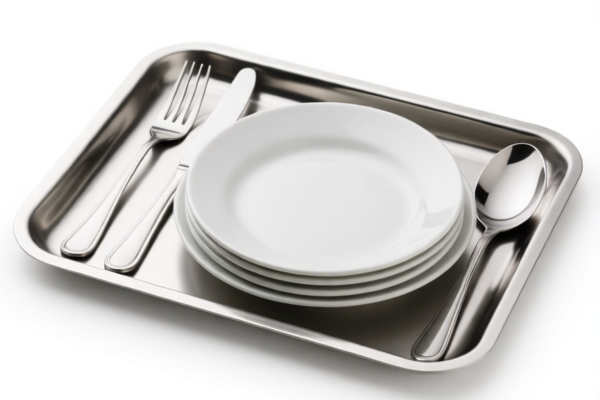
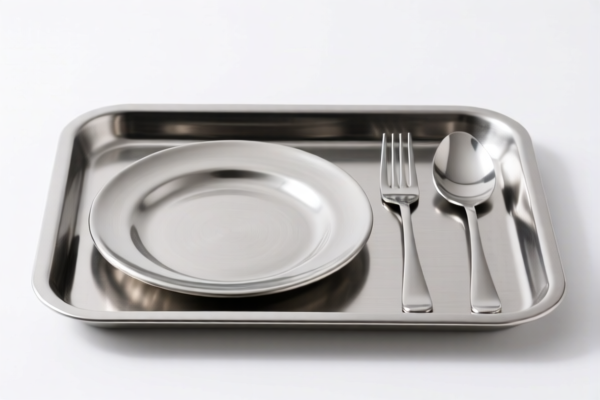
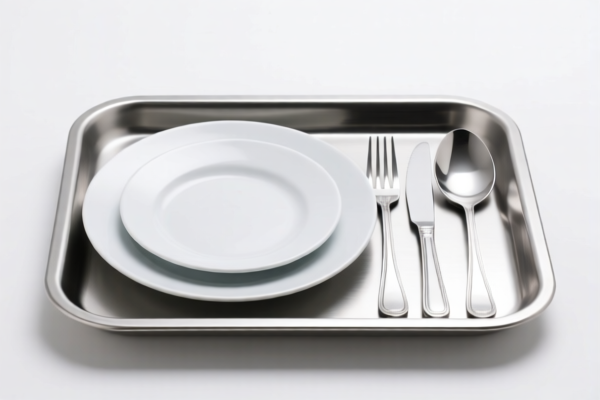
The Car Seat Dining Table Tray is a versatile accessory designed for babies and toddlers, serving as a portable high chair or a dining surface attached to car seats/strollers. In international trade, the classification hinges critically on Material Composition, as the functionality (dining) is common across multiple material types.
Key Material Distinctions: - Ceramic (Porcelain): Hard, glossy, brittle, traditional dishware material. - Plastic (Polymer) Lightweight, durable, impact-resistant, common for baby products. - Other Ceramics (Non-Porcelain) Includes stoneware, earthenware, or bone china variants that do not meet the strict definition of "porcelain" in HS codes.
⚠️ Critical Classification Point:
- If the tray is made of Porcelain →归类 to 6911 (Tableware of porcelain).
- If the tray is made of Plastic → 归类 to 3924 (Tableware of plastics).
- If the tray is made of Other Ceramics (e.g., Stoneware) → 归类 to 6912 (Tableware of other ceramic materials).
📦 II. HS Code Classification Details (2026 Latest Tariff Authority Comparison)
| HS Code | Product Description | Applicable Scenario | Material |
|---|---|---|---|
6911.10.35.10 |
Tableware, kitchenware, other household articles of porcelain, shaped, printed, hand-decorated | Porcelain trays, often hand-painted or decorative, high-end baby ware | ✅ Porcelain |
3924.10.40.00 |
Tableware and kitchenware, of plastics | Plastic feeding trays, lightweight, durable, common for travel/cars | ✅ Plastic |
6912.00.39.10 |
Tableware of other ceramic materials, shaped, printed, hand-decorated | Stoneware or earthenware trays, non-porcelain ceramic | ✅ Other Ceramic |
6911.10.37.10 |
Tableware of porcelain, shaped, not printed, not hand-decorated | Plain porcelain trays, simple design, mass-produced | ✅ Porcelain |
6912.00.35.10 |
Tableware of other ceramic materials, shaped, not printed, not hand-decorated | Plain stoneware/earthenware trays, simple design | ✅ Other Ceramic |
🔍 Key Reminder:
- Plastic trays are the most common for "car seat" applications due to safety (shatterproof) and weight. Misclassifying plastic as ceramic can lead to significant tariff penalties. - Porcelain trays are less common for car seats due to brittleness but exist in the "home dining" subset. - "Other Ceramics" cover materials that are ceramic but not strictly "porcelain" (e.g., earthenware).
💰 III. 2026 Latest Tariff Rate Details (Including Additional Taxes, Policy Surcharges)
✅ Applicable Country: United States (US)
✅ Country of Origin: China (CN)
✅ Effective Date: November 10, 2025 onwards (including subsequent imports)
🎯 1. 6911.10.35.10 —— Porcelain Tableware, Hand-Decorated/Shaped
| Item | Content |
|---|---|
| Base Tariff | 26.0% (ad valorem) |
| Section 301 Surcharge | 7.5% (USITC Footnote 9903.88.01) |
| Section 122 Tariff | 10.0% (Trade remedy tariff) |
| Total Rate | 43.5% |
| Tax Calculation | CIF Value × 43.5% |
| De Minimis Eligibility | ❌ No (deny_de_minimis) |
| Legal Basis Path | USITC:6911.10.35.10 → 301:7.5% → 122:10% |
📌 Explanation:
- Porcelain tableware carries a high base tariff (26%). - Section 301 adds 7.5%, and Section 122 (a specific trade remedy) adds 10%. - Total 43.5% is extremely high. This class is typically for high-end, decorative porcelain baby sets, not utilitarian plastic trays.
🎯 2. 3924.10.40.00 —— Plastic Tableware (Most Common for Car Seat Trays)
| Item | Content |
|---|---|
| Base Tariff | 3.4% (ad valorem) |
| Section 301 Surcharge | 0.0% (Exempted or not applicable for this subheading) |
| Section 122 Tariff | 10.0% |
| Total Rate | 13.4% |
| Tax Calculation | CIF Value × 13.4% |
| De Minimis Eligibility | ❌ No (deny_de_minimis) |
| Legal Basis Path | USITC:3924.10.40.00 → 122:10% |
📌 Explanation:
- Lowest tax burden among the options. - Plastic tableware has a low base rate (3.4%). - Section 301 does not apply (0%), which is a significant advantage. - Section 122 adds 10%, resulting in 13.4%. - Recommendation: If the product is plastic, this is the optimal classification.
🎯 3. 6912.00.39.10 —— Other Ceramic Tableware, Hand-Decorated
| Item | Content |
|---|---|
| Base Tariff | 4.5% (ad valorem) |
| Section 301 Surcharge | 0.0% |
| Section 122 Tariff | 10.0% |
| Total Rate | 14.5% |
| Tax Calculation | CIF Value × 14.5% |
| De Minimis Eligibility | ❌ No (deny_de_minimis) |
| Legal Basis Path | USITC:6912.00.39.10 → 122:10% |
📌 Explanation:
- "Other ceramics" (stoneware/earthenware) have a lower base tariff than porcelain (4.5% vs 26%). - Section 301 does not apply. - Section 122 adds 10%, totaling 14.5%. - Suitable for durable, non-porcelain ceramic trays.
🎯 4. 6911.10.37.10 —— Porcelain Tableware, Not Printed/Decorated
| Item | Content |
|---|---|
| Base Tariff | 8.0% (ad valorem) |
| Section 301 Surcharge | 7.5% |
| Section 122 Tariff | 10.0% |
| Total Rate | 25.5% |
| Tax Calculation | CIF Value × 25.5% |
| De Minimis Eligibility | ❌ No (deny_de_minimis) |
| Legal Basis Path | USITC:6911.10.37.10 → 301:7.5% → 122:10% |
📌 Explanation:
- Plain porcelain has a lower base tariff (8%) than decorated porcelain (26%). - However, Section 301 (7.5%) and Section 122 (10%) still apply. - Total 25.5% is moderate-high. Still significantly more expensive than plastic.
🎯 5. 6912.00.35.10 —— Other Ceramic Tableware, Not Printed/Decorated
| Item | Content |
|---|---|
| Base Tariff | 9.8% (ad valorem) |
| Section 301 Surcharge | 0.0% |
| Section 122 Tariff | 10.0% |
| Total Rate | 19.8% |
| Tax Calculation | CIF Value × 19.8% |
| De Minimis Eligibility | ❌ No (deny_de_minimis) |
| Legal Basis Path | USITC:6912.00.35.10 → 122:10% |
📌 Explanation:
- Plain stoneware/earthenware. - Base tariff is 9.8%. - Section 301 does not apply. - Section 122 adds 10%, totaling 19.8%. - More expensive than plastic (13.4%) but cheaper than decorated ceramics.
🛠️ IV. Customs Clearance Practical Advice (Real-World Pitfall Guide)
✅ 1. Documentation Checklist (Essential)
| Document | Required | Description |
|---|---|---|
| ✅ Product Specifications | ✔️ | Must clearly state Material (Plastic, Porcelain, Stoneware), Dimensions, Weight. |
| ✅ Material Test Report | ✔️ | FDA Compliance (for food contact), BPA-Free certification (for plastic), Lead/Cadmode test (for ceramic). |
| ✅ Product Photos | ✔️ | Clear images of the tray, showing no sharp edges, and any branding. |
| ✅ Commercial Invoice | ✔️ | Must accurately describe the item as "Plastic/Ceramic Table Tray for Car Seat/High Chair". Avoid vague terms like "Accessories". |
| ✅ Packing List | ✔️ | Detail gross/net weight and dimensions. |
| ✅ Origin Certificate | ✔️ | If claiming exemptions elsewhere (not applicable for US CN origin here). |
✅ 2. Declaration Tips (Key Mantra)
🔥 “Material First, Function Second; Plastic Wins, Porcelain Burns!”
| Scenario | Correct Declaration | Wrong Practice |
|---|---|---|
| Plastic Tray | 3924.10.40.00 Description: "Plastic Feeding Tray, BPA-Free, for Car Seat" |
Misdeclare as "Ceramic" → Tax Jump from 13.4% to 43.5%! |
| Porcelain Tray | 6911.10.35.10 or 6911.10.37.10 Description: "Porcelain Dining Tray, Decorated/Plain" |
Misdeclare as "Plastic" → Penalty + Back Taxes |
| Stoneware/Earthenware | 6912.00.39.10 or 6912.00.35.10 |
Misdeclare as "Plastic" → Penalty |
| Mixed Materials | Declare main component | If frame is metal and tray is plastic, consult for composite rules |
✅ 3. Special Cases
| Case | Handling Advice |
|---|---|
| OEM Custom Plastic Trays | Provide mold drawings and material certs (FDA/LFGB) to prove it's food-grade plastic. |
| Ceramic Trays with Plastic Parts | Classification depends on essential character. If ceramic part is dominant, classify as ceramic. |
| Foldable Trays | Still classified by material. Foldability is a design feature, not a classification factor. |
| Baby Products Safety | Ensure all materials meet CPSIA (Consumer Product Safety Improvement Act) if marketed for children under 12. |
🌍 V. Global Market Comparison (2026 Latest)
| Country/Region | Recommended HS Code (Plastic) | Tariff | Certification | Notes |
|---|---|---|---|---|
| 🇺🇸 USA | 3924.10.40.00 |
13.4% | FDA + CPSIA | Highest base rate due to Section 122. |
| 🇨🇳 China | 3924.10.40.00 |
5% | CCC (if applicable) | Low tariff, easy clearance. |
| 🇪🇺 EU | 3924.10.40.00 |
0% | CE + LFGB | No duty for plastic tableware. |
| 🇬🇧 UK | 3924.10.40.00 |
0% | UKCA + LFGB | Post-Brexit zero tariff for many plastics. |
| 🇦🇺 Australia | 3924.10.40.00 |
5% | SAA + LFGB | Low duty, strict safety standards. |
📌 Conclusion:
- USA is the most challenging market due to Section 122 (10%) and lack of Section 301 exemption for this specific plastic subheading. - Plastic remains the most cost-effective material for tariffs compared to Porcelain (43.5%). - European Markets offer zero or low tariffs, making them more attractive for high-volume sales.
📌 VI. Common Mistakes & Pitfall Guide (Blood-Learnings)
❌ Mistake 1: Declaring a Plastic Tray as Porcelain to "sound premium"
👉 Consequence: Tariff jumps from 13.4% to 43.5%. You pay nearly 3x more!
❌ Mistake 2: Declaring a Porcelain Tray as Plastic to save tax
👉 Consequence: Customs inspection reveals material mismatch. Seizure + Fine + Legal Action.
❌ Mistake 3: Not declaring FDA/LFGB Compliance
👉 Consequence: Product rejected at border for food safety non-compliance. Return or Destroy.
❌ Mistake 4: Vague Description ("Baby Accessory")
👉 Consequence: Customs assigns a "catch-all" code, often leading to higher duties or delays.
✅ Correct Practice:
"Plastic Dining Tray for Car Seat, BPA-Free, FDA Compliant, Model XYZ, Color: Blue"
🎯 VII. Conclusion: Smart Classification Saves Money!
🎯 Remember the Mantra:
🔹 "Plastic Wins, Porcelain Burns; 13.4% vs 43.5%, Choose Wisely!"
🔹 "Material is Key; Function is Secondary; Declare Accurately or Pay the Price!"
📌 Pro Tip:
If your Plastic Tray is sourced from Vietnam, Mexico, or Thailand, you may qualify for Section 301 Exemptions or lower tariffs under USMCA (for Mexico). However, Section 122 may still apply depending on specific product codes. Always verify the Section 301 Exclusion List for your specific HS Code.
📣 Immediate Action:
📞 Consult a Customs Broker + Provide Material Safety Data Sheet (MSDS) + Apply for Advance Ruling
🚀 Ensure your Car Seat Trays Clear Customs Smoothly, Maximize Profit, and Meet Safety Standards!
✨ Professional Clearance Starts with Accurate Classification!
💼 Every Cent Saved is Profit Earned!
Customer Reviews
About HS Code Classification
The Harmonized System (HS) is an internationally standardized nomenclature developed by the World Customs Organization (WCO) to classify traded products. Over 200 countries use the HS system as the basis for customs tariffs, trade statistics, and import/export regulations.
Each HS code follows a hierarchical structure:
- Chapter (2 digits) — Broad category of goods (e.g., Chapter 84: Machinery and Mechanical Appliances)
- Heading (4 digits) — More specific grouping within the chapter
- Subheading (6 digits) — Internationally standardized breakdown, used by all WCO member countries
- National subdivisions (8-10 digits) — Country-specific extensions for further classification, such as US HTSUS 10-digit codes
Correct HS code classification is essential for smooth customs clearance, accurate duty payment, and compliance with trade regulations. Misclassification can lead to customs delays, overpayment of duties, or penalties.
When importing from CN to US, the applicable tariff rates may include:
- Most-Favored-Nation (MFN) rate — The standard duty rate applied to WTO members
- General rate — Applied to countries without trade agreements
- Trade remedy duties — Additional tariffs such as Section 301 (anti-dumping), Section 232 (national security), or countervailing duties
The information provided on this page is for reference purposes only. For official classification, please consult with your local customs authority or a licensed customs broker.