Car Seat Table Tray
CN → US| HS Code | Tariff Rate | Origin | Destination | Doc |
|---|---|---|---|---|
| 9403999015 | 85.0% | CN | US | Official Doc |
| 9403999010 | 85.0% | CN | US | Official Doc |
| 3926909989 | 22.8% | CN | US | Official Doc |
| 3926909950 | 22.8% | CN | US | Official Doc |
| 7326908688 | 87.9% | CN | US | Official Doc |
| 7326908610 | 87.9% | CN | US | Official Doc |
Product Images
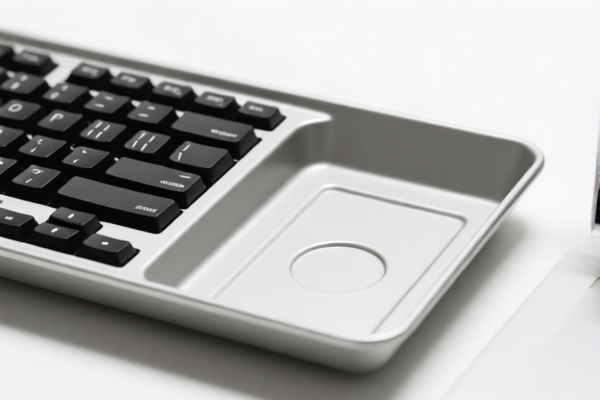
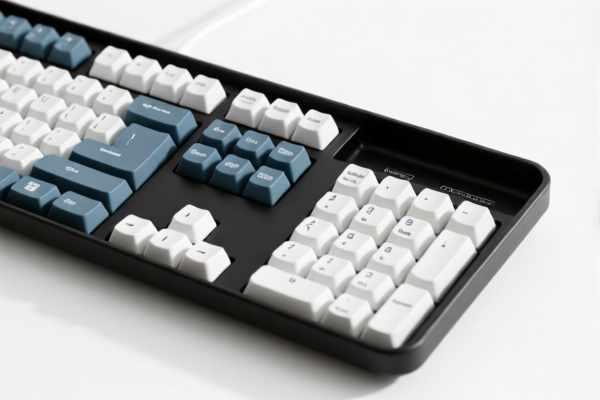
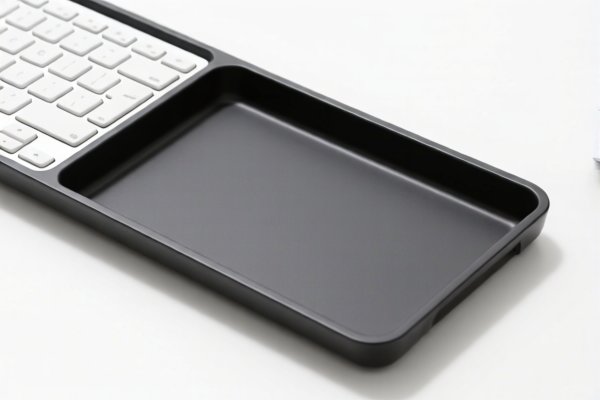
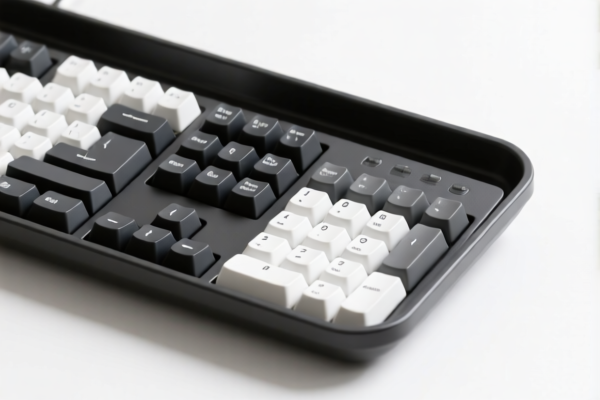
AI Analysis
🚗 Car Seat Table Tray (Baby Booster Seats with Attached Tables)
🌐 HS Code Reference & Customs Clearance Guide | 2026 Latest Tariff Analysis | Professional Clearance Strategy
📌 I. Product Definition & Classification: What is a "Car Seat Table Tray"?
A Car Seat Table Tray (often integrated into booster seats or sold as portable accessories) is a device designed to provide a flat surface for children in vehicles or dining settings. In international trade, the classification depends heavily on whether the item is an integral part of a vehicle seat or a general-purpose plastic article.
The data provided in <DATA> highlights a critical distinction:
1. Furniture Parts (For Children): If the tray is considered a "part" of a specific furniture item designed for children (like a play yard, toddler bed, or specific crib accessory), it falls under Heading 9403.
2. Plastic Articles: If it is a standalone plastic tray without specific "furniture part" designation for confined living spaces, it may fall under Heading 3926.
3. Metal/Steel Articles: Less common for the tray itself (usually plastic), but if the frame is steel, it falls under Heading 7326.
⚠️ Key Distinction Point:
- If the tray is specifically designed for play yards, enclosures, or child confinement devices (like certain high chairs or integrated booster systems sold as furniture parts) → HS Code 9403.99.90.15.
- If it is a general plastic tray not specifically tied to the "part of furniture" definition in the specific sub-headings → HS Code 3926.90.99.89.
📦 II. HS Code Classification Details (Based on Provided Data)
| HS Code | Product Description | Applicability | Material | Tax Burden |
|---|---|---|---|---|
9403.99.90.15 |
Parts of Furniture: Other furniture and parts thereof; Parts; Other; Other; Other; For play yards and other enclosures for confining children | High-end booster seats, integrated high chairs, play yard accessories | Plastic/Metal composite | 75.0% |
9403.99.90.10 |
Parts of Furniture: Other furniture and parts thereof; Parts; Other; Other; Other; For toddler beds, cribs, bassinets and cradles | Note: Less likely for "Car Seat" unless it's a crib attachment, but listed for completeness. | Plastic/Metal composite | 75.0% |
3926.90.99.89 |
Other Articles of Plastics: Other articles of plastics and articles of other materials of headings 3901 to 3914; Other; Other; Other | General plastic trays, standalone car seat accessories not classified as furniture parts | Plastic | 12.8% |
7326.90.86.88 |
Other Articles of Iron or Steel: Other; Other; Other; Other; Other | Metal frames or supports for trays (rarely the whole product) | Steel | 77.9% |
7326.90.86.10 |
Other Articles of Iron or Steel: Laminated goods of iron/steel sheets held together by adhesive or non-metallic core | Unlikely for standard plastic trays. | Steel Composite | 77.9% |
🔍 Critical Insight:
- The highest risk item is9403.99.90.15(75.0% tax). This is because "Car Seat Table Trays" are often scrutinized by customs officers who may classify them as "parts of furniture for confining children" rather than just "plastic articles."
-3926.90.99.89(12.8% tax) is the more favorable classification if you can prove it is a general plastic article and not specifically a "part of furniture" as defined by USITC footnote rules for child confinement devices.
💰 III. 2026 Latest Tariff Rate Breakdown (Detailed Tax Clauses)
✅ Applicable Country: United States (US)
✅ Origin: China (CN)
✅ Effective Date: Current rates apply (subject to 301/IEEPA adjustments)
🎯 1. 9403.99.90.15 —— Parts for Play Yards/Child Enclosures
| Item | Detail |
|---|---|
| Description | Other articles of iron or steel: Other furniture and parts thereof: Parts: Other: Other: Other: For play yards and other enclosures for confining children |
| Base Tariff | 0.0% (Ad Valorem) |
| Section 301 Tariff | +25.0% (Steel/Aluminum/Copper accessories included) |
| Additional Steel/Aluminum Surcharge | +50.0% (If material is steel/aluminum) |
| Total Tax Rate | 75.0% |
| Tax Calculation | CIF Value × 75.0% |
| De Minimis Exemption | ❌ Not Eligible |
| Legal Basis | Base: 9403.99.90.15 → Add 25% (301) → Add 50% (Steel/Al) = 75% |
📌 Explanation:
- This high rate applies if the tray is deemed a "part of furniture" for children.
- The 50% steel/aluminum surcharge is critical: If the tray has any steel or aluminum structural components (e.g., hinges, frames), the total surcharge jumps significantly.
- Even if the main body is plastic, if it's classified under this heading and contains metal parts, the 50% surcharge may apply depending on the specific ruling.
🎯 2. 3926.90.99.89 —— Other Plastic Articles
| Item | Detail |
|---|---|
| Description | Other articles of plastics and articles of other materials of headings 3901 to 3914: Other: Other: Other |
| Base Tariff | 5.3% (Ad Valorem) |
| Section 301 Tariff | +7.5% |
| Total Tax Rate | 12.8% |
| Tax Calculation | CIF Value × 12.8% |
| De Minimis Exemption | ❌ Not Eligible |
| Legal Basis | Base: 3926.90.99.89 → Add 7.5% (301) = 12.8% |
📌 Explanation:
- This is the preferred classification for purely plastic trays.
- Lower risk of high surcharges as it does not fall under the "Steel/Aluminum" specific surcharge list (unless the plastic is laminated with steel, which is rare).
🎯 3. 7326.90.86.88 & 7326.90.86.10 —— Iron or Steel Articles
| Item | Detail |
|---|---|
| Description | Other articles of iron or steel... |
| Base Tariff | 2.9% |
| Section 301 Tariff | +25.0% |
| Steel/Aluminum Surcharge | +50.0% |
| Total Tax Rate | 77.9% |
| De Minimis Exemption | ❌ Not Eligible |
📌 Explanation:
- Only applicable if the product is primarily made of iron or steel.
- Highest Tax Burden. Avoid this classification for plastic trays unless they are metal frames.
🛠️ IV. Customs Clearance Practical Advice (Real-World Pitfall Guide)
✅ 1. Preparation Checklist (Non-negotiable)
| Document | Required | Purpose |
|---|---|---|
| ✅ Product Photos | ✔️ | Show clear view of material (Plastic vs. Metal). Highlight hinges/joints. |
| ✅ Material Breakdown | ✔️ | Specify % of plastic, metal, rubber. Crucial for determining surcharges. |
| ✅ Intended Use Description | ✔️ | "Portable plastic tray for car seat" vs. "Part of a play yard." |
| ✅ HS Code Justification | ✔️ | Explain why it is 3926 (plastic article) and NOT 9403 (furniture part). |
| ✅ Commercial Invoice | ✔️ | Must clearly state material composition and HS Code. |
✅ 2. Declaration Strategy (Key Mantra)
🔥 “Plastic is Key, Furniture is Danger, Metal is Penalty!”
| Scenario | Correct Classification | Risk Level | Why? |
|---|---|---|---|
| Pure Plastic Tray | 3926.90.99.89 |
✅ Low (12.8%) | No steel/aluminum surcharge. Lower base tax. |
| Plastic with Metal Hinges | 3926.90.99.89 |
⚠️ Medium | If deemed "primarily plastic," it stays 12.8%. If deemed "steel article," it jumps to 77.9%. |
| Integrated into Play Yard/Crib | 9403.99.90.15 |
❌ High (75.0%) | Classified as "Part of furniture for confining children." High tax. |
| All-Metal Frame Tray | 7326.90.86.88 |
❌ Critical (77.9%) | Subject to 50% steel surcharge + 25% 301 tariff. |
✅ 3. Special Situation Handling
| Situation | Recommendation |
|---|---|
| OEM Custom Trays | Provide design specs to prove it's a generic plastic article, not a specialized furniture part. |
| Mixed Material (Plastic + Metal) | Ensure the principal value and character come from plastic. If metal frame >50% value, risk classification shifts to 7326. |
| Shipping with Car Seats | If shipped as a set (Seat + Tray), the entire set may be classified under the seat's HS Code (often 9403 if it's a booster chair). Deconstruct if possible! |
| Import from Non-China Origins | If manufactured in Vietnam/Thailand, 301 tariffs may not apply, reducing cost significantly. |
🌍 V. Global Market Comparison (2026)
| Country/Region | Recommended HS Code | Tariff | Certification | Notes |
|---|---|---|---|---|
| 🇺🇸 USA | 3926.90.99.89 |
12.8% | CPC, FCC (if electronic) | Avoid 9403 classification to save 60%+ tax. |
| 🇨🇳 China | 3926.90.99.89 |
5.0% | CCC (if applicable) | Low tariff, no surcharges. |
| 🇪🇺 EU | 3926.90.99 |
4.5% | CE, REACH | No 301-style surcharges. |
| 🇬🇧 UK | 3926.90.99 |
4.5% | UKCA | Post-Brexit rules apply. |
📌 Conclusion:
- USA is the most expensive market due to 301 and Steel/Aluminum surcharges.
- Classification is everything: A small misclassification from3926(12.8%) to9403(75.0%) or7326(77.9%) can wipe out your profit margin.
📌 VI. Common Errors & Pitfalls (Blood-Teaching Lessons)
❌ Error 1: Classifying a plastic car seat tray as 9403.99.90.15 (Parts of Furniture).
👉 Consequence: 75.0% tax instead of 12.8%. Loss of competitiveness!
❌ Error 2: Ignoring metal components (hinges, screws).
👉 Consequence: If metal content is significant, customs may reclassify to 7326, applying the 50% Steel Surcharge. Total tax 77.9%.
❌ Error 3: Declaring as "Gift" or "Sample" to avoid tax.
👉 Consequence: Customs audits will flag this. Fines + Seizure + Loss of Import Privileges.
❌ Error 4: Shipping the tray attached to the car seat as a single unit.
👉 Consequence: The entire unit may be classified under the car seat's HS Code. If the car seat is classified as 9403, both parts incur 75.0% tax.
✅ Fix: Ship trays separately as "Plastic Accessories" or "Packaging/Inserts" to allow separate, lower-tax classification.
🎯 VII. Conclusion: Precision Classification Saves Millions!
🎯 Remember the Mantra:
🔹 “Plastic is Cheap (12.8%), Furniture is Heavy (75%), Steel is Punished (77.9%)!”
🔹 “Separate the Tray from the Seat to Avoid Furniture Classification!”
🔹 “Check for Metal Parts! Even small hinges can trigger 50% Surcharge!”
📌 Pro Tip:
If your product contains any steel or aluminum, conduct a material cost analysis. If the plastic value exceeds 60%, argue for 3926. If you can manufacture the tray entirely from plastic (using plastic hinges, snap-fits), you eliminate the 50% steel surcharge risk entirely.
📣 Immediate Action:
📞 Consult a Customs Broker to pre-classify your specific design.
📦 Ship Trays Separately from Car Seats if possible.
🚫 Avoid "Furniture Part" language in your invoice descriptions. Use "Plastic Table Tray for Automotive Use."
✨ Professional Clearance Starts with Accurate Classification!
💼 Your Profit Margin Depends on These 4 Digits!
Customer Reviews
About HS Code Classification
The Harmonized System (HS) is an internationally standardized nomenclature developed by the World Customs Organization (WCO) to classify traded products. Over 200 countries use the HS system as the basis for customs tariffs, trade statistics, and import/export regulations.
Each HS code follows a hierarchical structure:
- Chapter (2 digits) — Broad category of goods (e.g., Chapter 84: Machinery and Mechanical Appliances)
- Heading (4 digits) — More specific grouping within the chapter
- Subheading (6 digits) — Internationally standardized breakdown, used by all WCO member countries
- National subdivisions (8-10 digits) — Country-specific extensions for further classification, such as US HTSUS 10-digit codes
Correct HS code classification is essential for smooth customs clearance, accurate duty payment, and compliance with trade regulations. Misclassification can lead to customs delays, overpayment of duties, or penalties.
When importing from CN to US, the applicable tariff rates may include:
- Most-Favored-Nation (MFN) rate — The standard duty rate applied to WTO members
- General rate — Applied to countries without trade agreements
- Trade remedy duties — Additional tariffs such as Section 301 (anti-dumping), Section 232 (national security), or countervailing duties
The information provided on this page is for reference purposes only. For official classification, please consult with your local customs authority or a licensed customs broker.