Car Snow Shield
CN → US| HS Code | Tariff Rate | Origin | Destination | Doc |
|---|---|---|---|---|
| 6307909891 | 24.5% | CN | US | Official Doc |
| 8708295160 | 0.0% | CN | US | Official Doc |
| 8708295110 | 0.0% | CN | US | Official Doc |
| 6307909884 | 24.5% | CN | US | Official Doc |
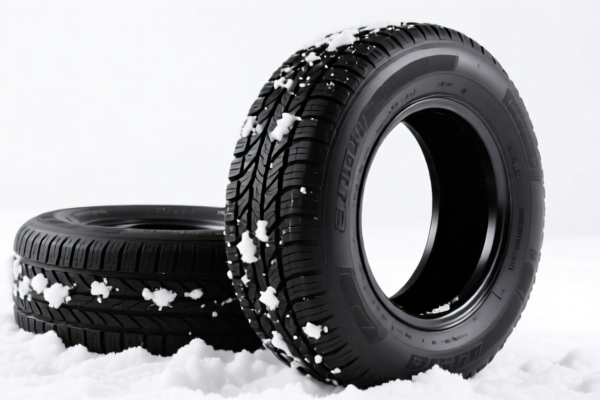
Product Images


AI Analysis
❄️🚗 Car Snow Shield (Windshield Snow Cover)
🌐 HS Code Reference & Customs Clearance Guide | 2026 Latest Tariff Analysis | Professional Clearance Strategy
📌 I. Product Definition & Classification: What Exactly is a "Car Snow Shield"?
A Car Snow Shield (also known as a Windshield Snow Cover, Ice Scraper Cover, or Windshield Protector) is an automotive accessory designed to protect a vehicle's windshield from snow, ice, frost, and bird droppings while parked outdoors.
In international trade, it falls into two primary classification categories depending on material composition and specific use case:
- Textile/General Articles Category: If made primarily of plastic, synthetic fiber, or rubber, often treated as a "finished article" or "accessory" under Chapter 63.
- Automotive Parts Category: If specifically designed as a metal (stamped) part or integrated into the vehicle's chassis/body system as a functional component, it may fall under Chapter 87 (Motor Vehicles).
⚠️ Key Classification Point:
- If the product is a flexible cover (fabric, plastic, rubber, fiber) used for general weather protection → Chapter 63 (Textiles & Other Made-Up Articles).
- If the product is a rigid metal shield or specifically defined as a body accessory made of steel/aluminum/copper → Chapter 87 (Parts of Motor Vehicles).
- Crucial Warning: The Tariff Rate can differ drastically between these two classifications (24.5% vs. 87.5%+), making correct HS Code selection vital for cost control.
📦 II. HS Code Classification Details (2026 Latest Tariff Reference)
Based on current trade data and the provided tax details, here are the four critical HS Codes applicable to Car Snow Shields:
| HS Code | Product Description | Material/Type | Applicable Scenario |
|---|---|---|---|
6307.90.98.91 |
Other Made-Up Articles | Plastic, Rubber, or Fibrous Fabric | Flexible covers, fabric snow shields, non-metallic general accessories. |
8708.29.51.60 |
Body Accessories (Parts) | Steel, Aluminum, Copper (Rigid) | Rigid metal shields, stamped metal body parts for snow/ice protection. |
8708.29.51.10 |
Other Parts & Accessories | Plastic or Metal (General) | Rigid plastic or metal shields not specifically covered under steel/aluminum rules. |
6307.90.98.84 |
Synthetic Fiber/Plastic | Synthetic Fiber or Plastic | Covers made of specific synthetic materials, often categorized under "Artificial Fiber". |
🔍 Critical Analysis:
-6307Codes are for non-metallic covers (Fabric, Plastic, Rubber).
-8708Codes are for Vehicle Parts (Metal or specific automotive accessories).
- Tariff Warning: Metal components (Steel/Aluminum) trigger Section 232 (Steel/Aluminum tariffs) leading to 85.0% total tax, whereas textile/plastic versions are capped at 24.5%.
💰 III. 2026 Latest Tariff Rate Breakdown (Detailed Tax Terms)
✅ Applicable Jurisdiction: China Import to US (Example Scenario)
✅ Origin: China (CN)
✅ Effective Date: Current Tariff Regime (Section 301, Section 232, Section 122)
🎯 1. Non-Metallic / Textile Variants
Codes: 6307.90.98.91 & 6307.90.98.84
| Tax Component | Rate | Description & Legal Basis |
|---|---|---|
| Base Tariff | 7.0% | Standard MFN duty for "Other made-up articles". |
| Additional Duty | 7.5% | Section 301 (List 3/4) – "Add-on" tariff for Chinese goods. |
| Section 122 | 10.0% | China-Specific punitive tariff (Section 122 of the Trade Act). |
| Total Tax Rate | 24.5% | 7.0 + 7.5 + 10.0 |
| Steel/Aluminum Surcharge | N/A | Not Applicable (These are textile/plastic goods). |
| De Minimis Exemption | ❌ NO | Goods >$800 are not exempt from Section 301/122. |
📌 Interpretation:
- This is the standard tariff path for plastic/fabric snow shields.
- The 24.5% is a fixed "Total Tax" calculated on the CIF value.
- No extra "Steel/Aluminum" penalties apply here.
🎯 2. Metal Components (Steel/Aluminum/Copper)
Code: 8708.29.51.60
| Tax Component | Rate | Description & Legal Basis |
|---|---|---|
| Base Tariff | 2.5% | Standard duty for "Other body parts". |
| Section 301 | 25.0% | Section 301 – High-penalty tariff for automotive parts. |
| Section 122 | 10.0% | Section 122 – China-specific additional duty. |
| Steel/Aluminum Surcharge | 50.0% | Section 232 – Crucial! Applies to Steel, Aluminum, and Copper products. |
| Total Tax Rate | 87.5% | 2.5 + 25.0 + 10.0 + 50.0 |
| De Minimis Exemption | ❌ NO | High risk of seizure/penalty if misclassified. |
📌 Interpretation:
- If your snow shield contains any steel, aluminum, or copper (e.g., metal frame, rigid metal plate), this 87.5% rate applies.
- This is an extremely high tariff due to the combination of Section 301 (Trade War) + Section 232 (Steel/Aluminum) + Section 122.
🎯 3. General Automotive Parts (Plastic/Metal Non-Steel)
Code: 8708.29.51.10
| Tax Component | Rate | Description & Legal Basis |
|---|---|---|
| Base Tariff | 2.5% | Standard duty for "Other parts". |
| Section 301 | 25.0% | Section 301 – General automotive parts tariff. |
| Section 122 | 10.0% | Section 122 – China-specific additional duty. |
| Steel/Aluminum Surcharge | 0% | Not Applicable (If made of plastic or non-steel metal). |
| Total Tax Rate | 37.5% | 2.5 + 25.0 + 10.0 |
| De Minimis Exemption | ❌ NO | High risk if misclassified. |
📌 Interpretation:
- Applies to rigid plastic shields or shields made of non-steel metals.
- Still very high (37.5%) due to automotive and trade war tariffs, but 10% less than the steel version.
🛠️ IV. Customs Clearance Practical Advice (Pitfall Avoidance Guide)
✅ 1. Material Verification (The Golden Rule)
🔥 Rule: "Check the Metal Content First!"
- Step 1: Inspect the product for Steel, Aluminum, or Copper frames, clips, or stiffeners.
- Step 2: If YES → Expect 87.5% (Code8708.29.51.60).
- Step 3: If NO (Pure Plastic/Rubber/Fabric) → Expect 24.5% (Code6307.90.98.91or6307.90.98.84).
- Action: Do NOT declare a metal-framed shield as "Textile" (6307). This is Customs Fraud.
✅ 2. Document Preparation Checklist
| Document | Requirement | Reason |
|---|---|---|
| Material Safety Data Sheet (MSDS) | Must specify % of Steel/Aluminum | To prove material composition to Customs. |
| Product Photos (Macro) | Clear view of frame/clips | To verify if metal parts exist. |
| Bill of Materials (BOM) | List of all components | To support HS Code classification. |
| Commercial Invoice | Must match HS Code exactly | Discrepancies trigger audits. |
| Certificate of Origin | Must state "Made in China" | Required for Section 301/122/232 applicability. |
✅ 3. Declaration Strategy
| Scenario | Recommended HS Code | Declared Description |
|---|---|---|
| Fabric/Plastic Cover | 6307.90.98.91 |
"Plastic/Rubber Windshield Snow Cover, Made of Synthetic Fiber" |
| Rigid Plastic Cover | 8708.29.51.10 |
"Automotive Body Accessory: Rigid Plastic Snow Shield" |
| Metal Frame Cover | 8708.29.51.60 |
"Steel/Aluminum Windshield Shield, Automotive Part" |
| Mixed Material | Risk Assessment | If >5% metal, treat as 8708 (Higher tax). |
📌 Warning:
- Misclassification Penalty: If Customs finds metal in a6307declaration, you face 100% penalty + back taxes + potential seizure.
- Section 232 Impact: Steel/Aluminum tariffs are non-negotiable and non-deductible.
🌍 V. Global Market Clearance Comparison (2026)
| Market | Recommended HS Code | Est. Tariff (China Origin) | Key Certification |
|---|---|---|---|
| 🇺🇸 USA | 6307.90.98.91 (Textile) |
24.5% | No special certs (but verify material) |
| 🇺🇸 USA | 8708.29.51.60 (Steel) |
87.5% | N/A (High cost) |
| 🇨🇳 China | 6307.90.98.91 |
Low (Domestic) | CCC (if automotive) |
| 🇪🇺 EU | 6307.90.98 |
~4-8% (Varies) | CE, REACH |
| 🇯🇵 Japan | 6307.90.98 |
~5% | JIS |
📌 Conclusion:
- USA is the most aggressive market with Section 301/122/232 combined.
- Textile/Plastic (6307) is the only viable path for cost-effective export to the US.
- Metal (8708) products should be re-evaluated for market viability due to 87.5% tariffs.
📌 VI. Common Mistakes & "Blood Lessons"
❌ Mistake 1: Calling a Metal Frame snow shield a "Textile Accessory".
👉 Consequence: 87.5% tax applied retroactively + 100% fine.
👉 Fix: Always declare based on primary structural material.
❌ Mistake 2: Splitting the shipment (Metal Frame + Fabric Cover) to avoid Section 232.
👉 Consequence: Customs Audits. The system links them as a "Set".
👉 Fix: Declare as a complete unit (Set) under the highest applicable code.
❌ Mistake 3: Ignoring "Section 122".
👉 Consequence: Underpaying by 10%.
👉 Fix: Ensure Section 122 (10%) is added to all Chinese-origin goods.
✅ Correct Practice:
"Windshield Snow Shield, 100% Plastic/Fabric, No Metal Frame, Model X, Made in China."
HS Code:6307.90.98.91→ Total Tax: 24.5%
🎯 VII. Conclusion: Strategic Sourcing for Cost Savings
🎯 Key Takeaway:
🔹 "No Metal = No 87.5% Tax!"
🔹 "Textile (6307) vs. Auto Part (8708) = 63% Tax Difference!"
🔹 "Steel/Aluminum = 50% Surcharge on top of Trade War Tariffs!"
📌 Action Plan:
1. Switch Design: If exporting to the US, eliminate metal frames. Use reinforced plastic or elastic cords.
2. Re-Classify: If you have existing metal stock, consider re-exporting from a third country (e.g., Mexico) only if rules of origin are met (risky).
3. Consult Experts: Always get a Binding Ruling from Customs before shipping large volumes of mixed-material parts.
📣 Immediate Action:
🚀 Audit your BOM (Bill of Materials) today!
🚀 If your product has metal, prepare for 87.5% tax.
🚀 If your product is plastic/fabric, you are at 24.5%.
✨ Professional Clearance, Precision Classification, Maximum Profit!
💼 Your Tax Rate is Calculated in the Design Phase!
Customer Reviews
About HS Code Classification
The Harmonized System (HS) is an internationally standardized nomenclature developed by the World Customs Organization (WCO) to classify traded products. Over 200 countries use the HS system as the basis for customs tariffs, trade statistics, and import/export regulations.
Each HS code follows a hierarchical structure:
- Chapter (2 digits) — Broad category of goods (e.g., Chapter 84: Machinery and Mechanical Appliances)
- Heading (4 digits) — More specific grouping within the chapter
- Subheading (6 digits) — Internationally standardized breakdown, used by all WCO member countries
- National subdivisions (8-10 digits) — Country-specific extensions for further classification, such as US HTSUS 10-digit codes
Correct HS code classification is essential for smooth customs clearance, accurate duty payment, and compliance with trade regulations. Misclassification can lead to customs delays, overpayment of duties, or penalties.
When importing from CN to US, the applicable tariff rates may include:
- Most-Favored-Nation (MFN) rate — The standard duty rate applied to WTO members
- General rate — Applied to countries without trade agreements
- Trade remedy duties — Additional tariffs such as Section 301 (anti-dumping), Section 232 (national security), or countervailing duties
The information provided on this page is for reference purposes only. For official classification, please consult with your local customs authority or a licensed customs broker.