Car Spoiler
CN → US| HS Code | Tariff Rate | Origin | Destination | Doc |
|---|---|---|---|---|
| 7326190080 | 87.9% | CN | US | Official Doc |
| 8708292500 | 0.0% | CN | US | Official Doc |
| 7326908688 | 87.9% | CN | US | Official Doc |
| 8708295160 | 0.0% | CN | US | Official Doc |
Product Images
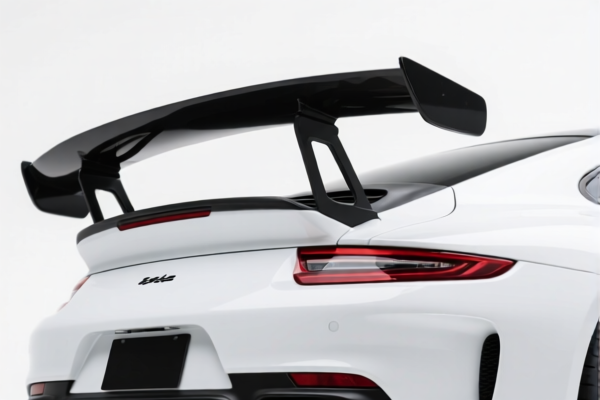
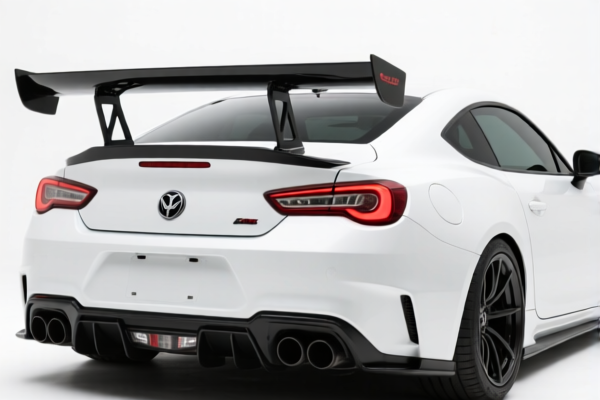
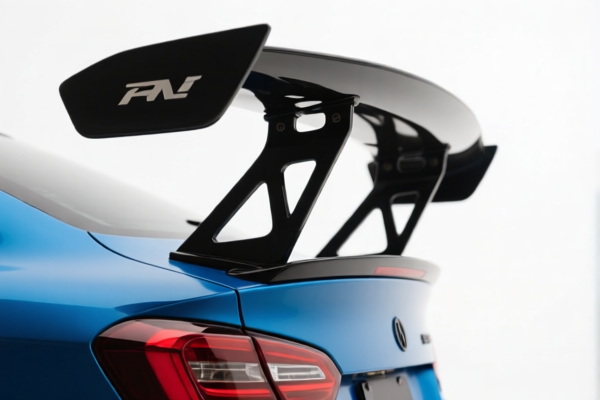
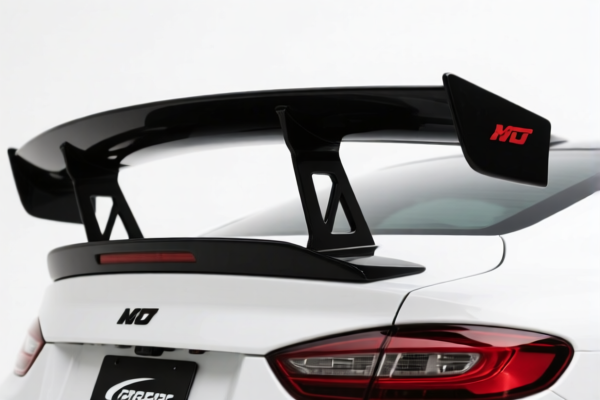
AI Analysis
🚗 Car Spoiler (Automotive Aerodynamic Wing)
🌐 HS Code Reference & Customs Clearance Guide | 2026 Latest Tariff Analysis | Professional Entry Strategy
📌 I. Product Definition & Classification: Do You Really Understand "Car Spoiler"?
A car spoiler is an aerodynamic device attached to the rear of a vehicle to reduce lift and drag or to alter its appearance. In international trade, it is primarily classified based on material composition and functional intent. The data provided highlights two main categorization paths:
- Vehicle Parts (8708 Series): If classified as a specific part of the vehicle's body (e.g., made of plastic/composite or specifically designed as a body panel).
- General Metal Articles (7326 Series): If classified as a general steel/metal product due to material properties, often triggering higher "Section 232" (Steel/Aluminum) tariffs.
⚠️ Key Distinction Point:
- If made of plastic, carbon fiber, or fiberglass → Likely falls under Chapter 87 (Vehicle Parts).
- If made of steel or iron → High risk of falling under Chapter 73 (Iron/Steel Articles), attracting severe additional duties.
📦 II. HS Code Classification Details (Based on Provided Data)
| HS Code | Product Description | Material/Feature | Applicable Scenario | Risk Level |
|---|---|---|---|---|
8708.29.25.00 |
Vehicle Body Parts (Spoiler) | Plastic/Non-Steel | Standard plastic/composite spoilers | 🟢 Low Risk |
8708.29.51.60 |
Vehicle Body Parts (Spoiler) | Mixed/Metal | Spoiler with metal components (Body Part) | 🟡 Medium Risk |
7326.19.00.80 |
Other Articles of Iron/Steel | Steel/Metal | Steel spoiler classified as general metal | 🔴 High Risk |
7326.90.86.88 |
Other Articles of Iron/Steel | Steel/Metal | Steel spoiler classified as "Other" metal goods | 🔴 High Risk |
🔍 Critical Note:
- Codes7326...trigger the "122 Clause" (Section 232): These codes attract an additional 50% tariff specifically for steel/aluminum products from China. - Codes8708...are standard auto parts: They avoid the 50% steel penalty but still face the 25% Section 301 tariff.
💰 III. 2026 Latest Tariff Rate Breakdown (Including Additional Duties)
✅ Applicable Country: United States (US)
✅ Origin: China (CN)
✅ Effective Time: Current US Trade Policy (Section 301 + Section 232)
🎯 1. 8708.29.25.00 —— Vehicle Body Parts (Plastic/Non-Steel)
| Item | Content |
|---|---|
| Base Tariff | 2.5% |
| Section 301 Additional Tariff | +25.0% |
| Section 232 (Steel/Al) Tariff | ❌ Not Applicable (If non-steel) |
| Total Tariff Rate | 27.5% |
| Tax Calculation | CIF Value × 27.5% |
| Legal Basis | USITC Footnote for Auto Parts + Section 301 List 4A |
📌 Explanation:
- This is the most favorable classification for plastic/composite spoilers. - Only the 25% trade war tariff applies. No extra 50% steel penalty.
🎯 2. 8708.29.51.60 —— Vehicle Body Parts (With Metal Components)
| Item | Content |
|---|---|
| Base Tariff | 2.5% |
| Section 301 Additional Tariff | +25.0% |
| Section 232 (Steel/Al) Tariff | +50.0% (If deemed steel content) |
| Total Tariff Rate | 77.5% (2.5% + 25% + 50%) |
| Tax Calculation | CIF Value × 77.5% |
| Legal Basis | Section 301 + Section 232 Proclamation |
📌 Note:
- If the spoiler contains significant steel parts, CBP may apply the 50% Section 232 tariff even if it's an auto part. - Total rate: 77.5% is extremely high.
🎯 3. 7326.19.00.80 —— Other Articles of Iron/Steel
| Item | Content |
|---|---|
| Base Tariff | 2.9% |
| Section 301 Additional Tariff | +25.0% |
| Section 232 (Steel/Al) Tariff | +50.0% |
| Total Tariff Rate | 77.9% |
| Tax Calculation | CIF Value × 77.9% |
| Legal Basis | Section 301 + Section 232 |
📌 Explanation:
- Classified as general steel goods, not auto parts. - Attracts all penalties.
🎯 4. 7326.90.86.88 —— Other Articles of Iron/Steel (Miscellaneous)
| Item | Content |
|---|---|
| Base Tariff | 2.9% |
| Section 301 Additional Tariff | +25.0% |
| Section 232 (Steel/Al) Tariff | +50.0% |
| Total Tariff Rate | 77.9% |
| Tax Calculation | CIF Value × 77.9% |
| Legal Basis | Section 301 + Section 232 |
📌 Note:
- Similar to above, but for "other" steel articles. - Same high penalty rate.
🛠️ IV. Customs Clearance Practical Advice (Avoid Pitfalls)
✅ 1. Preparation Checklist (Must-Haves)
| Document | Required? | Explanation |
|---|---|---|
| ✅ Product Photos | ✔️ | Must clearly show material (e.g., glossy plastic vs. brushed steel). |
| ✅ Material Composition Statement | ✔️ | Specify % of plastic, metal, carbon fiber, etc. |
| ✅ Intended Use Statement | ✔️ | Confirm it is for "Vehicle Body/Aerodynamics." |
| ✅ Technical Data Sheet | ✔️ | Show dimensions, mounting holes, and material specs. |
| ✅ Commercial Invoice | ✔️ | Accurate description: "Plastic Car Spoiler" or "Steel Car Spoiler." |
✅ 2. Classification Strategy (Key Tips)
🔥 “Material Determines Tariff, Function Determines Code!”
| Scenario | Recommended HS Code | Reason |
|---|---|---|
| Plastic/Carbon Fiber Spoiler | 8708.29.25.00 |
Non-steel auto part. Avoids 50% Section 232 tariff. |
| Steel Spoiler (Full Steel) | 7326.19.00.80 or 7326.90.86.88 |
Classified as steel article. High tariff (77.9%). |
| Mixed Material (Plastic + Metal Bracket) | 8708.29.51.60 |
May still face 50% if steel content is significant. |
📌 Warning:
- Do not misdeclare a steel spoiler as plastic. CBP can inspect and reclassify, leading to back taxes + penalties. - If the spoiler is primarily structural steel, it will likely be caught under Chapter 73.
✅ 3. Special Cases
| Case | Handling Advice |
|---|---|
| Aftermarket vs. OEM | Both are classified as auto parts (8708) if plastic. OEM parts may have different invoicing but same HS. |
| Custom Painted Spoilers | Painting does not change HS code. Must still declare base material. |
| Racing Spoilers (No Road Legal) | If not for road vehicles, may fall under 9503 (Toys/Sports Equipment) or 3926 (Plastic articles), but 8708 is still preferred if functional for cars. |
🌍 V. Global Market Comparison (2026)
| Country | Recommended HS Code | Tariff Rate (China Origin) | Notes |
|---|---|---|---|
| 🇺🇸 USA | 8708.29.25.00 (Plastic) |
27.5% | Avoid Chapter 73 to save 50%. |
| 🇺🇸 USA | 7326.19.00.80 (Steel) |
77.9% | Extremely high due to Section 232. |
| 🇨🇳 China | 8708.29.25.00 |
~5-10% | Export duties may apply. |
| 🇪🇺 EU | 8708.29.90 |
~4-10% | No Section 232 equivalent. Lower risk. |
| 🇬🇧 UK | 8708.29.90 |
~4-10% | Post-Brexit rules apply. |
📌 Conclusion:
- USA is the most challenging market for steel spoilers due to Section 232. - Plastic/composite spoilers are significantly cheaper to import into the US.
📌 VI. Common Mistakes & Pitfalls (Lessons Learned)
❌ Mistake 1: Declaring a Steel Spoiler as 8708.29.25.00 (Plastic).
👉 Consequence: CBP inspection reveals steel → Reclassification to 7326 → Pay 77.9% instead of 27.5% + Penalties.
❌ Mistake 2: Ignoring Section 232 for steel parts.
👉 Consequence: Unexpected 50% charge on top of 25% + base duty.
❌ Mistake 3: Vague Description: "Car Accessory."
👉 Consequence: Customs officer uses their best judgment, often defaulting to Chapter 73 (highest duty) for safety.
✅ Correct Practice:
"Automotive Rear Spoiler, Model XYZ, Made of ABS Plastic, 2024 Honda Civic Compatible, Not Steel."
🎯 VII. Conclusion: Strategic Classification for Cost Savings
🎯 Key Takeaway:
🔹 Plastic/Composite = 8708.29.25.00 → 27.5% Total Duty
🔹 Steel = 7326... → 77.9% Total Duty🔹 "Material is Money! Choose wisely!"
📌 Pro Tip:
- If your supplier says "Metal Spoiler," ask for Material Safety Data Sheet (MSDS) or Certification of Composition.
- If it’s >10% steel by weight, assume it will be taxed as steel (7326) in the US.
- Consider sourcing plastic spoilers from Vietnam or Mexico to avoid US Section 301 tariffs entirely.
📣 Immediate Action:
📞 Verify material composition with supplier.
🚀 If steel, budget for 77.9% duty.
✅ If plastic, budget for 27.5% duty.
✈️ Ensure your declaration matches the physical product to avoid seizures!
✨ Smart Classification, Smart Profits!
💼 Don’t let steel tariffs ruin your margin!
Customer Reviews
About HS Code Classification
The Harmonized System (HS) is an internationally standardized nomenclature developed by the World Customs Organization (WCO) to classify traded products. Over 200 countries use the HS system as the basis for customs tariffs, trade statistics, and import/export regulations.
Each HS code follows a hierarchical structure:
- Chapter (2 digits) — Broad category of goods (e.g., Chapter 84: Machinery and Mechanical Appliances)
- Heading (4 digits) — More specific grouping within the chapter
- Subheading (6 digits) — Internationally standardized breakdown, used by all WCO member countries
- National subdivisions (8-10 digits) — Country-specific extensions for further classification, such as US HTSUS 10-digit codes
Correct HS code classification is essential for smooth customs clearance, accurate duty payment, and compliance with trade regulations. Misclassification can lead to customs delays, overpayment of duties, or penalties.
When importing from CN to US, the applicable tariff rates may include:
- Most-Favored-Nation (MFN) rate — The standard duty rate applied to WTO members
- General rate — Applied to countries without trade agreements
- Trade remedy duties — Additional tariffs such as Section 301 (anti-dumping), Section 232 (national security), or countervailing duties
The information provided on this page is for reference purposes only. For official classification, please consult with your local customs authority or a licensed customs broker.