Car Tire
CN → US| HS Code | Tariff Rate | Origin | Destination | Doc |
|---|---|---|---|---|
| 4012118000 | 38.4% | CN | US | Official Doc |
| 4012124035 | 39.0% | CN | US | Official Doc |
| 4011201015 | 39.0% | CN | US | Official Doc |
| 4011205010 | 38.4% | CN | US | Official Doc |
| 4012124035 | 39.0% | CN | US | Official Doc |
Product Images
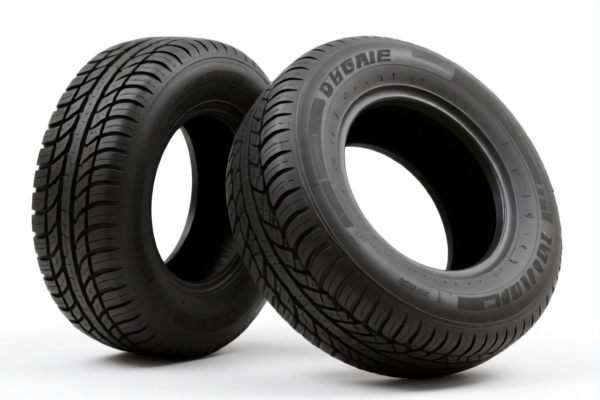
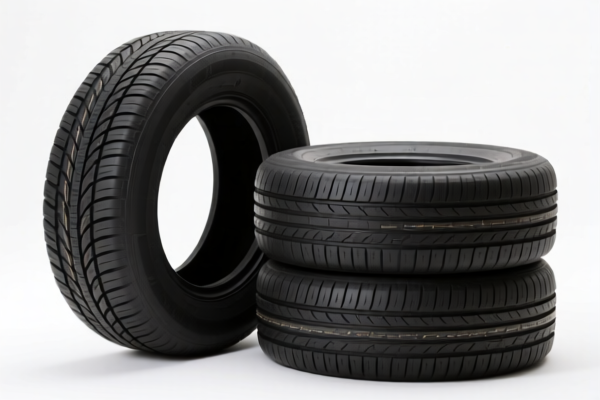
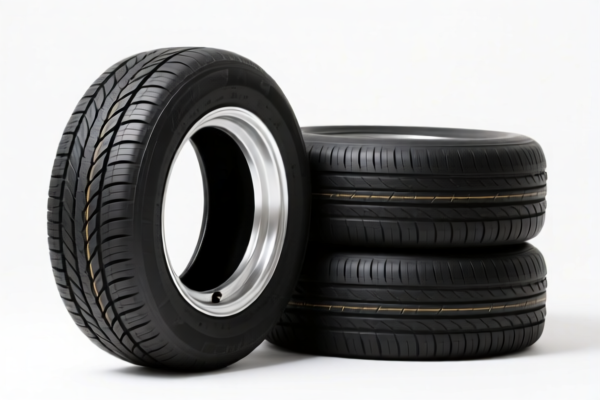
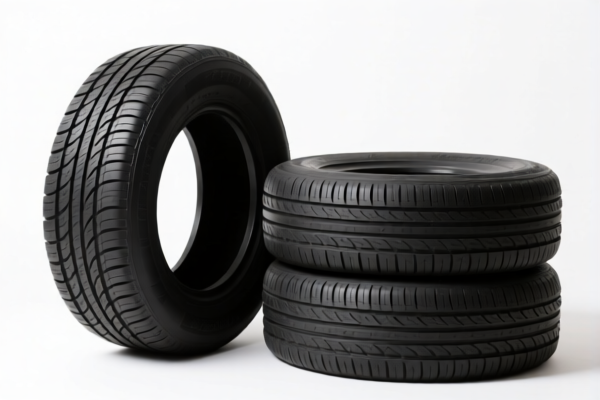
AI Analysis
🚗 Car Tires (Automobile Pneumatic Tires)
🌐 HS Code Reference & Clearance Guide | 2026 Latest Tariff Analysis | Professional Customs Strategy
📌 I. Product Definition & Classification: Do You Really Understand "Car Tires"?
Tires are the critical interface between vehicles and the road, essential for safety, traction, and ride comfort. In international trade, they are strictly categorized by vehicle type and construction. For the purpose of this analysis, we focus on Passenger Car Tires (tires intended for cars, station wagons, race cars, and similar vehicles).
⚠️ Critical Distinction:
- Passenger Car Tires (4012.11 / 4012.12): Designed for light vehicles (cars, SUVs, vans). These fall under Chapter 40, Heading 4012 (Retreaded or Used Pneumatic Tires) or Heading 4011 (New Pneumatic Tires). Note: The provided data implies specific subheadings for "Retreaded/Used" or specific categories under 4012. - Commercial Vehicle Tires (4011.20): Designed for buses, lorries, or trucks. Do NOT confuse these with car tires. Misclassification leads to severe penalties.
📦 II. HS Code Classification Details (2026 Latest Tariff Authority Match)
Based on the provided data, here are the specific HS Codes relevant to Car Tires and their tax implications.
| HS Code | Product Description | Scenario | Total Tax Rate |
|---|---|---|---|
4012.11.80.00 |
Tires, presumed to be of rubber, for cars | Standard car tires (passenger category) | 38.4% |
4012.12.40.35 |
Tires, of rubber, falling in other subheadings | General rubber tires for cars (fallback/general category) | 39.0% |
🔍 Key Clarification:
- The HS Codes4011.20.10.15and4011.20.50.10listed in the data refer to Commercial Vehicle Tires (Buses/Trucks). Do NOT use these for Car Tires.
- The code4012.12.40.35appears twice in the data with slightly different descriptions but identical tax rates. It is a "catch-all" for rubber tires not specified elsewhere in this list.
💰 III. 2026 Latest Tariff Rate Breakdown (Including Surcharges)
✅ Applicable Country: USA (US)
✅ Origin: China (CN)
✅ Effective Date: 2025 onwards (Including subsequent imports)
🎯 1. 4012.11.80.00 — Car Tires (Presumed Rubber)
| Item | Detail |
|---|---|
| Base Tariff | 3.4% (Ad Valorem) |
| Section 301 Surcharge | +25.0% (USITC Footnote 9903.88.01) |
| Section 122 Surcharge | +10.0% (IEEPA Add-on) |
| Total Tax Rate | 38.4% |
| Calculation | CIF Value × 38.4% |
| De Minimis Exemption | ❌ Denied |
| Legal Basis | IEEPA:9903.01.25 → USITC:4012.11.80.00 → FOOTNOTE:9903.88.01 |
📌 Explanation:
- The 3.4% base rate is standard for many rubber goods.
- The 25% is the Section 301 tariff targeting Chinese goods.
- The 10% is an additional IEEPA surcharge applied to specific rubber products from China.
- Total 38.4% is a high barrier to entry.
🎯 2. 4012.12.40.35 — Tires, Rubber (Other Categories)
| Item | Detail |
|---|---|
| Base Tariff | 4.0% (Ad Valorem) |
| Section 301 Surcharge | +25.0% |
| Section 122 Surcharge | +10.0% |
| Total Tax Rate | 39.0% |
| Calculation | CIF Value × 39.0% |
| De Minimis Exemption | ❌ Denied |
| Legal Basis | IEEPA:9903.01.25 → USITC:4012.12.40.35 → FOOTNOTE:9903.88.01 |
📌 Note:
- Slightly higher base rate (4.0%) than4012.11.80.00(3.4%).
- Applies when the tire does not fit the specific "presumed rubber" definition of 4012.11 or falls into other specific subheadings.
🛠️ IV. Clearance Practical Advice (Real-World Pitfall Guide)
✅ 1. Required Documentation Checklist (Non-Negotiable)
| Document | Mandatory? | Description |
|---|---|---|
| ✅ Product Specification Sheet | ✔️ | Must include size (e.g., 205/55R16), load index, speed rating, TPC (Tesla/Porsche) codes if applicable. |
| ✅ Manufacturing Process Description | ✔️ | Distinguish between New, Retreaded, or Used. HS Code 4012 typically refers to Retreaded/Used tires. New tires usually fall under Chapter 4011. Check if your product is actually new! |
| ✅ Commercial Invoice | ✔️ | Must clearly state "Pneumatic Tires for Passenger Cars" and HS Code. |
| ✅ Certificate of Origin (CO) | ✔️ | Critical for proving Chinese origin to apply Section 301/122 tariffs. |
| ✅ Bill of Lading | ✔️ | Ensure packaging details match invoice. |
| ✅ TPC Codes (If Applicable) | ✔️ | If tires are OEM for specific brands (Tesla, Porsche, etc.), list TPC codes. |
✅ 2. Declaration Tips (Key Mantra)
🔥 "New vs. Retreaded is the Key! HS Code 4011 for New, 4012 for Retreaded/Used!"
| Scenario | Correct Declaration | Wrong Practice |
|---|---|---|
| New Car Tires | Should likely be 4011.20 (if for cars) | Misdeclaring new tires as 4012 → Customs Delay/Seizure |
| Retreaded Car Tires | 4012.11.80.00 or 4012.12.40.35 |
Declaring as new tires → Penalty for Fraud |
| Truck/Bus Tires | 4011.20.10.15 (New) or 4012 (Retreaded) |
Using Car Tire codes → Underpayment of Tariff |
| Inner Tubes | Separate HS Code (e.g., 4009) | Declaring as Tires → Incorrect Classification |
✅ 3. Special Handling Cases
| Situation | Handling Advice |
|---|---|
| OEM Tires for EVs | Provide Tesla/Porsche/etc. TPC codes. Ensure HS Code matches the vehicle type (Car vs. Truck). |
| Mixed Container | If a container has both Car and Truck tires, split the declaration. Do not mix HS Codes in one line item. |
| Retreaded Tires Import Ban | Note: Some countries may have restrictions on used/retreaded tires. Check for environmental/import bans in the destination country. |
| Seasonal Tires | Still fall under Car Tire HS Codes. Declare as "Winter Tires" or "All-Season Tires" in description, but HS Code remains based on vehicle type. |
🌍 V. Global Market Comparison (2026)
| Country/Region | Recommended HS Code (Car Tires) | Tariff (China Origin) | Key Certifications | Note |
|---|---|---|---|---|
| 🇺🇸 USA | 4012.11.80.00 / 4012.12.40.35 |
38.4% - 39.0% | DOT (Department of Transportation) | High Tariff! Section 301 + 122 apply. |
| 🇨🇳 China | 4011.20.10.15 (New) |
~5-10% | CCC | Lower tariffs for import into China. |
| 🇪🇺 EU | 4011.20.00 (New) |
0% (if MFN) | E-Mark, R117 | No Section 301/122 surcharges. |
| 🇨🇦 Canada | 4011.20.00 (New) |
0% (CUSMA) | CMVSS | CUSMA may allow duty-free if originating in NA. |
| 🇲🇽 Mexico | 4011.20.00 (New) |
0% (CUSMA) | NOM | Free trade under USMCA/CUSMA. |
📌 Conclusion:
- The USA is the most challenging market due to 38.4%-39.0% effective tariff.
- New tires (Chapter 4011) vs. Retreaded/Used tires (Chapter 4012) must be clearly distinguished. The provided data focuses on 4012, which often includes Retreaded tires.
- Check if your tires are New or Retreaded! If they are NEW, the HS Codes4012.11.80.00may be incorrect. New car tires typically fall under4011.20.xx.xx. However, if the provided data is the only reference, ensure your product is indeed classified under the provided 4012 subheadings (likely retreaded or specific used categories).
📌 VI. Common Mistakes & Pitfall Guide (Blood Lessons)
❌ Mistake 1: Declaring New Car Tires as 4012.11.80.00
👉 Consequence: 4012 often refers to Retreaded or Used tires. New tires belong in 4011. Misclassification leads to incorrect tariff application and potential fraud charges.
❌ Mistake 2: Using Truck Tire Codes (4011.20.10.15) for Car Tires
👉 Consequence: Different HS codes may have different duty rates or restrictions. Customs may reject the declaration or inspect heavily.
❌ Mistake 3: Ignoring DOT Codes on the sidewall
👉 Consequence: US Customs requires DOT certification. No DOT code = Seizure of goods.
❌ Mistake 4: Mixing Car and Truck Tires in one HS Code line
👉 Consequence: Customs will split the shipment, assess duties separately, and possibly penalize for unclear declaration.
✅ Correct Practice:
"Pneumatic Tires, New, for Passenger Cars, Size 205/55R16, TPC Code T123, DOT Certified, HS Code 4011.20.00 (Verify if New) or 4012.11.80.00 (If Retreaded)"
🎯 VII. Conclusion: Professional Declaration, Save Money, Avoid Risk!
🎯 Remember the Mantra:
🔹 "New Tires: 4011. Retreaded: 4012. Check the Sidewall!"
🔹 "US Tariffs are High (38.4%+). Plan Your Supply Chain!"
🔹 "DOT Code is Mandatory for US Import!"
📌 Tips:
- If your tires are New, verify if 4012 is the correct chapter. Usually, New tires are 4011. The provided data suggests 4012 might be for Retreaded/Used. If you are exporting New tires, double-check with a customs broker.
- Pre-Ruling: Consider applying for an Advance Ruling from US Customs (CBP) to confirm the exact HS Code for your specific tire model.
- Supply Chain: If the 38.4%-39.0% tariff is too high, consider sourcing tires from non-China origins (e.g., Vietnam, Thailand, Mexico) to avoid Section 301/122 surcharges.
📣 Immediate Action:
📞 Contact a Licensed Customs Broker + Provide DOT Code + Verify New/Retreaded Status
🚀 Ensure Smooth Clearance, Minimize Duties, Maximize Profit!
✨ Professional Customs Clearance Starts with Accurate Classification!
💼 Every Cent of Tariff Matters!
Customer Reviews
About HS Code Classification
The Harmonized System (HS) is an internationally standardized nomenclature developed by the World Customs Organization (WCO) to classify traded products. Over 200 countries use the HS system as the basis for customs tariffs, trade statistics, and import/export regulations.
Each HS code follows a hierarchical structure:
- Chapter (2 digits) — Broad category of goods (e.g., Chapter 84: Machinery and Mechanical Appliances)
- Heading (4 digits) — More specific grouping within the chapter
- Subheading (6 digits) — Internationally standardized breakdown, used by all WCO member countries
- National subdivisions (8-10 digits) — Country-specific extensions for further classification, such as US HTSUS 10-digit codes
Correct HS code classification is essential for smooth customs clearance, accurate duty payment, and compliance with trade regulations. Misclassification can lead to customs delays, overpayment of duties, or penalties.
When importing from CN to US, the applicable tariff rates may include:
- Most-Favored-Nation (MFN) rate — The standard duty rate applied to WTO members
- General rate — Applied to countries without trade agreements
- Trade remedy duties — Additional tariffs such as Section 301 (anti-dumping), Section 232 (national security), or countervailing duties
The information provided on this page is for reference purposes only. For official classification, please consult with your local customs authority or a licensed customs broker.