Car Trash Can
CN → US| HS Code | Tariff Rate | Origin | Destination | Doc |
|---|---|---|---|---|
| 3926901000 | 20.9% | CN | US | Official Doc |
| 3926909989 | 22.8% | CN | US | Official Doc |
| 4202999000 | 55.0% | CN | US | Official Doc |
| 7326908688 | 87.9% | CN | US | Official Doc |
| 3926901000 | 20.9% | CN | US | Official Doc |
Product Images
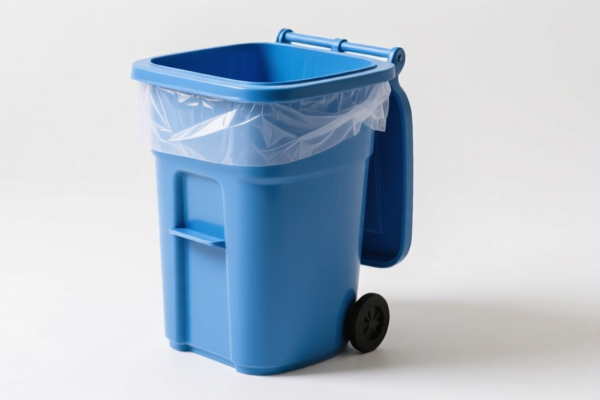
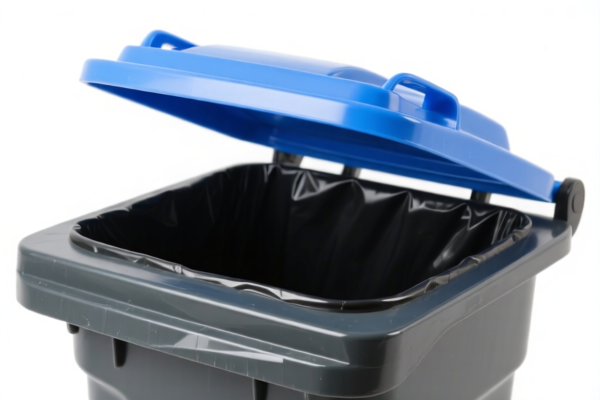

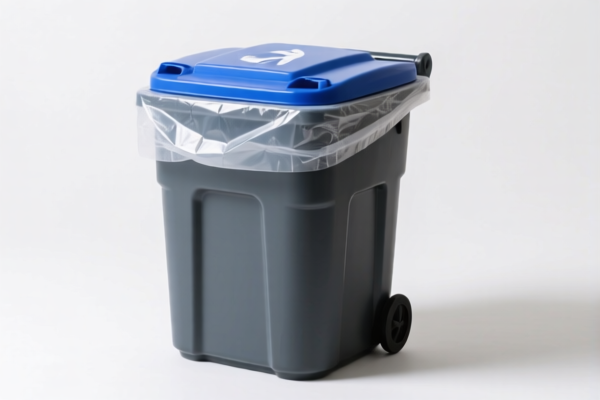
AI Analysis
🗑️ Car Trash Can (Automotive Waste Container)
🌐 HS Code Classification & Customs Clearance Guide | 2026 Tax Rules Analysis | Strategic Compliance Strategy
📌 Part 1: Product Definition & Material Logic – Why Does Material Determine the Code?
A Car Trash Can is not a single commodity in customs terminology; its classification depends entirely on its primary material and structural composition. In international trade, "trash cans" are generally categorized under Chapter 39 (Plastics), Chapter 42 (Articles of Apparel Accessories, Travel Goods), or Chapter 73 (Articles of Iron or Steel).
⚠️ Critical Distinction:
- If it is made of Plastic, it falls under Chapter 39 or 42;
- If it is made of Metal (Iron/Steel), it falls under Chapter 73.
Misclassification due to material error can lead to significant tariff differences (e.g., 20.9% vs. 87.9%).
📦 Part 2: HS Code Classification Details (2026 Latest Tariff Schedule)
Based on the provided data, here are the four possible HS Codes for Car Trash Cans, categorized by material:
| HS Code | Summary Description | Applicable Material/Type |
|---|---|---|
3926.90.10.00 |
Plastic Cans – Complies with the form and material of vehicle trash bins | Plastic (Rigid/Hard Plastic) |
3926.90.99.89 |
Other Plastic/Combined Material Products – Suitable for car trash cans | Plastic/Other Materials (Non-standard plastic or mixed composition not specifically listed as "cans") |
4202.99.90.00 |
Other Containers & Cases – Suitable for plastic or textile car trash cans | Plastic/Textile (Often flexible, bag-like, or integrated into travel goods) |
7326.90.86.88 |
Other Articles of Iron/Steel – Suitable for metal car trash cans | Metal (Iron or Steel frames/housings) |
🔍 Key Insight:
-3926.90.10.00is the most direct classification for standard rigid plastic car trash cans.
-4202.99.90.00is often used for soft-side or fabric-lined trash bins that resemble travel accessories.
-7326.90.86.88applies to metal or heavy-duty steel containers. Warning: This code carries the highest tariff burden.
💰 Part 3: 2026 Tariff Rate Detailed Breakdown (Including Surtaxes)
✅ Applicable Country: United States (US)
✅ Origin: China (CN)
✅ Effective Time: Current regulations including Section 301 & Section 122 surcharges
🎯 1. 3926.90.10.00 – Plastic Cans (Best Cost Option)
| Item | Detail |
|---|---|
| Base Tariff | 3.4% |
| Section 301 Surtax | 7.5% |
| Section 122 Tariff | 10% |
| Total Tax Rate | 20.9% |
| Tax Calculation | CIF Value × 20.9% |
📌 Explanation:
This is the most favorable code for plastic trash cans. The total tax of 20.9% is significantly lower than metal alternatives. It assumes the product is a standard rigid plastic container.
🎯 2. 3926.90.99.89 – Other Plastic/Mixed Products
| Item | Detail |
|---|---|
| Base Tariff | 5.3% |
| Section 301 Surtax | 7.5% |
| Section 122 Tariff | 10% |
| Total Tax Rate | 22.8% |
| Tax Calculation | CIF Value × 22.8% |
📌 Explanation:
Use this code if the trash can has non-standard plastic compositions or is classified as "other plastic articles" not specifically listed as "cans." The rate is only 1.9% higher than3926.90.10.00.
🎯 3. 4202.99.90.00 – Other Containers (Plastic/Textile)
| Item | Detail |
|---|---|
| Base Tariff | 20.0% |
| Section 301 Surtax | 25.0% |
| Section 122 Tariff | 10% |
| Total Tax Rate | 55.0% |
| Tax Calculation | CIF Value × 55.0% |
📌 Explanation:
This code is significantly more expensive. It is typically used for textile-based or soft-sided trash bins that are classified under "Travel Goods" or "Apparel Accessories." Avoid this if the product is primarily rigid plastic.
🎯 4. 7326.90.86.88 – Metal (Iron/Steel) Articles
| Item | Detail |
|---|---|
| Base Tariff | 2.9% |
| Section 301 Surtax | 25.0% |
| Section 122 Tariff | 10% |
| Steel/Aluminum/Copper Surcharge | +50% |
| Total Tax Rate | 87.9% |
| Tax Calculation | CIF Value × 87.9% |
⚠️ CRITICAL WARNING:
- The total tax rate of 87.9% is extremely high.
- The 50% surcharge on steel/aluminum/copper products is a major cost driver.
- Only use this code if the product is predominantly metal. Do not classify plastic items here.
🛠️ Part 4: Customs Clearance Practical Advice (Pitfall Avoidance)
✅ 1. Preparation Checklist (Mandatory)
| Document | Required | Purpose |
|---|---|---|
| Product Specification Sheet | ✔️ | Must explicitly state Material (e.g., "100% PP Plastic" or "Steel Frame with Plastic Liner") |
| Product Photos | ✔️ | Show the trash can’s structure, lid, and any metal/plastic ratio |
| Commercial Invoice | ✔️ | Clearly describe the product as "Plastic Car Trash Can" or "Metal Car Waste Bin" |
| Bill of Lading | ✔️ | Ensure packaging details match the invoice |
✅ 2. Declaration Strategy (Key Rules)
🔥 Golden Rule: "Material First, Code Second. Plastic is Cheap, Metal is Expensive!"
| Scenario | Correct HS Code | Risk if Misclassified |
|---|---|---|
| Standard Plastic Bin | 3926.90.10.00 (20.9%) |
If declared as Metal (7326...) → 87.9% Tax |
| Soft/Textile Bin | 4202.99.90.00 (55.0%) |
If declared as Plastic (3926...) → Underpayment Risk |
| Mixed Material (Plastic+Metal) | Analyze Principal Character | If metal frame is minor, still claim Plastic; if metal is primary structure, risk Metal classification |
| Non-Standard Plastic | 3926.90.99.89 (22.8%) |
Ensure it doesn't fit "Cans" definition, or risk incorrect classification |
✅ 3. Special Cases Handling
| Situation | Handling Advice |
|---|---|
| Plastic Bin with Metal Clip/Lid | If metal parts are <5% by value/weight, declare as Plastic (3926.90.10.00) |
| Steel Bin with Plastic Liner | Must declare as Metal (7326.90.86.88) despite plastic liner. Tax will be 87.9% |
| Fabric/Textile Trash Can | Declare as 4202.99.90.00. Avoid declaring as plastic to prevent customs audits |
| Eco-friendly Biodegradable Plastic | Still classified under Chapter 39 unless specifically exempted. Tax remains 20.9% |
📌 Part 5: Common Errors & Pitfalls (Blood & Tears Lessons)
❌ Error 1: Declaring a Metal Frame trash can as Plastic
👉 Consequence: Customs audit → Back taxes + Penalties. The 50% steel surcharge will be enforced retroactively.
❌ Error 2: Using "Car Accessory" as a generic description
👉 Consequence: Ambiguity leads to customs officer discretion, likely resulting in the highest applicable rate (Metal/87.9%).
❌ Error 3: Ignoring the "Section 122" Tariff
👉 Consequence: All listed rates include the 10% Section 122 tariff. Failure to account for this leads to underpayment.
❌ Error 4: Confusing 3926.90.10.00 and 3926.90.99.89
👉 Consequence: Minor rate difference (20.9% vs 22.8%), but consistency in classification is key for future audits.
✅ Correct Practice:
"Plastic Car Trash Can, 5L Capacity, Black, Made of Polypropylene (PP), with Lid"
🎯 Part 6: Conclusion – Professional Clearance, Cost Savings!
🎯 Remember the Rule:
🔹 "Plastic: ~20-22%. Metal: ~88%. Textile: ~55%."
🔹 "Check Material First. Don't Let Metal Tariffs Destroy Your Profit!"
📌 Pro Tip:
If your car trash can has any significant metal component (e.g., steel frame, metal clips), consider replacing it with plastic or aluminum alternatives (if exempt) to avoid the 50% steel surcharge. For plastic items, 3926.90.10.00 is the most cost-effective and clear classification.
📣 Immediate Action:
📞 Consult with a customs broker to confirm material composition before shipping.
🚀 Ensure your invoice explicitly states "Plastic" or "Metal" to match the HS Code.
✨ Professional Clearance Starts with Accurate Classification!
💼 Save 67% Tax by Choosing the Right HS Code!
Customer Reviews
About HS Code Classification
The Harmonized System (HS) is an internationally standardized nomenclature developed by the World Customs Organization (WCO) to classify traded products. Over 200 countries use the HS system as the basis for customs tariffs, trade statistics, and import/export regulations.
Each HS code follows a hierarchical structure:
- Chapter (2 digits) — Broad category of goods (e.g., Chapter 84: Machinery and Mechanical Appliances)
- Heading (4 digits) — More specific grouping within the chapter
- Subheading (6 digits) — Internationally standardized breakdown, used by all WCO member countries
- National subdivisions (8-10 digits) — Country-specific extensions for further classification, such as US HTSUS 10-digit codes
Correct HS code classification is essential for smooth customs clearance, accurate duty payment, and compliance with trade regulations. Misclassification can lead to customs delays, overpayment of duties, or penalties.
When importing from CN to US, the applicable tariff rates may include:
- Most-Favored-Nation (MFN) rate — The standard duty rate applied to WTO members
- General rate — Applied to countries without trade agreements
- Trade remedy duties — Additional tariffs such as Section 301 (anti-dumping), Section 232 (national security), or countervailing duties
The information provided on this page is for reference purposes only. For official classification, please consult with your local customs authority or a licensed customs broker.