Car Wash Hose
CN → US| HS Code | Tariff Rate | Origin | Destination | Doc |
|---|---|---|---|---|
| 5909002000 | 38.3% | CN | US | Official Doc |
| 4009110000 | 37.5% | CN | US | Official Doc |
| 3917310000 | 38.1% | CN | US | Official Doc |
| 3917390050 | 13.1% | CN | US | Official Doc |
| 4009120050 | 20.0% | CN | US | Official Doc |
Product Images
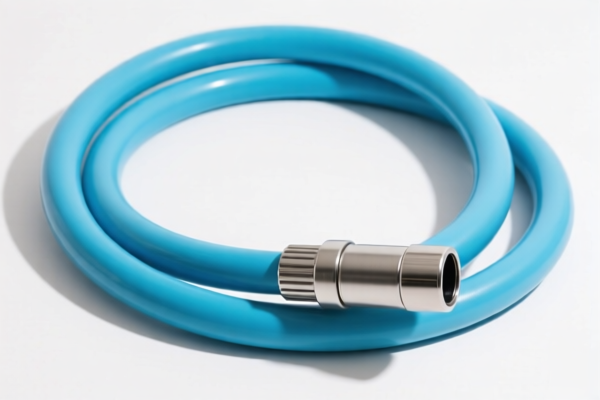
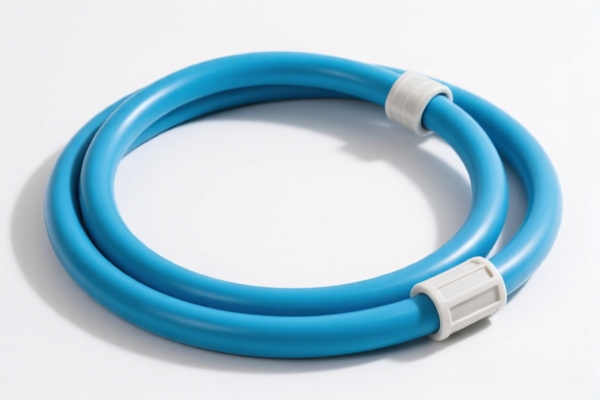
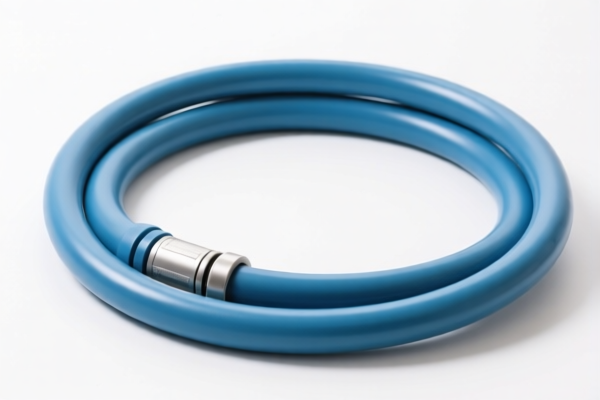
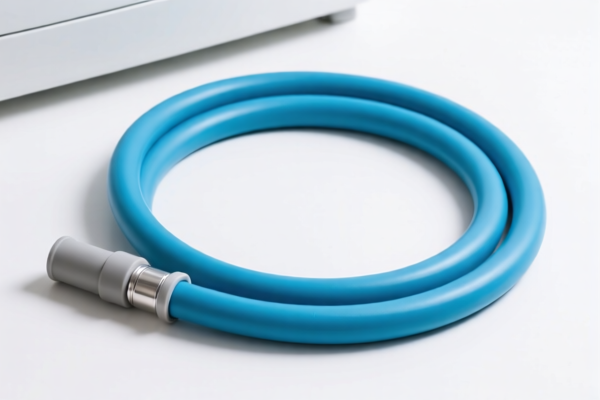
AI Analysis
🚗 Car Wash Hose – Comprehensive HS Code & Tariff Guide (2026 Edition)
🌐 HS Code Classification & Customs Clearance Strategy | 2026 U.S. Tariff Breakdown | Expert-Level Import Compliance
📦 1. Product Definition & Classification: What Exactly Is a "Car Wash Hose"?
A Car Wash Hose is a high-pressure fluid conveyance tube used in pressure washers, industrial cleaning systems, and commercial car wash stations. It must withstand extreme internal pressure (often >1,000 PSI) and resist abrasion, UV, and chemical degradation.
In international trade, these hoses are classified based on material composition, construction, and presence of attachments.
⚠️ Critical Distinction: - Hose with textile reinforcement → Textile-reinforced hose
- Hose made of vulcanized rubber → Rubber hose
- Hose made of plastic (e.g., PVC, polyurethane) → Plastic hose
- Hose with fittings, couplings, or connectors → With attachments
- Hose without any fittings → Without attachments
🧩 2. HS Code Classification Table (2026 U.S. Tariff Schedule)
| HS Code | Product Description | Material | Reinforcement | Attachments? | Key Use Case |
|---|---|---|---|---|---|
5909.00.20.00 |
Textile-reinforced hoses, for high-pressure car wash systems | Textile (e.g., polyester, nylon) + rubber coating | ✅ Yes | ❌ No | Industrial-grade high-pressure hoses |
4009.11.00.00 |
Vulcanized rubber hoses, without attachments | Natural/synthetic rubber | ❌ No | ❌ No | High-pressure washing, no added fittings |
3917.31.00.00 |
Plastic hoses, high burst pressure, for car wash systems | Plastic (e.g., PVC, polyurethane) | ❌ No | ❌ No | High-pressure cleaning, durable plastic |
3917.39.00.50 |
Other plastic hoses, for car wash systems | Plastic | ❌ No | ❌ No | Lower-pressure or general-purpose hoses |
4009.12.00.50 |
Vulcanized rubber hoses, with attachments | Rubber | ❌ No | ✅ Yes | Hoses with couplings, nozzles, or fittings |
🔍 Important Note:
- "With attachments" means the hose includes fittings, connectors, or nozzles permanently or semi-permanently attached.
- If the hose is shipped loose with separate fittings, it may be classified differently — but in this case, it's grouped with the hose if attached.
💰 3. 2026 U.S. Tariff Breakdown (China-Origin, Effective Nov 10, 2025)
✅ Applicable Country: United States (US)
✅ Origin: China (CN)
✅ Effective Date: November 10, 2025 (and ongoing)
✅ Tax Basis: CIF Value (Cost + Insurance + Freight)
🎯 1. 5909.00.20.00 — Textile-Reinforced Hose (High-Pressure Car Wash)
| Item | Detail |
|---|---|
| Base Duty | 3.3% (ad valorem) |
| Section 301 (USITC) Additional Duty | +25.0% |
| Section 122 (IEEPA) Emergency Duty | +10.0% |
| Total Effective Duty | 38.3% |
| Tax Calculation | CIF × 38.3% |
| De Minimis Threshold | ❌ Not applicable (denied under U.S. law) |
| Legal Basis Path | IEEPA:9903.01.25 → IEEPA:9903.01.24 → USITC:5909.00.20.00 → FOOTNOTE:9903.88.01 |
📌 Explanation: - USITC 25%: Imposed under Section 301 of the Trade Act of 1974 due to China’s unfair trade practices. - IEEPA 10%: From the International Emergency Economic Powers Act, targeting Chinese-origin goods under national security concerns. - Total: 38.3% — one of the highest tariffs in the automotive/industrial supply chain.
🎯 2. 4009.11.00.00 — Vulcanized Rubber Hose (No Attachments)
| Item | Detail |
|---|---|
| Base Duty | 2.5% |
| Section 301 (USITC) Additional Duty | +25.0% |
| Section 122 (IEEPA) Emergency Duty | +10.0% |
| Total Effective Duty | 37.5% |
| Tax Calculation | CIF × 37.5% |
| De Minimis | ❌ Not eligible |
| Legal Basis Path | IEEPA:9903.01.25 → IEEPA:9903.01.24 → USITC:4009.11.00.00 → FOOTNOTE:9903.88.01 |
📌 Key Insight: - Rubber hoses without fittings are still subject to full 37.5%. - Even if the hose is “simple” or “standard,” material type and origin trigger the same tariffs.
🎯 3. 3917.31.00.00 — High-Burst-Pressure Plastic Hose
| Item | Detail |
|---|---|
| Base Duty | 3.1% |
| Section 301 (USITC) Additional Duty | +25.0% |
| Section 122 (IEEPA) Emergency Duty | +10.0% |
| Total Effective Duty | 38.1% |
| Tax Calculation | CIF × 38.1% |
| De Minimis | ❌ Not eligible |
| Legal Basis Path | IEEPA:9903.01.25 → IEEPA:9903.01.24 → USITC:3917.31.00.00 → FOOTNOTE:9903.88.01 |
📌 Note: - This applies to high-performance plastic hoses (e.g., polyurethane, reinforced PVC) used in industrial car wash systems. - Even if the hose is lightweight or flexible, if it meets high burst pressure, it falls under this code.
🎯 4. 3917.39.00.50 — Other Plastic Hoses (General Use)
| Item | Detail |
|---|---|
| Base Duty | 3.1% |
| Section 301 (USITC) Additional Duty | +0.0% |
| Section 122 (IEEPA) Emergency Duty | +10.0% |
| Total Effective Duty | 13.1% |
| Tax Calculation | CIF × 13.1% |
| De Minimis | ✅ Eligible (if value < $800) |
| Legal Basis Path | IEEPA:9903.01.25 → IEEPA:9903.01.24 → USITC:3917.39.00.50 → FOOTNOTE:9903.88.01 |
📌 Critical Difference: - This code applies to non-high-pressure plastic hoses (e.g., garden hoses, low-pressure cleaning). - No Section 301 duty — a major cost saver. - De Minimis applies → $800 threshold → no duty if below.
✅ Use Case:
- Garden hoses used for car washing (not industrial pressure washers)
- Low-pressure cleaning in residential settings
🎯 5. 4009.12.00.50 — Vulcanized Rubber Hose (With Attachments)
| Item | Detail |
|---|---|
| Base Duty | 2.5% |
| Section 301 (USITC) Additional Duty | +7.5% |
| Section 122 (IEEPA) Emergency Duty | +10.0% |
| Total Effective Duty | 20.0% |
| Tax Calculation | CIF × 20.0% |
| De Minimis | ❌ Not eligible |
| Legal Basis Path | IEEPA:9903.01.25 → IEEPA:9903.01.24 → USITC:4009.12.00.50 → FOOTNOTE:9903.88.01 |
📌 Why Lower Duty? - USITC 7.5% instead of 25% — because the attachment triggers a different tariff treatment. - However, IEEPA 10% still applies. - Total: 20.0% — still high, but 17.5% lower than the no-attachment version.
✅ Best for:
- Hoses sold with nozzles, couplings, or quick-connect fittings — common in retail.
🛠️ 4. Customs Clearance Best Practices (Pro Tips to Avoid Penalties)
✅ 1. Essential Documentation Checklist
| Document | Required? | Why It Matters |
|---|---|---|
| ✅ Commercial Invoice | ✔️ | Must clearly state product description, HS Code, origin, CIF value |
| ✅ Packing List | ✔️ | Shows number of hoses, length, weight, attachment status |
| ✅ Product Photos (with fittings) | ✔️ | Proves presence/absence of attachments |
| ✅ Material Safety Data Sheet (MSDS) | ✔️ | For plastic/rubber hoses (chemical compliance) |
| ✅ Test Reports (burst pressure, UV resistance) | ✔️ | Supports classification as "high-pressure" |
| ✅ Certificate of Origin (CO) | ✔️ | Needed for tariff claims (e.g., if from Vietnam/Mexico) |
| ✅ Labeling & Marking (HS Code on packaging) | ✔️ | Helps customs verify at port |
✅ 2.申报技巧(申报口诀)
🔥 “材料定税,附件降税,高压38%,附件20%,拆开就完蛋!”
| Scenario | Correct HS Code | Wrong Code | Risk |
|---|---|---|---|
| Textile-reinforced, no fittings | 5909.00.20.00 |
3917.31.00.00 |
+38.3% vs 38.1% → minor but critical |
| Rubber hose, with nozzle | 4009.12.00.50 |
4009.11.00.00 |
20% vs 37.5% → huge cost difference |
| Plastic hose, low-pressure | 3917.39.00.50 |
3917.31.00.00 |
13.1% vs 38.1% → 25% savings |
| Hoses sold loose (no fittings) | 4009.11.00.00 |
4009.12.00.50 |
37.5% vs 20% → overpaying |
✅ 3. Special Cases & Risk Mitigation
| Situation | Recommended Action |
|---|---|
| Hose sold with nozzle | Use 4009.12.00.50 — lower duty |
| Hose with multiple fittings | Still use 4009.12.00.50 — attachments count |
| Hose labeled "for car wash" but low pressure | Use 3917.39.00.50 — only if pressure < 1,000 PSI |
| Hose from Vietnam/Mexico | Apply for IEEPA exemption — 0% duty |
| Hose with custom fittings | Provide engineering drawings — avoid "no attachment" misclassification |
🌍 5. Global Market Tariff Comparison (2026)
| Country | Recommended HS Code | Base Duty | Additional Duties | Total | Notes |
|---|---|---|---|---|---|
| 🇺🇸 United States | 5909.00.20.00 |
3.3% | +35.0% | 38.3% | High-risk, no de minimis |
| 🇨🇳 China | 5909.00.20.00 |
5% | 0% | 5% | No extra tariffs |
| 🇪🇺 European Union | 5909.00.20.00 |
0% | 0% | 0% | CE marked only |
| 🇦🇺 Australia | 5909.00.20.00 |
5% | 0% | 5% | No additional duties |
| 🇯🇵 Japan | 5909.00.20.00 |
0% | 0% | 0% | No extra tariffs |
📌 Insight:
- U.S. is the only market with 38%+ tariffs on high-pressure hoses. - China, EU, Australia, Japan have low or zero tariffs. - Consider shifting production to Vietnam/Mexico to avoid U.S. tariffs.
🚨 6. Common Mistakes & Costly Errors (Real-World Pitfalls)
❌ Mistake 1: Classifying a high-pressure plastic hose as 3917.39.00.50
👉 Result: 38.1% duty instead of 13.1% → $25,000+ extra tax on $100K shipment
❌ Mistake 2: Not declaring fittings when attached
👉 Result: Misclassified as 4009.11.00.00 → 37.5% vs 20% → 17.5% extra cost
❌ Mistake 3: Using “car wash hose” in invoice without pressure specs
👉 Result: Customs may assume high-pressure → 38.3% duty
❌ Mistake 4: Shipment split into “hose” + “fittings”
👉 Result: Each item taxed separately → up to 89.5% total duty
✅ Correct Approach:
“High-Pressure Textile-Reinforced Hose, 50 ft, 1.5” ID, 1,200 PSI, with Brass Couplings, for Car Wash Systems, CIF $12,000, Origin: China, HS: 5909.00.20.00”
🎯 7. Final Verdict: Strategic Import Planning
🔹 For High-Pressure Hoses (Industrial Use):
- HS Code:5909.00.20.00,4009.11.00.00, or3917.31.00.00
- Duty: 38.3%, 37.5%, or 38.1% — extremely high
- Action: Avoid U.S. entry unless absolutely necessary; shift to Vietnam/Mexico🔹 For Low-Pressure or Retail Hoses (With Fittings):
- HS Code:3917.39.00.50or4009.12.00.50
- Duty: 13.1% or 20.0% — much more manageable
- Action: Use de minimis for small shipments (<$800)🔹 For U.S. Market?
- Apply for pre-ruling (Advance Ruling) to lock in HS Code and duty
- Use a U.S.-based customs broker with experience in industrial hoses
📌 8. Pro Tips & Takeaways
✅ “Material matters, attachments saves, pressure kills, origin decides.”
✅ “If it’s high-pressure, it’s 38%. If it’s with fittings, it’s 20%. If it’s plastic and low-pressure, it’s 13.1%.”
✅ “Never split a hose and fittings — you’ll pay 89.5% total.”
📣 Immediate Action Plan:
📞 Contact a U.S. Customs Broker + submit product photos + specs
🚀 Apply for HS Code Pre-Ruling (Advance Ruling)
🌐 Consider shifting production to Vietnam, Mexico, or Thailand to avoid 38%+ tariffs
✨ Professional Importing Starts with Precise Classification!
💼 Your profit margin depends on the right HS Code. Don’t gamble — get it right the first time.
Customer Reviews
About HS Code Classification
The Harmonized System (HS) is an internationally standardized nomenclature developed by the World Customs Organization (WCO) to classify traded products. Over 200 countries use the HS system as the basis for customs tariffs, trade statistics, and import/export regulations.
Each HS code follows a hierarchical structure:
- Chapter (2 digits) — Broad category of goods (e.g., Chapter 84: Machinery and Mechanical Appliances)
- Heading (4 digits) — More specific grouping within the chapter
- Subheading (6 digits) — Internationally standardized breakdown, used by all WCO member countries
- National subdivisions (8-10 digits) — Country-specific extensions for further classification, such as US HTSUS 10-digit codes
Correct HS code classification is essential for smooth customs clearance, accurate duty payment, and compliance with trade regulations. Misclassification can lead to customs delays, overpayment of duties, or penalties.
When importing from CN to US, the applicable tariff rates may include:
- Most-Favored-Nation (MFN) rate — The standard duty rate applied to WTO members
- General rate — Applied to countries without trade agreements
- Trade remedy duties — Additional tariffs such as Section 301 (anti-dumping), Section 232 (national security), or countervailing duties
The information provided on this page is for reference purposes only. For official classification, please consult with your local customs authority or a licensed customs broker.