Car Wash Kit
CN → US| HS Code | Tariff Rate | Origin | Destination | Doc |
|---|---|---|---|---|
| 8424209000 | 35.0% | CN | US | Official Doc |
| 8509805095 | 14.2% | CN | US | Official Doc |
| 8509801000 | 10.0% | CN | US | Official Doc |
| 8424899000 | 36.8% | CN | US | Official Doc |
| 5603920070 | 35.0% | CN | US | Official Doc |
Product Images
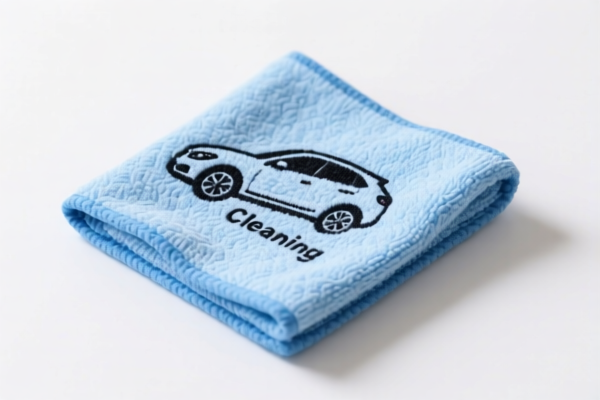
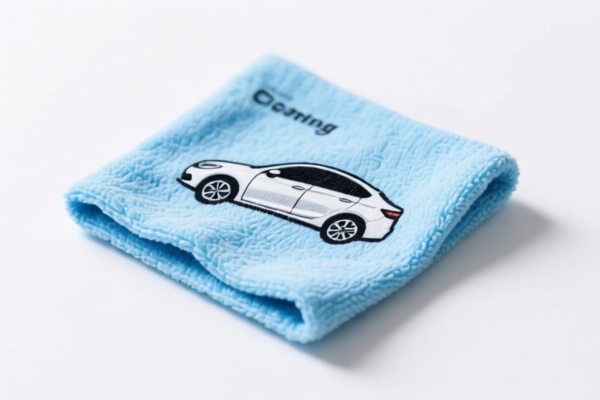
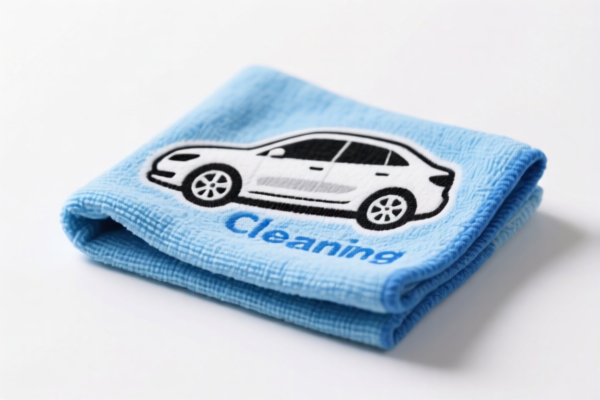
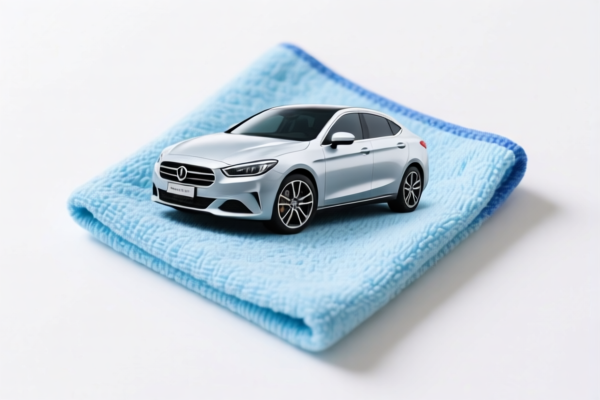
AI Analysis
🚗 Car Wash Kit (洗车器/洗车手套)
🌐 HS Code Reference & Customs Clearance Guide | 2026 Latest Tariff Analysis | Professional Clearance Strategy
📌 I. Product Definition & Classification: Do You Really Understand the "Car Wash Kit"?
A "Car Wash Kit" is a composite or ambiguous term in international trade, typically encompassing two distinct categories of goods:
1. Mechanical Liquid Spraying Devices: Such as high-pressure washers, foam cannons, or manual spray guns. These fall under Chapter 84 (Machinery).
2. Cleaning Accessories: Such as microfiber towels, sponges, or non-woven gloves. These fall under Chapter 56 or Chapter 85 (if motorized).
⚠️ Critical Distinction:
- If the product is a mechanical device for spraying/dispersing liquid (e.g., spray gun, pressure washer) → It belongs to 8424 or 8424.89.
- If the product is a portable electric appliance for home use (e.g., battery-powered handheld washer) → It belongs to 8509.80.
- If the product is a textile/cloth item (e.g., car wash glove) → It belongs to 5603.
📦 II. HS Code Classification Details (2026 Latest Tariff Authority对照)
Based on the provided data, here is the breakdown of how different interpretations of "Car Wash Kit" affect classification and taxation.
| HS Code | Product Description | Application Scenario | Tax Rate (Total) | Key Justification |
|---|---|---|---|---|
8424.20.90.00 |
Mechanical器具 for spraying/dispersing liquids (e.g., spray guns, nozzles) | Industrial/Professional car washing equipment, spray nozzles | 35.0% | Defined as "mechanical appliances for projecting, dispersing, or spraying liquids." |
8509.80.50.95 |
Portable/Home Electric Appliances with self-contained motor (e.g., cordless car washers) | Home-use, portable battery-powered washers, small electric cleaning devices | 14.2% | Fits the definition of "other appliances" with self-contained motor for household/portable use. |
8509.80.10.00 |
Other Motor-driven Household/Small Electric Appliances | Compact electric washers, small motorized cleaning tools | 10.0% | Classified under the "catch-all" logic for motor-driven household/small electric appliances. |
8424.89.90.00 |
Other Mechanical Appliances for Spraying Liquids/Powders | General mechanical sprayers, foam machines, non-electric or complex mechanical sprayers | 36.8% | Broad definition for mechanical appliances for projecting/dispersing liquids not specifically listed elsewhere. |
5603.92.00.70 |
Non-woven Fabrics/Cloth Items (e.g., Car Wash Gloves, Sponges) | Microfiber towels, cleaning gloves, sponges made of non-woven fabric or fiber | 35.0% | Defined as industrial/retail non-woven products, fitting the material description of cleaning cloths/gloves. |
🔍 Key Reminder:
- Electrical vs. Mechanical: If the car washer has a motor and is for home use, it may qualify for the lower tax rates under 8509 (10% or 14.2%). If it is purely mechanical (no motor, e.g., hose-connected spray gun), it falls under 8424 (35-36.8%).
- Accessory vs. Device: Cleaning gloves/cloths are textiles (5603), not machinery. Do not misclassify them as8424equipment.
💰 III. 2026 Latest Tariff Rate Breakdown (Including Additional Taxes & Policies)
✅ Applicable Country: United States (US)
✅ Origin: China (CN)
✅ Effective Date: 2025-11-10 onwards (including subsequent imports)
🎯 1. 8424.20.90.00 —— Mechanical Spraying Appliances (Spray Guns, Nozzles)
| Item | Content |
|---|---|
| Base Duty | 0.0% (ad valorem) |
| Section 301 Additional Duty | +25.0% (USITC Footnote) |
| Section 122 IEEPA Additional Duty | +10.0% (Targeting China/HK products from 2025-11-10) |
| Total Effective Rate | 35.0% |
| Tax Calculation | CIF Value × 35% |
| De Minimis Exemption Eligible? | ❌ No (deny_de_minimis) |
| Legal Basis Path | IEEPA:9903.01.25 → IEEPA:9903.01.24 → USITC:8424.20.90.00 → FOOTNOTE:9903.88.01 |
📌 Explanation:
- "25% Additional Duty" comes from Section 301 of the US Trade Act;
- "10% IEEPA Duty" is the emergency economic power act surcharge;
- Total 35% is a high tariff, requiring advance planning.
🎯 2. 8509.80.50.95 —— Portable/Home Electric Appliances (Battery-powered Washers)
| Item | Content |
|---|---|
| Base Duty | 4.2% |
| Section 301 Additional Duty | 0.0% |
| Section 122 IEEPA Additional Duty | +10.0% |
| Total Effective Rate | 14.2% |
| Tax Calculation | CIF Value × 14.2% |
| De Minimis Exemption Eligible? | ❌ No (deny_de_minimis) |
| Legal Basis Path | IEEPA:9903.01.25 → IEEPA:9903.01.24 → USITC:8509.80.50.95 → FOOTNOTE:9903.88.01 |
📌 Note:
- Lower base duty (4.2%) makes this category more favorable than mechanical sprayers;
- Applies to motorized, portable devices for home use.
🎯 3. 8509.80.10.00 —— Other Motor-driven Household Appliances
| Item | Content |
|---|---|
| Base Duty | 0.0% |
| Section 301 Additional Duty | 0.0% |
| Section 122 IEEPA Additional Duty | +10.0% |
| Total Effective Rate | 10.0% |
| Tax Calculation | CIF Value × 10.0% |
| De Minimis Exemption Eligible? | ❌ No (deny_de_minimis) |
| Legal Basis Path | IEEPA:9903.01.25 → IEEPA:9903.01.24 → USITC:8509.80.10.00 → FOOTNOTE:9903.88.01 |
📌 Optimal Choice:
- If the product is a small electric appliance, this code offers the lowest total tax (10%);
- However, strict adherence to "household/small electric appliance" definition is required.
🎯 4. 8424.89.90.00 —— Other Mechanical Spraying Appliances
| Item | Content |
|---|---|
| Base Duty | 1.8% |
| Section 301 Additional Duty | +25.0% |
| Section 122 IEEPA Additional Duty | +10.0% |
| Total Effective Rate | 36.8% |
| Tax Calculation | CIF Value × 36.8% |
| De Minimis Exemption Eligible? | ❌ No (deny_de_minimis) |
| Legal Basis Path | IEEPA:9903.01.25 → IEEPA:9903.01.24 → USITC:8424.89.90.00 → FOOTNOTE:9903.88.01 |
📌 Warning:
- This is the highest tax bracket among mechanical options;
- Only use if the product does not fit8424.20(spray guns) or other specific subheadings.
🎯 5. 5603.92.00.70 —— Car Wash Gloves/Non-woven Fabrics
| Item | Content |
|---|---|
| Base Duty | 0.0% |
| Section 301 Additional Duty | +25.0% |
| Section 122 IEEPA Additional Duty | +10.0% |
| Total Effective Rate | 35.0% |
| Tax Calculation | CIF Value × 35.0% |
| De Minimis Exemption Eligible? | ❌ No (deny_de_minimis) |
| Legal Basis Path | IEEPA:9903.01.25 → IEEPA:9903.01.24 → USITC:5603.92.00.70 → FOOTNOTE:9903.88.01 |
📌 Clarification:
- Textile items like gloves are subject to the same additional taxes as machinery if originating from China;
- Do not confuse these with the mechanical washer itself.
🛠️ IV. Customs Clearance Practical Advice (Real-world Pitfall Avoidance Guide)
✅ 1. Required Documentation Checklist (None can be omitted)
| Document | Mandatory | Description |
|---|---|---|
| ✅ Product Specifications | ✔️ | Include model, power source (electric/mechanical), material, dimensions |
| ✅ Circuit Diagram / Structure | ✔️ | To determine if it has a motor (distinguishes 8509 from 8424) |
| ✅ Product Photos (with Nameplate) | ✔️ | Clear view of model, brand, input/output parameters |
| ✅ Third-party Test Report | ✔️ | FCC, CE, RoHS, UL (if applicable) |
| ✅ Commercial Invoice | ✔️ | Clearly state "Electric Car Washer" or "Non-woven Cleaning Glove" |
| ✅ Certificate of Origin (CO) | ✔️ | If not of Chinese origin, can apply for preferential rates |
| ✅ Packing List | ✔️ | Explain relationship between main item and accessories, avoid split declaration |
✅ 2. Declaration Tips (Key Mnemonic)
🔥 "Motorized Home Use = 10-14%, Mechanical Spray = 35%+, Gloves = Textile 35%!"
| Scenario | Correct Declaration | Wrong Practice |
|---|---|---|
| Electric Handheld Washer | 8509.80.10.00 or 8509.80.50.95 |
Misdeclare as mechanical → 35%+ |
| Mechanical Spray Gun | 8424.20.90.00 |
Misdeclare as electric → 10% |
| Car Wash Glove/Cloth | 5603.92.00.70 |
Misdeclare as machinery → 35% + Compliance Issues |
| Kit (Machine + Gloves) | Declare Separately | Bundle together → Complex classification risk |
⚠️ Important: If a "Car Wash Kit" contains both a machine and gloves, declare them separately. Mixing them into one HS Code can lead to misclassification penalties.
✅ 3. Special Situation Handling
| Situation | Handling Advice |
|---|---|
| OEM Custom Washer | Provide customer order + design drawings to avoid "non-standard" classification |
| Battery-powered vs. Corded | Both fall under 8509 if for home use, but specify power type in declaration |
| Gloves in a Box with Machine | Declare gloves as 5603 and machine as 8509 or 8424 separately |
| Industrial High-Pressure Washer | Likely 8424 (35%+), not 8509 (10%). Verify voltage/amperage |
🌍 V. Global Market Comparison (2026 Latest)
| Country/Region | Recommended HS Code | Tariff | Certification | Notes |
|---|---|---|---|---|
| 🇺🇸 USA | 8509.80.10.00 |
10% | FCC + UL | Best rate for electric; 35% for mechanical/textiles |
| 🇨🇳 China | 8509.80.10.00 |
0-10% | CCC + RoHS | No additional tariffs; domestic consumption friendly |
| 🇪🇺 EU | 8509.80.10.00 |
0-4% | CE + ErP | No additional tariffs; strict safety compliance needed |
| 🇦🇺 Australia | 8509.80.10.00 |
5% | RCM | No additional tariffs |
| 🇯🇵 Japan | 8509.80.10.00 |
0% | PSE | No additional tariffs |
📌 Conclusion:
- USA is the only market imposing heavy additional tariffs (Section 301 + IEEPA);
- Electric household appliances (8509) are the most tax-efficient option for the US market (10%);
- Mechanical sprayers and textiles face higher taxes (35-36.8%);
- Consider supply chain diversification (e.g., assembling in Vietnam/Mexico) to potentially avoid IEEPA/301 duties if eligible.
📌 VI. Common Errors & Pitfall Guide (Lessons Learned)
❌ Error 1: Declaring an electric car washer as a "mechanical spray gun" (8424)
👉 Consequence: Tax jumps from 10% to 35% → Overpayment of 25%!
❌ Error 2: Bundling gloves and machine into one HS Code
👉 Consequence: Classification error → Delay in release or return!
❌ Error 3: Not providing circuit diagrams for electric devices
👉 Consequence: Customs cannot verify motor presence → Audit or penalty!
❌ Error 4: Assuming "Kit" implies a single HS Code
👉 Consequence: Mixed goods must be declared separately → Complexity and risk!
✅ Correct Approach:
"Electric Portable Car Washer, 12V, Lithium Battery, Cordless, Model XYZ, FCC Certified" →
8509.80.10.00
"Non-woven Microfiber Car Wash Glove, Pack of 5, Material: 80% Polyester, 20% Nylon" →5603.92.00.70
🎯 VII. Conclusion: Professional Declaration Saves Money!
🎯 Remember the Mnemonic:
🔹 "Electric Home Use = 10%, Mechanical Spray = 35%, Gloves = Textile 35%!"
🔹 "HS Code determines fate, 25% difference means thousands of dollars!"
📌 Pro Tip:
If your products are originally from Vietnam, Mexico, Thailand, or Malaysia, you may apply for IEEPA Exemption, with rates as low as 0%~5%.
It is highly recommended to apply for Advance Ruling (Pre-classification) before shipment to avoid clearance risks.
📣 Immediate Action:
📞 Contact a professional customs broker + Provide product images + Apply for HS Code Advance Ruling
🚀 Ensure your Car Wash Kit clears customs smoothly, efficiently, and profitably!
✨ Professional Clearance Starts with Accurate Classification!
💼 Every Cent of Your Cost Deserves Precise Calculation!
Customer Reviews
About HS Code Classification
The Harmonized System (HS) is an internationally standardized nomenclature developed by the World Customs Organization (WCO) to classify traded products. Over 200 countries use the HS system as the basis for customs tariffs, trade statistics, and import/export regulations.
Each HS code follows a hierarchical structure:
- Chapter (2 digits) — Broad category of goods (e.g., Chapter 84: Machinery and Mechanical Appliances)
- Heading (4 digits) — More specific grouping within the chapter
- Subheading (6 digits) — Internationally standardized breakdown, used by all WCO member countries
- National subdivisions (8-10 digits) — Country-specific extensions for further classification, such as US HTSUS 10-digit codes
Correct HS code classification is essential for smooth customs clearance, accurate duty payment, and compliance with trade regulations. Misclassification can lead to customs delays, overpayment of duties, or penalties.
When importing from CN to US, the applicable tariff rates may include:
- Most-Favored-Nation (MFN) rate — The standard duty rate applied to WTO members
- General rate — Applied to countries without trade agreements
- Trade remedy duties — Additional tariffs such as Section 301 (anti-dumping), Section 232 (national security), or countervailing duties
The information provided on this page is for reference purposes only. For official classification, please consult with your local customs authority or a licensed customs broker.