Car Wash Towel
CN → US| HS Code | Tariff Rate | Origin | Destination | Doc |
|---|---|---|---|---|
| 5603920070 | 35.0% | CN | US | Official Doc |
| 6307102030 | 22.8% | CN | US | Official Doc |
| 6307101090 | 21.6% | CN | US | Official Doc |
| 5603110070 | 35.0% | CN | US | Official Doc |
| 3926909989 | 22.8% | CN | US | Official Doc |
Product Images
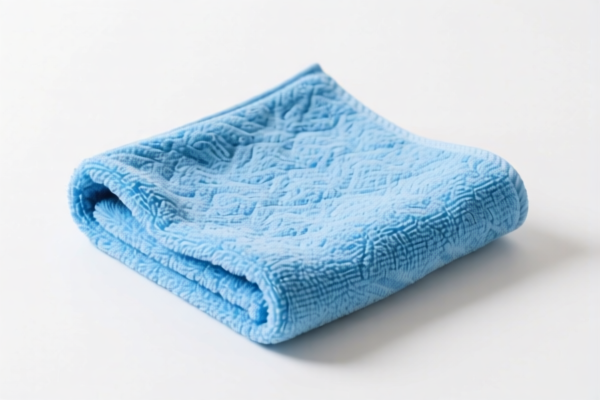
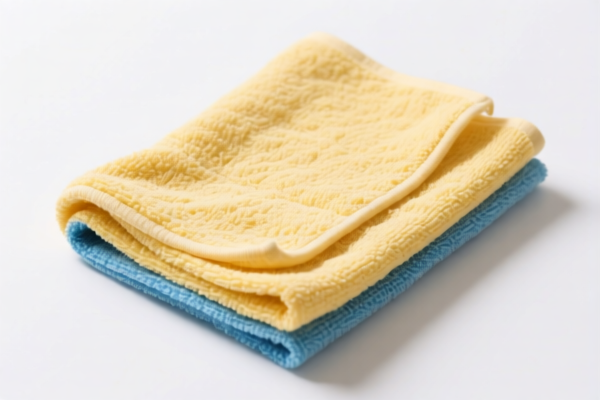
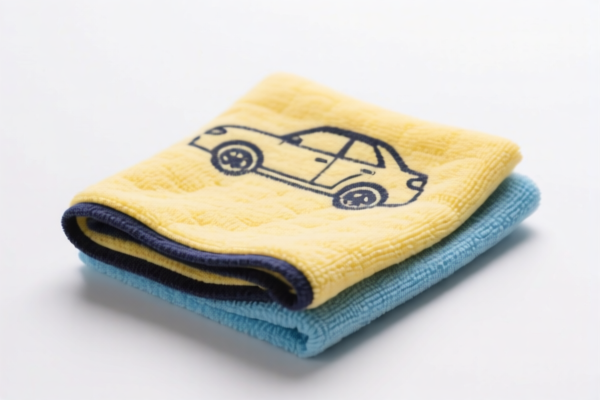
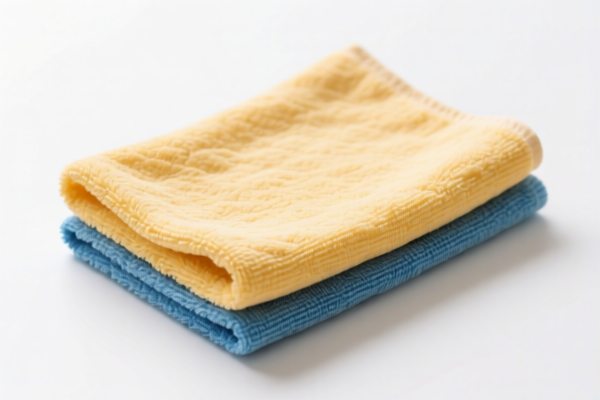
AI Analysis
🚗 Car Wash Towel (Automobile Cleaning Cloth)
🌐 HS Code Reference & Clearance Guide | 2026 Latest Tariff Analysis | Professional-Level Customs Strategy
📌 1. Product Definition & Classification: What exactly is a "Car Wash Towel"?
A car wash towel is a specialized textile or non-woven product used for cleaning, drying, and polishing automobiles. In international trade, its classification depends heavily on material composition (woven vs. non-woven, natural vs. synthetic) and manufacturing process. It is generally categorized under Textiles, Knitted/Crocheted Fabrics, or Made-Up Articles.
Key Distinction Points:
- Non-Woven Synthetic Fibers: If made from synthetic fibers (like polyester microfiber) via needle-punching or chemical bonding without weaving → Often falls under Chapter 56 (Non-wovens).
- Woven/Textile Cleaning Cloths: If made from woven fabrics (cotton, polyester blends, etc.) specifically for cleaning → Often falls under Chapter 63 (Other Made-Up Textile Articles).
- Plastic/Synthetic Resins: If the "fabric" is essentially a plastic sheet or matting that resembles a cloth but is technically plastic → Chapter 39.
📦 2. HS Code Classification Details (2026 Latest Tariff Authority Cross-Reference)
| HS Code | Product Description | Application Scenario | Material Type | Total Tax Rate (China Origin) |
|---|---|---|---|---|
5603.92.00.70 |
Non-woven fabrics, weight >10g/m² but ≤30g/m², other materials (e.g., synthetic non-woven cleaning mats) | Industrial cleaning pads, disposable non-woven car wipes | Non-woven Synthetic | 35.0% |
6307.10.20.30 |
Other made-up articles, including cleaning cloths, of all textile materials | Standard microfiber car towels, woven cleaning cloths | Textile/Weaved | 22.8% |
6307.10.10.90 |
Cleaning cloths, dusting cloths, of cotton | Cotton-based car wash towels, traditional lint-free wipes | Cotton/Natural Fiber | 21.6% |
5603.11.00.70 |
Non-woven fabrics, weight ≤10g/m², of synthetic fibers | Ultra-thin non-woven polishing pads, disposable synthetic wipes | Thin Non-woven Synthetic | 35.0% |
3926.90.99.89 |
Other articles of plastics and articles of other materials of headings 3901-3914 | Plastic-fiber cloths, synthetic resin-based cleaning mats that don't qualify as textiles | Plastic/Synthetic Resin | 22.8% |
🔍 Critical Note:
- Non-woven (5603) products often face higher duties due to specific trade measures.
- Textile Cleaning Cloths (6307.10) are the most common category for reusable microfiber car towels.
- Plastic Articles (3926) apply if the item is technically a plastic mat or sheet that merely "looks" like a cloth.
💰 3. 2026 Latest Tariff Rate Breakdown (Including Additional Duties & Policy Add-ons)
✅ Applicable Country: United States (US)
✅ Origin: China (CN)
✅ Effective Time: Post-November 10, 2025 (and subsequent imports)
🎯 1. HS Code: 5603.92.00.70 & 5603.11.00.70 — Non-Woven Textiles
| Item | Details |
|---|---|
| Base Tariff | 0.0% |
| Section 301 Additional Duty | +25.0% (Standard USITC 301 Footnote) |
| Section 122 Duty | +10.0% (Targeted China Import Duty) |
| Total Rate | 35.0% |
| Calculation | CIF Value × 35% |
| De Minimis Exemption | ❌ Not Applicable |
| Legal Basis | USITC:5603.92.00.70 → FOOTNOTE:301 + IEEPA:122 |
📌 Explanation:
- Non-woven products are heavily scrutinized. The 25% Section 301 tariff is applied on top of the base rate.
- The 10% Section 122 tariff adds further cost.
- Total 35% is a significant cost driver for non-woven car wipes.
🎯 2. HS Code: 6307.10.20.30 — Other Cleaning Cloths (Textile)
| Item | Details |
|---|---|
| Base Tariff | 5.3% |
| Section 301 Additional Duty | +7.5% (Specific sub-rate for certain textile articles) |
| Section 122 Duty | +10.0% |
| Total Rate | 22.8% |
| Calculation | CIF Value × 22.8% |
| De Minimis Exemption | ❌ Not Applicable |
| Legal Basis | USITC:6307.10.20.30 → FOOTNOTE:301.7.5 + IEEPA:122 |
📌 Explanation:
- Reusable microfiber or woven cleaning cloths fall here.
- The base rate is higher (5.3%), but the Section 301 add-on is lower (7.5%) compared to non-wovens.
- Total 22.8% is more favorable than non-wovens.
🎯 3. HS Code: 6307.10.10.90 — Cotton Cleaning Cloths
| Item | Details |
|---|---|
| Base Tariff | 4.1% |
| Section 301 Additional Duty | +7.5% |
| Section 122 Duty | +10.0% |
| Total Rate | 21.6% |
| Calculation | CIF Value × 21.6% |
| De Minimis Exemption | ❌ Not Applicable |
| Legal Basis | USITC:6307.10.10.90 → FOOTNOTE:301.7.5 + IEEPA:122 |
📌 Explanation:
- Cotton-based towels are the lowest taxed option among the textile categories.
- Base rate is 4.1%, plus 7.5% Section 301, plus 10% Section 122.
- Total 21.6% is the most cost-effective for natural fiber towels.
🎯 4. HS Code: 3926.90.99.89 — Plastic/Synthetic Articles
| Item | Details |
|---|---|
| Base Tariff | 5.3% |
| Section 301 Additional Duty | +7.5% |
| Section 122 Duty | +10.0% |
| Total Rate | 22.8% |
| Calculation | CIF Value × 22.8% |
| De Minimis Exemption | ❌ Not Applicable |
| Legal Basis | USITC:3926.90.99.89 → FOOTNOTE:301.7.5 + IEEPA:122 |
📌 Explanation:
- If the "towel" is made of plastic fibers or resin mats, it is classified here.
- Same tax burden as woven textile cleaning cloths (22.8%).
- Risk: Misclassification from Textile (6307) to Plastic (3926) can lead to delays if materials don't match customs definitions.
🛠️ 4. Customs Clearance Practical Advice (Real-World Pitfall Guide)
✅ 1. Required Documentation Checklist
| Document | Mandatory? | Description |
|---|---|---|
| ✅ Product Specification Sheet | ✔️ | Detail material (cotton, polyester, microfiber), weight, GSM, and manufacturing process (woven vs. non-woven). |
| ✅ Material Composition Label | ✔️ | Clearly state % of fibers (e.g., "80% Polyester, 20% Polyamide Microfiber"). |
| ✅ Product Photos | ✔️ | Show texture, tags, and packaging. Distinguish between "disposable non-woven" and "reusable woven". |
| ✅ Commercial Invoice | ✔️ | Use precise description: "Microfiber Car Wash Towel, Polyester, Reusable" or "Non-Woven Disposable Cleaning Pad". |
| ✅ Packing List | ✔️ | Ensure quantity and weight match invoice. |
| ✅ Test Report (Optional but Recommended) | ✔️ | Fiber composition test report to prove non-woven vs. woven status. |
✅ 2. Declaration Tips (Key Mantra)
🔥 "Material Defines HS, Weave vs. Non-Weave, Label Clearly, Avoid 35%!"
| Scenario | Correct HS Code | Mistake to Avoid |
|---|---|---|
| Reusable Microfiber Towel | 6307.10.20.30 (22.8%) |
Misdeclare as non-woven → 35.0% |
| Cotton Car Towel | 6307.10.10.90 (21.6%) |
Misdeclare as synthetic → Higher tax |
| Disposable Non-Woven Wipe | 5603.92.00.70 (35.0%) |
Accept high cost or redesign product |
| Plastic Cleaning Mat | 3926.90.99.89 (22.8%) |
Misdeclare as textile → Customs rejection |
✅ 3. Special Case Handling
| Situation | Recommendation |
|---|---|
| OEM Branding | Provide customer order + design proof. Avoid "generic" descriptions that confuse customs. |
| Mixed Materials | If towel has cotton AND polyester, use the predominant fiber. If equal, follow general rule of classification. |
| "Microfiber" Claims | Microfiber is usually synthetic (polyester/polyamide). If woven → 6307. If non-woven → 5603. Do not confuse! |
| Gift Sets | If towel is part of a "Car Care Kit", declare separately if possible. Bundling may trigger different classification for the kit. |
🌍 5. Global Market Comparison (2026 Latest)
| Country/Region | Recommended HS Code | Tariff (China Origin) | Certification | Notes |
|---|---|---|---|---|
| 🇺🇸 USA | 6307.10.20.30 |
22.8% | None specific | 35% for non-wovens is critical to avoid |
| 🇨🇳 China | 6307.10.20.30 |
5% | RoHS | No additional duties |
| 🇪🇺 EU | 6307.10 |
0% (if GSP) | CE (if plastic parts) | No Section 122 or 301 |
| 🇬🇧 UK | 6307.10 |
0% (if FTA) | UKCA | Post-Brexit rules apply |
| 🇯🇵 Japan | 6307.10 |
0% | PSE (if electrical, not applicable here) | Low tariff market |
📌 Conclusion:
- USA is the most challenging market due to Section 301 and Section 122 duties.
- Non-woven products (35%) are significantly more expensive than woven/textile products (21-23%).
- Cotton towels (21.6%) offer the lowest duty in the US market.
📌 6. Common Errors & Pitfalls (Blood Lessons)
❌ Error 1: Declaring a woven microfiber towel as non-woven
👉 Consequence: If customs tests and finds it woven, you get re-classification + penalty. If they accept non-woven, you pay 35% instead of 22.8%.
❌ Error 2: Not specifying "Microfiber" or "Material Composition"
👉 Consequence: Customs may assign a higher default duty or request a border sample test for classification, causing delays.
❌ Error 3: Using vague terms like "Cleaning Cloth" without HS Code specificity
👉 Consequence: Customs officer has discretion. May pick the highest duty bracket (35%) to maximize revenue.
❌ Error 4: Ignoring Section 122 (10%)
👉 Consequence: Many importers only account for Section 301. Forgetting Section 122 leads to underpayment and penalties.
✅ Correct Declaration Example:
"Microfiber Car Wash Towel, Woven, 80% Polyester/20% Polyamide, Reusable, Model XYZ"
➡️ HS Code: 6307.10.20.30
➡️ Tax: 22.8%
🎯 7. Conclusion: Precise Classification Saves Money!
🎯 Remember the Mantra:
🔹 "Woven/Microfiber = 22.8% | Cotton = 21.6% | Non-Woven = 35.0%"
🔹 "Specify Material, Avoid Non-Woven, Save 12%!"
📌 Pro Tip:
If you are importing non-woven towels, consider redesigning as woven or cotton-based to reduce tariffs by 12-13.4%.
Always pre-classify with a licensed customs broker before shipment.
📣 Immediate Action:
📞 Contact a customs broker + Provide material spec + Apply for Advance Ruling
🚀 Clear customs smoothly, maximize profit, avoid penalties!
✨ Professional Customs Clearance Starts with Accurate Classification!
💼 Every penny of tax savings is pure profit!
Customer Reviews
About HS Code Classification
The Harmonized System (HS) is an internationally standardized nomenclature developed by the World Customs Organization (WCO) to classify traded products. Over 200 countries use the HS system as the basis for customs tariffs, trade statistics, and import/export regulations.
Each HS code follows a hierarchical structure:
- Chapter (2 digits) — Broad category of goods (e.g., Chapter 84: Machinery and Mechanical Appliances)
- Heading (4 digits) — More specific grouping within the chapter
- Subheading (6 digits) — Internationally standardized breakdown, used by all WCO member countries
- National subdivisions (8-10 digits) — Country-specific extensions for further classification, such as US HTSUS 10-digit codes
Correct HS code classification is essential for smooth customs clearance, accurate duty payment, and compliance with trade regulations. Misclassification can lead to customs delays, overpayment of duties, or penalties.
When importing from CN to US, the applicable tariff rates may include:
- Most-Favored-Nation (MFN) rate — The standard duty rate applied to WTO members
- General rate — Applied to countries without trade agreements
- Trade remedy duties — Additional tariffs such as Section 301 (anti-dumping), Section 232 (national security), or countervailing duties
The information provided on this page is for reference purposes only. For official classification, please consult with your local customs authority or a licensed customs broker.