Car Washing Sponge
CN → US| HS Code | Tariff Rate | Origin | Destination | Doc |
|---|---|---|---|---|
| 6307102028 | 22.8% | CN | US | Official Doc |
| 6307909891 | 24.5% | CN | US | Official Doc |
| 6307909875 | 24.5% | CN | US | Official Doc |
| 6307909891 | 24.5% | CN | US | Official Doc |
| 9605000000 | 18.1% | CN | US | Official Doc |
Product Images
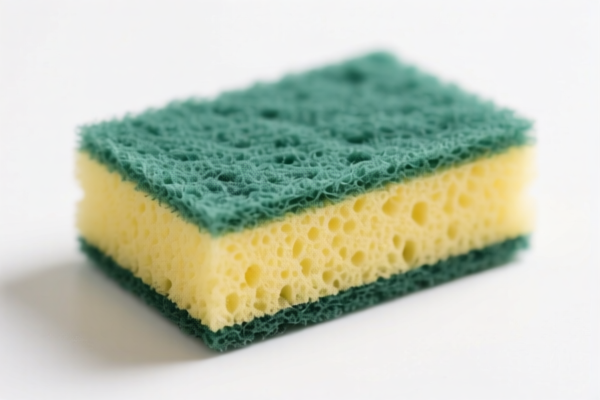
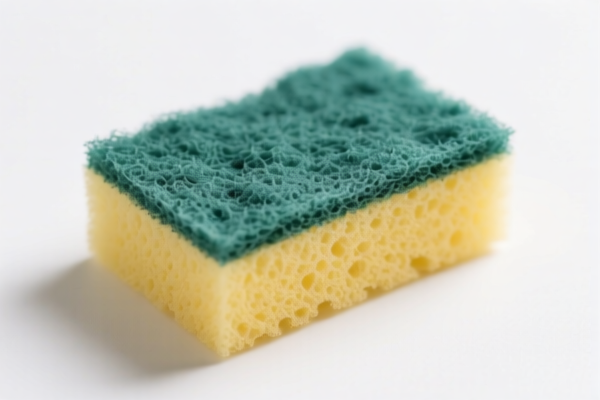
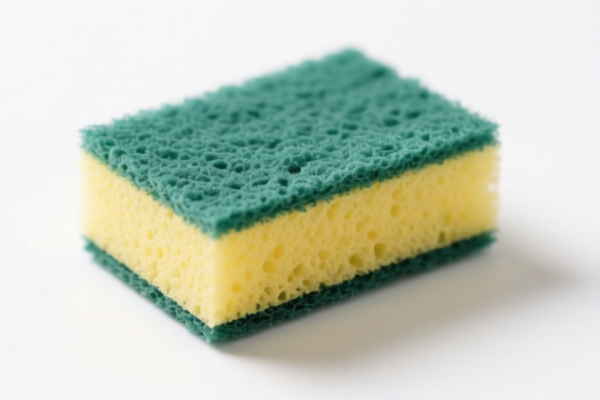

AI Analysis
🧽 Car Washing Sponge (洗车海绵块)
🌐 HS Code Reference & Customs Clearance Guide | 2026 Latest Tariff Analysis | Professional Clearance Strategy
📌 1. Product Definition and Classification: Do You Really Understand "Car Washing Sponges"?
Car washing sponges are essential automotive cleaning tools, primarily used to apply soapy water, scrub vehicle surfaces, and remove dirt. In international trade, their classification depends heavily on material composition, specific use case, and physical form.
Based on the provided data, these products fall into three main categories: 1. Cleaning Cloth/Pad Classification: Sponges specifically designated for cleaning/dishes (even if used for cars) made of non-cotton synthetic materials. 2. Other Made-Up Articles: General sponge blocks made of polyurethane or other synthetics, lacking specific "personal care" or "textile" characteristics. 3. Personal Hygiene Items: Sponges designed for personal face washing, which may be misclassified for car use if the description is ambiguous.
⚠️ Key Distinction Point:
- If described strictly as "Car Washing Sponge" made of synthetic blocks → Likely 6307.90.98.91 or 6307.10.20.28.
- If described ambiguously or labeled for "Face Washing" → Risk of being classified under 9605.00.00.00 (Personal Toiletry) or 6307.90.98.75 (Face Mask/Protection), leading to different tax liabilities.
- Crucial Tip: Ensure product descriptions explicitly state "Automotive/Cleaning Use" to avoid being misclassified as personal care items, which may attract different scrutiny or rates.
📦 2. HS Code Classification Details (2026 Latest Tariff Authority Comparison)
| HS Code | Product Description | Application Scenario | Material/Form |
|---|---|---|---|
6307.10.20.28 |
Car Washing Sponge Block | Cleaning automotive surfaces; classified as "Other material cleaning cloths/pads" | Non-cotton synthetic material, sponge block form |
6307.90.98.91 |
Other Made-Up Articles (Sponge) | General purpose sponge blocks; classified as "Other made-up articles" | Polyurethane or other synthetic materials |
6307.90.98.75 |
Sponge Face Wash | Personal hygiene; classified as "Other face masks/protective articles" | Sponge material, face wash form |
9605.00.00.00 |
Personal Toiletry Set/Item | Personal washing; classified as "Personal toiletry items" | Sponge, personal hygiene use |
🔍 Important Reminder:
-6307.10.20.28is often the most favorable if the product is explicitly marketed as a "cleaning cloth/pad" for industrial/automotive use, resulting in a lower total tax rate (22.8%).
-6307.90.98.91is the standard catch-all for synthetic sponge blocks, attracting a higher rate (24.5%).
- Avoid classifying car sponges under9605.00.00.00unless they are small, portable kits for personal travel use, as this may lead to disputes over "commercial vs. personal" use.
💰 3. 2026 Latest Tariff Rate Details (Including Additional Taxes)
✅ Applicable Country: United States (US)
✅ Origin: China (CN)
✅ Effective Date: Current rates apply (including Section 301 and Section 122 tariffs)
🎯 1. 6307.10.20.28 – Cleaning Cloths/Pads (Non-Cotton Synthetic)
| Item | Content |
|---|---|
| Base Tariff | 5.3% |
| Section 301 Additional Tariff | 7.5% |
| Section 122 Additional Tariff | 10.0% |
| Total Tariff Rate | 22.8% |
| Tax Calculation | CIF Value × 22.8% |
| De Minimis Eligibility | ❌ No (Section 301/122 goods are generally excluded from de minimis exemptions if value exceeds threshold or specific restrictions apply) |
| Legal Basis Path | HTSUS:6307.10.20.28 → Section 301: 7.5% → Section 122: 10% |
📌 Explanation:
- Section 301 (7.5%): Applied to specific Chinese goods, including certain cleaning products.
- Section 122 (10%): Additional duty on certain goods imported from China, often overlapping with Section 301.
- Combined Total: 22.8%. This is the lowest rate among the options, making it the preferred classification if the product fits the "cleaning cloth" definition.
🎯 2. 6307.90.98.91 – Other Made-Up Articles (Polyurethane Sponge)
| Item | Content |
|---|---|
| Base Tariff | 7.0% |
| Section 301 Additional Tariff | 7.5% |
| Section 122 Additional Tariff | 10.0% |
| Total Tariff Rate | 24.5% |
| Tax Calculation | CIF Value × 24.5% |
| De Minimis Eligibility | ❌ No |
| Legal Basis Path | HTSUS:6307.90.98.91 → Section 301: 7.5% → Section 122: 10% |
📌 Note:
- This is the default classification for generic synthetic sponge blocks.
- The 1.7% difference in total tax (24.5% vs. 22.8%) makes precise classification critical for cost optimization.
🎯 3. 9605.00.00.00 – Personal Toiletry Items
| Item | Content |
|---|---|
| Base Tariff | 8.1% |
| Section 301 Additional Tariff | 0.0% |
| Section 122 Additional Tariff | 10.0% |
| Total Tariff Rate | 18.1% |
| Tax Calculation | CIF Value × 18.1% |
| De Minimis Eligibility | ⚠️ Check Restrictions (Some personal items may qualify for de minimis, but Section 122 may override) |
| Legal Basis Path | HTSUS:9605.00.00.00 → Section 122: 10% |
📌 Caution:
- While the total rate is lower (18.1%), classifying a car washing sponge as a personal toiletry item is highly risky.
- Customs may reject this classification if the product is clearly for automotive use, leading to penalties, back taxes, and shipment delays.
- Only consider this if the product is explicitly marketed as a travel-sized personal care kit and not for general car washing.
🛠️ 4. Customs Clearance Practical Advice (Real-World Pitfall Avoidance Guide)
✅ 1. Required Documentation Checklist (Essential)
| Document | Must Provide | Description |
|---|---|---|
| ✅ Product Specification Sheet | ✔️ | Details: Material (Polyurethane/Non-cotton), Dimensions, Absorbency, Use Case (Automotive vs. Personal) |
| ✅ Product Photos (Labeled) | ✔️ | Clear images showing sponge texture, packaging, and any branding indicating "Car Wash" or "Auto Care" |
| ✅ Commercial Invoice | ✔️ | Explicitly state: "Automotive Cleaning Sponge, Non-Cotton Synthetic Material" |
| ✅ Packing List | ✔️ | List quantities, weights, and packaging details |
| ✅ Certificate of Origin (CO) | ✔️ | Required for US imports; helps determine eligibility for any exemptions |
| ✅ Third-Party Test Reports | ✔️ | If claiming specific absorbency or durability, provide test data |
✅ 2. Declaration Strategy (Key Tips)
🔥 "Describe Clearly, Avoid Ambiguity, Save on Taxes!"
| Situation | Correct Declaration | Incorrect Approach |
|---|---|---|
| Standard Car Wash Sponge | 6307.10.20.28 or 6307.90.98.91 with description "Automotive Cleaning Sponge" |
Vague description like "Sponge" → Risk of higher scrutiny |
| Personal Travel Sponge Kit | 9605.00.00.00 with description "Personal Toiletry Kit" |
Calling it "Car Wash Sponge" → Classification conflict |
| Mixed Packaging (Car + Face) | Split invoice: Classify each item correctly | Combined description → Potential misclassification |
✅ 3. Special Cases Handling
| Scenario | Handling Advice |
|---|---|
| OEM Custom Sponges | Provide client order + design specs to prove intended use (automotive) |
| Sponge with Branding | Ensure branding matches the intended use (e.g., "AutoClean" vs. "BeautySponge") |
| Large Volume Imports | Consider applying for Advance Ruling to lock in classification and tax rate |
| Section 122 Exemptions | Verify if any specific exemptions apply to your shipment type (rare for sponges) |
🌍 5. Global Market Comparison (2026 Latest)
| Country/Region | Recommended HS Code | Tariff | Certification | Notes |
|---|---|---|---|---|
| 🇺🇸 United States | 6307.10.20.28 |
22.8% | None specific | High due to Section 301/122 |
| 🇨🇳 China | 6307.90.98.91 |
5-10% | None | Lower tariffs for domestic use |
| 🇪🇺 EU | 6307.90.98.91 |
4-6% | CE (if applicable) | No Section 122 equivalent |
| 🇬🇧 UK | 6307.90.98.91 |
4-6% | UKCA | Post-Brexit rules apply |
| 🇦🇺 Australia | 6307.90.98.91 |
5% | ACCC | No major additional tariffs |
📌 Conclusion:
- The US market is the most expensive due to Section 301 (7.5%) and Section 122 (10%) tariffs.
- China, EU, UK, and Australia have significantly lower tariff burdens.
- Optimization Strategy: If possible, source or ship from non-China origins to avoid Section 301/122 tariffs.
📌 6. Common Errors & Pitfall Avoidance (Lessons Learned)
❌ Error 1: Describing car sponges as "Personal Toiletry" to save taxes
👉 Consequence: Customs inspection → Classification reversal → Penalties + Back Taxes
❌ Error 2: Ignoring Section 122 tariffs
👉 Consequence: Unexpected 10% additional cost → Profit Margin Erosion
❌ Error 3: Mixing "Car" and "Face" sponges in one shipment without clear separation
👉 Consequence: Complex customs review → Shipment Delay
❌ Error 4: Using vague terms like "Sponge" without material/use details
👉 Consequence: Customs assigns default higher rate → Overpayment
✅ Correct Approach:
"Automotive Cleaning Sponge, Polyurethane, Non-Cotton Synthetic, Used for Car Wash, Model ABC"
🎯 7. Conclusion: Precise Classification, Cost Efficiency!
🎯 Remember:
🔹 "Automotive Use = 6307.10/98; Personal Use = 9605"
🔹 "US Tariffs: 22.8% - 24.5%; Be Ready to Pay!"
🔹 "Clear Description Saves Money!"
📌 Pro Tip:
If your sponges are originating from Vietnam, Mexico, or Thailand, you may avoid Section 301/122 tariffs, reducing the total rate to ~5-7%.
Consider Advance Ruling for large shipments to ensure classification accuracy.
📣 Take Action Now:
📞 Contact a licensed customs broker + Provide product specs + Apply for HS Code Advance Ruling
🚀 Ensure smooth clearance, minimize costs, and maximize profits!
✨ Professional Clearance Starts with Accurate Classification!
💼 Every cent counts in international trade!
Customer Reviews
About HS Code Classification
The Harmonized System (HS) is an internationally standardized nomenclature developed by the World Customs Organization (WCO) to classify traded products. Over 200 countries use the HS system as the basis for customs tariffs, trade statistics, and import/export regulations.
Each HS code follows a hierarchical structure:
- Chapter (2 digits) — Broad category of goods (e.g., Chapter 84: Machinery and Mechanical Appliances)
- Heading (4 digits) — More specific grouping within the chapter
- Subheading (6 digits) — Internationally standardized breakdown, used by all WCO member countries
- National subdivisions (8-10 digits) — Country-specific extensions for further classification, such as US HTSUS 10-digit codes
Correct HS code classification is essential for smooth customs clearance, accurate duty payment, and compliance with trade regulations. Misclassification can lead to customs delays, overpayment of duties, or penalties.
When importing from CN to US, the applicable tariff rates may include:
- Most-Favored-Nation (MFN) rate — The standard duty rate applied to WTO members
- General rate — Applied to countries without trade agreements
- Trade remedy duties — Additional tariffs such as Section 301 (anti-dumping), Section 232 (national security), or countervailing duties
The information provided on this page is for reference purposes only. For official classification, please consult with your local customs authority or a licensed customs broker.