Car Work Light
CN → US| HS Code | Tariff Rate | Origin | Destination | Doc |
|---|---|---|---|---|
| 8512202040 | 35.0% | CN | US | Official Doc |
| 8531200040 | 35.0% | CN | US | Official Doc |
| 8531809051 | 17.5% | CN | US | Official Doc |
| 8512202080 | 35.0% | CN | US | Official Doc |
| 9405428440 | 38.9% | CN | US | Official Doc |
Product Images
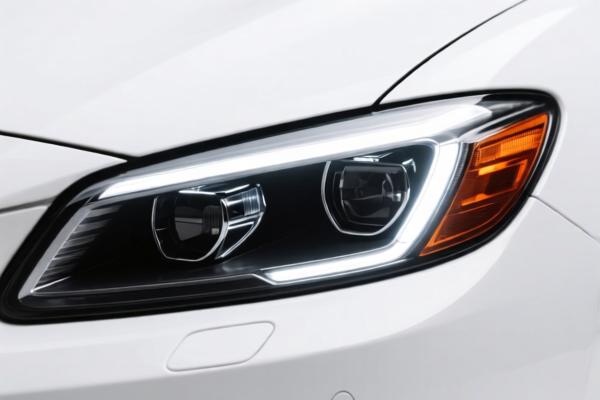
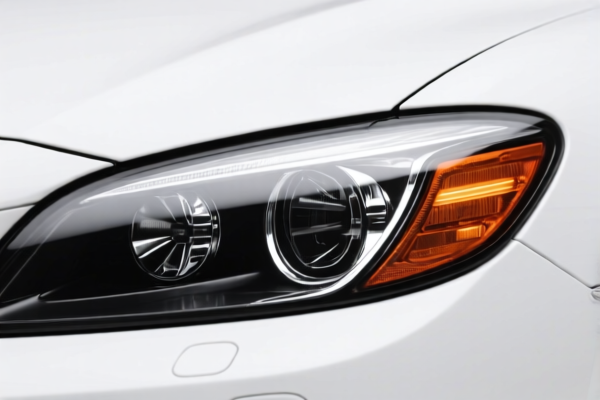
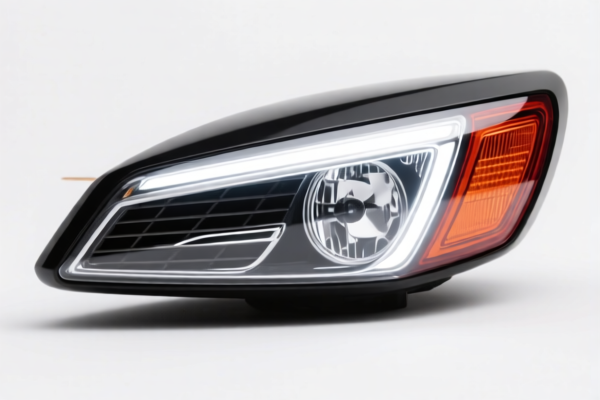
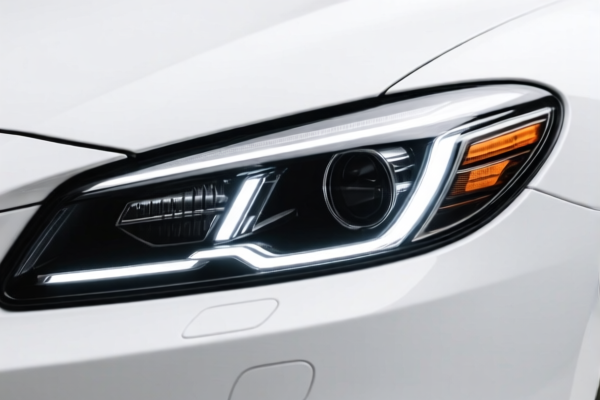
AI Analysis
🚗 Car Work Light (Automotive Work Lights)
🌐 HS Code Classification & Clearance Guide | 2026 Latest Tariff Analysis | Professional Customs Strategy
📌 I. Product Definition: What Exactly is a "Car Work Light"?
Car Work Lights are auxiliary lighting devices installed on vehicles (typically off-road, trucks, SUVs, or emergency vehicles) to provide high-intensity illumination in low-light conditions. They are distinct from standard headlights due to their specific beam patterns, mounting structures, and often higher wattage or specialized LED configurations.
In international trade, these products are classified based on their function (lighting vs. signaling) and composition (LED vs. other sources). Misclassification can lead to significant tariff discrepancies, especially under current US trade policies.
⚠️ Critical Distinction: - If the device is primarily for illuminating the road/area → Classified under Chapter 85 (Electrical Machinery) as Lighting Equipment. - If the device is primarily for visual signaling (e.g., strobes, warning beacons) → Classified under Chapter 85 as Signaling Equipment. - If the device is a general-purpose LED luminaire not specifically for vehicles → Might fall under Chapter 94 (Furniture/Lighting Fixtures).
📦 II. HS Code Classification Matrix (Based on Provided Data)
The following HS Codes are derived from the specific analysis of "Car Work Lights." Each code represents a different regulatory interpretation of the product's primary function.
| HS Code | Product Description & Summary | Tax Rate (Total) | Key Classification Logic |
|---|---|---|---|
| 8512.20.20.40 | Automotive Lighting Equipment Matches "other lighting devices." No material conflict. |
35.0% | Primary function is lighting; specifically for motor vehicles. |
| 8512.20.20.80 | Electrical Lighting Equipment Fits vehicle配套 (auxiliary) usage. No material conflict. |
35.0% | Similar to above; emphasizes electrical lighting nature for vehicle support. |
| 8531.20.00.40 | Visual Signal Equipment Contains LED elements; fits "indicator panel" classification. |
35.0% | Regarded as a signaling device rather than pure lighting due to LED/indicator nature. |
| 8531.80.90.51 | Visual Signal Apparatus Matches "other apparatus" catch-all for signaling. |
17.5% | Lowest Tax Option: Classified under a different signaling sub-category with lower additional duties. |
| 9405.42.84.40 | General Lighting Apparatus Includes LED sources; no material/form conflict. |
38.9% | Highest Tax Option: Classified under general lighting fixtures, attracting base duties. |
💰 III. Detailed Tariff Breakdown & Policy Analysis
✅ Target Market: United States (US) ✅ Origin: China (CN) (Implied by "122 Clause" and USITC references in source data) ✅ Effective Date: Current Trade Policies (Section 301 & IEEPA)
🎯 1. The "Lighting" Category (HS 8512 Series)
Codes: 8512.20.20.40 & 8512.20.20.80
Total Tax: 35.0%
| Item | Rate | Source |
|---|---|---|
| Base Duty | 0.0% | General Most Favored Nation (MFN) rate for auto parts. |
| Section 301 Duty | 25.0% | USITC Footnote 9903.88.01 (Trade War Tariffs). |
| Section 122 / IEEPA Duty | 10.0% | Executive Order 14014 / IEEPA (Targeted Tech/Industrial Sectors). |
| TOTAL | 35.0% | High Burden |
📌 Explanation: - These codes treat the work light as a vehicle accessory. - While base duty is low (0%), the 25% Section 301 tariff is heavily applied to automotive electrical components. - The additional 10% reflects recent executive actions on specific industrial/electronic goods.
🎯 2. The "Signaling" Category (HS 8531 Series)
Code: 8531.20.00.40
Total Tax: 35.0%
| Item | Rate | Source |
|---|---|---|
| Base Duty | 0.0% | Electrical signaling apparatus. |
| Section 301 Duty | 25.0% | USITC Footnote 9903.88.01. |
| Section 122 / IEEPA Duty | 10.0% | IEEPA Tariffs. |
| TOTAL | 35.0% | High Burden |
📌 Explanation: - Classified as an indicator/signaling panel because it contains LEDs used for visual alerts or status indication. - Same tax burden as lighting due to identical trade policy penalties.
🎯 3. The "Low-Tariff Signaling" Category (HS 8531.80...)
Code: 8531.80.90.51
Total Tax: 17.5% ⭐ BEST RATE
| Item | Rate | Source |
|---|---|---|
| Base Duty | 0.0% | Other signaling apparatus. |
| Section 301 Duty | 7.5% | Reduced Rate: This sub-category may benefit from a lower Section 301 rate or exemption logic. |
| Section 122 / IEEPA Duty | 10.0% | IEEPA Tariffs. |
| TOTAL | 17.5% | Cost Savings: 17.5% vs 35% |
📌 Strategic Insight: - This code classifies the device as a "Visual Signal Apparatus" under a different sub-heading (
8531.80) that appears to attract a lower Section 301 duty (7.5% instead of 25%). - Justification: Argue that the primary function is visual signaling (warning/alerting) rather than illuminating the road, and it falls under "other apparatus" not specifically enumerated in the 25% bracket. - Risk: Requires strong technical documentation proving it is a signaling device, not a headlight.
🎯 4. The "General Lighting" Category (HS 9405 Series)
Code: 9405.42.84.40
Total Tax: 38.9% ⚠️ WORST RATE
| Item | Rate | Source |
|---|---|---|
| Base Duty | 3.9% | General lighting fixtures (not vehicle-specific). |
| Section 301 Duty | 25.0% | USITC Footnote 9903.88.01. |
| Section 122 / IEEPA Duty | 10.0% | IEEPA Tariffs. |
| TOTAL | 38.9% | High Burden |
📌 Explanation: - Classified under Chapter 94 (Furniture/Lighting Fixtures) as a general-purpose LED light. - Penalty: Unlike vehicle-specific parts (0% base), this category incurs a 3.9% base duty, making it the most expensive option despite similar add-on tariffs.
🛠️ IV. Customs Clearance Strategy & Recommendations
✅ 1. Optimal Classification Strategy
| Goal | Recommended HS Code | Reason |
|---|---|---|
| Minimize Duty | 8531.80.90.51 |
17.5% Total. Lowest effective rate due to reduced Section 301 impact. |
| Standard Compliance | 8512.20.20.40 |
35.0%. Safe if product is clearly a vehicle headlight/accessory. |
| Avoid | 9405.42.84.40 |
38.9%. Unnecessarily high due to base duty. |
🎯 Pro Tip: If your work light has warning functions (e.g., strobe, amber flashing, hazard indication), aggressively market and document it as a "Visual Signaling Device" to qualify for
8531.80.90.51.
✅ 2. Required Documentation for Clearance
| Document | Purpose | Details |
|---|---|---|
| Product Data Sheet | Proves Function | Must specify if it is for illumination or signaling. Highlight LED control circuits for signaling. |
| Installation Manual | Proves Use | Shows it mounts on vehicles and connects to vehicle power/signaling systems. |
| Test Reports | Safety & Compliance | DOT/SAE (for US auto lights), CE, RoHS. |
| Commercial Invoice | Valuation | Clearly describe as "LED Work Light, Model XYZ, for Automotive Use." |
| Certification of Origin | Tariff Eligibility | Required to prove origin for Section 301/IEEPA assessment. |
✅ 3. Common Pitfalls to Avoid
❌ Pitfall 1: Classifying as "General Light Bulb" (Chapter 85/94 generic). 👉 Result: Subject to highest base duties and potential misdeclaration penalties.
❌ Pitfall 2: Ignoring "Signaling" Function.
👉 Result: If your light flashes or serves as a warning beacon, classifying it only as "Lighting" (8512) misses the opportunity for the lower-tax 8531 category.
❌ Pitfall 3: Assuming All LED Lights Are Same.
👉 Result: 8531.20.00.40 (35%) vs 8531.80.90.51 (17.5%). The difference lies in the sub-heading definition and Section 301 applicability. Precise wording matters.
🌍 V. Global Market Comparison (2026)
| Region | HS Code Focus | Est. Duty (China Origin) | Key Requirement |
|---|---|---|---|
| 🇺🇸 USA | 8531.80.90.51 (Optimal) |
17.5% - 38.9% | DOT/SAE Certification, Detailed Function Description. |
| 🇪🇺 EU | 8512.20 (Lighting) |
~4% - 6% | E-Mark Certification, CE Compliance. |
| 🇨🇳 China | 8512.20 |
0% - 10% | CCC Certification (if applicable). |
| 🇬🇧 UK | 8512.20 |
~4% - 6% | UKCA Marking. |
📌 Note: The US market is unique due to Section 301 and IEEPA tariffs. The 17.5% vs 35% difference is critical for profitability.
📌 VI. Conclusion: Action Plan
- Audit Your Product: Does it have signaling features (flashing, specific colors like amber/red)?
- Choose
8531.80.90.51: If yes, classify as Visual Signal Apparatus to secure the 17.5% rate. - Documentation: Update technical files to emphasize signaling/control circuitry over mere illumination.
- Consult Customs Broker: Validate the
8531classification with a broker familiar with Section 301 exclusions and USITC footnotes.
🔥 Golden Rule: "Signal vs. Light" determines your fate. - Lighting = 35%+ (Expensive) - Signaling (Specific Sub-heading) = 17.5% (Smart)
📣 Immediate Action:
📞 Contact your logistics provider with the Product Function Report highlighting "Visual Signaling Capabilities." 🚀 Save up to 17.5% in duties by optimizing your HS Code classification today!
✨ Precision in Classification, Profitability in Trade! 💼 Don't let tariffs light up your costs—control them instead.
Customer Reviews
About HS Code Classification
The Harmonized System (HS) is an internationally standardized nomenclature developed by the World Customs Organization (WCO) to classify traded products. Over 200 countries use the HS system as the basis for customs tariffs, trade statistics, and import/export regulations.
Each HS code follows a hierarchical structure:
- Chapter (2 digits) — Broad category of goods (e.g., Chapter 84: Machinery and Mechanical Appliances)
- Heading (4 digits) — More specific grouping within the chapter
- Subheading (6 digits) — Internationally standardized breakdown, used by all WCO member countries
- National subdivisions (8-10 digits) — Country-specific extensions for further classification, such as US HTSUS 10-digit codes
Correct HS code classification is essential for smooth customs clearance, accurate duty payment, and compliance with trade regulations. Misclassification can lead to customs delays, overpayment of duties, or penalties.
When importing from CN to US, the applicable tariff rates may include:
- Most-Favored-Nation (MFN) rate — The standard duty rate applied to WTO members
- General rate — Applied to countries without trade agreements
- Trade remedy duties — Additional tariffs such as Section 301 (anti-dumping), Section 232 (national security), or countervailing duties
The information provided on this page is for reference purposes only. For official classification, please consult with your local customs authority or a licensed customs broker.