Caracul Lamb Fur Heads (Unassembled)
CN → US| HS Code | Tariff Rate | Origin | Destination | Doc |
|---|---|---|---|---|
| 4103901190 | 17.5% | CN | US | Official Doc |
| 4103901140 | 17.5% | CN | US | Official Doc |
Product Images
AI Analysis
🐑 Caracul Lamb Fur Heads (Unassembled)
🌐 HS Code Reference & Clearance Guide | 2026 Latest Tariff Analysis | Professional Clearance Strategy
📌 I. Product Definition & Classification: Do You Really Understand “Caracul Lamb Fur Heads”?
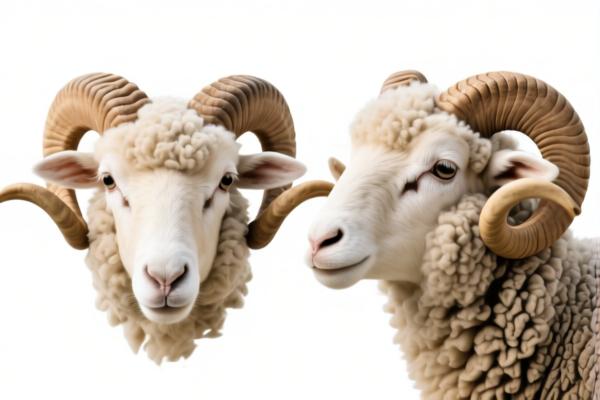
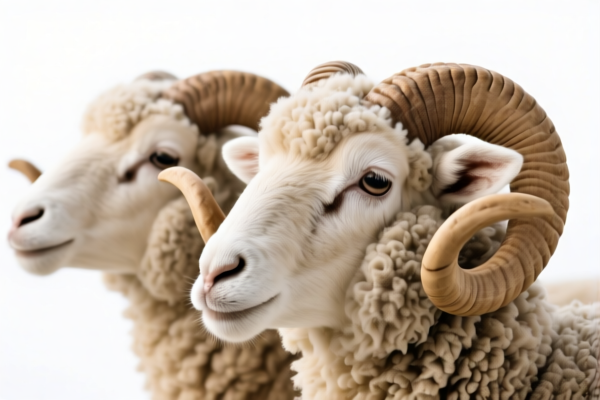
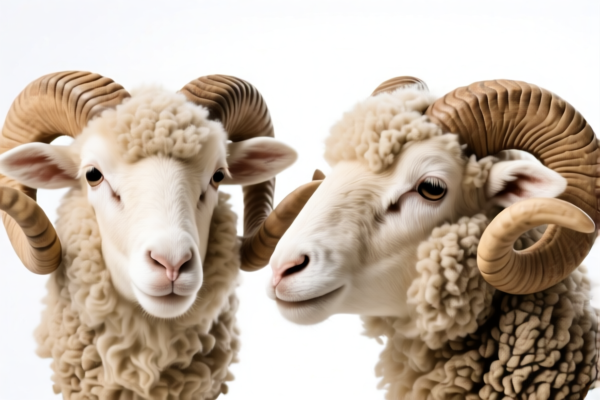
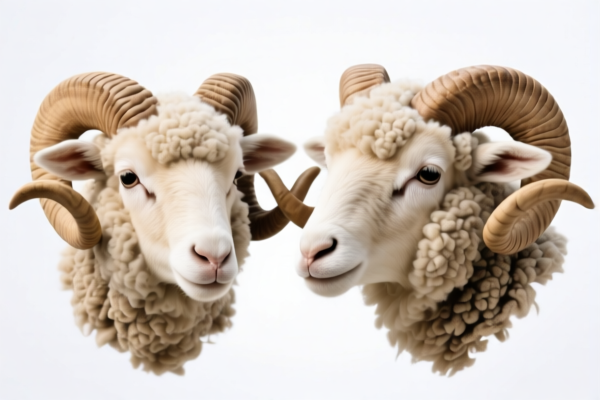
Caracul Lamb Fur Heads refer to the skin of newborn lambs from the Caracul breed, specifically processed to retain the distinctive curly coat pattern (often known as "Persian lamb" or "Astrakhan" style). The term "Unassembled" in the context of raw hides/skins implies that these are raw, unstuffed, and not yet constructed into finished garments, hats, or accessories. They are essentially raw materials in their initial preservation state.
In international trade, these fall under Chapter 41 (Raw Hides and Skins), specifically as raw hides and skins, preserved but not tanned. They are not classified as "fur skins" in the sense of finished fur articles (Chapter 43), nor are they fully tanned leather (Chapter 41 final chapters).
⚠️ Key Distinction:
- If the skins are raw, salted, dried, or limed but not tanned →归入 4103 (Raw Hides/Skins)
- If they are already tanned or further prepared → They may fall under 4104/4105 or even 4302 (Prepared Fur Skins), depending on the exact processing.
- "Unassembled" confirms they are parts/components of raw hides, not finished goods.
📦 二、HS Code Classification Details (2026 Latest Tariff Authority Alignment)
Based on the provided , the applicable HS Codes for Caracul Lamb Fur Heads (Unassembled) are:
| HS Code | Product Description | Applicability | Tax Rate (Total) |
|---|---|---|---|
4103.90.11.90 |
Other raw hides and skins (fresh, salted, dried, etc.), not pretanned, other than goats/kids | Non-goat/kid caracul skins (e.g., if classified broadly as "other") | 7.5% |
4103.90.11.40 |
Other raw hides and skins (fresh, salted, dried, etc.), not pretanned, of goats or kids | If Caracul skins are legally classified under "goats or kids" in this tariff structure | 7.5% |
🔍 Important Note:
- Caracul lambs are a breed of sheep, not goats. However, in some tariff interpretations, certain lamb skins may be grouped under "goats or kids" if they share similar processing characteristics, or they may fall under "Other" (4103.90.11.90) if not specifically listed.
- Crucial Point: Both listed HS Codes carry the same total tax rate of 7.5%. Therefore, the distinction may be less critical for cost purposes but vital for customs documentation accuracy.
- "Not pretanned": This means the skins have not undergone chemical tanning (chrome or vegetable). They are preserved for export/import of raw material.
💰 三、2026 Latest Tariff Rate Breakdown (Including Additional Duties & Policy Add-ons)
✅ Applicable Country: United States (US)
✅ Origin: China (CN) [Assumed based on typical Caracul trade routes; adjust if other origin]
✅ Effective Date: 2025-11-10 onward
🎯 1. 4103.90.11.90 —— Raw Hides/Skins, Other, Not Pretanned
| Item | Content |
|---|---|
| Base Duty Rate | 0.0% (ad valorem) |
| Additional Duty (Section 301) | +7.5% |
| Total Effective Rate | 7.5% |
| Tax Calculation | CIF Value × 7.5% |
| De Minimis Exemption Eligible? | ❌ No (Deny de minimis for raw animal products in many cases, and specifically subject to additional duties) |
| Legal Basis | USITC Footnote / Section 301 Tariff List |
📌 Explanation:
- Base Rate: 0% for raw hides under many FTAs or general rates, but raw animal products often face scrutiny.
- Additional Duty: 7.5% is applied under the Section 301 trade action list for specific categories of raw hides/skins.
- Total Cost Impact: 7.5% is relatively low compared to other goods (e.g., electronics at 25-45%), making this a cost-efficient raw material import.
🎯 2. 4103.90.11.40 —— Raw Hides/Skins of Goats or Kids, Not Pretanned
| Item | Content |
|---|---|
| Base Duty Rate | 0.0% (ad valorem) |
| Additional Duty (Section 301) | +7.5% |
| Total Effective Rate | 7.5% |
| Tax Calculation | CIF Value × 7.5% |
| De Minimis Exemption Eligible? | ❌ No |
| Legal Basis | USITC Footnote / Section 301 Tariff List |
📌 Note:
- Same tax structure as above.
- If your Caracul skins are legally classified as "goat/kid" (some jurisdictions group small lamb skins with goat skins for simplicity), use 4103.90.11.40.
- If they are sheep/lamb, use 4103.90.11.90 ("Other").
- Both result in 7.5% total duty.
🛠️ IV. Clearance Practical Advice (Battle-Tested Pitfall Avoidance)
✅ 1. Documentation Checklist (Non-Negotiable)
| Document | Mandatory? | Explanation |
|---|---|---|
| ✅ Commercial Invoice | ✔️ | Must state: "Raw Caracul Lamb Fur Heads, Unassembled, Preserved (Salted/Dried)" |
| ✅ Packing List | ✔️ | Weight (net/gross), number of skins, preservation method (e.g., "Salted") |
| ✅ Preservation Certificate | ✔️ | Prove skins are not tanned but preserved (e.g., salted, dried). Crucial for correct HS code. |
| ✅ Bill of Lading/Air Waybill | ✔️ | Standard shipping docs |
| ✅ USDA/APHIS Permit | ✔️ | Critical! Raw animal products require USDA import permits to prevent disease. Without this, goods will be seized or destroyed. |
| ✅ HS Code Pre-Ruling (Optional but Recommended) | ✔️ | To confirm 4103.90.11.90 vs. 4103.90.11.40 |
⚠️ Red Flag:
- If you declare "Fur Skins" without specifying "Raw/Not Tanned", customs may assume they are finished fur (Chapter 43), leading to higher duties, FDA/APHIS violations, and clearance delays.
✅ 2. Declaration Strategy (Key Mantra)
🔥 “Raw & Untanned, Declare ‘Preserved,’ Not ‘Fur’; USDA Permit First, Then Clearance!”
| Scenario | Correct Declaration | Error to Avoid |
|---|---|---|
| Raw Caracul heads, salted | 4103.90.11.90 – "Raw hides, preserved, not tanned" |
Calling them "Fur Garments Parts" → Misclassification |
| Already tanned Caracul skins | 4104.19 or 4105 – "Tanned leather" |
Declaring as raw → USDA hold |
| Finished fur hats | 4302 – "Prepared fur skins" |
Declaring as raw → Higher duty + violation |
| Unassembled but tanned | 4104 – "Tanned sheepskin" |
Declaring as raw → Incorrect HS |
✅ 3. Special Cases Handling
| Situation | Recommendation |
|---|---|
| Mix of Raw & Tanned Skins | Must split shipments or declare separately. Mixing leads to customs rejection. |
| Origin: Not China | If from Mongolia, Kazakhstan, etc., Section 301 duties may not apply. Check Free Trade Agreements (FTAs). |
| OEM Buyer Request | Provide USDA permit copy to buyer to prove legality. |
| High-Value Aesthetic Skins | Ensure photos show curl pattern to distinguish from regular sheepskins (may affect buyer valuation, not duty). |
🌍 五、Global Market Clearance Comparison (2026 Latest)
| Country/Region | Recommended HS Code | Tariff | Certification | Notes |
|---|---|---|---|---|
| 🇺🇸 USA | 4103.90.11.90 |
7.5% | USDA Permit + APHIS | Critical: Raw animal import restricted without permit |
| 🇨🇳 China | 4103.90.11 |
0-13% | None specific | Lower duty for raw hides |
| 🇪🇺 EU | 4103 |
0-4% | TSE Compliance | Strict on animal health |
| 🇦🇺 Australia | 4103 |
5% | AQIS Permit | Very strict on raw hides |
| 🇬🇧 UK | 4103 |
0-4% | DEFRA Permit | Post-Brexit rules apply |
📌 Conclusion:
- USA: 7.5% total duty. USDA Permit is mandatory.
- EU/UK/AU: Lower duties but stricter health certifications.
- China: Often zero duty for raw hides, making it a preferred import hub.
📌 六、Common Errors & Pitfall Guide (Lessons from the Field)
❌ Mistake 1: Declaring "Caracul Fur Heads" as "Finished Fur Accessories"
👉 Consequence: Misclassification → Higher duties + USDA seizure because raw animal parts were not declared.
❌ Mistake 2: Ignoring USDA Import Permits
👉 Consequence: Goods held at port, destroyed, or returned. No exception.
❌ Mistake 3: Not specifying "Not Tanned" in description
👉 Consequence: Customs assumes tanned leather → Wrong HS code → Audit/penalty.
❌ Mistake 4: Mixing raw and tanned skins in one container
👉 Consequence: Customs may reject the entire shipment or require costly segregation.
✅ Correct Approach:
"Raw Caracul Lamb Skins, Preserved by Salting, Unassembled, Not Tanned. USDA Permit #XXXXX Attached."
🎯 七、Conclusion: Professional Clearance, Save Time & Cost!
🎯 Remember the Mantra:
🔹 "Raw & Untanned, Declare ‘Preserved’; USDA Permit First, Then Clear!"
🔹 "HS Code 4103, Tax 7.5%; Tanned is 4104, Different Class!"
🔹 "No Permit = No Entry; Raw Animal = Strict Scrutiny!"
📌 Pro Tip:
- If your Caracul skins are originating from a non-China country (e.g., Mongolia), you may avoid the 7.5% Section 301 duty. Verify origin certificates.
- For large-volume imports, consider pre-landing review with USDA to ensure permits are in order.
- Always provide clear photos of the curl pattern to distinguish from regular sheepskins (may help in case of audit).
📣 Immediate Action Required:
📞 Contact USDA APHIS for Import Permit
📄 Prepare Commercial Invoice with "Raw, Preserved, Not Tanned" Description
📦 Ensure Packing List Matches Invoice Exactly
🚀 Clearance Success Starts with Proper Documentation!
✨ Professional Clearance Begins with Precise Classification!
💼 Your Cost Efficiency Depends on Correct HS Code & Permits!
Customer Reviews
About HS Code Classification
The Harmonized System (HS) is an internationally standardized nomenclature developed by the World Customs Organization (WCO) to classify traded products. Over 200 countries use the HS system as the basis for customs tariffs, trade statistics, and import/export regulations.
Each HS code follows a hierarchical structure:
- Chapter (2 digits) — Broad category of goods (e.g., Chapter 84: Machinery and Mechanical Appliances)
- Heading (4 digits) — More specific grouping within the chapter
- Subheading (6 digits) — Internationally standardized breakdown, used by all WCO member countries
- National subdivisions (8-10 digits) — Country-specific extensions for further classification, such as US HTSUS 10-digit codes
Correct HS code classification is essential for smooth customs clearance, accurate duty payment, and compliance with trade regulations. Misclassification can lead to customs delays, overpayment of duties, or penalties.
When importing from CN to US, the applicable tariff rates may include:
- Most-Favored-Nation (MFN) rate — The standard duty rate applied to WTO members
- General rate — Applied to countries without trade agreements
- Trade remedy duties — Additional tariffs such as Section 301 (anti-dumping), Section 232 (national security), or countervailing duties
The information provided on this page is for reference purposes only. For official classification, please consult with your local customs authority or a licensed customs broker.