Carbendazim Agricultural Fungicide Additive
CN → US| HS Code | Tariff Rate | Origin | Destination | Doc |
|---|---|---|---|---|
| 3808921500 | 41.5% | CN | US | Official Doc |
| 2933392100 | 16.5% | CN | US | Official Doc |
| 3808925080 | 40.0% | CN | US | Official Doc |
Product Images
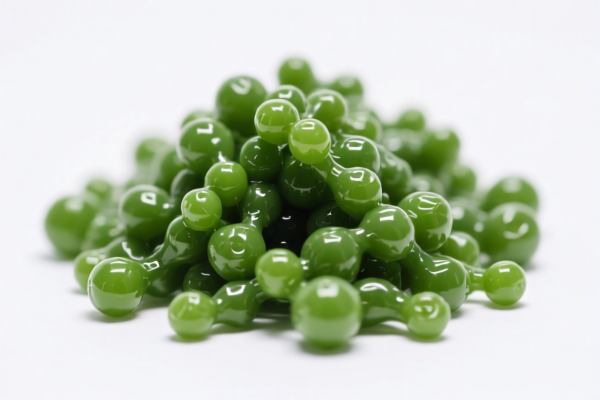
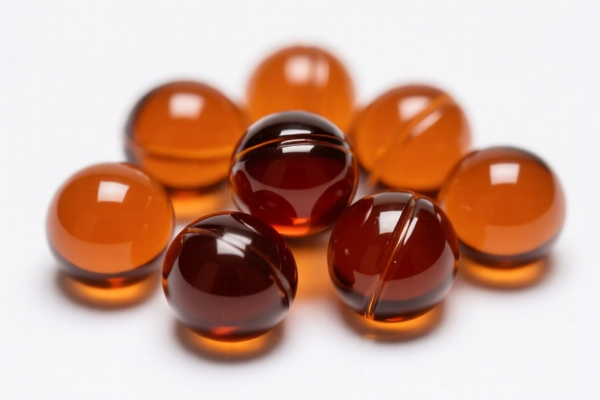
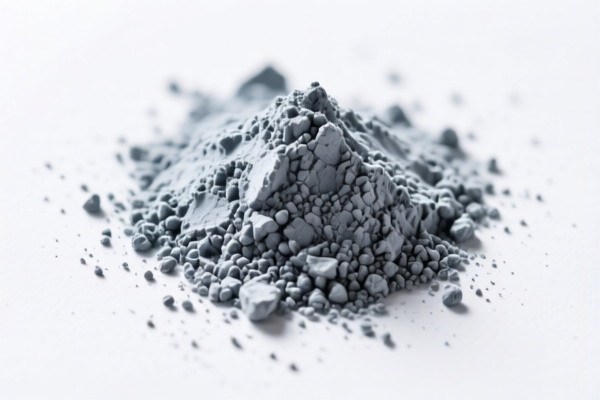
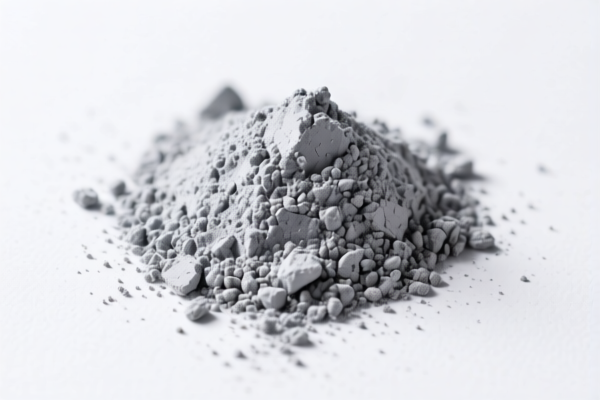
AI Analysis
🌾 Carbendazim Agricultural Fungicide Additive (化学合成杀菌剂)
🌐 HS Code Reference & Customs Clearance Guide | 2026 Latest Tariff Analysis | Professional-Level Clearance Strategy
📌 I. Product Definition & Classification: Do You Really Understand "Carbendazim"?
Carbendazim is a broad-spectrum, systemic benzimidazole fungicide widely used in global agriculture to control a variety of fungal diseases. In international trade, its classification hinges strictly on its chemical structure and formulation status.
The data provided highlights three distinct HS Code pathways depending on the specific chemical composition and regulatory interpretation:
1. The "Aromatic Structure" Pathway (3808.92.15.00)
- Definition: Carbendazim is chemically defined as a chemical synthetic fungicide containing an aromatic structure (specifically, a benzimidazole ring system linked to a benzene ring).
- Application: This classification applies when the product is treated as a generic "other fungicide" under heading 3808, specifically noting its aromatic chemical synthesis origin.
2. The "Nitrogen Heterocycle" Pathway (2933.39.21.00)
- Definition: From a pure chemical nomenclature perspective, Carbendazim is a nitrogen heterocyclic compound (specifically a benzimidazole derivative).
- Application: This code falls under Chapter 29 (Organic Chemicals). It applies if the product is imported as a technical grade chemical intermediate or pure active ingredient, rather than a formulated pesticide product. It explicitly meets the criteria for "fungicidal use."
3. The "Typical Fungicide" Pathway (3808.92.50.80)
- Definition: This is the standard classification for typical fungicidal chemical components classified under "Other fungicides, insecticides, rodenticides, fungicides, plant-growth regulators, disinfectants and similar products."
- Application: This is the most common classification for formulated products or specific chemical constituents categorized broadly as "other fungicides" not elsewhere specified.
⚠️ Critical Distinction Point: - If the product is declared as a pure organic chemical (intermediate) based on its molecular structure (Nitrogen Heterocycle) → HS 2933.39.21.00 (Lowest Tax). - If the product is declared as a pesticide product or a generic chemical pesticide based on its function/aromatic nature → HS 3808.92.15.00 or 3808.92.50.80 (Higher Tax due to Trade War Duties).
📦 II. HS Code Classification Details (2026 Latest Tariff Authority Comparison)
| HS Code | Product Description | Application Scenario | Chemical Basis |
|---|---|---|---|
3808.92.15.00 |
Efficient fungicide Carbendazim; chemical synthetic fungicide with aromatic structure | Formulated pesticide or generic aromatic fungicide declaration | ✅ Aromatic Structure (Benzimidazole + Benzene) |
2933.39.21.00 |
Chemical pesticide containing nitrogen heterocyclic structure, meeting fungicidal use criteria | Pure technical grade active ingredient (API); Organic Chemicals Chapter | ✅ Nitrogen Heterocycle (Pure Chemical) |
3808.92.50.80 |
Typical fungicide chemical component, belonging to other fungicides classification | Standard "Other Fungicides" category; General trade declaration | ✅ Typical Fungicide Component |
🔍 Key Reminder: - Chapter 29 vs. Chapter 38: The biggest risk is misclassifying a Chapter 29 chemical as a Chapter 38 product. - Chapter 29 (
2933...): Generally has lower base tariffs (6.5% or 5.0%) and no Section 301 (25%) additional duty. - Chapter 38 (3808...): Often triggers Section 301 additional tariffs (25%) due to being categorized as a specific agricultural chemical import subject to trade restrictions. - Declaration Strategy: If you are importing pure Carbendazim powder (technical grade), argue for HS 2933.39.21.00 to avoid the 25% penalty. If it is a formulated spray, it may fall under 3808.
💰 III. 2026 Latest Tariff Rate Breakdown (Including Surtaxes & Policy Add-ons)
✅ Applicable Country: United States (US)
✅ Origin: China (CN)
✅ Effective Date: 2025 November 10 onwards (including subsequent imports)
🎯 1. 3808.92.15.00 —— Carbendazim (Aromatic Structure Fungicide)
| Item | Content |
|---|---|
| Base Tariff | 6.5% (Ad valorem) |
| Section 301 Surtax | +25.0% (Additional Duty) |
| Section 122 Tariff | +10.0% (Specific agricultural/chemical add-on) |
| Total Effective Rate | 41.5% |
| Tax Calculation | CIF Value × 41.5% |
| De Minimis Exemption? | ❌ NO (Denied) |
| Legal Path | 3808.92.15.00 → Section 301: 25% + Section 122: 10% |
📌 Explanation: - The 25% is the standard Section 301 tariff for many chemical and agricultural inputs. - The 10% is the "Section 122" tariff, often applied to specific agricultural chemicals or products deemed sensitive. - Total 41.5% is extremely high, significantly impacting profit margins.
🎯 2. 2933.39.21.00 —— Nitrogen Heterocyclic Chemical Pesticide (Pure API)
| Item | Content |
|---|---|
| Base Tariff | 6.5% (Ad valorem) |
| Section 301 Surtax | +0.0% (No Additional Duty) |
| Section 122 Tariff | +10.0% |
| Total Effective Rate | 16.5% |
| Tax Calculation | CIF Value × 16.5% |
| De Minimis Exemption? | ❌ NO (Deny De Minimis applies to this origin/type) |
| Legal Path | 2933.39.21.00 → Section 122: 10% (Exempt from Section 301) |
📌 Critical Advantage: - This is the LOWEST tax pathway. - By classifying Carbendazim as a Nitrogen Heterocyclic Organic Chemical (Chapter 29), you avoid the 25% Section 301 tariff. - Savings: 25% less than the other two codes. - Condition: You must prove the product is a pure chemical substance meeting the definition of HS 2933, not a formulated pesticide mixture.
🎯 3. 3808.92.50.80 —— Typical Fungicide Chemical Component
| Item | Content |
|---|---|
| Base Tariff | 5.0% (Ad valorem) |
| Section 301 Surtax | +25.0% (Additional Duty) |
| Section 122 Tariff | +10.0% |
| Total Effective Rate | 40.0% |
| Tax Calculation | CIF Value × 40.0% |
| De Minimis Exemption? | ❌ NO |
| Legal Path | 3808.92.50.80 → Section 301: 25% + Section 122: 10% |
📌 Comparison: - Slightly lower base rate (5.0% vs 6.5%) than
3808.92.15.00, but the total rate (40%) is still significantly higher than the Chapter 29 option (16.5%).
🛠️ IV. Customs Clearance Practical Advice (Battle-Tested Pitfall Avoidance)
✅ 1. Preparation Checklist (Non-negotiable)
| Document | Mandatory? | Description |
|---|---|---|
| ✅ Chemical Structure Diagram | ✔️ | Must clearly show the Benzimidazole nitrogen heterocycle structure. Crucial for arguing HS 2933.39.21.00. |
| ✅ Certificate of Analysis (COA) | ✔️ | Must specify Purity % (e.g., 95% TC). High purity supports Chapter 29 classification. |
| ✅ MSDS (Safety Data Sheet) | ✔️ | Confirm chemical nature, not formulation additives. |
| ✅ Commercial Invoice | ✔️ | Describe as "Carbendazim Technical Grade (Pure Chemical)" rather than "Fungicide Spray". |
| ✅ Origin Certificate | ✔️ | To prove CN origin and confirm applicability of Surtaxes. |
| ✅ Product Photos | ✔️ | Show packaging (lab-style if possible, not retail consumer packaging). |
✅ 2. Declaration Strategy (Key Mantras)
🔥 "Chemical First, Pesticide Second; Structure Defines the Code!"
| Scenario | Correct Declaration | Wrong Practice |
|---|---|---|
| Pure Carbendazim Powder (Technical) | HS 2933.39.21.00 Desc: "Carbendazim, Organic Chemical, Fungicidal Use" |
Declaring as "Fungicide" → HS 3808 → 41.5% Tax |
| Formulated Carbendazim Spray/Powder | HS 3808.92.15.00 or 3808.92.50.80 Desc: "Formulated Fungicide" |
Claiming Chapter 29 for mixed products → Audited/Reclassified |
| Carbendazim Intermediate for Further Processing | HS 2933.39.21.00 | N/A |
📌 Pro Tip:
If you are an agricultural chemical manufacturer importing Carbendazim as an intermediate to make your own final pesticide products, insist on HS 2933.39.21.00. Provide lab reports proving it is a pure chemical, not a ready-to-use pesticide. This saves ~25% in duties.
✅ 3. Special Case Handling
| Situation | Handling Advice |
|---|---|
| Blended Products | If Carbendazim is mixed with other fungicides or carriers, it must go to 3808. You cannot use the 2933 exemption. |
| Small Sample Shipments | Even under De Minimis ($800), if flagged as agricultural chemical from China, 122 tariff (10%) may still apply. Do not rely on De Minimis for high-value chemical imports. |
| Labeling Issues | Avoid words like "Ready-to-use", "Spray", "Pesticide" on the commercial invoice if claiming Chapter 29. Use "Active Pharmaceutical/Fertilizer Ingredient" or "Organic Chemical Intermediate". |
🌍 V. Global Market Comparison (2026 Latest)
| Country/Region | Recommended HS Code | Total Tax (CN Origin) | Key Requirement | Note |
|---|---|---|---|---|
| 🇺🇸 USA | 2933.39.21.00 |
16.5% | Chemical Structure Proof | Best Option (Avoids 25% Surtax) |
| 🇺🇸 USA | 3808.92.15.00 |
41.5% | Pesticide Registration | Highest Cost |
| 🇨🇳 China | 2933.39.21.00 |
~6.5% | None | No Section 301 |
| 🇪🇺 EU | 2933.39.21.00 |
~6.5% | REACH Compliance | No Section 301/122 |
| 🇧🇷 Brazil | 2933.39.21.00 |
~14-20% | ANVISA Registration | Varied local taxes |
📌 Conclusion: - USA: The HS Code choice is critical.
2933.39.21.00saves you 25 percentage points in duty. - EU/China: No Section 301 tariffs, so the difference is smaller, but2933is still the scientifically accurate classification for the pure chemical.
📌 VI. Common Errors & Pitfalls (Lessons from the Field)
❌ Error 1: Declaring pure Carbendazim as "Fungicide" under HS 3808. 👉 Consequence: Paying 41.5% instead of 16.5%. Loss of ~25% profit margin.
❌ Error 2: Using "Carbendazim Fungicide" on the invoice when claiming HS 2933. 👉 Consequence: Customs suspect misclassification. Requesting lab tests. Delay in clearance (2-4 weeks).
❌ Error 3: Ignoring the "Section 122" 10% tariff.
👉 Consequence: Underestimating total landed cost. Even the cheapest code (2933) has a 10% add-on.
✅ Correct Approach:
"Carbendazim, 95% Min, Technical Grade, Organic Chemical (Nitrogen Heterocyclic Compound), For Further Processing into Pesticides"
🎯 VII. Conclusion: Precision Classification Saves Money!
🎯 Remember the Mantra:
🔹 "Pure Chemical = Chapter 29 (16.5%)"; "Pesticide Product = Chapter 38 (40-41.5%)" 🔹 "Section 301 is the Enemy; HS 2933 is the Shield!"
📌 Tips: - If you have the option to import as Technical Grade (TC) instead of Formulated Product, DO IT. - Ensure your Commercial Invoice and Packing List do not use consumer-facing language like "Garden Fungicide Spray". - Consult with a customs broker to verify if your specific product meets the HS 2933.39.21.00 criteria based on purity and lack of inert ingredients.
📣 Immediate Action:
📞 Contact your customs broker TODAY. 📄 Provide COA and Chemical Structure. 🚀 Declare under HS 2933.39.21.00 if eligible. 💰 Save 25% in duties immediately!
✨ Professional clearance starts with precise classification! 💼 Every percentage point saved is pure profit!
Customer Reviews
About HS Code Classification
The Harmonized System (HS) is an internationally standardized nomenclature developed by the World Customs Organization (WCO) to classify traded products. Over 200 countries use the HS system as the basis for customs tariffs, trade statistics, and import/export regulations.
Each HS code follows a hierarchical structure:
- Chapter (2 digits) — Broad category of goods (e.g., Chapter 84: Machinery and Mechanical Appliances)
- Heading (4 digits) — More specific grouping within the chapter
- Subheading (6 digits) — Internationally standardized breakdown, used by all WCO member countries
- National subdivisions (8-10 digits) — Country-specific extensions for further classification, such as US HTSUS 10-digit codes
Correct HS code classification is essential for smooth customs clearance, accurate duty payment, and compliance with trade regulations. Misclassification can lead to customs delays, overpayment of duties, or penalties.
When importing from CN to US, the applicable tariff rates may include:
- Most-Favored-Nation (MFN) rate — The standard duty rate applied to WTO members
- General rate — Applied to countries without trade agreements
- Trade remedy duties — Additional tariffs such as Section 301 (anti-dumping), Section 232 (national security), or countervailing duties
The information provided on this page is for reference purposes only. For official classification, please consult with your local customs authority or a licensed customs broker.