Carbon Fiber Reinforced Composite
CN → US| HS Code | Tariff Rate | Origin | Destination | Doc |
|---|---|---|---|---|
| 3921905050 | 39.8% | CN | US | Official Doc |
| 6815130000 | 35.0% | CN | US | Official Doc |
| 3926904590 | 38.5% | CN | US | Official Doc |
| 6815110000 | 35.0% | CN | US | Official Doc |
| 3926909989 | 22.8% | CN | US | Official Doc |
Product Images
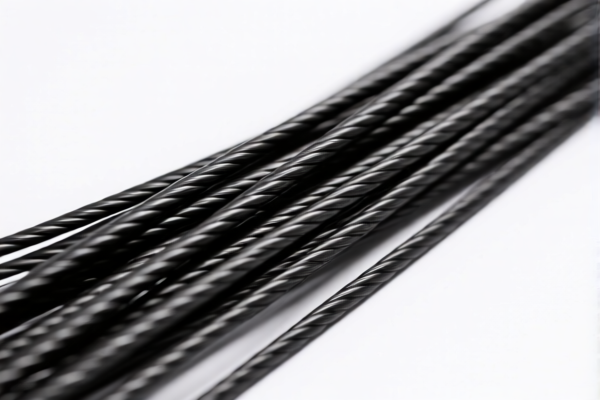
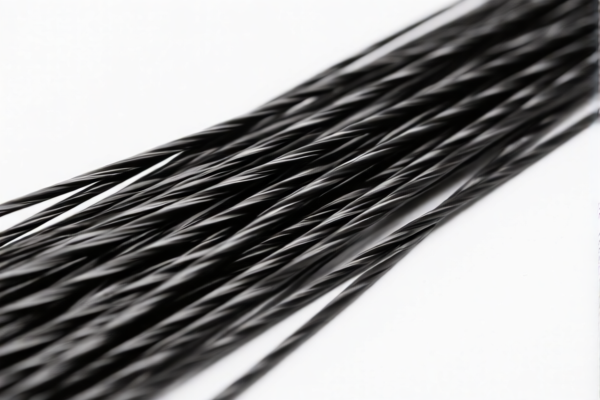
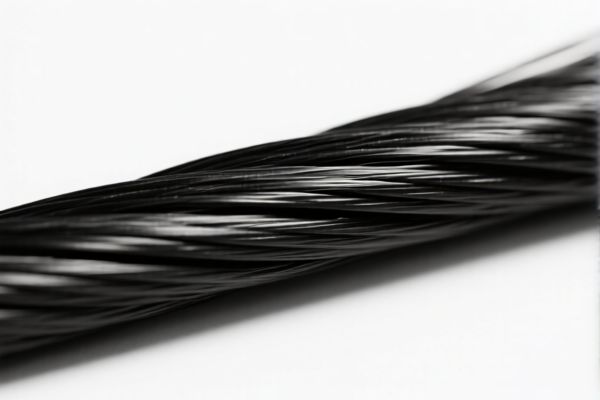
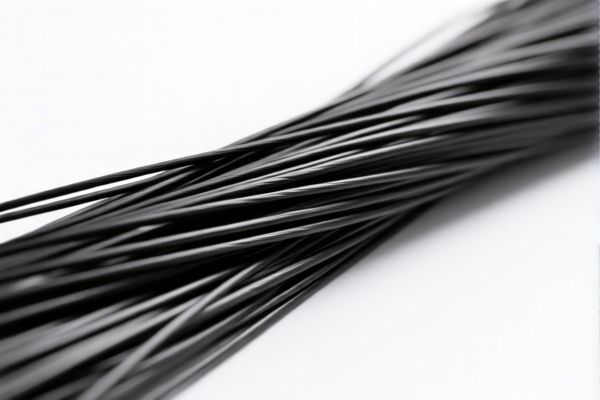
AI Analysis
🛡️ Carbon Fiber Reinforced Composite (CFRP) – The Ultimate Guide to US Customs Classification & Tariff Strategy (2026)
🌐 HS Code Reference & Clearance Guide | 2026 Latest Tariff Analysis | Professional Clearance Strategy
📌 I. Product Definition & Classification: Do You Really Know "Carbon Fiber"?
Carbon Fiber Reinforced Composites (CFRP) are high-performance materials composed of carbon fibers embedded in a matrix (typically plastic resin, but sometimes graphite or ceramic). They are used in aerospace, automotive, sports equipment, and industrial machinery.
In international trade, CFRP is notoriously difficult to classify because it straddles two major chapters:
Chapter 39 (Plastics/Resins): If the plastic/resin matrix is predominant or if it’s a composite primarily made of plastic.
Chapter 68 (Articles of Stone, Plaster, Cement, Asbestos, Mica, or Similar Materials): If the material is primarily graphite/carbon-based or treated as a "manufactured graphite article."
⚠️ Critical Distinction:
- If the base is Plastic/Resin → Likely Chapter 39 (e.g., 3921, 3926).
- If the base is Graphite/Carbon or classified as a specialized carbon product → Likely Chapter 68 (e.g., 6815).
- The form (sheet, plate, part) and the ratio of fiber to matrix matter immensely.
📦 II. HS Code Classification Details (2026 Latest Tariff Authority Mapping)
Based on current US Customs data and trade summaries, here are the four most common HS Codes for Carbon Fiber Composites, along with their specific tax implications.
| HS Code | Product Description | Material Logic | Total Tax Rate (US from CN) |
|---|---|---|---|
3921.90.50.50 |
Plastic-based Carbon Fiber Composites (Sheets/Plates) | Plastic resin matrix + Carbon fiber. Classified as "Other plates, sheets, film, foil and strip, of plastics." | 39.8% |
6815.13.00.00 |
Graphite/Carbon Fiber Articles (Manufactured) | Classified under "Other articles of graphite or other carbon." Focuses on the carbon material itself rather than the plastic binder. | 35.0% |
6815.11.00.00 |
Carbon/Graphite Fiber Products (Unwoven) | Specifically for "Articles of carbon fiber or of other carbon materials." Often used for raw fiber mats or specific carbon composites not covered by plastic chapters. | 35.0% |
3926.90.45.90 |
Other Plastic/Resin Composite Articles | "Other articles of plastics and articles of other materials of headings 39.01 to 39.14." A catch-all for plastic-based composites not specified elsewhere. | 38.5% |
3926.90.99.89 |
Unspecified Plastic/Composite Articles | "Other" category for plastic articles. Used when the specific composite type doesn't fit 3921 or 3926.45. Often has lower base duty but still subject to附加税. | 22.8% |
🔍 Key Insight:
- Chapter 68 (6815) generally offers a lower total tax rate (35.0%) compared to Chapter 39 variants (38.5% - 39.8%).
- However, proving that a product belongs in 6815 (rather than 3921) requires strong evidence that the graphite/carbon content is the defining characteristic, not the resin.
-3926.90.99.89is the "wildcard" with the lowest total tax (22.8%) but is the most contentious. US Customs often challenges this code for high-performance composites, suspecting duty evasion.
💰 III. 2026 Latest Tariff Rate Breakdown (Detailed Tax Clauses)
✅ Applicable Country: United States (US)
✅ Origin: China (CN)
✅ Effective Time: Ongoing (Subject to Section 301 & IEEPA updates)
🎯 1. 3921.90.50.50 – Plastic-Based CFRP Sheets/Plates
| Item | Detail |
|---|---|
| Base Duty | 4.8% (Standard MFN) |
| Section 301 Duty | +25.0% (Trade Act of 1974, Section 301) |
| 122 Clause Duty | +10.0% (Section 122 of the Trade Act of 1974 / Additional Import Restrictions) |
| Total Rate | 39.8% |
| Calculation | CIF Value × 39.8% |
| De Minimis Exemption | ❌ NO (Denied for Section 301/122 goods) |
| Legal Path | Section 301: 9903.88.01 → Section 122: 9903.122.01 → USITC: 3921.90.50.50 |
📌 Explanation:
- This is the most conservative classification for plastic-bound carbon fiber sheets.
- The 10% "122 Clause" is a critical add-on that many importers miss. It applies to specific categories of goods from China.
- Total 39.8% is a heavy burden. Ensure your material is indeed primarily plastic-resin based.
🎯 2. 6815.13.00.00 & 6815.11.00.00 – Graphite/Carbon Fiber Articles
| Item | Detail |
|---|---|
| Base Duty | 0.0% (Free for Graphite Articles) |
| Section 301 Duty | +25.0% |
| 122 Clause Duty | +10.0% |
| Total Rate | 35.0% |
| Calculation | CIF Value × 35.0% |
| De Minimis Exemption | ❌ NO |
| Legal Path | Section 301: 9903.88.01 → Section 122: 9903.122.01 → USITC: 6815.11/13 |
📌 Explanation:
- Savings: 4.8% lower than3921.90.50.50.
- Risk: You must prove the product is "Graphite/Carbon" in nature. If it’s a standard epoxy-carbon sheet, Customs may reclassify it to Chapter 39.
- Strategy: Use this code only if your product is a specialized carbon/graphite composite, not a standard plastic laminate.
🎯 3. 3926.90.45.90 – Other Plastic Composite Articles
| Item | Detail |
|---|---|
| Base Duty | 3.5% |
| Section 301 Duty | +25.0% |
| 122 Clause Duty | +10.0% |
| Total Rate | 38.5% |
| Calculation | CIF Value × 38.5% |
| De Minimis Exemption | ❌ NO |
| Legal Path | Section 301: 9903.88.01 → Section 122: 9903.122.01 → USITC: 3926.90.45.90 |
📌 Explanation:
- A mid-range option. Used when the article doesn’t fit neatly into "Plastic Sheets" (3921) but is clearly plastic-based.
- Still subject to both 25% + 10% surcharges.
🎯 4. 3926.90.99.89 – Unspecified Plastic/Composite Articles
| Item | Detail |
|---|---|
| Base Duty | 5.3% |
| Section 301 Duty | +7.5% (Note: Some subcategories have lower 301 rates; verify current list) |
| 122 Clause Duty | +10.0% |
| Total Rate | 22.8% |
| Calculation | CIF Value × 22.8% |
| De Minimis Exemption | ❌ NO (Check specific exclusions; generally denied for high-tech composites) |
| Legal Path | Section 301: 9903.75.01 (if applicable) → Section 122 → USITC: 3926.90.99.89 |
📌 Explanation:
- Lowest Rate (22.8%): This is the most attractive code.
- High Risk: This is a "catch-all" code. US Customs frequently audits imports under this code for carbon fiber products, arguing they should be in 3921 or 6815.
- Recommendation: Only use if you have strong legal precedent or a Pre-Ruling from CBP supporting this classification. Misclassification can lead to penalties and back duties.
🛠️ IV. Clearance Practical Advice (Battle-Tested Pitfall Avoidance)
✅ 1. Preparation Checklist (Non-Negotiable)
| Document | Required | Purpose |
|---|---|---|
| ✅ Product Specification Sheet | ✔️ | Detail fiber type (T300, T700, etc.), resin type (Epoxy, Phenolic), % by weight, and manufacturing process. |
| ✅ Technical Data Sheet (TDS) | ✔️ | Proves material properties (strength, weight) to support Chapter 68 vs 39 argument. |
| ✅ Product Photos (Clear) | ✔️ | Show cross-section, texture, and any markings. |
| ✅ Commercial Invoice | ✔️ | Must describe product accurately: "Carbon Fiber Reinforced Plastic Composite Sheet, Model X" – NOT just "Carbon Fiber." |
| ✅ Certificate of Origin | ✔️ | To confirm China origin and apply correct Section 301/122 duties. |
| ✅ Pre-Ruling Letter (if available) | ✔️ | Highly Recommended for 3926.90.99.89 to avoid audits. |
✅ 2. Declaration Strategy (Key Mantras)
🔥 "Material Dictates Code, Form Follows Function, Accuracy Saves Cash!"
| Scenario | Correct Declaration Approach | Wrong Approach |
|---|---|---|
| Standard Epoxy-Carbon Sheet | 3921.90.50.50 or 3926.90.45.90 |
Try to force 3926.90.99.89 without proof → Audit risk |
| Specialized Graphite Composite | 6815.13.00.00 |
Call it "Plastic" when it’s graphite-based → Classification error |
| Carbon Fiber Part (e.g., bracket) | Depends on primary material. If plastic-based, 3926. If carbon-based, 6815. |
Declare as "Metal Part" → Fraud/Civil Penalty |
| Unfinished Raw Mat | 6815.11.00.00 |
Declare as finished part → Wrong valuation and classification |
✅ 3. Special Handling for High-Value Items
| Situation | Action |
|---|---|
| OEM Custom Parts | Provide client drawings showing material composition. CBP may request physical samples. |
| Mixed Shipments (Carbon + Plastic + Metal) | Declare separately. Do not lump carbon fiber parts with metal parts under a different HS code. |
| Dispute with CBP | If CBP challenges 6815 vs 3921, offer to provide lab tests confirming carbon content ratio. |
| Voluntary Disclosure | If you suspect prior misclassification (e.g., underpaid 122 Clause duties), file a Voluntary Disclosure (VD) to mitigate penalties. |
🌍 V. Global Market Clearance Comparison (2026)
| Country/Region | Recommended HS Code | Est. Total Duty (from CN) | Key Certifications | Notes |
|---|---|---|---|---|
| 🇺🇸 USA | 6815.13.00.00 or 3921.90.50.50 |
35.0% - 39.8% | N/A | Highest cost due to Section 301 + 122 Clause. |
| 🇨🇳 China | 3926.90.99.90 / 6815.13.00.00 |
5% - 10% | RoHS, REACH (if exporting back) | Lower import duty, but verify carbon credit policies. |
| 🇪🇺 EU | 6815.91.00 / 3926.90 |
0% - 4.5% | CE, REACH, RoHS | No Section 301 equivalent, but high compliance costs. |
| 🇬🇧 UK | 6815.91.00 / 3926.90 |
0% - 4.5% | UKCA | Post-Brexit rules similar to EU. |
| 🇯🇵 Japan | 6815.91.00 / 3926.90 |
0% - 8.0% | PSE (if electrical) | Generally favorable, but strict quality checks. |
📌 Conclusion:
- The US is the most expensive market for CFRP due to geopolitical tariffs.
- EU/UK/Japan offer significantly lower duties but require stricter environmental/safety compliance (REACH, CE).
- Strategy: If targeting the US, consider supply chain diversification (e.g., sourcing from non-China origins) to bypass Section 301/122 duties.
📌 VI. Common Errors & Pitfall Guide (Lessons from the Trenches)
❌ Error 1: Declaring 3926.90.99.89 (22.8%) for standard plastic-carbon sheets without proof.
👉 Consequence: CBP reclassifies to 3921.90.50.50 (39.8%) + penalties + back duties.
❌ Error 2: Ignoring the 122 Clause (10%).
👉 Consequence: Underpayment of 10% on all Chapter 39/68 goods from China. This is a recent and strictly enforced addition.
❌ Error 3: Mislabeling "Carbon Fiber" as "Plastic" or "Metal" to avoid scrutiny.
👉 Consequence: Fraud allegations, cargo seizure, and permanent blacklisting.
❌ Error 4: Failing to distinguish between Pre-preg (uncured resin) and Cured Composite.
👉 Consequence: Different HS codes and tax rates. Pre-preg may fall under 39.01-39.14 (resins), while cured parts fall under 39.26 or 68.15.
✅ Correct Practice:
"Carbon Fiber Reinforced Epoxy Composite Sheet, Unidirectional, 0.5mm Thickness, Model CF-EP-001, FCC/CE Certified"
🎯 VII. Conclusion: Precision Saves Millions
🎯 Remember This Mantra:
🔹 "Chapter 68 is cheaper (35%), but harder to prove. Chapter 39 is safer (39.8%). Chapter 3926.99 is risky (22.8%)."
🔹 "122 Clause is 10% of your duty. Don’t forget it."
🔹 "Pre-Ruling is your best friend for CFRP."
📌 Pro Tip:
If your CFRP products are not made in China (e.g., made in Vietnam, Malaysia, or the US), you can bypass Section 301 and 122 duties, reducing the total tax to 0% - 5% (base rate only).
Recommendation: Conduct an HS Code Pre-Ruling with US CBP for all new CFRP products. The cost of a ruling is negligible compared to the risk of a 40%+ duty bill and audit.
📣 Immediate Action Steps:
📞 Contact a Licensed Customs Broker + Provide Material Safety Data Sheets (MSDS) + Request a CBP Pre-Ruling
🚀 Optimize Your Supply Chain: Consider non-China origins to save ~30% in duties.
💼 Your Profit Margin Depends on Accurate Classification!
✨ Professional Clearance Starts with Accurate Classification!
💼 Every Percent Saved is Pure Profit!
Customer Reviews
About HS Code Classification
The Harmonized System (HS) is an internationally standardized nomenclature developed by the World Customs Organization (WCO) to classify traded products. Over 200 countries use the HS system as the basis for customs tariffs, trade statistics, and import/export regulations.
Each HS code follows a hierarchical structure:
- Chapter (2 digits) — Broad category of goods (e.g., Chapter 84: Machinery and Mechanical Appliances)
- Heading (4 digits) — More specific grouping within the chapter
- Subheading (6 digits) — Internationally standardized breakdown, used by all WCO member countries
- National subdivisions (8-10 digits) — Country-specific extensions for further classification, such as US HTSUS 10-digit codes
Correct HS code classification is essential for smooth customs clearance, accurate duty payment, and compliance with trade regulations. Misclassification can lead to customs delays, overpayment of duties, or penalties.
When importing from CN to US, the applicable tariff rates may include:
- Most-Favored-Nation (MFN) rate — The standard duty rate applied to WTO members
- General rate — Applied to countries without trade agreements
- Trade remedy duties — Additional tariffs such as Section 301 (anti-dumping), Section 232 (national security), or countervailing duties
The information provided on this page is for reference purposes only. For official classification, please consult with your local customs authority or a licensed customs broker.