Carbonized Wood Briquettes
CN → US| HS Code | Tariff Rate | Origin | Destination | Doc |
|---|---|---|---|---|
| 4402900100 | 35.0% | CN | US | Official Doc |
| 4402200000 | 35.0% | CN | US | Official Doc |
| 3801105090 | 35.0% | CN | US | Official Doc |
| 2701200000 | 35.0% | CN | US | Official Doc |
Product Images
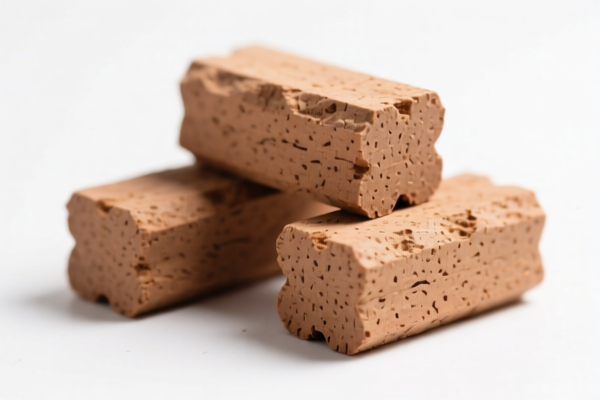
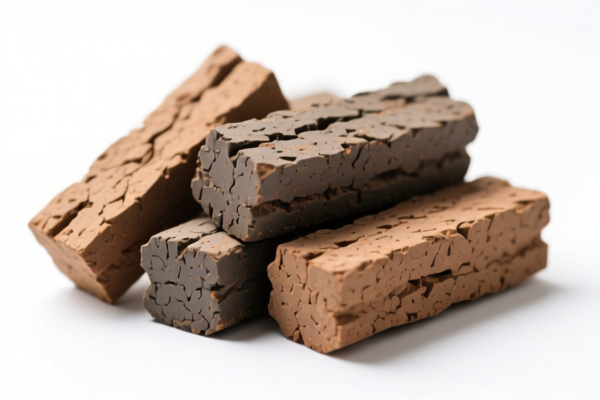
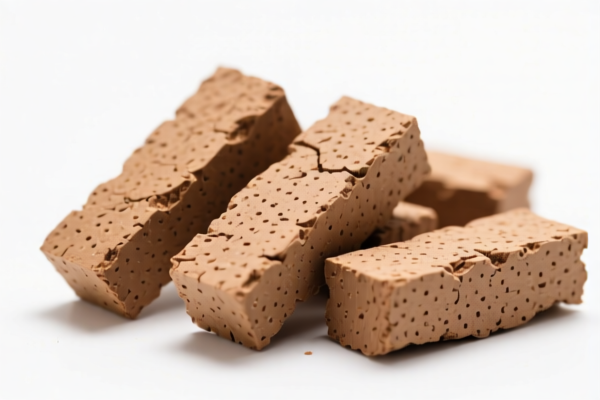
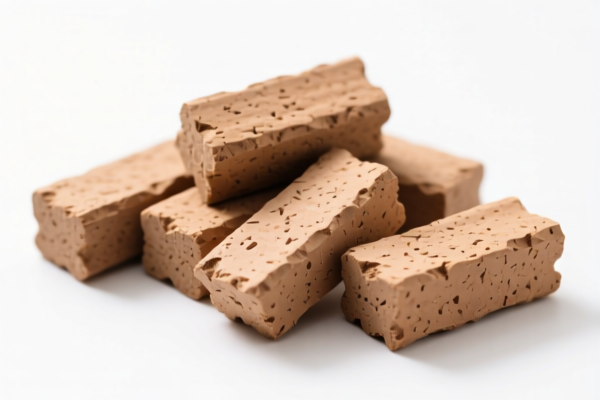
AI Analysis
🔥 Carbonized Wood Briquettes (炭化木炭块)
🌐 HS Code Reference & Customs Clearance Guide | 2026 Latest Tariff Analysis | Professional Clearance Strategy
📌 I. Product Definition and Classification: Do You Really Understand "Carbonized Wood Briquettes"?
Carbonized wood briquettes are a high-density solid fuel or carbon material produced by carbonizing wood under low-oxygen conditions and then compressing it into block shapes. In international trade, the classification varies significantly based on material composition, production process, and intended use. Misclassification can lead to severe customs penalties or delayed shipments due to the complex intersection of energy, chemical, and wood product regulations.
⚠️ Key Distinction Points:
- If the product is wood-based and used primarily as fuel or basic charcoal → It falls under Chapter 44 or Chapter 27.
- If the product is graphitized/carbonized and used for industrial/graphite applications → It may fall under Chapter 38.
- The form (briquette/block) and density determine the specific subheading within these chapters.
📦 II. HS Code Classification Details (2026 Latest Tariff Authority Comparison)
Based on the provided data, here are the four possible HS Codes for Carbonized Wood Briquettes, depending on specific material nuances:
| HS Code | Product Description | Applicable Scenario | Material/Process Focus |
|---|---|---|---|
4402.90.01.00 |
Charcoal (including shell or nut charcoal), whether or not shaped or compressed; Wood Charcoal Briquettes | Standard carbonized wood blocks used for BBQ, heating, or general fuel. | Wood-based, compressed form. Classified as "Charcoal whether or not shaped." |
4402.20.00.00 |
Charcoal, of wood, whether or not shaped or compressed. | Wood charcoal blocks where the specific "briquette" subheading isn't selected, or general wood charcoal classification. | Wood-based, carbonized. General wood charcoal category. |
3801.10.50.90 |
Artificial graphite, whether or not purified; Other carbon articles. | Carbonized blocks used for industrial electrical applications, crucibles, or high-purity carbon needs. | Graphite/Carbonaceous material. Treated as an industrial carbon/graphite product rather than simple fuel. |
2701.20.00.00 |
Peat and peat briquettes; Coal briquettes and similar solid fuels. | If the briquettes are classified strictly as solid fuel derived from carbonized organic matter. | Solid Fuel. Emphasizes the energy/fuel aspect over the wood/graphite aspect. |
🔍 Critical Reminder:
- 4402 vs. 2701: While both involve fuel, 4402 is specifically for charcoal (carbonized wood), whereas 2701 is primarily for coal or peat. However, some customs administrations may classify carbonized briquettes as "solid fuels" under 2701 depending on origin rules.
- 4402 vs. 3801: If the product has undergone graphitization (high-temperature treatment >2500°C) to become artificial graphite, it shifts to 3801. Standard carbonized wood briquettes usually remain in 4402.
💰 III. 2026 Latest Tariff Rate Breakdown (Including Surtaxes & Policy Add-ons)
✅ Applicable Country: United States (US)
✅ Origin: China (CN)
✅ Effective Date: November 10, 2025 onwards (for subsequent imports)
All four HS Codes listed above share the same total tax rate based on the provided data, reflecting current trade restrictions on Chinese-origin goods in these categories.
🎯 Common Tariff Structure for All Listed HS Codes
| Item | Content |
|---|---|
| Base Duty Rate | 0.0% (ad valorem) |
| Section 301 Surcharge | +25.0% (Section 301 Tariff on Chinese Goods) |
| Section 122 Tariff | +10.0% (Specific 122 Clause Tariff) |
| Total Tax Rate | 35.0% |
| Tax Calculation | CIF Value × 35% |
| De Minimis Eligibility | ❌ Not Eligible (Deny De Minimis) |
| Legal Basis Path | Section 301: 8524/8528/4402/etc. → Section 122: 9903.01.25 |
📌 Explanation:
- "Base Duty 0%": The standard Most Favored Nation (MFN) tariff for these charcoal/carbon goods is zero.
- "Section 301 +25%": This is the broad tariff imposed on thousands of Chinese imports under Trade Act Section 301.
- "Section 122 +10%": A specific additional tariff clause often applied to certain carbon/energy products or those linked to specific trade enforcement actions.
- Total 35%: This is a high-cost barrier. Importers must factor this into their landed cost calculations.
- No De Minimis: Small shipments cannot bypass these tariffs using the $800 de minimis rule. Full formal entry is required.
🛠️ IV. Customs Clearance Practical Advice (Field Pitfall Avoidance Guide)
✅ 1. Required Documentation Checklist (缺一不可)
| Document | Must Provide | Description |
|---|---|---|
| ✅ Product Specification Sheet | ✔️ | Detail material (wood species), carbonization temperature, density, size, and form (briquette/block). |
| ✅ Production Process Description | ✔️ | Explain if it is simple carbonization or graphitization. Crucial for distinguishing between 4402 and 3801. |
| ✅ Product Photos (Including Labels) | ✔️ | Clear images of the briquettes, packaging, and any technical labels showing composition. |
| ✅ Third-Party Test Report | ✔️ | Ash content, moisture content, and calorific value reports. For 3801, graphitization degree proof may be needed. |
| ✅ Commercial Invoice | ✔️ | Clearly state "Carbonized Wood Briquettes" and specify HS Code. Avoid vague terms like "Fuel." |
| ✅ Certificate of Origin (CO) | ✔️ | Essential for verifying China origin to apply correct surcharges. |
| ✅ Packing List | ✔️ | Detail net/gross weight and number of units. |
✅ 2. Declaration Tips (Key Mantras)
🔥 “Material Defines HS, Process Decides Category, Name Must Be Precise!”
| Scenario | Correct Declaration Approach | Incorrect Practice |
|---|---|---|
| Standard BBQ/Heating Briquettes | 4402.90.01.00 or 4402.20.00.00 |
Misdeclare as 2701.20.00.00 (Coal) → Risk of classification error penalties. |
| Industrial Graphite Carbon Blocks | 3801.10.50.90 |
Call it "Wood Charcoal" when it’s actually graphitized → High-risk misclassification. |
| General Wood Charcoal Blocks | 4402.20.00.00 |
Vague description "Carbon Blocks" → Customs may detain for inspection. |
| Any Carbonized Briquettes from China | Declare all surcharges (35%) | Assume base duty only → Underpayment penalty. |
✅ 3. Special Situation Handling
| Situation | Handling Advice |
|---|---|
| Biomass Fuel Certification | If claiming renewable energy status, provide biomass certificates, but note that US tariffs still apply. |
| Graphitized vs. Carbonized | If the briquettes are heated above 2500°C, they may qualify as Artificial Graphite (3801). Provide lab tests proving graphitization. |
| Packaging | Ensure packaging is fumigated (IPPC mark) if wooden crates are used, to avoid phyto-sanitary delays. |
| Multiple Origins | If the wood source is non-Chinese (e.g., Brazilian wood carbonized in China), origin rules apply. However, manufacturing in China often still triggers surcharges depending on substantial transformation rules. |
🌍 V. Global Market Clearance Comparison (2026 Latest)
| Country/Region | Recommended HS Code | Tariff (China Origin) | Certification Requirements | Notes |
|---|---|---|---|---|
| 🇺🇸 USA | 4402.90.01.00 / 3801.10.50.90 |
35% (Total) | None specific for fuel, but safety data for transport | High tariffs due to Section 301 & 122. |
| 🇨🇳 China | 4402.90.01.00 |
~5-7% | GB Standards for Fuel | Lower entry barrier, but strict environmental standards. |
| 🇪🇺 EU | 4402.10.00 / 3801.90.00 |
0-5% (Check EUDR) | EUDR (Deforestation Regulation) Compliance | Critical: Must prove no deforestation link. |
| 🇬🇧 UK | 4402.00.00 |
0-5% | UKCA Marking (if applicable) | Post-Brexit rules apply. |
| 🇯🇵 Japan | 4402.00.00 |
0-5% | JIS Standards | Strict quality control for ash/heat content. |
📌 Conclusion:
- USA is the most challenging market due to the 35% cumulative tariff.
- EU requires strict deforestation proof (EUDR), which is a major hurdle for wood-based carbon products.
- Other markets have lower tariffs but may require specific quality certifications.
📌 VI. Common Errors & Pitfall Guide (Lessons Learned)
❌ Error 1: Classifying all briquettes as 2701.20.00.00 (Coal Briquettes)
👉 Consequence: Even if tax is similar, misclassification of material (wood vs. coal) can lead to phyto-sanitary seizures or data mismatch penalties.
❌ Error 2: Ignoring the 35% Total Tax
👉 Consequence: Underpayment of duties → Back taxes + Interest + Penalties. The 0% base rate is misleading.
❌ Error 3: Confusing Carbonized with Graphitized
👉 Consequence: Declaring 3801 (Graphite) for standard wood briquettes → Customs may reject due to lack of graphitization proof, or declare 4402 and charge higher duties if 3801 had different rules (currently both 35%, but risk remains).
❌ Error 4: Vague Product Names ("Charcoal", "Fuel")
👉 Consequence: Customs may assign a default higher duty code or request costly inspections.
✅ Correct Action:
"Carbonized Wood Briquettes, 100% Natural Wood, Compressed Block Form, BBQ/Industrial Use, Model XYZ, Origin: China"
🎯 VII. Conclusion: Professional Declaration, Cost Control, Efficient Clearance
🎯 Remember the Mantra:
🔹 “Wood Charcoal is 4402, Graphite is 3801, Fuel is 2701.”
🔹 “Base 0%, Surtax 35%: Don’t be fooled by the zero!”
🔹 “Declare accurately, avoid 35% surprise, keep profit margin intact!”
📌 Tips:
- If your carbonized briquettes are graphitized (industrial grade), verify if
3801offers any potential advantages in non-US markets.- For US imports, calculate the 35% tariff into your FOB price immediately. Consider sourcing from non-China origins (e.g., Vietnam, Brazil) to avoid Section 301 surcharges, if applicable.
- Apply for an Advance Ruling with US CBP if the product type is ambiguous between
4402and3801to ensure certainty.
📣 Immediate Action:
📞 Contact a licensed customs broker + Provide product specs + Apply for HS Code Advance Ruling
🚀 Ensure smooth customs clearance, avoid 35% shocks, and maximize your profit!
✨ Professional clearance starts with precise classification!
💼 Every cent of cost must be calculated precisely!
Customer Reviews
About HS Code Classification
The Harmonized System (HS) is an internationally standardized nomenclature developed by the World Customs Organization (WCO) to classify traded products. Over 200 countries use the HS system as the basis for customs tariffs, trade statistics, and import/export regulations.
Each HS code follows a hierarchical structure:
- Chapter (2 digits) — Broad category of goods (e.g., Chapter 84: Machinery and Mechanical Appliances)
- Heading (4 digits) — More specific grouping within the chapter
- Subheading (6 digits) — Internationally standardized breakdown, used by all WCO member countries
- National subdivisions (8-10 digits) — Country-specific extensions for further classification, such as US HTSUS 10-digit codes
Correct HS code classification is essential for smooth customs clearance, accurate duty payment, and compliance with trade regulations. Misclassification can lead to customs delays, overpayment of duties, or penalties.
When importing from CN to US, the applicable tariff rates may include:
- Most-Favored-Nation (MFN) rate — The standard duty rate applied to WTO members
- General rate — Applied to countries without trade agreements
- Trade remedy duties — Additional tariffs such as Section 301 (anti-dumping), Section 232 (national security), or countervailing duties
The information provided on this page is for reference purposes only. For official classification, please consult with your local customs authority or a licensed customs broker.