Card Cutter
CN → US| HS Code | Tariff Rate | Origin | Destination | Doc |
|---|---|---|---|---|
| 8214100000 | 0.0% | CN | US | Official Doc |
| 8214909000 | 0.0% | CN | US | Official Doc |
| 8205517500 | 38.7% | CN | US | Official Doc |
Product Images
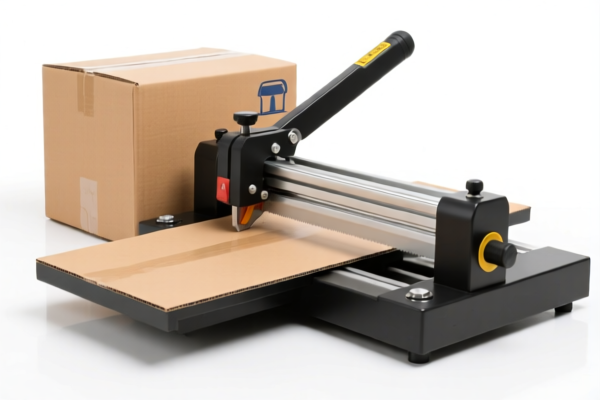
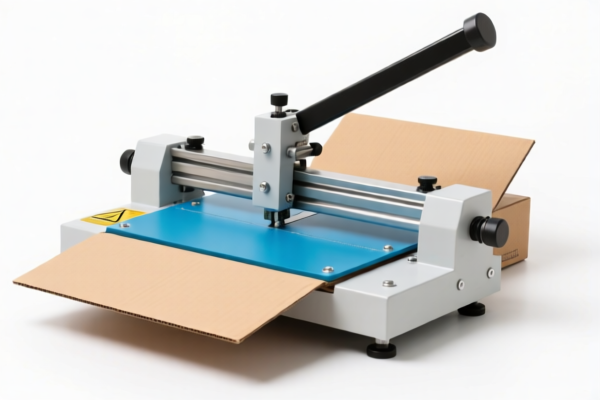
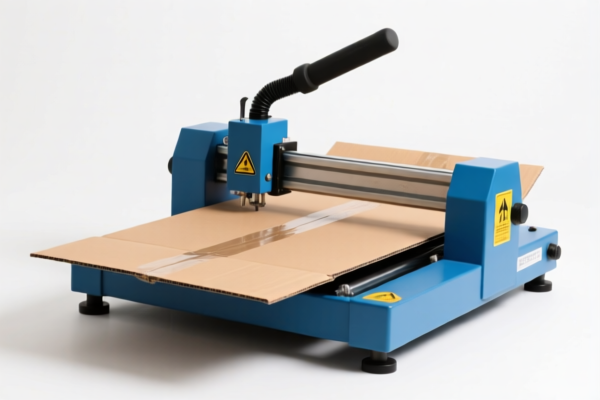
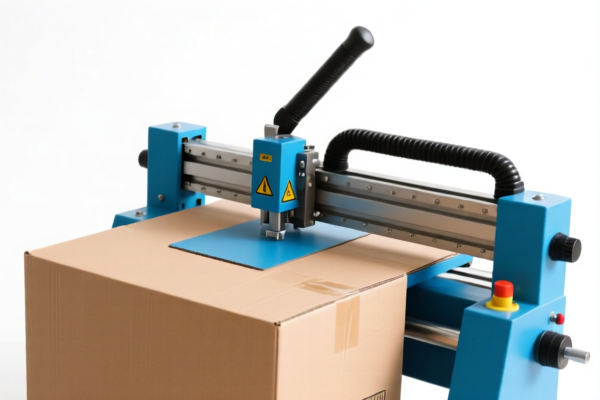
AI Analysis
✂️ Card Cutter (剪卡器)
🌐 HS Code Reference & Customs Clearance Guide | 2026 Latest Tariff Analysis | Strategic Compliance for Cross-Border Trade
📌 I. Product Definition & Classification: What Exactly is a "Card Cutter"?
A Card Cutter is a handheld tool primarily used for trimming, shaping, or cutting plastic cards (such as ID cards, credit cards, or access badges). In international trade, its classification depends heavily on its material, mechanism, and primary function.
Key Distinctions: * Manual Nail/Manicure Tools: If the device functions primarily as a trimming/pushing tool for fingernails or similar biological tissues, it may fall under personal care tools. * Blade/Cutting Tools: If it functions primarily as a shearing or cutting instrument using metal blades, it falls under general cutting tools. * Machine vs. Hand Tool: Simple manual cutters are "hand tools," while motorized or complex mechanical cutters are "machinery."
⚠️ Critical Classification Point:
- If it is a simple manual device for trimming (like nail clippers) → 8214.10.00.00
- If it is a manual cutter with a specific blade mechanism not fitting neatly into "nail tools" → 8214.90.90.00
- If it is a mechanical/motorized machine or a complex handheld tool with significant mechanical parts → 8205.51.75.00 or 8461.50.40.50
📦 II. HS Code Classification Details (2026 Tariff Authority Comparison)
Based on the provided data, here are the five possible classifications and their logical reasoning:
| HS Code | Product Description | Applicability Scenario | Classification Logic |
|---|---|---|---|
8214.10.00.00 |
Nail Clippers & Similar Trimming Tools | Manual card trimmers that function similarly to nail clippers or cuticles tools | ✅ Fits: "Trimming tools" for biological or similar materials; logic extended to small manual cutting instruments. |
8214.90.90.00 |
Other Hand Tools (Cutting/Shearing) | Manual card cutters classified as small cutting tools or shears | ✅ Fits: "Small cutting tools" or "shearing tools" under general hand tool categories. |
8205.51.75.00 |
Other Hand Tools (General Cutting) | Complex manual card cutters or multi-functional cutting devices | ✅ Fits: "Handheld cutting tools" falling under general hand tools category. |
8461.50.40.50 |
Machinery for Sawing/Cutting Metal | Motorized or mechanical card cutting machines | ✅ Fits: "Cutting machinery" inferred as metal-processing machinery if automated/mechanical. |
8456.50.00.00 |
Laser Machining Machines | Industrial laser card cutters | ✅ Fits: "Cutting machines" matching laser machining technology. |
🔍 Key Reminder:
- Manual Cutters: Most consumer-grade card cutters are Hand Tools (8214 or 8205 series).
- Automated Cutters: Industrial card printers with built-in cutters fall under Machinery (84xx series).
- Misclassification Risk: Declaring a manual cutter as a "machine" can lead to higher duties and inspection delays.
💰 III. 2026 Latest Tariff Rate Breakdown (Including Add-on Taxes)
✅ Applicable Country: USA (US)
✅ Origin: China (CN)
✅ Effective Date: 2025-11-10 onwards (including subsequent imports)
🎯 1. 8214.10.00.00 — Nail Clippers & Similar Trimming Tools
| Item | Detail |
|---|---|
| Base Duty | 0.3¢ each + 4.2% (Ad Valorem) |
| Section 301 Duty | 0.0% |
| Section 122 Duty | 10.0% |
| Total Effective Rate | Complex Calculation: Fixed fee per unit + 4.2% + 10% surcharge |
| De Minimis Eligibility | ❌ Likely Denied due to Section 122 and 301 implications for cutting tools from China |
| Legal Basis Path | HTS:8214.10.00.00 → IEEPA:9903.01.25 (10% Section 122) |
📌 Explanation:
- Base Rate: Low (0.3¢/unit + 4.2%);
- Section 122 (10%): Applies to many consumer goods from China;
- Total Burden: While base duty is low, the 10% surcharge significantly impacts cost.
- Best For: Simple, manual, low-volume card trimmers.
🎯 2. 8214.90.90.00 — Other Hand Tools (Cutting/Shearing)
| Item | Detail |
|---|---|
| Base Duty | 1.4¢ each + 3.2% (Ad Valorem) |
| Section 301 Duty | 0.0% |
| Section 122 Duty | 10.0% |
| Total Effective Rate | Complex Calculation: Fixed fee per unit + 3.2% + 10% surcharge |
| De Minimis Eligibility | ❌ Likely Denied |
| Legal Basis Path | HTS:8214.90.90.00 → IEEPA:9903.01.25 (10% Section 122) |
📌 Explanation:
- Slightly higher fixed fee (1.4¢) but lower ad valorem (3.2%) than 8214.10;
- 10% Section 122 still applies;
- Best For: Card cutters classified as general shearing/cutting tools rather than personal care.
🎯 3. 8205.51.75.00 — Other Hand Tools (General)
| Item | Detail |
|---|---|
| Base Duty | 3.7% (Ad Valorem) |
| Section 301 Duty | 25.0% |
| Section 122 Duty | 10.0% |
| Total Effective Rate | 38.7% |
| De Minimis Eligibility | ❌ Denied |
| Legal Basis Path | HTS:8205.51.75.00 → USITC:9903.88.01 (25%) → IEEPA:9903.01.25 (10%) |
📌 Explanation:
- High Duty Regime: This classification triggers Section 301 (25%) + Section 122 (10%);
- Total: 38.7%;
- Best For: Complex hand tools that do not fit neatly into "nail clippers" or "simple cutters."
🎯 4. 8461.50.40.50 — Machinery for Sawing/Cutting Metal
| Item | Detail |
|---|---|
| Base Duty | 4.4% (Ad Valorem) |
| Section 301 Duty | 25.0% |
| Section 122 Duty | 10.0% |
| Total Effective Rate | 39.4% |
| De Minimis Eligibility | ❌ Denied |
| Legal Basis Path | HTS:8461.50.40.50 → USITC:9903.88.01 (25%) → IEEPA:9903.01.25 (10%) |
📌 Explanation:
- Machinery Classification: Implies the device is a machine (e.g., motorized);
- Highest Duty Risk: Subject to 25% Section 301 + 10% Section 122;
- Best For: Industrial card cutting machines or motorized devices.
🎯 5. 8456.50.00.00 — Laser Machining Machines
| Item | Detail |
|---|---|
| Base Duty | 2.5% (Ad Valorem) |
| Section 301 Duty | 25.0% |
| Section 122 Duty | 10.0% |
| Total Effective Rate | 37.5% |
| De Minimis Eligibility | ❌ Denied |
| Legal Basis Path | HTS:8456.50.00.00 → USITC:9903.88.01 (25%) → IEEPA:9903.01.25 (10%) |
📌 Explanation:
- Laser Technology: Specifically for laser cutters;
- Duty: 37.5% total (2.5% base + 25% Section 301 + 10% Section 122);
- Best For: High-precision industrial laser card cutters.
🛠️ IV. Customs Clearance Practical Advice (Real-World Pitfall Guide)
✅ 1. Documentation Checklist (Non-negotiable)
| Document | Required | Description |
|---|---|---|
| ✅ Product Specifications | ✔️ | Material (plastic, metal), power source (manual/electric), dimensions |
| ✅ Operating Manual | ✔️ | Explains function: Is it manual trimming or mechanical cutting? |
| ✅ Product Photos | ✔️ | Clear images of the device, including any blades, motors, or controls |
| ✅ Commercial Invoice | ✔️ | Must accurately describe the item as "Card Cutter" or "Hand Tool" |
| ✅ Proof of Origin | ✔️ | COO (Certificate of Origin) for potential duty exemptions |
| ✅ Third-Party Test Reports | ✔️ | If electric/laser: UL, FCC, CE certifications required |
✅ 2. Declaration Tips (Key Mnemonics)
🔥 "Manual = Hand Tool, Machine = Machinery, Name Precisely, Tariff Minimizes!"
| Scenario | Correct Declaration | Wrong Practice |
|---|---|---|
| Manual card trimmer (like nail clippers) | 8214.10.00.00 (Nail Trim Tool) |
Declaring as "Machine" → 38.7%+ |
| Manual card shears/cutters | 8214.90.90.00 (Hand Tool) |
Declaring as "Personal Care" → Misclassification |
| Electric/Motorized cutter | 8461.50.40.50 or 8456.50.00.00 |
Declaring as "Hand Tool" → Severe Penalty |
| Laser card cutter | 8456.50.00.00 (Laser Machine) |
Declaring as "General Machine" → Higher Duty |
✅ 3. Special Case Handling
| Scenario | Handling Advice |
|---|---|
| OEM Custom Cutters | Provide design drawings to justify classification; avoid "generic" terms |
| Combined Sets | If card cutter + card reader + card printer, declare as Machinery (84xx) |
| Sample/Prototype | Clearly mark as "Non-Commercial Sample" but still subject to duties |
| Low-Value Shipments | Warning: Section 122 (10%) often blocks de minimis exemptions for cutting tools |
🌍 V. Global Market Customs Comparison (2026 Latest)
| Country/Region | Recommended HS Code | Tariff (China Origin) | Certification Requirements | Notes |
|---|---|---|---|---|
| 🇺🇸 USA | 8214.10.00.00 or 8214.90.90.00 |
Low Base + 10% Section 122 | No specific certs for manual; FCC/UL for electric | Manual cutters benefit from lower base duty |
| 🇨🇳 China | 8214.10.00.00 |
0-5% | CCC (if electric) | No Section 122/301 |
| 🇪🇺 EU | 8214.10.00.00 |
0-4.5% | CE Marking | No additional surcharges |
| 🇬🇧 UK | 8214.10.00.00 |
0-4.5% | UKCA Marking | Post-Brexit rules apply |
| 🇦🇺 Australia | 8214.10.00.00 |
5% | RCM (if electric) | Standard MFN rates |
📌 Conclusion:
- USA is the most challenging market due to Section 122 (10%) and potential Section 301 (25%);
- Manual Cutters (8214 series) are strategically better than Machinery (84xx series) for duty minimization;
- Ensure accurate description to avoid being classified as "Machinery" (which triggers 25% + 10% = 35-39% duties).
📌 VI. Common Mistakes & Pitfall Avoidance (Lessons Learned)
❌ Mistake 1: Declaring a motorized card cutter as a manual hand tool
👉 Consequence: Customs reclassification → Back taxes + 25% Section 301 + 10% Section 122
❌ Mistake 2: Using vague terms like "Tool" or "Device" on Invoice
👉 Consequence: Customs delays, inspections, potential seizure for insufficient info
❌ Mistake 3: Assuming de minimis (Section 321) applies to low-value shipments
👉 Consequence: Section 122 (10%) often negates de minimis for cutting tools from China
❌ Mistake 4: Misclassifying laser cutters as general machines
👉 Consequence: Incorrect HS Code → Penalties + 37.5% duty instead of potential lower rates
✅ Correct Approach:
"Manual Plastic Card Cutter, Handheld, Stainless Steel Blade, for Trimming Access Cards"
OR
"Electric Card Cutting Machine, Industrial Use, 220V"
🎯 VII. Conclusion: Professional Declaration Saves Money!
🎯 Remember These Mnemonics:
🔹 "Manual = Hand Tool (Low Base + 10%), Machine = Machinery (High Base + 35%+)"
🔹 "HS Code is Life, Description is Key, Avoid Machinery If Possible!"
🔹 "Section 122 Hits Cutting Tools, 10% Surcharge is Real!"
📌 Pro Tip:
If your card cutters are originally produced in Vietnam, Mexico, or Thailand, you may qualify for IEEPA Exemptions or lower MFN rates.
Recommendation: Apply for an Advance Ruling with US Customs (CBP) to confirm HS Code classification before bulk shipment.
📣 Immediate Action:
📞 Contact a licensed customs broker + Provide Product Images + Request HS Code Advance Ruling
🚀 Let your Card Cutters Clear Smoothly, Reduce Costs, and Maximize Profits!
✨ Professional Customs Clearance Starts with Precise Classification!
💼 Every Penny in Cost Matters! Calculate Precisely!
Customer Reviews
About HS Code Classification
The Harmonized System (HS) is an internationally standardized nomenclature developed by the World Customs Organization (WCO) to classify traded products. Over 200 countries use the HS system as the basis for customs tariffs, trade statistics, and import/export regulations.
Each HS code follows a hierarchical structure:
- Chapter (2 digits) — Broad category of goods (e.g., Chapter 84: Machinery and Mechanical Appliances)
- Heading (4 digits) — More specific grouping within the chapter
- Subheading (6 digits) — Internationally standardized breakdown, used by all WCO member countries
- National subdivisions (8-10 digits) — Country-specific extensions for further classification, such as US HTSUS 10-digit codes
Correct HS code classification is essential for smooth customs clearance, accurate duty payment, and compliance with trade regulations. Misclassification can lead to customs delays, overpayment of duties, or penalties.
When importing from CN to US, the applicable tariff rates may include:
- Most-Favored-Nation (MFN) rate — The standard duty rate applied to WTO members
- General rate — Applied to countries without trade agreements
- Trade remedy duties — Additional tariffs such as Section 301 (anti-dumping), Section 232 (national security), or countervailing duties
The information provided on this page is for reference purposes only. For official classification, please consult with your local customs authority or a licensed customs broker.