Card Holder Set
CN → US| HS Code | Tariff Rate | Origin | Destination | Doc |
|---|---|---|---|---|
| 3926909989 | 22.8% | CN | US | Official Doc |
| 4202399000 | 55.0% | CN | US | Official Doc |
| 3926908700 | 40.3% | CN | US | Official Doc |
| 4823908680 | 35.0% | CN | US | Official Doc |
| 7117909000 | 28.5% | CN | US | Official Doc |
Product Images
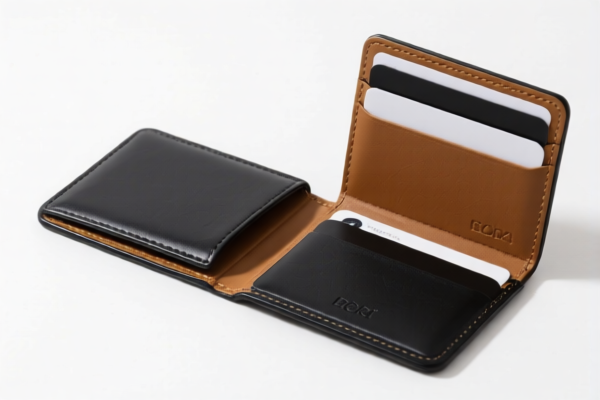
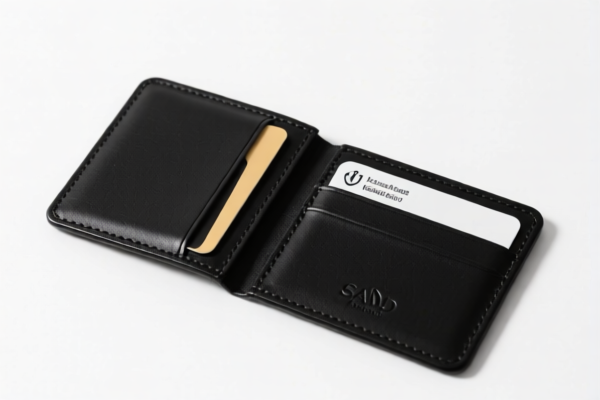
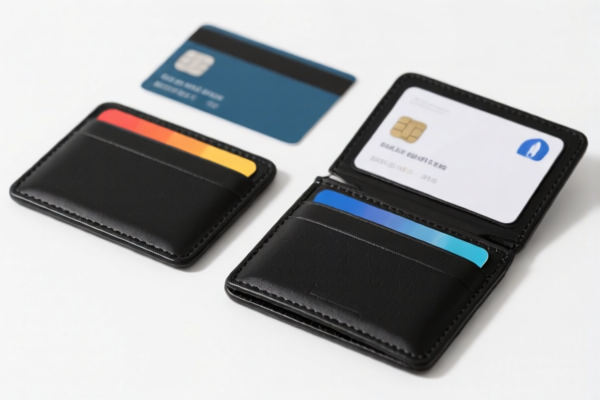
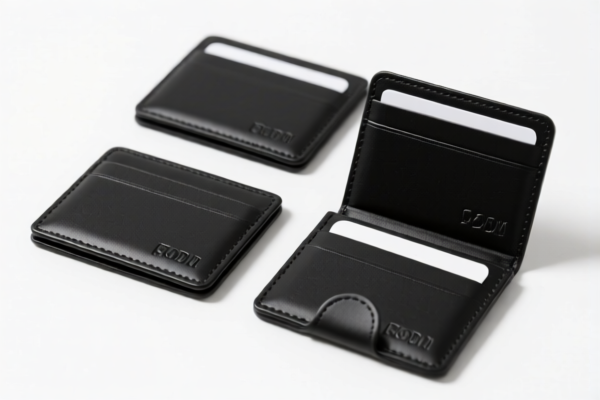
AI Analysis
🪪 Card Holder Set (Card Organizers & Wallets)
🌐 HS Code Reference & Clearance Guide | 2024-2026 Latest Tariff Analysis | Professional Clearance Strategy
📌 I. Product Definition & Classification: What Exactly is a "Card Holder Set"?
A "Card Holder Set" is a versatile accessory used for organizing credit cards, ID badges, business cards, or transit passes. In international trade, its classification is highly dependent on two key factors: 1. Material Composition: Is it made of plastic, paper, leather, or metal? 2. Function & Form: Is it a simple flat pouch, a rigid container, or an article of jewelry/accessory?
Misclassification is the #1 reason for delays. Below are the five most likely HS Codes based on the provided data, analyzed for accuracy and cost.
📦 II. HS Code Classification Details (Based on Provided Data)
| HS Code | Product Description | Material Logic | Key Features |
|---|---|---|---|
3926.90.99.89 |
Other articles of plastics | Plastic | Generic plastic card holder, no specific shape constraints. |
4202.39.90.00 |
Articles of travel, sports... carried in the pocket | Leather/Textile/Plastic | Classified as a "Pouch" or "Case" for carrying small items. |
3926.90.87.00 |
Other plastic articles | Plastic | Specific for plastic goods used for organizing/filing documents. |
4823.90.86.80 |
Other paper articles | Paper/Cardboard | Made of paper, cardboard, or fiberboard. |
7117.90.90.00 |
Imitation jewelry | Metal/Plastic | Warning: If styled as fashion jewelry, it may fall here. |
🔍 Critical Distinction:
- If it’s a simple plastic sleeve → Look at 3926.
- If it’s a pouch/case (even if plastic) → Look at 4202.
- If it’s paper-based → Look at 4823.
- If it’s decorative metal → Look at 7117.
💰 III. 2024-2026 Latest Tariff Rate Breakdown (Detailed Tax Clauses)
✅ Applicable Country: United States (US)
✅ Origin: China (CN)
✅ Context: Includes Base Tariff + Section 301 (25%) + Section 122 (10%) where applicable.
🎯 1. 3926.90.99.89 — Other Plastic Articles (General)
Best for: Simple, generic plastic card holders.
| Item | Detail |
|---|---|
| Base Tariff | 5.3% |
| Section 301 (Add-on) | 7.5% |
| Section 122 Clause | 10.0% |
| Total Tax Rate | 22.8% |
| Tax Calculation | CIF Value × 22.8% |
| Legal Basis Path | Base: 3926.90.99.89 → Sec301: 7.5% → Sec122: 10% |
📌 Explanation:
- This is the lowest cost option among plastic classifications.
- It applies to "other articles of plastics" not specifically described elsewhere (like containers).
- Risk: Customs may challenge this if the item is clearly a "container" (which pushes it to 4202).
🎯 2. 4202.39.90.00 — Carried-in-Pocket Containers (Pouches/Cases)
Best for: Card holders that are pouches, cases, or folios.
| Item | Detail |
|---|---|
| Base Tariff | 20.0% |
| Section 301 (Add-on) | 25.0% |
| Section 122 Clause | 10.0% |
| Total Tax Rate | 55.0% |
| Tax Calculation | CIF Value × 55.0% |
| Legal Basis Path | Base: 4202.39.90.00 → Sec301: 25.0% → Sec122: 10% |
📌 Explanation:
- High Cost Warning: This is the most expensive classification in the dataset.
- Chapter 42 covers "Leather goods; travel goods, handbags..."
- Even if made of plastic, if it functions as a "pouch" or "case," US Customs often forces this classification.
- Tip: Avoid this if possible unless your product is explicitly a leather/textile pouch.
🎯 3. 3926.90.87.00 — Plastic Articles for Organization
Best for: Plastic card holders with specific organizational functions.
| Item | Detail |
|---|---|
| Base Tariff | 5.3% |
| Section 301 (Add-on) | 25.0% |
| Section 122 Clause | 10.0% |
| Total Tax Rate | 40.3% |
| Tax Calculation | CIF Value × 40.3% |
| Legal Basis Path | Base: 3926.90.87.00 → Sec301: 25.0% → Sec122: 10% |
📌 Explanation:
- This falls under Chapter 39 (Plastics) but attracts the full 25% Section 301 tariff instead of 7.5%.
- Why the difference?3926.90.87.00is often viewed as a more "specific" industrial or office supply item, triggering higher Section 301 penalties compared to the general3926.90.99.89.
- Comparison: 40.3% vs 22.8% → Save 17.5% by choosing3926.90.99.89if compliant.
🎯 4. 4823.90.86.80 — Paper/Cardboard Articles
Best for: Paper-based card holders, business card sleeves, or eco-friendly paper organizers.
| Item | Detail |
|---|---|
| Base Tariff | 0.0% |
| Section 301 (Add-on) | 25.0% |
| Section 122 Clause | 10.0% |
| Total Tax Rate | 35.0% |
| Tax Calculation | CIF Value × 35.0% |
| Legal Basis Path | Base: 4823.90.86.80 → Sec301: 25.0% → Sec122: 10% |
📌 Explanation:
- Zero Base Tariff is attractive, but the 25% Section 301 is mandatory for Chinese goods.
- Ideal if your product is truly paper/cardboard (not plastic).
- If you claim this for a plastic product, you face fraud penalties and misclassification fines.
🎯 5. 7117.90.90.00 — Imitation Jewelry
Best for: Decorative, fashion-forward card holders made of metal/plastic that resemble jewelry.
| Item | Detail |
|---|---|
| Base Tariff | 11.0% |
| Section 301 (Add-on) | 7.5% |
| Section 122 Clause | 10.0% |
| Total Tax Rate | 28.5% |
| Tax Calculation | CIF Value × 28.5% |
| Legal Basis Path | Base: 7117.90.90.00 → Sec301: 7.5% → Sec122: 10% |
📌 Explanation:
- Middle-Ground Cost: 28.5% is moderate.
- High Risk: This is a "catch-all" for imitation jewelry. If Customs determines your card holder is not jewelry, they will reclassify it to a higher-tariff item (like 4202 or 3926).
- Only use if the item is explicitly marketed as a "fashion accessory/jewelry piece."
🛠️ IV. Clearance Practical Advice (Pitfall Avoidance Guide)
✅ 1. Material Declaration is Key
| Material | Recommended HS Code | Total Tax |
|---|---|---|
| Plastic (Generic) | 3926.90.99.89 |
22.8% (Lowest) |
| Plastic (Container) | 3926.90.87.00 |
40.3% |
| Leather/Textile Pouch | 4202.39.90.00 |
55.0% (Highest) |
| Paper/Cardboard | 4823.90.86.80 |
35.0% |
| Metal/Jewelry Style | 7117.90.90.00 |
28.5% |
⚠️ Crucial Tip: Do NOT mislabel a plastic card holder as "Paper" (
4823) to save tax. Customs will inspect, find the plastic, and assess the highest penalty rate + fines.
✅ 2.申报技巧 (Declaration Strategy)
🔥 Mantra: "Material Defines Chapter, Function Defines Heading."
| Scenario | Correct Declaration | Wrong Declaration | Consequence |
|---|---|---|---|
| Hard Plastic Case | 3926.90.87.00 |
3926.90.99.89 |
Overpay tax? Or underpay? Risk of audit. |
| Soft Plastic Sleeve | 3926.90.99.89 |
4202.39.90.00 |
Avoid 55% tax! |
| Metal Card Holder | 7117.90.90.00 |
8306.29 (Metal) |
Jewelry classification may be safer if decorative. |
| Paper Card Holder | 4823.90.86.80 |
3926.90.99.89 |
If it’s actually paper, 4823 is correct. |
✅ 3. Special Considerations for "Sets"
- If the "Set" includes multiple items (e.g., Card Holder + Keychain + Lanyard), declare them separately if possible.
- Keychain might have a different HS code. Combining them into one line item with one HS code can lead to disputes.
- Tip: On the Commercial Invoice, list:
Item 1: Plastic Card Holder, HS: 3926.90.99.89Item 2: Lanyard, HS: 5903.20.00.00(Example)
🌍 V. Global Market Comparison (2024-2026)
| Country | Recommended HS Code | Estimated Total Tariff | Notes |
|---|---|---|---|
| 🇺🇸 USA | 3926.90.99.89 |
22.8% | Lowest effective rate for plastic. |
| 🇺🇸 USA | 4202.39.90.00 |
55.0% | Highest cost. Avoid if plastic. |
| 🇨🇳 China | 3926.90.99.89 |
5.3% (Base) | No Section 301/122 for domestic trade. |
| 🇪🇺 EU | 3926.90.99 |
~5-6% (Duty) | No major "Section 122" equivalent, but VAT applies. |
| 🇬🇧 UK | 3926.90.99 |
~5-6% (Duty) | Post-Brexit, similar to EU duties. |
📌 Conclusion:
For US imports,3926.90.99.89is the optimal choice for plastic card holders to minimize the 22.8% total tax burden. Avoid4202.39.90.00unless the product is genuinely a leather/textile pouch, as the 55% rate is prohibitive.
📌 VI. Common Errors & Pitfalls (Lessons Learned)
❌ Error 1: Calling a plastic card holder "Travel Pouch" (4202)
👉 Result: 55% tax instead of 22.8%. Loss of profit!
❌ Error 2: Declaring a plastic holder as "Paper" (4823)
👉 Result: Customs rejection, seizure, or reclassification to highest duty rate + penalties.
❌ Error 3: Ignoring "Section 122" and "Section 301"
👉 Result: Unexpected bills at customs. Always calculate Total Tax = Base + 301 + 122.
❌ Error 4: Not separating items in a "Set"
👉 Result: Dispute over the primary function. If the set is 90% card holder, the holder’s HS code usually prevails, but transparency is key.
✅ Correct Practice:
"Plastic Card Holder Set, PVC Material, 100% Synthetic, No Electronics, HS 3926.90.99.89"
🎯 VII. Conclusion: Professional Clearance, Cost Efficiency
🎯 Remember the Rules:
🔹 "Plastic = 3926 (22.8%), Not 4202 (55%)"
🔹 "Paper = 4823 (35%), Not 3926"
🔹 "Always Declare Material Accurately"
📌 Pro Tip:
If you are importing large volumes, consider Advance Rulings from US Customs and Border Protection (CBP) to lock in the 22.8% rate for 3926.90.99.89 and avoid future disputes.
📣 Action Plan:
📞 Confirm Material: Is it plastic, paper, or leather?
📄 Select HS Code: Use the table above.
📦 Document Clearly: List material and function separately on the invoice.
🚀 Clear Fast, Pay Less, Sell More!
✨ Professional Clearance Starts with Accurate Classification!
💼 Every Percent Saved is Pure Profit!
Customer Reviews
About HS Code Classification
The Harmonized System (HS) is an internationally standardized nomenclature developed by the World Customs Organization (WCO) to classify traded products. Over 200 countries use the HS system as the basis for customs tariffs, trade statistics, and import/export regulations.
Each HS code follows a hierarchical structure:
- Chapter (2 digits) — Broad category of goods (e.g., Chapter 84: Machinery and Mechanical Appliances)
- Heading (4 digits) — More specific grouping within the chapter
- Subheading (6 digits) — Internationally standardized breakdown, used by all WCO member countries
- National subdivisions (8-10 digits) — Country-specific extensions for further classification, such as US HTSUS 10-digit codes
Correct HS code classification is essential for smooth customs clearance, accurate duty payment, and compliance with trade regulations. Misclassification can lead to customs delays, overpayment of duties, or penalties.
When importing from CN to US, the applicable tariff rates may include:
- Most-Favored-Nation (MFN) rate — The standard duty rate applied to WTO members
- General rate — Applied to countries without trade agreements
- Trade remedy duties — Additional tariffs such as Section 301 (anti-dumping), Section 232 (national security), or countervailing duties
The information provided on this page is for reference purposes only. For official classification, please consult with your local customs authority or a licensed customs broker.