Cardboard Collection Album
CN → US| HS Code | Tariff Rate | Origin | Destination | Doc |
|---|---|---|---|---|
| 4414900000 | 21.4% | CN | US | Official Doc |
| 4414100000 | 21.4% | CN | US | Official Doc |
| 4820500000 | 35.0% | CN | US | Official Doc |
| 4820900000 | 35.0% | CN | US | Official Doc |
| 3926904800 | 13.4% | CN | US | Official Doc |
| 3926909989 | 22.8% | CN | US | Official Doc |
Product Images
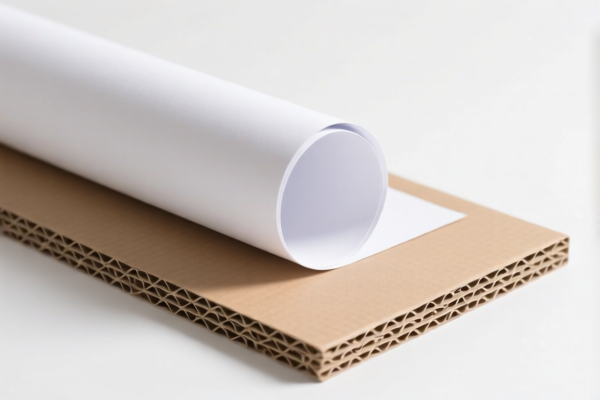
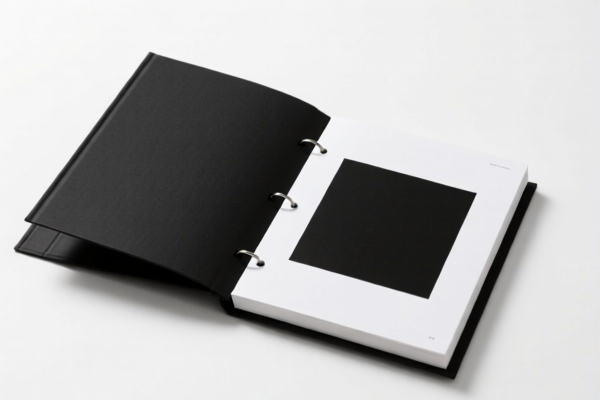
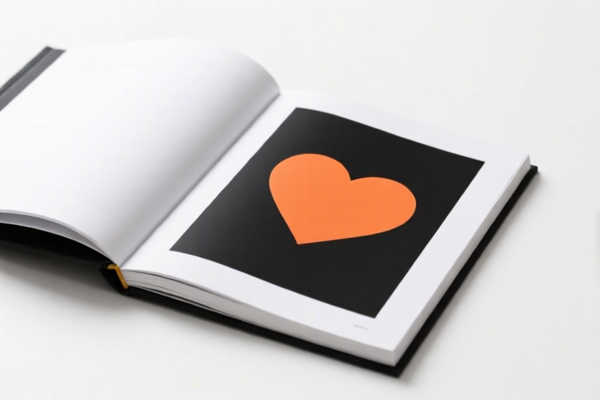
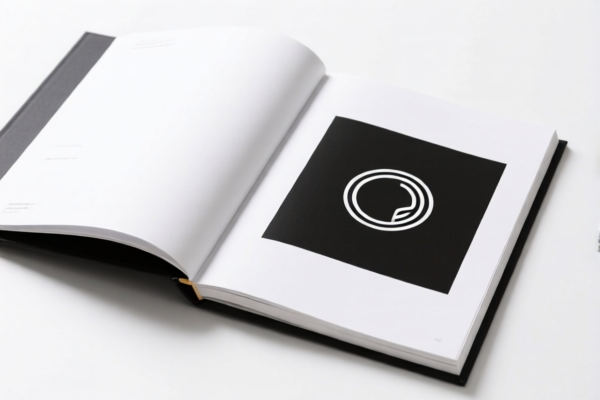
AI Analysis
📸 Cardboard Collection Album: The Ultimate HS Code & Customs Guide (2026)
🌐 HS Code Reference & Customs Clearance Strategy | 2026 Latest Tariff Analysis
📌 One: Product Definition & Classification: What Exactly is a "Cardboard Collection Album"?
A Cardboard Collection Album is a stationary article used for organizing, displaying, and preserving samples, stamps, coins, photographs, or trading cards. In international trade, the classification hinges entirely on the primary material and the construction method.
Unlike plastic albums (which fall under plastics) or wooden frames (which fall under wood), a true "cardboard" album belongs to the Paper/Paperboard chapter.
⚠️ Critical Distinction:
- Paper/Cardboard Body + Covers → 4820.50.00.00 ("Albums for samples or for collections")
- Paper/Cardboard Body + Other Stationery → 4820.90.00.00 ("Other articles of stationery...")
- Plastic Components (e.g., plastic pockets, plastic spine) → MAY shift classification to 3926.90.48.00 (Plastic Album) or 3926.90.99.89 (Other Plastic) if the plastic constitutes the essential character.
📦 Two: HS Code Classification Details (2026 Tariff Authority)
Based on the provided data, here is the precise breakdown for Cardboard Collection Albums:
| HS Code | Product Description | Material Composition | Scenario |
|---|---|---|---|
4820.50.00.00 |
Albums for samples or for collections (Paper/Paperboard) | Primary: Paper/Cardboard. Features: Designed specifically for collecting (stamps, coins, samples). |
✅ Target Code for standard cardboard albums. |
4820.90.00.00 |
Other articles of stationery of paper or paperboard | Primary: Paper/Cardboard. Features: General storage, not specifically "for collections" (e.g., generic binders). |
⚠️ Used if the album doesn't fit the strict "collection" definition. |
3926.90.48.00 |
Photo Albums (Plastic/Other Materials) | Primary: Plastic. Features: If the album is made of plastic (even with cardboard inserts). |
❌ Avoid for pure cardboard; use only if plastic is dominant. |
3926.90.99.89 |
Other Other (Plastic/Other) | Primary: Mixed materials where plastic is key. Features: Generic plastic stationery. |
❌ Avoid for cardboard products. |
🔍 Key Takeaway:
- If the product is explicitly an "Album for samples or for collections" made of paper or paperboard, it MUST be classified under 4820.50.00.00.
- If the product includes significant plastic sleeves or a plastic casing, Customs may reclassify it to 3926.90.48.00 (if it fits the "Photo Album" description) or 3926.90.99.89.
💰 Three: 2026 Tariff Rate Breakdown (Detailed Tax Analysis)
✅ Target Market: United States (US)
✅ Origin: China (CN)
✅ Policy Context: Section 301 (Section 321/De Minimis exemptions may vary, but base rates apply).
🎯 1. 4820.50.00.00 — Albums for Samples or Collections (Paper/Paperboard)
The "Collection" Tax Trap
| Tax Component | Rate | Calculation Base | Legal Basis |
|---|---|---|---|
| Most Favored Nation (MFN) Rate | 0.0% | CIF Value | WTO Standard |
| Section 301 "Added" Tariff (China) | 25.0% | CIF Value | USITC / USTR Section 301 |
| Total Effective Tax Rate | 25.0% | $1.00 × 25.0% = $0.25 | High Risk |
| De Minimis Exemption? | ❌ NO | $800 threshold may be revoked for Section 301 goods. | Section 301 Footnotes apply |
📌 Explanation:
- While the base MFN duty is 0%, the 25% "Added" Tariff is the critical factor.
- This 25% is applied on top of the free rate, resulting in a 25% total tax.
- Why? Albums for collections are considered "stationery" and are frequently targeted in Section 301 lists to protect domestic stationery industries.
🎯 2. 4820.90.00.00 — Other Stationery Articles (Paper/Paperboard)
| Tax Component | Rate | Calculation Base | Legal Basis |
|---|---|---|---|
| Most Favored Nation (MFN) Rate | 0.0% | CIF Value | WTO Standard |
| Section 301 "Added" Tariff (China) | 25.0% | CIF Value | USITC / USTR Section 301 |
| Total Effective Tax Rate | 25.0% | $1.00 × 25.0% = $0.25 | High Risk |
| De Minimis Exemption? | ❌ NO | $800 threshold restrictions apply. | Section 301 Footnotes apply |
📌 Note: Same tax burden as 4820.50.00.00. The distinction lies in the product description, not the tax rate for China-origin goods.
🎯 3. 3926.90.48.00 — Plastic Photo Albums (If misclassified or plastic-heavy)
| Tax Component | Rate | Calculation Base | Legal Basis |
|---|---|---|---|
| Most Favored Nation (MFN) Rate | 0.0% | CIF Value | WTO Standard |
| Section 301 "Added" Tariff (China) | 0.0% | CIF Value | Favorable |
| Total Effective Tax Rate | 0.0% | $1.00 × 0.0% = $0.00 | Low Risk |
| De Minimis Exemption? | ✅ YES (Potentially) | Depends on current $800 rules. | Section 301 exclusions exist |
📌 Strategy Alert:
- If your album is 100% cardboard, you pay 25%.
- If you can legitimately design it as a Plastic Photo Album (e.g., plastic pockets are the main feature), you might pay 0% (or lower taxes) under 3926.90.48.00.
- Warning: Customs officers will scrutinize the "essential character." If it's cardboard with plastic pockets, they will likely still classify it as 4820.50.00.00 (Paper) due to the cardboard structure.
🛠️ Four: Customs Clearance Practical Advice (Real-World Pitfall Guide)
✅ 1. Preparation Checklist (Do NOT Skip)
| Document | Requirement | Reason |
|---|---|---|
| Product Specifications | ✔️ Must state "Paper/Paperboard" vs "Plastic" | Determines HS Code (4820 vs 3926). |
| Material Composition Breakdown | ✔️ % of Paper vs % of Plastic | If Plastic > 50% or Essential Character, shift to 3926. |
| Product Photos | ✔️ Front, Back, Inside (showing pockets) | Proves if it's a "Collection Album" (4820.50) or generic (4820.90). |
| Invoice Description | ✔️ Must match HS Code Description | Use "Albums for samples or for collections" for 4820.50. |
| Packaging List | ✔️ Show weight/dimensions | Helps Customs verify material density (paper vs plastic). |
✅ 2. Declaration Strategy (The "Save 25%" Rule)
🔥 Golden Rule: "Paper = 25% Tax; Plastic = 0% Tax (Potentially). Prove Material!"
| Scenario | Recommended HS Code | Tax Rate | Action |
|---|---|---|---|
| Standard Cardboard Album | 4820.50.00.00 |
25% | Accept tax or redesign packaging. |
| Plastic Pocket Album | 3926.90.48.00 |
0% | Highlight "Plastic" in description. |
| Mixed Material (Cardboard Base) | 4820.50.00.00 |
25% | DO NOT try to hide cardboard; Customs will inspect. |
| Small Gift (De Minimis) | N/A | Exempt (if < $800 & eligible) | Check current $800 exclusion list for Section 301. |
✅ 3. Special Handling for "Collection" Definition
| Situation | Customs View | Mitigation |
|---|---|---|
| Album with "Plastic Sleeves" | If cardboard is the main structure → 4820 | Emphasize "Paperboard" in marketing. |
| Album for Trading Cards | Strongly fits 4820.50.00.00 | No change; expect 25%. |
| Album for Samples (Business) | Fits 4820.50.00.00 | No change; expect 25%. |
🌍 Five: Global Market Comparison (2026)
| Country | HS Code (Paper) | Tax (China) | HS Code (Plastic) | Tax (China) | Strategy |
|---|---|---|---|---|---|
| 🇺🇸 USA | 4820.50.00.00 |
25.0% | 3926.90.48.00 |
0.0% | High Risk in Paper; consider Plastic design. |
| 🇪🇺 EU | 4820.50.00.00 |
~0-5% (varies) | 3926.90.48.00 |
~0-5% | Lower Section 301 impact. |
| 🇨🇦 Canada | 4820.50.00.00 |
~0-10% | 3926.90.48.00 |
~0-10% | Check CUSMA eligibility. |
| 🇬🇧 UK | 4820.50.00.00 |
~0-5% | 3926.90.48.00 |
~0-5% | Post-Brexit tariffs may differ. |
📌 Conclusion:
- USA is the most critical market for this product due to the 25% Section 301 tariff on paper stationery.
- Plastic albums offer a potential tax avoidance route (0%), but only if the product design genuinely qualifies as "Plastic."
📌 Six: Common Mistakes & Avoidance
❌ Mistake 1: Calling it a "Plastic Album" to avoid tax when it's actually cardboard.
👉 Result: Customs inspection → Fines + 25% Tax + Delay.
❌ Mistake 2: Using the wrong HS Code (4820.90.00.00 instead of 4820.50.00.00).
👉 Result: Tax remains 25%, but risk of penalty for incorrect declaration if "Collection" intent is clear.
❌ Mistake 3: Ignoring the "Essential Character" of mixed materials.
👉 Result: If the cardboard makes up 90% of the volume, Customs will reject the plastic classification.
✅ Correct Approach:
For Cardboard Albums:
"Declares: 'Paper Albums for Collection' - HS 4820.50.00.00 - Tax 25%."
For Plastic Albums:
"Declares: 'Plastic Photo Albums' - HS 3926.90.48.00 - Tax 0%."
🎯 Seven: Conclusion & Final Verdict
🎯 Remember the "Tax Trap":
🔹 Cardboard = 25% (Section 301)
🔹 Plastic = 0% (Section 301 Exempt)
🔹 Mixed = Likely 25% (If Cardboard is dominant)🚀 Strategic Recommendation:
- If you are shipping Cardboard Collection Albums to the US, budget for the 25% tax immediately.
- Alternative: Consider redesigning the product to be Plastic-based (e.g., plastic cover, plastic pockets) to qualify for 3926.90.48.00 (0% tax).
- Compliance: Ensure your description matches the physical material. Do not lie to customs.
📌 Pro Tip:
If your order value is under $800 (De Minimis), check if Section 301 exclusions apply for Paper Stationery to avoid the 25% tax entirely. Consult a Customs Broker for the latest 2026 De Minimis status.
📣 Ready to Ship?
📞 Contact your Customs Broker with:
1. Product Material Spec (Paper vs Plastic %)
2. High-res Photos
3. Intended Use ("For Samples" vs "General")
🚀 Optimize your HS Code, Save 25%, and Clear Customs Fast!
✨ Professional Classification = Profit Protection!
💼 Don't let a 25% tax rate eat your margins!
Customer Reviews
About HS Code Classification
The Harmonized System (HS) is an internationally standardized nomenclature developed by the World Customs Organization (WCO) to classify traded products. Over 200 countries use the HS system as the basis for customs tariffs, trade statistics, and import/export regulations.
Each HS code follows a hierarchical structure:
- Chapter (2 digits) — Broad category of goods (e.g., Chapter 84: Machinery and Mechanical Appliances)
- Heading (4 digits) — More specific grouping within the chapter
- Subheading (6 digits) — Internationally standardized breakdown, used by all WCO member countries
- National subdivisions (8-10 digits) — Country-specific extensions for further classification, such as US HTSUS 10-digit codes
Correct HS code classification is essential for smooth customs clearance, accurate duty payment, and compliance with trade regulations. Misclassification can lead to customs delays, overpayment of duties, or penalties.
When importing from CN to US, the applicable tariff rates may include:
- Most-Favored-Nation (MFN) rate — The standard duty rate applied to WTO members
- General rate — Applied to countries without trade agreements
- Trade remedy duties — Additional tariffs such as Section 301 (anti-dumping), Section 232 (national security), or countervailing duties
The information provided on this page is for reference purposes only. For official classification, please consult with your local customs authority or a licensed customs broker.