Cardboard Paper Sheets
CN → US| HS Code | Tariff Rate | Origin | Destination | Doc |
|---|---|---|---|---|
| 4810991060 | 35.0% | CN | US | Official Doc |
| 4810396500 | 35.0% | CN | US | Official Doc |
| 4805911010 | 35.0% | CN | US | Official Doc |
| 4805934010 | 35.0% | CN | US | Official Doc |
| 4819100020 | 35.0% | CN | US | Official Doc |
Product Images
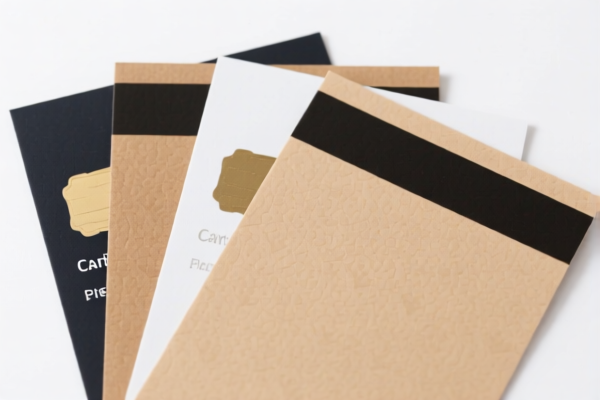
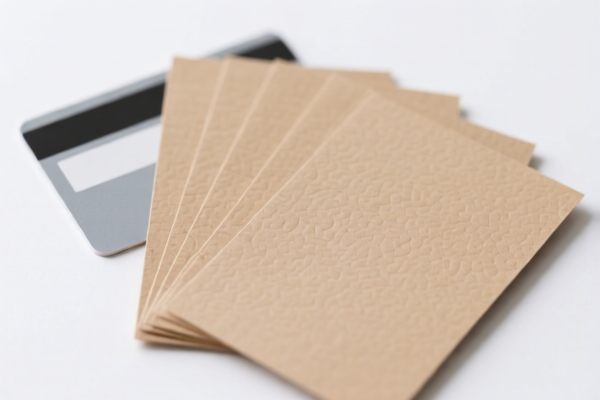
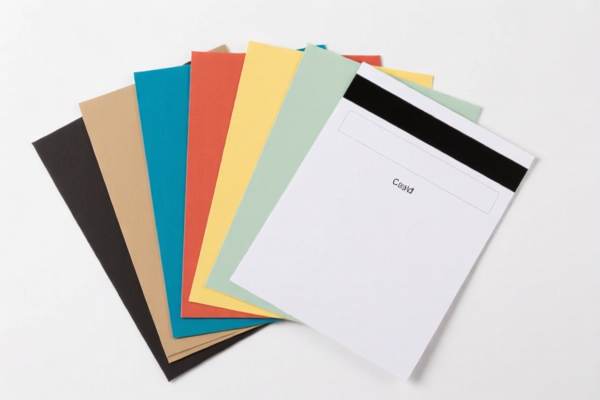
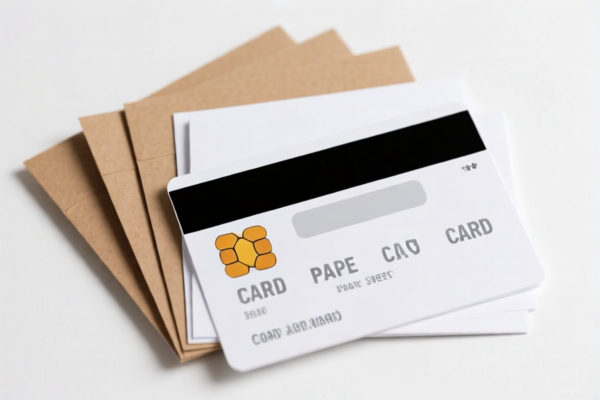
AI Analysis
📦 Cardboard Paper Sheets (Cardboard)
🌐 HS Code Reference & Customs Clearance Guide | 2026 Latest Tariff Analysis | Professional Compliance Strategy
📌 I. Product Definition & Classification: Do You Really Understand "Cardboard"?
"Cardboard Paper Sheets" refer to paper products that are thick, stiff, and formed into sheets or rolls, primarily used for packaging, boxing, or industrial support. In international trade, the classification hinges on two critical factors: Material Composition (Paper vs. Paperboard) and Surface Treatment (Coated/Uncoated).
Key Distinctions: * Uncoated Paperboard (Paperboard without surface coating): Typically falls under headings 4805 or 4806. These are sturdy, often used for heavy-duty boxes. * Coated Paperboard (Paperboard with surface coating): Typically falls under headings 4810. These have a smoother surface, often used for high-quality packaging or printing. * Packaging Articles (Finished Containers): If the "sheets" are pre-cut into specific shapes or boxes, they might fall under 4819. However, raw sheets usually fall under earlier headings.
⚠️ Critical Classification Point:
- If the material is identified as "Paperboard" (stiff, thick) and lacks specific coating details, it defaults to "Other" categories due to the absence of conflict.
- If the shape conforms to "Paper" classification characteristics but is classified as "Other" based on the "catch-all" principle, no material conflict exists.
- The summary "Cardboard Paper" explicitly confirms both Material (Paper/Cardboard) and Form (Board).
📦 II. HS Code Classification Details (2026 Latest Tariff Authority Comparison)
| HS Code | Product Description | Applicable Scenario | Coating/Processing Status |
|---|---|---|---|
4810.99.10.60 |
Other paper, paperboard, cellulose wadding and webs of cellulose fibers, coated, impregnated, covered, surface-colored, surface-decorated or printed: Other: Other | Matches material (cardboard) and form (paper classification features); lacks specific coating description but fits "Other" catch-all | ⚠️ Ambiguous/Unspecified |
4810.39.65.00 |
Other coated paper...: Other: Other | Matches material (cardboard) and form; lacks explicit coating composition/use but fits "Description Missing" principle and "catch-all" rule | ⚠️ Ambiguous/Unspecified |
4805.91.10.10 |
Uncoated paper and paperboard...: Other: Other: Other | Explicitly includes material (paper) and form (board); fits classification explanation requirements for material and form | ✅ Uncoated/Base |
4805.93.40.10 |
Uncoated paper and paperboard...: Other: Other: Other: Other | Name "Cardboard" fully matches "Paper or Paperboard"; form fits uncoated paperboard category | ✅ Uncoated/Base |
4819.10.00.20 |
Folding cartons, boxes, and cases, of corrugated or solid (fibre) board: Other | Material is cardboard, fits corrugated/solid board requirement; use unspecified but no material conflict | ✅ Finished/Pre-cut |
🔍 Key Reminder:
- All codes share the same total tax rate (35%) due to current US trade policies.
- The distinction between 4805 (Uncoated) and 4810 (Coated) is crucial for technical classification, but tariff impact is identical in this context.
- 4819 implies a more finished state (cartons/boxes), while 4805/4810 are raw sheets/materials.
💰 III. 2026 Latest Tariff Rate Breakdown (Including Surcharges & Policy Add-ons)
✅ Applicable Country: United States (US)
✅ Country of Origin: China (CN)
✅ Effective Date: From November 10, 2025 (and subsequent imports)
🎯 1. 4810.99.10.60 – Other Coated Paperboard (Catch-All)
| Item | Content |
|---|---|
| Base Tariff | 0.0% (ad valorem) |
| Section 301 Surcharge | +25.0% (USITC) |
| Section 122 Tariff | +10.0% (Specific Clause) |
| Total Tariff | 35.0% |
| Tax Calculation | CIF Value × 35% |
| De Minimis Eligibility | ❌ No (deny_de_minimis) |
| Legal Basis Path | Section 301 → Section 122 → USITC:4810.99.10.60 |
📌 Explanation:
- "Base 0%": Standard MFN rate is often 0% for many paper products.
- "+25% Section 301": The primary US-China trade war tariff on Chinese goods.
- "+10% Section 122": A specific additional tariff clause applied to this category.
- Total 35%: This is a high tariff rate. Importers must budget accordingly.
🎯 2. 4810.39.65.00 – Other Coated Paperboard
| Item | Content |
|---|---|
| Base Tariff | 0.0% |
| Section 301 Surcharge | +25.0% |
| Section 122 Tariff | +10.0% |
| Total Tariff | 35.0% |
| Tax Calculation | CIF Value × 35% |
| De Minimis Eligibility | ❌ No |
| Legal Basis Path | Section 301 → Section 122 → USITC:4810.39.65.00 |
📌 Note:
- Same tariff structure as above.
- Even if coating details are missing in description, the "catch-all" rule applies, resulting in the same high tariff.
🎯 3. 4805.91.10.10 – Uncoated Paperboard
| Item | Content |
|---|---|
| Base Tariff | 0.0% |
| Section 301 Surcharge | +25.0% |
| Section 122 Tariff | +10.0% |
| Total Tariff | 35.0% |
| Tax Calculation | CIF Value × 35% |
| De Minimis Eligibility | ❌ No |
| Legal Basis Path | Section 301 → Section 122 → USITC:4805.91.10.10 |
📌 Note:
- Applies to uncoated, stiff paperboard.
- Material "Paper" and Form "Board" are explicitly matched.
🎯 4. 4805.93.40.10 – Uncoated Paperboard (Other)
| Item | Content |
|---|---|
| Base Tariff | 0.0% |
| Section 301 Surcharge | +25.0% |
| Section 122 Tariff | +10.0% |
| Total Tariff | 35.0% |
| Tax Calculation | CIF Value × 35% |
| De Minimis Eligibility | ❌ No |
| Legal Basis Path | Section 301 → Section 122 → USITC:4805.93.40.10 |
📌 Note:
- "Cardboard" name fully matches "Paper or Paperboard".
- Fits uncoated paperboard category.
🎯 5. 4819.10.00.20 – Folding Cartons/Boxes of Corrugated/Solid Board
| Item | Content |
|---|---|
| Base Tariff | 0.0% |
| Section 301 Surcharge | +25.0% |
| Section 122 Tariff | +10.0% |
| Total Tariff | 35.0% |
| Tax Calculation | CIF Value × 35% |
| De Minimis Eligibility | ❌ No |
| Legal Basis Path | Section 301 → Section 122 → USITC:4819.10.00.20 |
📌 Note:
- If the "sheets" are actually pre-formed boxes or cartons, this code applies.
- No material conflict, but usage must be for packaging containers.
🛠️ IV. Customs Clearance Practical Advice (Battle-Tested Pitfall Avoidance)
✅ 1. Required Documentation Checklist (Non-Negotiable)
| Document | Required | Notes |
|---|---|---|
| ✅ Product Specification Sheet | ✔️ | Must detail: Material type (Kraft/Newsprint/etc.), Thickness (GSM), Coating status, Dimensions. |
| ✅ Product Photos | ✔️ | Clear images of raw sheets, cut edges, and any branding. |
| ✅ Commercial Invoice | ✔️ | Must explicitly state "Cardboard Paper Sheets" or "Uncoated Paperboard". Avoid vague terms like "Paper". |
| ✅ Packing List | ✔️ | Show weight, dimensions, and quantity. |
| ✅ Origin Certificate (CO) | ✔️ | Mandatory for China-origin goods to prove subject to Section 301/122 tariffs. |
✅ 2. Declaration Tips (Key Mantras)
🔥 “Define Material, Specify Form, Avoid Vague Terms, Prevent Delays!”
| Scenario | Correct Declaration | Incorrect Practice |
|---|---|---|
| Raw cardboard sheets | 4805.91.10.10 or 4805.93.40.10 |
Using "Cardboard Box" → Wrong code |
| Coated packaging board | 4810.99.10.60 or 4810.39.65.00 |
Using "Uncoated Paper" → Risk of misclassification |
| Pre-cut boxes | 4819.10.00.20 |
Using "Paper Sheets" → Wrong form classification |
| Vague: "Paper Products" | ❌ Never | Result: Customs inspection, delay, potential penalty |
📌 Advice:
- If you are unsure whether the board is coated or uncoated, provide detailed product specs.
- Section 122 Tariff is applied to these specific codes. Ensure your HS code selection matches the detailed summary provided in the data.
✅ 3. Special Circumstances Handling
| Situation | Handling Advice |
|---|---|
| Mixed Shipments (Coated & Uncoated) | Declare separately. Mixing codes can lead to audits. |
| Samples (Low Value) | No De Minimis Exemption for China-origin goods under 301/122. Pay full 35% even for small samples. |
| Transshipment via Third Country | Do NOT use this to avoid tariffs. US Customs tracks Origin (China). Penalties apply for false origin declaration. |
| Packaging Material Only | If used only for shipping (pallets, dunnage), verify if it qualifies for different packaging codes, but "Cardboard Paper Sheets" usually implies product material, not just incidental packaging. |
🌍 V. Global Market Comparison (2026 Latest)
| Country/Region | Recommended HS Code | Tariff (China Origin) | Certification/Notes |
|---|---|---|---|
| 🇺🇸 USA | 4805... / 4810... |
35% (Base 0 + 25 + 10) | High barrier. Plan cost into Landed Price. |
| 🇨🇳 China | 4805... / 4810... |
5% - 10% (MFN) | No 301/122 tariffs. |
| 🇪🇺 EU | 4805... / 4810... |
6.5% (Average) | No Section 301/122. EORI required. |
| 🇬🇧 UK | 4805... / 4810... |
6.5% (Average) | Post-Brexit rules apply. |
| 🇨🇦 Canada | 4805... / 4810... |
0% - 5% | CUSMA benefits may apply if Canadian origin. |
📌 Conclusion:
- USA is the most expensive market for Chinese cardboard due to 35% combined tariffs.
- Exporters should calculate landed costs accurately including this 35% burden.
- Consider supply chain diversification if margins are thin.
📌 VI. Common Mistakes & Pitfalls (Lessons Learned)
❌ Mistake 1: Declaring "Cardboard Sheets" as "Paper" without specifying coating.
👉 Consequence: Misclassification risk. If it's coated, it should be 4810. If uncoated, 4805. Wrong code → Delay + Fines.
❌ Mistake 2: Assuming De Minimis ($800) applies.
👉 Consequence: FAILS. China-origin goods under Section 301/122 are not exempt from de minimis. You pay tax on every single entry.
❌ Mistake 3: Using "Box" for raw sheets.
👉 Consequence: Wrong HS Code (4819 vs 4805/4810). 4819 is for finished containers. Raw sheets are materials.
✅ Correct Approach:
“Uncoated Solid Board, Kraft Paper, 300 GSM, Raw Sheets, Cut to Size, Origin: China, HS Code: 4805.93.40.10”
🎯 VII. Conclusion: Precision in Classification Saves Money!
🎯 Remember the Mantra:
🔹 “Base 0%, +25% 301, +10% 122, Total 35%!”
🔹 “No De Minimis for China! Every Shipment Counts!”
🔹 “Specify Coating: Coated=4810, Uncoated=4805!”
📌 Pro Tip:
If your cardboard sheets are not made in China (e.g., Vietnam, Malaysia), you may avoid the 25% Section 301 tariff. Check Country of Origin carefully!
For China-origin goods, apply for Advance Rulings if the classification is ambiguous, to avoid post-clearance audits.
📣 Immediate Action:
📞 Consult a licensed customs broker.
📄 Provide Product Specs and Photos.
🚀 Calculate Landed Cost: FOB Price + Freight + Insurance + 35% Tariff.
✨ Professional clearance starts with accurate classification!
💼 Your cost efficiency depends on precise HS Code selection!
Customer Reviews
About HS Code Classification
The Harmonized System (HS) is an internationally standardized nomenclature developed by the World Customs Organization (WCO) to classify traded products. Over 200 countries use the HS system as the basis for customs tariffs, trade statistics, and import/export regulations.
Each HS code follows a hierarchical structure:
- Chapter (2 digits) — Broad category of goods (e.g., Chapter 84: Machinery and Mechanical Appliances)
- Heading (4 digits) — More specific grouping within the chapter
- Subheading (6 digits) — Internationally standardized breakdown, used by all WCO member countries
- National subdivisions (8-10 digits) — Country-specific extensions for further classification, such as US HTSUS 10-digit codes
Correct HS code classification is essential for smooth customs clearance, accurate duty payment, and compliance with trade regulations. Misclassification can lead to customs delays, overpayment of duties, or penalties.
When importing from CN to US, the applicable tariff rates may include:
- Most-Favored-Nation (MFN) rate — The standard duty rate applied to WTO members
- General rate — Applied to countries without trade agreements
- Trade remedy duties — Additional tariffs such as Section 301 (anti-dumping), Section 232 (national security), or countervailing duties
The information provided on this page is for reference purposes only. For official classification, please consult with your local customs authority or a licensed customs broker.