Cardboard Support (for Winding Machine)
CN → US| HS Code | Tariff Rate | Origin | Destination | Doc |
|---|---|---|---|---|
| 4822900000 | 35.0% | CN | US | Official Doc |
| 4822100000 | 35.0% | CN | US | Official Doc |
| 4823903100 | 35.0% | CN | US | Official Doc |
| 4823904000 | 35.0% | CN | US | Official Doc |
| 4822900000 | 35.0% | CN | US | Official Doc |
Product Images
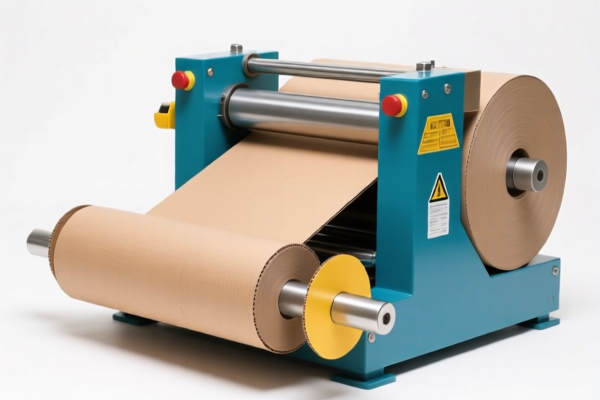
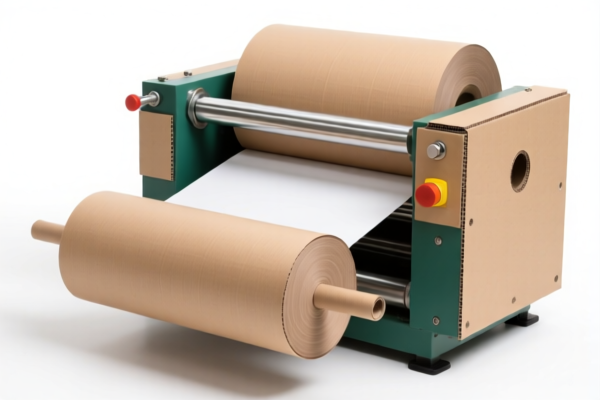
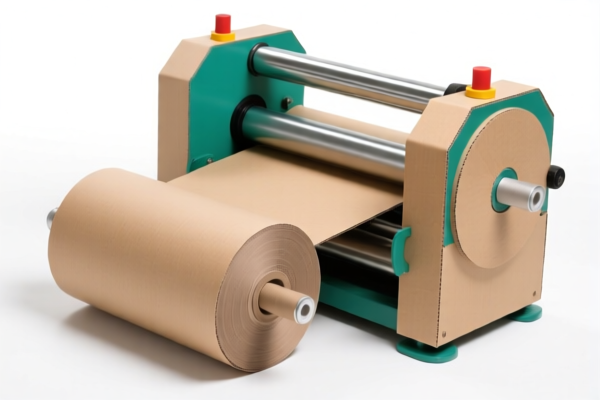
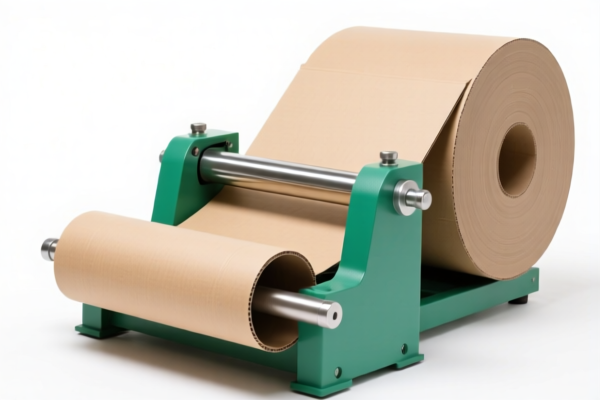
AI Analysis
🧵 Cardboard Supports for Textile Yarn (Bobbins, Spools, & Cops)
🌐 HS Code Reference & Customs Clearance Guide | 2026 Latest Tariff Analysis | Professional Clearance Strategy
📌 I. Product Definition & Classification: Do You Really Know "Cardboard Supports"?
Cardboard Supports are essential consumables in the textile industry, serving as the core structure for winding yarn. In international trade, they are strictly categorized under Chapter 48 (Paper and Paperboard). The critical distinction lies in their specific application:
1. For Winding Textile Yarn:
These are supports specifically designed for textile manufacturing processes (spindles, cops, spools).
→ HS Code: 4822.10.00.00
2. Other Uses (Non-Textile or General):
If the support is not for winding textile yarn (e.g., for tape, wire, paper, or general packaging), or if it is a general-purpose paper reel.
→ HS Code: 4822.90.00.00
⚠️ Key Distinction Point:
- If the product is explicitly marketed, labeled, or used for textile yarn winding → Must be classified under 4822.10.
- If the product is for other purposes (e.g., industrial wires, tapes, or non-textile fibers) → Must be classified under 4822.90.
- Note: Even if made of paperboard, the "end-use" determines the subheading.
📦 II. HS Code Classification Details (2026 Latest Tariff Authority)
| HS Code | Product Description | Application Scenario | Textile Yarn Specific? |
|---|---|---|---|
4822.10.00.00 |
Of a kind used for winding textile yarn | Textile mills, spinning factories, yarn winding machines | ✅ Yes |
4822.90.00.00 |
Other | Wire winding, tape winding, general paper reels, non-textile fibers | ❌ No |
🔍 Important Reminder:
- Do not mix up "Paper Rolls" (4811/4803) with "Supports/Spools" (4822).
- Supports are structural cores, not the paper material itself.
- If the cardboard support is perforated or hardened, it still falls under 4822 if it meets the description.
💰 III. 2026 Latest Tariff Rate Details (US Import from China)
✅ Applicable Country: United States (US)
✅ Origin: China (CN)
✅ Effective Date: Ongoing (Section 301 Tariffs Apply)
🎯 1. 4822.10.00.00 — Cardboard Supports for Winding Textile Yarn
| Item | Detail |
|---|---|
| Base Tariff Rate | 0.0% (Ad Valorem) |
| Section 301 Additional Tariff | +25.0% |
| Total Tax Rate | 25.0% |
| Tax Calculation | CIF Value × 25% |
| De Minimis Exemption | ❌ Not Eligible (Section 301 goods generally do not qualify for de minimis relief under current enforcement) |
| Legal Basis Path | USITC:4822.10.00.00 → Section 301 Footnote |
📌 Explanation:
- Although the base duty is 0%, the 25% additional tariff (under Section 301) applies to most Chinese-made paperboard products.
- This is a high-cost category for US importers sourcing from China.
- The tariff is applied on the CIF value (Cost, Insurance, Freight).
🎯 2. 4822.90.00.00 — Other Cardboard Supports
| Item | Detail |
|---|---|
| Base Tariff Rate | 0.0% (Ad Valorem) |
| Section 301 Additional Tariff | +25.0% |
| Total Tax Rate | 25.0% |
| Tax Calculation | CIF Value × 25% |
| De Minimis Exemption | ❌ Not Eligible |
| Legal Basis Path | USITC:4822.90.00.00 → Section 301 Footnote |
📌 Note:
- The tax rate is identical to4822.10.
- Misclassification as a "non-textile" support does not lower the tariff rate; both subheadings face the same 25% surcharge.
- The primary impact of classification is customs compliance and statistical tracking, not tax savings in this specific case.
🛠️ IV. Customs Clearance Practical Advice (Avoid Pitfalls)
✅ 1. Required Documentation Checklist
| Document | Must Provide | Purpose |
|---|---|---|
| ✅ Product Specification Sheet | ✔️ | Clearly state: "Cardboard Spool/Bobbin for Textile Yarn Winding" |
| ✅ Commercial Invoice | ✔️ | Must specify HS Code 4822.10.00.00 or 4822.90.00.00 explicitly |
| ✅ Packing List | ✔️ | List quantity, net/gross weight, and material (Paper Pulp/Paperboard) |
| ✅ Photos of Product | ✔️ | Show perforations, hardened treatment, and labeling if any |
| ✅ Origin Certificate | ✔️ | To prove origin (China) and avoid third-party country claims |
| ✅ Letter of Explanation (If needed) | ⚠️ Optional | Explain why it’s "for textile yarn" if customs questions it |
✅ 2. Classification Strategy (Key Mantra)
🔥 "Use Determines Code: Textile = .10, Other = .90. Both 25%!"
| Scenario | Correct Classification | Wrong Classification | Consequence |
|---|---|---|---|
| Spools for cotton/polyester yarn | 4822.10.00.00 |
4822.90.00.00 |
Low risk, but should be precise |
| Spools for wire/tape | 4822.90.00.00 |
4822.10.00.00 |
Possible inquiry, but tax same |
| Generic paper rolls (not supports) | 4811 or 4803 |
4822 |
Major Risk: Customs may reclassify & penalize |
| Wooden spools | 4415 |
4822 |
Wrong Material: Paper vs. Wood |
📌 Critical Tip:
- Do not simply label as "Cardboard Roll" without specifying the end-use.
- If the product is used for textile yarn, you must declare4822.10. Misdeclaration can lead to audits or penalties for false origin/use claims.
✅ 3. Special Cases & Handling
| Case | Handling Advice |
|---|---|
| Mixed Orders | If a single shipment contains both textile and non-textile supports, split the declaration into two HS codes to ensure compliance. |
| Perforated Supports | Still classified under 4822. Mention "Perforated" in specs to aid customs verification. |
| Hardened Supports | If treated with resin or plastic for hardness, it may still be 4822 if paper is the essential character. Declare "Hardened Paperboard." |
| Small Quantities (De Minimis) | While Section 301 goods are generally excluded, verify with your customs broker if any specific exceptions apply for low-value shipments. |
🌍 V. Global Market Comparison (2026)
| Country/Region | Recommended HS Code | Tariff (China Origin) | Remarks |
|---|---|---|---|
| 🇺🇸 USA | 4822.10.00.00 |
25% (Total) | High tariff due to Section 301 |
| 🇨🇳 China | 4822.10.00.00 |
5-10% | Import duty varies; VAT applies |
| 🇪🇺 EU | 4822.10.00 |
0-2% | Generally low duty; no Section 301 |
| 🇬🇧 UK | 4822.10.00 |
0-2% | Post-Brexit tariff schedule similar to EU |
| 🇯🇵 Japan | 4822.10.00 |
0% | Free trade benefits under CPTPP/JEFTA |
📌 Conclusion:
- USA is the only major market with a 25% additional tariff on these goods from China.
- Importers in the US must factor this 25% cost into their pricing strategy.
- Consider sourcing from Vietnam, India, or Bangladesh to avoid Section 301 tariffs if possible.
📌 VI. Common Errors & Pitfalls (Lessons Learned)
❌ Error 1: Classifying "Cardboard Supports" as "Paper Rolls" (4811)
👉 Consequence: Customs may reject the classification as it doesn’t match the physical description of a "support/spool."
👉 Result: Delays, additional inspection, potential penalties.
❌ Error 2: Claiming "Not for Textile Yarn" to avoid scrutiny
👉 Consequence: If physical evidence shows textile use (e.g., brand logos of textile machines), customs will penalize for misdeclaration.
👉 Result: Audit flag, potential fines.
❌ Error 3: Ignoring the 25% Tariff Impact
👉 Consequence: Profit margin erosion if not accounted for in the quote.
👉 Result: Loss of competitiveness against non-China suppliers.
✅ Correct Approach:
"Cardboard Bobbins, Perforated, for Textile Yarn Winding, Paperboard Material, Origin: China, HS: 4822.10.00.00"
🎯 VII. Conclusion: Precise Classification Saves Costs!
🎯 Key Takeaways:
🔹 "Textile Yarn = 4822.10, Other = 4822.90"
🔹 "Base Rate 0%, But 25% Section 301 Applies to Both!"
🔹 "Declare End-Use Clearly to Avoid Customs Delays!"
📌 Pro Tip:
If you are importing large volumes, consider:
1. Advance Ruling: Apply for a US Customs Ruling to confirm classification.
2. Supply Chain Diversification: Source supports from countries not subject to Section 301 (e.g., Vietnam, India).
3. Duty Drawback: If the supports are used in manufacturing and the final product is re-exported, you may claim duty drawbacks.
📣 Action Required:
📞 Consult your Customs Broker to confirm the specific use-case for your product.
🚀 Accurate Declaration ensures smooth clearance and predictable costs.
✨ Professional Customs Clearance Starts with Accurate Classification!
💼 Your Cost Efficiency Depends on the First Line of the Invoice!
Customer Reviews
About HS Code Classification
The Harmonized System (HS) is an internationally standardized nomenclature developed by the World Customs Organization (WCO) to classify traded products. Over 200 countries use the HS system as the basis for customs tariffs, trade statistics, and import/export regulations.
Each HS code follows a hierarchical structure:
- Chapter (2 digits) — Broad category of goods (e.g., Chapter 84: Machinery and Mechanical Appliances)
- Heading (4 digits) — More specific grouping within the chapter
- Subheading (6 digits) — Internationally standardized breakdown, used by all WCO member countries
- National subdivisions (8-10 digits) — Country-specific extensions for further classification, such as US HTSUS 10-digit codes
Correct HS code classification is essential for smooth customs clearance, accurate duty payment, and compliance with trade regulations. Misclassification can lead to customs delays, overpayment of duties, or penalties.
When importing from CN to US, the applicable tariff rates may include:
- Most-Favored-Nation (MFN) rate — The standard duty rate applied to WTO members
- General rate — Applied to countries without trade agreements
- Trade remedy duties — Additional tariffs such as Section 301 (anti-dumping), Section 232 (national security), or countervailing duties
The information provided on this page is for reference purposes only. For official classification, please consult with your local customs authority or a licensed customs broker.