Cargo Packaging Bag
CN → US| HS Code | Tariff Rate | Origin | Destination | Doc |
|---|---|---|---|---|
| 3923210030 | 38.0% | CN | US | Official Doc |
| 4202221500 | 51.0% | CN | US | Official Doc |
| 4819200020 | 35.0% | CN | US | Official Doc |
| 3923109000 | 38.0% | CN | US | Official Doc |
| 4819100020 | 35.0% | CN | US | Official Doc |
Product Images
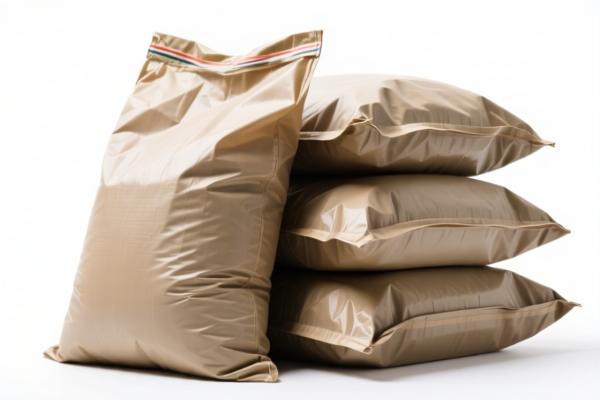
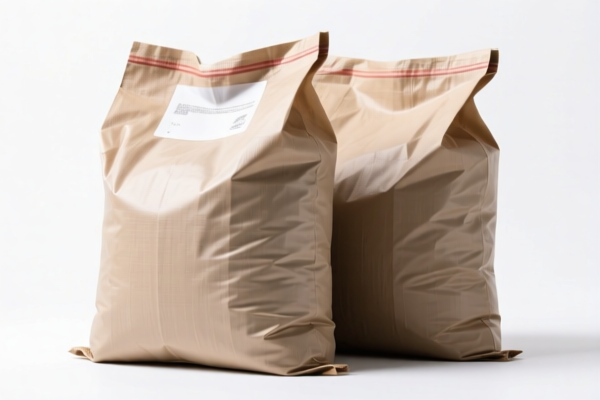
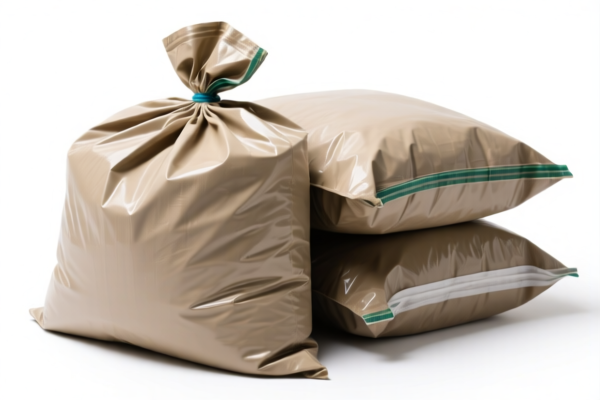
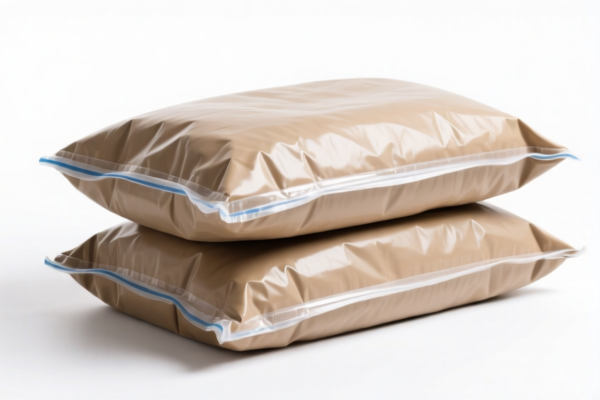
AI Analysis
📦 Cargo Packaging Bag (物流包装袋)
🌐 HS Code Reference & Customs Clearance Guide | 2026 Latest Tariff Analysis | Professional Compliance Strategy
📌 1. Product Definition & Classification: What exactly is a "Cargo Packaging Bag"?
In international trade, "Cargo Packaging Bags" are versatile containers designed for the storage and transport of goods. They are typically categorized by their material composition (Plastic vs. Paper) and physical form (Flexible bags/pouches vs. Box-like structures).
Key Distinction Points: * Plastic Bags/Sacks (Chapter 39): Made from polymers (PE, PP, PVC). Used for bulk goods, chemical powders, or heavy industrial items. * Paper/Cardboard Bags (Chapter 48): Made from paper, paperboard, or corrugated fiberboard. Often used for food-grade packaging or lighter retail logistics. * Textile/Fashion Bags (Chapter 42): While less common for heavy cargo, plastic-coated or reinforced bags sometimes fall here if deemed "articles of apparel or accessories."
⚠️ Critical Classification Note:
- If the bag is plastic and flexible (sacks/pouches) → Chapter 39 (3923.21.00.30 / 3923.10.90.00)
- If the bag is paper/cardboard or box-shaped for food/general use → Chapter 48 (4819.20.00.20 / 4819.10.00.20)
- If classified as a fashion/accessory item with plastic outer surface → Chapter 42 (4202.22.15.00)
📦 2. HS Code Classification Details (2026 Latest Tariff Reference)
| HS Code | Product Description | Application Scenario | Material/Form |
|---|---|---|---|
3923.21.00.30 |
Plastic bags, pouches, sacks (flexible) | Heavy-duty cargo, bulk chemicals, industrial materials | ✅ Plastic/Vinyl Polymer / Flexible Bag |
4202.22.15.00 |
Articles of apparel & accessories, outer surface plastic sheet | Fashion-style packaging, branded cargo bags, high-end retail bags | ✅ Plastic Sheet Outer / Bag |
4819.20.00.20 |
Folded cardboard boxes, sacks & bags (other than of subheading 4819.10) | General cargo, paper-based packaging, food-adjacent logistics | ✅ Paper/Cardboard / Box-like |
3923.10.90.00 |
Boxes, cases, crates, similar containers (plastic) | Plastic containers used for packaging cargo, rigid plastic sacks | ✅ Plastic / Box-shaped Container |
4819.10.00.20 |
Boxes, cases, crates, of corrugated paper or paperboard | Corrugated paper bags, cardboard packaging for food/general goods | ✅ Corrugated Paper / Box-shaped |
🔍 Important Reminder:
- Plastic Bags (3923) and Paper Bags (4819) are the most common for "Cargo Packaging."
-4202.22.15.00is a high-risk/high-tariff classification often triggered if the bag resembles a fashion accessory (e.g., structured, branded) rather than a simple utility sack.
- Do not misclassify a simple plastic sack as a "box" (3923.10) unless it has rigid structural properties.
💰 3. 2026 Latest Tariff Rate Breakdown (Including Surtaxes & Policy Add-ons)
✅ Applicable Country: United States (US)
✅ Country of Origin: China (CN)
✅ Effective Date: November 10, 2025 (and subsequent imports)
🎯 1. 3923.21.00.30 – Plastic Bags, Pouches, Sacks
| Item | Content |
|---|---|
| Base Tariff | 3.0% (ad valorem) |
| Section 301 Surtax | +25% (USITC Footnote) |
| Section 122 / IEEPA Surtax | +10% (Targeting China/HK products) |
| Total Tariff | 38.0% |
| Tax Calculation | CIF Value × 38% |
| De Minimis Eligibility | ❌ Not Eligible (deny_de_minimis) |
| Legal Basis Path | IEEPA:9903.01.24 → USITC:3923.21.00.30 → FOOTNOTE:301 |
📌 Explanation:
- The 25% Section 301 tariff applies to most plastic packaging materials from China.
- The 10% IEEPA tariff is a specific add-on for certain Chinese-origin goods.
- Total: 38%. This is a high-cost item. Proper declaration of material (plastic vs. paper) is critical.
🎯 2. 4202.22.15.00 – Plastic Sheet Outer Bags (Fashion/Accessory Type)
| Item | Content |
|---|---|
| Base Tariff | 16.0% (ad valorem) |
| Section 301 Surtax | +25% |
| Section 122 / IEEPA Surtax | +10% |
| Total Tariff | 51.0% |
| Tax Calculation | CIF Value × 51% |
| De Minimis Eligibility | ❌ Not Eligible (deny_de_minimis) |
| Legal Basis Path | IEEPA:9903.01.24 → USITC:4202.22.15.00 → FOOTNOTE:301 |
📌 Warning:
- This classification has the highest tariff (51%). It applies if the bag is considered an "article of apparel/accessories" with a plastic outer surface.
- Avoid this classification for standard logistics cargo bags unless they are explicitly marketed as fashion/luxury items. Simple plastic sacks should be classified under 3923.
🎯 3. 4819.20.00.20 – Paper/Cardboard Bags (General)
| Item | Content |
|---|---|
| Base Tariff | 0.0% (ad valorem) |
| Section 301 Surtax | +25% |
| Section 122 / IEEPA Surtax | +10% |
| Total Tariff | 35.0% |
| Tax Calculation | CIF Value × 35% |
| De Minimis Eligibility | ❌ Not Eligible (deny_de_minimis) |
| Legal Basis Path | IEEPA:9903.01.24 → USITC:4819.20.00.20 → FOOTNOTE:301 |
📌 Note:
- Despite a 0% base tariff, the surtaxes bring the total to 35%.
- This is suitable for paper-based cargo bags or box-like paper packaging.
🎯 4. 3923.10.90.00 – Plastic Boxes/Cases for Packaging
| Item | Content |
|---|---|
| Base Tariff | 3.0% (ad valorem) |
| Section 301 Surtax | +25% |
| Section 122 / IEEPA Surtax | +10% |
| Total Tariff | 38.0% |
| Tax Calculation | CIF Value × 38% |
| De Minimis Eligibility | ❌ Not Eligible (deny_de_minimis) |
| Legal Basis Path | IEEPA:9903.01.24 → USITC:3923.10.90.00 → FOOTNOTE:301 |
📌 Note:
- Similar to3923.21, but for box-shaped plastic containers.
- Use only if the bag has rigid structure (e.g., plastic tote boxes used for cargo).
🎯 5. 4819.10.00.20 – Corrugated Paper Boxes
| Item | Content |
|---|---|
| Base Tariff | 0.0% (ad valorem) |
| Section 301 Surtax | +25% |
| Section 122 / IEEPA Surtax | +10% |
| Total Tariff | 35.0% |
| Tax Calculation | CIF Value × 35% |
| De Minimis Eligibility | ❌ Not Eligible (deny_de_minimis) |
| Legal Basis Path | IEEPA:9903.01.24 → USITC:4819.10.00.20 → FOOTNOTE:301 |
📌 Note:
- For corrugated paper bags or boxes.
- Same 35% total tariff as other paper classifications.
🛠️ 4. Customs Clearance Practical Advice (Pitfall Avoidance Guide)
✅ 1. Documentation Checklist (Mandatory)
| Document | Required | Description |
|---|---|---|
| ✅ Product Specification Sheet | ✔️ | Detail material (Plastic/Paper), thickness, capacity, weight limit. |
| ✅ Material Composition Certificate | ✔️ | Crucial to distinguish between 3923 (Plastic) and 4819 (Paper). |
| ✅ Product Photos (Label/Markings) | ✔️ | Show usage context (e.g., "Bulk Cargo," "Food Grade"). |
| ✅ Commercial Invoice | ✔️ | Clearly state "Cargo Packaging Bag" and HS Code. |
| ✅ Packing List | ✔️ | Include dimensions and weight of the bag itself. |
✅ 2. Declaration Tips (Key Mnemonics)
🔥 “Material First, Form Second, Name Precise, Tax Minimized!”
| Scenario | Correct Declaration | Wrong Action |
|---|---|---|
| Simple Plastic Sack (e.g., PP woven bag) | 3923.21.00.30 (Plastic Bags) |
Declare as 4202.22.15.00 → 51% Tax! |
| Paper Bag (e.g., Kraft paper) | 4819.20.00.20 or 4819.10.00.20 |
Declare as 3923 → Customs Audit for Material Mismatch |
| Rigid Plastic Container | 3923.10.90.00 (Plastic Box) |
Declare as 3923.21 (Flexible Bag) → Classification Error |
| Branded/Fashion Bag | 4202.22.15.00 (Article of Apparel) |
Accept High Tax (51%) if genuinely fashion item |
✅ 3. Special Cases Handling
| Situation | Handling Advice |
|---|---|
| Multi-material Bag (e.g., Plastic lining + Paper outer) | Declare based on primary material. If plastic lining >50%, lean towards 3923. |
| Reusable Plastic Totes | Must be 3923.10.90.00 (Box/Case), not 3923.21 (Bag). |
| Food-Grade Plastic Bags | Still 3923.21.00.30, but provide FDA compliance documents if requested. |
| Biodegradable Plastic Bags | Still 3923.21.00.30. Do not misclassify as Paper (4819) just because it's biodegradable. |
🌍 5. Global Market Clearance Comparison (2026 Latest)
| Country/Region | Recommended HS Code | Total Tariff (China Origin) | Certification | Notes |
|---|---|---|---|---|
| 🇺🇸 USA | 3923.21.00.30 (Plastic) |
38% | None specific | High surtaxes apply. |
| 🇺🇸 USA | 4819.20.00.20 (Paper) |
35% | None specific | Slightly lower tax. |
| 🇪🇺 EU | 3923.21.00.00 |
0% (Most FTA) | REACH, RoHS | Low base tariff. |
| 🇨🇳 China | 3923.21.00.00 |
0% | None | No export tax on packaging. |
| 🇬🇧 UK | 3923.21.00.00 |
0% | UKCA | Post-Brexit rules apply. |
📌 Conclusion:
- USA is the most challenging market due to Section 301 and IEEPA surtaxes.
- Paper-based bags (4819) offer a 3% tax savings compared to plastic bags (3923) in the US.
- Avoid4202unless the bag is explicitly a fashion accessory.
📌 6. Common Mistakes & Pitfalls (Blood & Tears Lessons)
❌ Mistake 1: Declaring a plastic sack as a 4202 (Fashion Bag)
👉 Result: Tax jumps from 38% to 51% → Overpayment!
❌ Mistake 2: Declaring a paper bag as 3923 (Plastic)
👉 Result: Customs audit for material mismatch → Delays & Penalties!
❌ Mistake 3: Using vague terms like "Packaging Material"
👉 Result: Customs assigns default high tax → 38-51% uncertainty!
❌ Mistake 4: Ignoring the Shape (Bag vs. Box)
👉 Result: Misclassification between 3923.21 (Flexible) and 3923.10 (Rigid) → Compliance Risk!
✅ Correct Approach:
"Plastic Cargo Sack, PP Woven, 50kg Capacity, No Printed Graphics, For Industrial Use, Model CPG-50"
🎯 7. Conclusion: Precise Classification, Cost Efficiency, Smooth Clearance!
🎯 Remember the Mnemonic:
🔹 "Plastic = 3923 (38%), Paper = 4819 (35%), Fashion = 4202 (51%)."
🔹 "Shape Matters: Flexible = .21, Rigid = .10."
🔹 "Material is King: Check composition first!"
📌 Pro Tip:
If your cargo packaging bags are made in Vietnam, Mexico, or Thailand, you may qualify for IEEPA Exemptions or lower tariffs.
Recommendation: Always apply for an Advance Ruling from US Customs (CBP) for high-volume shipments to ensure correct HS Code classification and avoid surprise duties.
📣 Immediate Action:
📞 Contact a licensed customs broker + Provide material specs + Request HS Code Advance Ruling
🚀 Ensure your cargo packaging bags, clear smoothly, reduce costs, and boost profits!
✨ Professional Customs Clearance Starts with Accurate Classification!
💼 Every cent of your tariff cost deserves precise calculation!
Customer Reviews
About HS Code Classification
The Harmonized System (HS) is an internationally standardized nomenclature developed by the World Customs Organization (WCO) to classify traded products. Over 200 countries use the HS system as the basis for customs tariffs, trade statistics, and import/export regulations.
Each HS code follows a hierarchical structure:
- Chapter (2 digits) — Broad category of goods (e.g., Chapter 84: Machinery and Mechanical Appliances)
- Heading (4 digits) — More specific grouping within the chapter
- Subheading (6 digits) — Internationally standardized breakdown, used by all WCO member countries
- National subdivisions (8-10 digits) — Country-specific extensions for further classification, such as US HTSUS 10-digit codes
Correct HS code classification is essential for smooth customs clearance, accurate duty payment, and compliance with trade regulations. Misclassification can lead to customs delays, overpayment of duties, or penalties.
When importing from CN to US, the applicable tariff rates may include:
- Most-Favored-Nation (MFN) rate — The standard duty rate applied to WTO members
- General rate — Applied to countries without trade agreements
- Trade remedy duties — Additional tariffs such as Section 301 (anti-dumping), Section 232 (national security), or countervailing duties
The information provided on this page is for reference purposes only. For official classification, please consult with your local customs authority or a licensed customs broker.