Cargo Rack
CN → US| HS Code | Tariff Rate | Origin | Destination | Doc |
|---|---|---|---|---|
| 7326908630 | 87.9% | CN | US | Official Doc |
| 7326908688 | 87.9% | CN | US | Official Doc |
| 3926305000 | 22.8% | CN | US | Official Doc |
| 3926909989 | 22.8% | CN | US | Official Doc |
| 8708295160 | 0.0% | CN | US | Official Doc |
Product Images
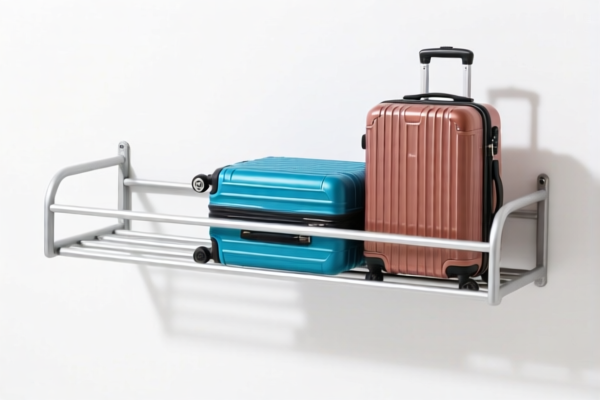
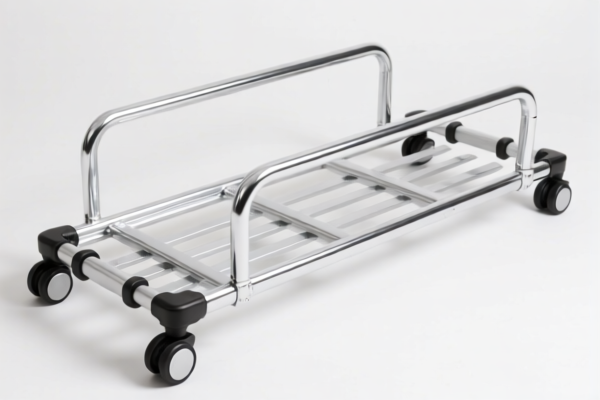
AI Analysis
🚗 Cargo Rack (Roof Rack) – The Ultimate Import Guide
🌐 HS Code Reference & Customs Clearance Guide | 2026 Latest Tariff Analysis | Professional Clearance Strategy
📌 I. Product Definition & Classification: Do You Really Understand "Cargo Rack"?
A Cargo Rack (often referred to as a Roof Rack, Roof Basket, or Carrier) is an accessory mounted on the roof of a vehicle to expand cargo capacity. In international trade, its classification depends heavily on material composition, structural function, and integration with the vehicle.
It is NOT a one-size-fits-all category. Misclassification can lead to massive tariff shocks (from 2.5% to 87.9%!).
⚠️ Key Distinction Points: - If it is a structural support/frame (pipes, tubes, brackets) → Treated as Metal Works (Chapter 73). - If it is a plastic/composite basket → Treated as Plastic Articles (Chapter 39). - If it is an integral vehicle part (specific mounting brackets, finished accessories) → Treated as Auto Parts (Chapter 87).
📦 II. HS Code Classification Details (2026 Latest Tariff Alignment)
Based on the provided data, here are the specific HS Codes for Cargo Racks, categorized by material and function:
| HS Code | Product Description | Applicable Scenario | Material/Structure | Key Classification Logic |
|---|---|---|---|---|
| 7326.90.86.30 | Roof Rack: Matching support or fixing devices, falling under the category of pipes, tubes, and similar supports. | Structural crossbars, mounting brackets, tubular frames. | Steel/Metal Pipes | Classified as "Other articles of iron or steel," specifically generic metal supports. |
| 7326.90.86.88 | Roof Rack: Matching iron or steel material, classified as other non-specific iron or steel articles. | Generic steel racks, welded steel frames not specifically listed elsewhere. | Iron/Steel | Classified as "Other articles of iron or steel" (catch-all for metal racks). |
| 3926.30.50.00 | Roof Rack: Matching plastic or metal components, classified as body connecting parts. | Plastic housings, clips, connectors used in the rack assembly. | Plastic/Metal Combo | Classified as "Articles of plastics and articles of other materials" used for body connection. |
| 3926.90.99.89 | Roof Rack: Matching plastic or metal composite materials, classified as other articles of plastics and other materials. | Plastic baskets, composite material carriers. | Plastic/Composite | Classified as "Other articles of plastics and articles of other materials." |
| 8708.29.51.60 | Roof Rack: Matching vehicle accessory use, classified as other body parts and accessories. | Finished roof racks sold as complete automotive accessories. | Vehicle Accessory | Classified under "Parts and accessories of the motor vehicles of chapters 8701 to 8705." |
| 8708.29.51.10 | Roof Rack: Matching metal stamping parts form, classified as other body parts. | Stamped metal brackets, specific stamped auto parts for racks. | Stamped Metal | Classified as "Other parts and accessories" specifically for stamped metal components. |
🔍 Critical Reminder:
- Pure Metal Supports (73xx) carry HIGHEST tariffs due to Section 232/122 steel/aluminum duties.
- Auto Accessories (8708) generally have LOWEST base rates but may still face 301/122 surcharges depending on exact material.
- Plastic/Composite (39xx) have MODERATE base rates but are still subject to additional tariffs.
💰 III. 2026 Latest Tariff Rate Breakdown (Including Surcharges & Policy Add-ons)
✅ Applicable Country: United States (US)
✅ Origin: China (CN)
✅ Effective Time: Current rates apply (Subject to 301, 122, and Section 232 actions)
🎯 1. Steel/Metal Structural Racks (HS 7326...)
Includes: 7326.90.86.30, 7326.90.86.88
| Item | Detail |
|---|---|
| Base Duty Rate | 2.9% |
| Section 301 Additional Duty | +25.0% |
| Section 122 Duty (Steel/Aluminum/Copper) | +50.0% |
| Total Effective Tax Rate | 87.9% |
| Tax Calculation | CIF Value × 87.9% |
| De Minimis Exemption? | ❌ No (High value, structural goods) |
| Legal Pathway | Section 301: 9903.01.25 → Section 122: Steel/Aluminum → USITC: 7326 |
📌 Explanation:
- These items are classified as iron/steel articles.
- They trigger both the Section 301 tariffs (25%) and the Section 122 steel tariffs (50%).
- Total Tax: 87.9%. This is extremely high.
- Strategy: Avoid importing pure steel structural racks from China if possible. Consider rubber/plastic components or non-steel alternatives.
🎯 2. Plastic/Composite Racks (HS 3926...)
Includes: 3926.30.50.00, 3926.90.99.89
| Item | Detail |
|---|---|
| Base Duty Rate | 5.3% |
| Section 301 Additional Duty | +7.5% |
| Section 122 Duty | ❌ Not Applicable (Plastics are not steel/aluminum) |
| Total Effective Tax Rate | 22.8% |
| Tax Calculation | CIF Value × 22.8% |
| De Minimis Exemption? | ❌ No |
| Legal Pathway | Section 301: 9903.01.24 → USITC: 3926 |
📌 Explanation:
- These are plastic or composite articles.
- They are exempt from the 50% Steel/Aluminum Section 122 duty.
- They only face the standard Section 301 duty (7.5% for some plastics, or combined rate resulting in 22.8% total).
- Strategy: Much more cost-effective than steel racks. Consider plastic baskets or composite carriers to save ~65% in taxes.
🎯 3. Vehicle Accessories & Auto Parts (HS 8708...)
Includes: 8708.29.51.60, 8708.29.51.10
| HS Code | Base Duty | Surcharge 1 | Surcharge 2 | Total Rate | Notes |
|---|---|---|---|---|---|
| 8708.29.51.60 | 2.5% | +25.0% (301) | +50.0% (122 Steel) | 85.0% | If classified as Steel Accessory |
| 8708.29.51.10 | 2.5% | +25.0% (301) | 0% (Non-Steel/Stamping?) | 35.0% | Lower if not deemed "Steel/Aluminum" under 122 |
📌 Explanation:
- 8708.29.51.60: Even though it's an "auto part," if it's made of steel, it still attracts the 50% Section 122 steel tariff. Total: 85.0%.
- 8708.29.51.10: Classified as "metal stamping parts." If deemed not to fall under the specific "steel/aluminum" definition of Section 122, it avoids the 50% hit. Total: 35.0%.
- Strategy: Clear distinction between "Steel Support" (73xx) and "Auto Part" (8708). If you can classify as 8708.29.51.10 (stamping part) rather than 8708.29.51.60 (general steel accessory), you save 50%.
🛠️ IV. Customs Clearance Practical Advice (Battle-Tested Tips)
✅ 1. Document Checklist (Essential)
| Document | Required? | Purpose |
|---|---|---|
| Product Specifications | ✔️ | Must detail material (Steel vs. Plastic vs. Composite). |
| Material Declaration | ✔️ | Explicitly state % of steel, plastic, aluminum. Crucial for Section 122. |
| Usage Description | ✔️ | "Roof Rack for SUV" vs. "Metal Pipe Support for Industrial Use." |
| Photos (Clear) | ✔️ | Show mounting points, material texture, brand labels. |
| Commercial Invoice | ✔️ | Must match HS Code description exactly. |
| Packing List | ✔️ | Separate steel parts from plastic parts if possible. |
✅ 2. Classification Strategy (Key Mantras)
🔥 “Steel Pipes? 87%! Plastic Baskets? 22%! Auto Parts? Check Material!”
| Scenario | Recommended HS Code | Estimated Tax | Risk Level |
|---|---|---|---|
| Steel Crossbars/Brackets | 7326.90.86.30 or 8708.29.51.60 |
85% - 87.9% | 🚨 Critical |
| Plastic Roof Basket | 3926.90.99.89 |
22.8% | ✅ Low |
| Composite Racks (Plastic+Metal) | 3926.30.50.00 |
22.8% | ✅ Low |
| Stamped Metal Brackets | 8708.29.51.10 |
35.0% | ⚠️ Medium (Depends on ruling) |
💡 Pro Tip:
- If your product has both steel and plastic, try to classify the plastic parts separately under Chapter 39 (22.8%) if they are sold as separate items.
- If sold as a single unit, customs may look at the essential character. If steel frame is dominant, they may force 87.9% tax.
- Negotiate with your supplier: Ask if they can ship plastic components separately to reduce declared steel value.
✅ 3. Special Cases & Pitfalls
| Scenario | Action |
|---|---|
| Aluminum Racks | ❗ Section 122 also applies to Aluminum! Tax will be 87.9% (2.5% base + 25% 301 + 50% 122). |
| Pre-Assembled vs. Knock-Down | Do not separate pre-assembled racks. Customs will consolidate and apply the highest tax rate. |
| OEM Parts for Car Manufacturers | If shipped directly to an auto assembler under a specific contract, may qualify for different treatment. Get a Binding Ruling. |
| Used/Refurbished Racks | ❌ Prohibited or heavily restricted. Must be new. |
🌍 V. Global Market Comparison (2026)
| Country/Region | Recommended HS Code | Base Tax | Additional Tax | Total Est. | Notes |
|---|---|---|---|---|---|
| 🇺🇸 USA | 3926.90.99.89 (Plastic) |
5.3% | 7.5% (301) | 22.8% | Best Option for China Origin |
| 🇺🇸 USA | 7326.90.86.30 (Steel) |
2.9% | 75% (301+122) | 87.9% | Avoid if possible |
| 🇪🇺 EU | 7326.90 (Steel) |
4.7% | 0% | 4.7% | No Section 122/301 equivalent |
| 🇨🇦 Canada | 7326.90 (Steel) |
5.0% | 0% | 5.0% | CUSMA free if Canadian/Mexican origin |
| 🇦🇺 Australia | 7326.90 (Steel) |
5.0% | 5% (GST) | 10% | No high surcharges |
📌 Conclusion:
- USA is the most expensive market for steel/aluminum cargo racks due to Section 122 & 301.
- Plastic/Composite racks are the smartest import choice for the US market (22.8% vs 87.9%).
- EU/Canada/Australia are much more favorable for steel racks. Consider redirecting steel rack exports to these markets.
📌 VI. Common Errors & Pitfalls (Blood & Tears Lessons)
❌ Mistake 1: Declaring a Steel Crossbar as "Plastic Accessory"
👉 Result: Customs audit, fines, penalty taxes up to 100%, goods seized.
❌ Mistake 2: Combining Steel Brackets and Plastic Baskets into one HS Code (7326)
👉 Result: The entire shipment is taxed at 87.9% instead of splitting (22.8% for plastic, 87.9% for steel).
❌ Mistake 3: Ignoring Section 122 for Aluminum Racks
👉 Result: Assuming 2.5% + 25% = 27.5%. Actual tax is 87.9%. Massive budget blowout.
❌ Mistake 4: Using generic terms like "Rack"
👉 Result: Customs officer makes an adverse classification. Always specify: "Plastic Roof Cargo Basket, Model XYZ" or "Steel Roof Rack Crossbars."
✅ Correct Approach:
"Plastic Roof Cargo Basket, 600L, Composite Material, Model ABC" → HS 3926.90.99.89
"Steel Roof Rack Crossbar, Black Powder Coated, Model XYZ" → HS 7326.90.86.30 (Prepare for 87.9% tax)
🎯 VII. Conclusion: Precision Classification Saves Money!
🎯 Remember the Mantra:
🔹 “Steel & Aluminum? 87%! Plastic? 22%! Split if you can!”
🔹 “HS Code dictates destiny, 65% tax difference, one mistake, profit gone!”
📌 Pro Tip:
If you are importing Steel/Aluminum racks, consider:
1. Transshipment: Ship to a third country (e.g., Vietnam) for minimal processing? (⚠️ High compliance risk).
2. Product Mix: Increase the volume of Plastic/Composite racks to offset high steel taxes.
3. Pre-Ruling: Apply for a Binding Tariff Information (BTI) or US CBP Ruling to confirm classification before shipping.
📣 Immediate Action:
📞 Contact your customs broker with material breakdowns (Steel vs. Plastic %).
📦 Review your invoice to ensure HS Code matches material exactly.
🚀 Optimize for 22.8%, not 87.9%!
✨ Professional Customs Clearance Starts with Accurate Classification!
💼 Every percent saved is pure profit!
Customer Reviews
About HS Code Classification
The Harmonized System (HS) is an internationally standardized nomenclature developed by the World Customs Organization (WCO) to classify traded products. Over 200 countries use the HS system as the basis for customs tariffs, trade statistics, and import/export regulations.
Each HS code follows a hierarchical structure:
- Chapter (2 digits) — Broad category of goods (e.g., Chapter 84: Machinery and Mechanical Appliances)
- Heading (4 digits) — More specific grouping within the chapter
- Subheading (6 digits) — Internationally standardized breakdown, used by all WCO member countries
- National subdivisions (8-10 digits) — Country-specific extensions for further classification, such as US HTSUS 10-digit codes
Correct HS code classification is essential for smooth customs clearance, accurate duty payment, and compliance with trade regulations. Misclassification can lead to customs delays, overpayment of duties, or penalties.
When importing from CN to US, the applicable tariff rates may include:
- Most-Favored-Nation (MFN) rate — The standard duty rate applied to WTO members
- General rate — Applied to countries without trade agreements
- Trade remedy duties — Additional tariffs such as Section 301 (anti-dumping), Section 232 (national security), or countervailing duties
The information provided on this page is for reference purposes only. For official classification, please consult with your local customs authority or a licensed customs broker.