Carpet Cleaner
CN → US| HS Code | Tariff Rate | Origin | Destination | Doc |
|---|---|---|---|---|
| 3402905030 | 38.7% | CN | US | Official Doc |
| 3402505100 | 10.0% | CN | US | Official Doc |
| 8451909020 | 38.5% | CN | US | Official Doc |
| 8451800000 | 38.5% | CN | US | Official Doc |
| 8508190000 | 35.0% | CN | US | Official Doc |
| 8508600000 | 35.0% | CN | US | Official Doc |
Product Images
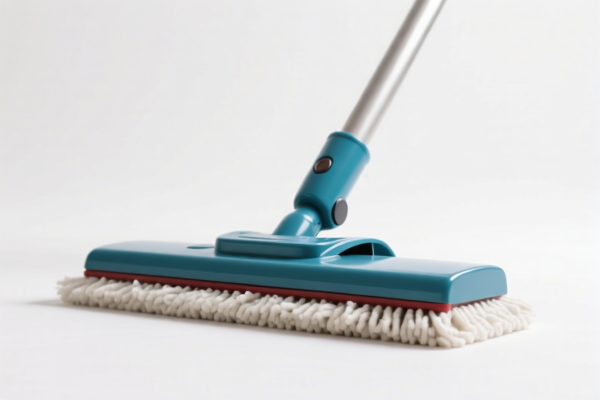
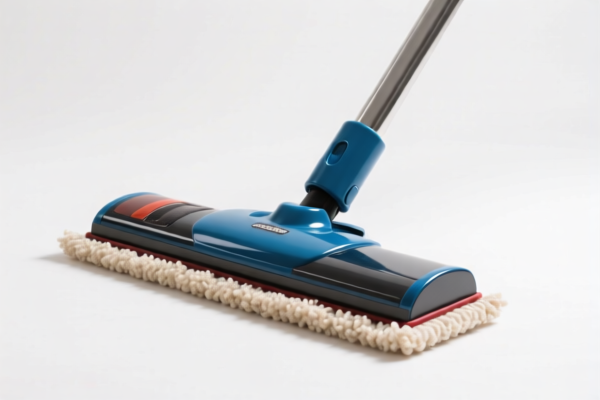
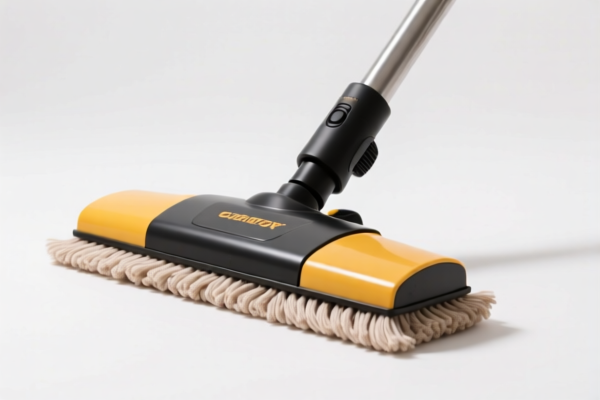
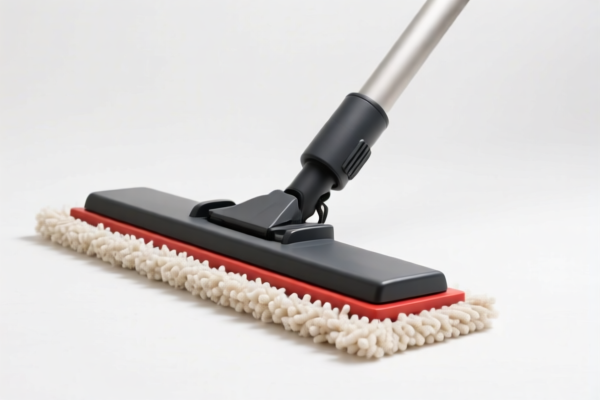
AI Analysis
🧼 Carpet Cleaner (Surface-Active Agents & Cleaning Preparations)
🌐 HS Code Reference & Customs Clearance Guide | 2026 Latest Tariff Analysis | Professional Clearance Strategy
📌 I. Product Definition and Classification: Do You Really Understand "Carpet Cleaner"?
"Carpet Cleaner" in international trade is a broad term that usually falls under Chapter 34 (Soap and organic surface-active agents; washing preparations) or Chapter 84/85 (Machinery). However, based strictly on the provided , the classification depends entirely on whether the product is a liquid/powder chemical preparation or a physical cleaning device/machine.
Chemical Cleaning Agents: Liquids, powders, or pastes containing organic surface-active agents used to clean carpets. Cleaning Machinery: Vacuum cleaners or industrial machines designed to physically clean carpets.
⚠️ Critical Distinction Point: - If it is a liquid/powder/detergent → Classified under HS Code 3402. - If it is a machine/vacuum → Classified under HS Code 8508 or 8451. - ⚠️ WARNING: Do not mix chemicals and machinery in the same declaration line. They are completely different HS codes with vastly different tax implications.
📦 II. HS Code Classification Details (Based on Provided Data)
| HS Code | Product Description | Application Scenario | Tax Implication |
|---|---|---|---|
3402.90.50.30 |
Organic surface-active agents; cleaning preparations, other than those of heading 3401. Other: Other: Other Cleaning preparations. | General-purpose liquid/powder carpet shampoo, spot removers, dry cleaning powders. | ✅ Low Tax (0%) |
3402.50.51.00 |
Organic surface-active agents; cleaning preparations. Preparations put up for retail sale: Other. | Retail packs (bottles/jars) for consumer use. | ⚠️ High Tax (25%) |
8508.19.00.00 |
Vacuum cleaners; parts thereof: With self-contained electric motor: Other. | Portable electric vacuum cleaners, stick vacuums, upright vacuums. | ⚠️ High Tax (25%) |
8508.60.00.00 |
Vacuum cleaners; parts thereof: Other vacuum cleaners. | Industrial vacuums, central vacuum systems, non-electric/manual cleaners. | ✅ Low Tax (0%) |
8451.90.90.20 |
Machinery for washing, cleaning, etc., of textile fabrics... Parts: Of machines for bleaching, dyeing, washing or cleaning. | Replacement parts for industrial textile cleaning machines (e.g., brushes, nozzles for factory lines). | ✅ Low Tax (0%) |
8451.80.00.00 |
Machinery for washing, cleaning... textile yarns/fabrics... Other machinery. | Large-scale industrial carpet washing lines, dry cleaning plants (not simple vacuums). | ✅ Low Tax (0%) |
🔍 Key Insight: - Consumer Chemicals: The key distinction is "Retail Sale". If it's sold in small retail bottles, it likely hits 25% tariff. If it's an industrial bulk cleaning agent, it may qualify for 0%. - Consumer Machines: Electric home vacuums face 25% tariff. Non-electric or specific industrial vacuums face 0%.
💰 III. Detailed Tariff Rate Analysis (2026 Latest)
✅ Applicable Context: Based on the provided , which shows Basic Tariff: 0.0% and Additional Tariff: 0.0% or 25.0%. ✅ Note: The data suggests a specific trade environment (likely US-China context given the 25% additional tariff pattern common in recent trade disputes).
🎯 1. 3402.90.50.30 – Industrial/Bulk Carpet Cleaning Agents
| Item | Content |
|---|---|
| Basic Tariff | 0.0% (Ad Valorem) |
| Additional Tariff | 0.0% |
| Total Effective Rate | 0.0% |
| Tax Calculation | CIF Value × 0% = $0 |
| Legal Basis | 3402 (Surface-active agents) → 3402.90 (Other) → 3402.90.50 (Other) → 3402.90.50.30 (Other cleaning preps) |
📌 Explanation: - This code typically applies to industrial-grade or non-retail packed cleaning preparations. - Advantage: Zero tariff impact. Ideal for B2B sales, hotels, or industrial cleaning service providers.
🎯 2. 3402.50.51.00 – Retail-Packaged Carpet Cleaners
| Item | Content |
|---|---|
| Basic Tariff | 0.0% (Ad Valorem) |
| Additional Tariff | +25.0% |
| Total Effective Rate | 25.0% |
| Tax Calculation | CIF Value × 25% |
| Legal Basis | 3402 → 3402.50 (Preparations put up for retail sale) → 3402.50.51 (Other) |
📌 Explanation: - This applies if the carpet cleaner is packaged for direct consumer sale (e.g., 500ml bottles in a box). - Risk: The 25% additional tariff significantly erodes profit margins for consumer brands. - Strategy: Consider selling in bulk to distributors who repack, or justify "industrial use" to aim for
3402.90.50.30.
🎯 3. 8508.19.00.00 – Electric Carpet Vacuums
| Item | Content |
|---|---|
| Basic Tariff | 0.0% (Ad Valorem) |
| Additional Tariff | +25.0% |
| Total Effective Rate | 25.0% |
| Tax Calculation | CIF Value × 25% |
| Legal Basis | 8508 (Vacuum cleaners) → 8508.19 (Other with self-contained electric motor) |
📌 Explanation: - Almost all home and portable electric vacuum cleaners fall here. - High Cost: Like retail chemicals, electric home appliances face the 25% additional tariff. - Strategy: Ensure proper certification (UL, ETL, FCC) to avoid customs delays, as non-compliance can lead to seizure.
🎯 4. 8508.60.00.00 – Other Vacuum Cleaners (Non-Electric/Industrial)
| Item | Content |
|---|---|
| Basic Tariff | 0.0% (Ad Valorem) |
| Additional Tariff | 0.0% |
| Total Effective Rate | 0.0% |
| Tax Calculation | CIF Value × 0% = $0 |
| Legal Basis | 8508 → 8508.60 (Other vacuum cleaners) |
📌 Explanation: - Applies to vacuums without self-contained electric motors (e.g., industrial central systems, pneumatic vacuums). - Advantage: Zero tariff. Suitable for industrial facilities.
🎯 5. 8451.90.90.20 & 8451.80.00.00 – Industrial Textile Cleaning Machinery Parts/Machines
| Item | Content |
|---|---|
| Basic Tariff | 0.0% (Ad Valorem) |
| Additional Tariff | 0.0% |
| Total Effective Rate | 0.0% |
| Tax Calculation | CIF Value × 0% = $0 |
| Legal Basis | 8451 (Machinery for washing/cleaning textile fabrics) |
📌 Explanation: - These codes are for large-scale industrial equipment or specific parts for such machines (e.g., parts for factory carpet washing lines). - Not for Consumer Use: Do not use these for small handheld carpet cleaners or home vacuums. - Advantage: Zero tariff for industrial clients.
🛠️ IV. Customs Clearance Practical Advice (Avoiding Pitfalls)
✅ 1. Documentation Checklist (Must-Have)
| Document | Required? | Description |
|---|---|---|
| ✅ Commercial Invoice | ✔️ | Must clearly state "Carpet Cleaning Solution" or "Electric Carpet Vacuum Cleaner". Avoid vague terms like "Cleaning Product". |
| ✅ Product Formula / MSDS | ✔️ | For Chemicals (3402): Required to prove it's a surface-active agent and not a hazardous chemical. |
| ✅ Technical Specifications | ✔️ | For Vacuums: Voltage, Wattage, Motor Type, Dimensions. |
| ✅ Retail Packaging Photos | ✔️ | Crucial for 3402.50.51.00 to confirm "Retail Sale" status. |
| ✅ Certificate of Origin | ✔️ | To claim any potential free trade agreement benefits (if applicable). |
✅ 2. Declaration Tips (Key Mnemonics)
🔥 “Chemicals Retail = 25%, Bulk = 0%; Electric Vac = 25%, Industrial = 0%”
| Scenario | Correct HS Code | Incorrect Action | Consequence |
|---|---|---|---|
| Bulk Shampoo for Hotels | 3402.90.50.30 (0%) |
Declare as "Retail Cleaner" | Penalty + Back Taxes (25%) |
| Home Vacuums (Bissell/Shark style) | 8508.19.00.00 (25%) |
Declare as "Industrial Machine" | Customs Audit/Seizure |
| Industrial Vacuum Parts | 8451.90.90.20 (0%) |
Declare as "Generic Parts" | Delay in Customs |
| Consumer Spray Bottles | 3402.50.51.00 (25%) |
Declare as "Industrial Chemical" | Fraud Allegation Risk |
✅ 3. Special Cases Handling
| Case | Handling Advice |
|---|---|
| OEM Branding | If you are a brand owner, ensure the invoice reflects the true origin and type. "Retail Sale" is determined by packaging, not just who buys it. |
| Mixed Shipments | Do not mix 3402 (chemicals) and 8508 (vacuums) on the same line item. Declare separately to avoid confusion and incorrect tax application. |
| Industrial vs. Consumer | If selling a vacuum to a cleaning company, but it looks like a home model, it still likely falls under 8508.19.00.00 (25%). Only true industrial machines (e.g., truck-mounted units) might qualify for 8508.60.00.00 (0%). |
🌍 V. Global Market Clearance Comparison (2026 Latest)
| Country/Region | Recommended HS Code | Tariff Rate | Certification Requirements | Notes |
|---|---|---|---|---|
| 🇺🇸 USA | 3402.90.50.30 (Chemicals)8508.19.00.00 (Vacuums) |
0% (Bulk) 25% (Retail/Electric) |
EPA (for chemicals), FCC/UL (for electronics) | High risk for retail/electric items. |
| 🇨🇳 China | 3402.90.50.30 |
~0-5% | CCC (for vacuums), Industrial Standard | Lower base tariffs. |
| 🇪🇺 EU | 3402.90.50.30 |
0-6% | CE Mark, REACH Compliance | Strict chemical regulations (REACH). |
| 🇬🇧 UK | 3402.90.50.30 |
0-6% | UKCA Mark, UK REACH | Post-Brexit regulations apply. |
📌 Conclusion: - USA is the most critical market for tariff planning. The 25% additional tariff on retail chemicals and electric vacuums is significant. - EU/UK focuses more on chemical safety (REACH) and electrical safety (CE/UKCA) than high tariffs. - Optimization Strategy: For the US market, consider bulk packaging for chemicals to access the 0% rate, or explore supply chain diversification if tariffs become prohibitive.
📌 VI. Common Mistakes & Pitfalls (Lessons Learned)
❌ Mistake 1: Declaring "Retail Carpet Shampoo" as "Industrial Cleaning Agent" to avoid 25% tax. 👉 Consequence: Customs inspection reveals retail packaging. Fines + Back Taxes + Potential Audit.
❌ Mistake 2: Declaring an electric vacuum as "Part of a Vacuum Cleaner" to get 0% tax. 👉 Consequence: Customs requires full machine classification. Delay in Customs + Storage Fees.
❌ Mistake 3: Ignoring MSDS for chemicals. 👉 Consequence: Customs holds shipment for chemical safety review. Shipment Delayed for Weeks.
❌ Mistake 4: Mixing "Carpet Cleaner" (Chemical) and "Vacuum" (Machine) in one description. 👉 Consequence: Customs cannot determine the correct HS code. Manual Assessment Required.
✅ Correct Approach:
“Carpet Cleaning Solution, 5 Gallon Bucket, Industrial Grade, For Professional Use Only” OR “Electric Upright Vacuum Cleaner, 120V, 10 Amps, Model XYZ, UL Listed”
🎯 VII. Conclusion: Precise Classification Saves Money!
🎯 Remember the Mnemonic:
🔹 “Retail/Electric = 25%, Bulk/Industrial = 0%. Chemicals Need MSDS, Machines Need Certs.” 🔹 “HS Code Determines Tax, Description Determines Compliance. One Mistake, Costly Delay!”
📌 Pro Tip:
- For Chemicals: Ensure your MSDS clearly states the product is non-hazardous and suitable for textile cleaning.
- For Vacuums: If you are an OEM, clarify with your buyer whether they will sell retail or industrial. If retail, expect 25% tax. If you want to avoid this, consider bulk industrial vacuums (
8508.60.00.00).
📣 Immediate Action:
📞 Contact a Customs Broker to pre-classify your product. 📄 Prepare MSDS and Technical Specs before shipping. 🚀 Optimize Packaging to qualify for lower tax rates if possible.
✨ Professional Clearance Starts with Accurate Classification! 💼 Every Percent Saved is Pure Profit!
Customer Reviews
About HS Code Classification
The Harmonized System (HS) is an internationally standardized nomenclature developed by the World Customs Organization (WCO) to classify traded products. Over 200 countries use the HS system as the basis for customs tariffs, trade statistics, and import/export regulations.
Each HS code follows a hierarchical structure:
- Chapter (2 digits) — Broad category of goods (e.g., Chapter 84: Machinery and Mechanical Appliances)
- Heading (4 digits) — More specific grouping within the chapter
- Subheading (6 digits) — Internationally standardized breakdown, used by all WCO member countries
- National subdivisions (8-10 digits) — Country-specific extensions for further classification, such as US HTSUS 10-digit codes
Correct HS code classification is essential for smooth customs clearance, accurate duty payment, and compliance with trade regulations. Misclassification can lead to customs delays, overpayment of duties, or penalties.
When importing from CN to US, the applicable tariff rates may include:
- Most-Favored-Nation (MFN) rate — The standard duty rate applied to WTO members
- General rate — Applied to countries without trade agreements
- Trade remedy duties — Additional tariffs such as Section 301 (anti-dumping), Section 232 (national security), or countervailing duties
The information provided on this page is for reference purposes only. For official classification, please consult with your local customs authority or a licensed customs broker.