Carpet Fixer
CN → US| HS Code | Tariff Rate | Origin | Destination | Doc |
|---|---|---|---|---|
| 3926908500 | 24.0% | CN | US | Official Doc |
| 3926909989 | 22.8% | CN | US | Official Doc |
| 5603941090 | 35.0% | CN | US | Official Doc |
| 5603941010 | 35.0% | CN | US | Official Doc |
Product Images
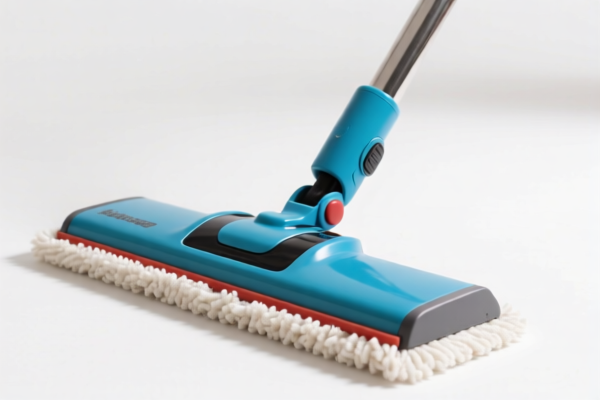
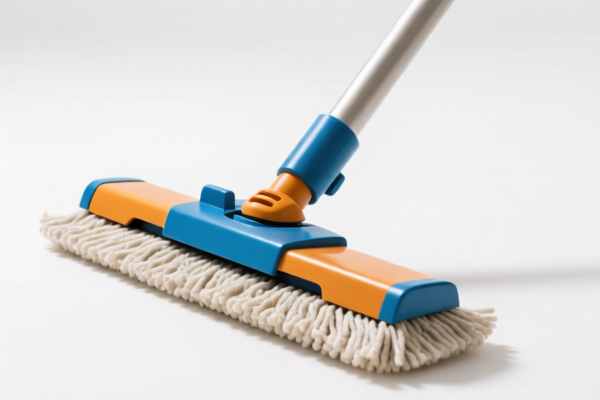
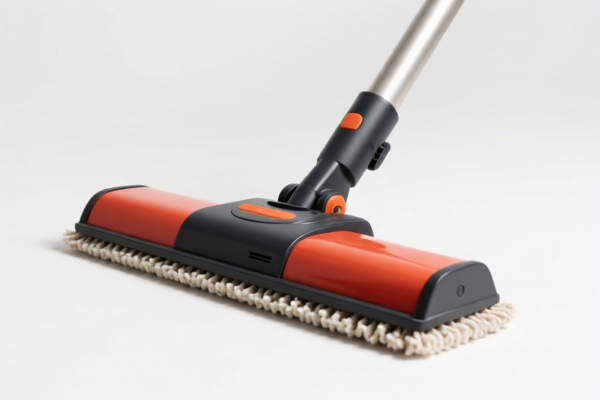

AI Analysis
🏠 Carpet Fixers & Flooring Underlays (The "Glue & Foam" Duo)
🌐 HS Code Reference & Customs Clearance Guide | 2026 Latest Tariff Analysis | Professional Clearance Strategy
📌 I. Product Definition & Classification: What Exactly Is a "Carpet Fixer"?
In international trade, the term "Carpet Fixer" is ambiguous. It generally refers to two distinct categories of goods used in flooring installation:
- Nonwoven Flooring Underlays (The "Foam/Pad"):
Sheets or rolls of nonwoven fabric (often impregnated with latex, PVC, or other plastics) used as a cushion beneath carpeting. These are defined by their weight per square meter (g/m²). - Plastic Fasteners & Clips (The "Hardware"):
Small plastic components (clips, tack strips, or adhesives in clip form) used to mechanically attach carpets or flooring to subfloors.
⚠️ Critical Distinction:
- If the product is a sheet/roll weighing >150 g/m² → It is likely Nonwoven Fabric (Chapter 56).
- If the product is a small plastic clip/fastener → It is likely Articles of Plastic (Chapter 39).
- Material matters: Wool underlays have different codes than synthetic ones.
📦 II. HS Code Classification Details (2026 Latest Tariff Authority)
| HS Code | Product Description | Scenario | Tax Rate (Total) | Base Tariff | Section 301 / Add-on Tariff |
|---|---|---|---|---|---|
5603.94.10.90 |
Nonwovens >150 g/m²: Floor covering underlays, Other | Synthetic/non-woven underlayment pads for carpets | 25.0% | 0.0% | +25.0% |
5603.94.10.10 |
Nonwovens >150 g/m²: Floor covering underlays, Of wool or fine animal hair | Premium wool felt underlayment | 25.0% | 0.0% | +25.0% |
3926.90.85.00 |
Other Plastic Articles: Fasteners in clips suitable for mechanical attaching | Plastic carpet clips, tack strip fasteners, or adhesive clips | 14.0% | 6.5% | +7.5% |
3926.90.99.89 |
Other Plastic Articles: Other Other | Generic plastic flooring parts not specified as clips/fasteners | 12.8% | 5.3% | +7.5% |
🔍 Key Alert:
- Underlays are NOT "carpets" (Chapter 57). They are Nonwovens (Chapter 56) if they are fabric-like sheets.
- Fasteners are "Plastics" (Chapter 39). Do not misclassify clips as "tools" (Chapter 82) unless they are metal.
- All listed items carry significant additional tariffs due to US-China trade policies.
💰 III. 2026 Latest Tariff Rate Breakdown (Detailed Tax Clauses)
✅ Applicable Country: USA (US)
✅ Origin: China (CN)
✅ Effective Date: Current rates apply (Section 301 & IEEPA)
🎯 1. 5603.94.10.90 & 5603.94.10.10 —— Nonwoven Flooring Underlays
| Item | Content |
|---|---|
| Base Tariff | 0.0% (Ad Valorem) |
| Section 301 Add-on Tariff | +25.0% (List 4A) |
| Total Tariff | 25.0% |
| Tax Calculation | CIF Value × 25% |
| De Minimis Exemption | ❌ Not Available (For goods under $800, Section 301 duties may still apply depending on current CBP enforcement trends for nonwovens; however, strictly speaking, de minimis often excludes Section 301 goods if declared properly. Caution: Many brokers block de minimis for Chinese nonwovens to avoid risk.) |
| Legal Basis | HTSUS:5603.94.10 → Section 301: Footnote 9903.88.01 |
📌 Explanation:
- The base rate is 0% because nonwovens are considered basic industrial materials.
- The 25% add-on is due to the Section 301 Trade Action targeting Chinese imports, specifically under heading 5603 (Nonwovens).
- No distinction is made between wool and synthetic in the rate (both are 25%), but the HS code differs (10for wool,90for other).
🎯 2. 3926.90.85.00 —— Plastic Fasteners/Clips
| Item | Content |
|---|---|
| Base Tariff | 6.5% |
| Section 301 Add-on Tariff | +7.5% |
| Total Tariff | 14.0% |
| Tax Calculation | CIF Value × 14% |
| De Minimis Exemption | ⚠️ Check with Broker: Often subject to Section 301 exclusion requests, but generally taxable. |
| Legal Basis | HTSUS:3926.90.85 → Section 301: Footnote 9903.88.01 |
📌 Explanation:
- Plastic fasteners are classified under "Other articles of plastics."
- The base duty is 6.5%, plus a 7.5% surcharge (not 25% like underlays).
- This is a mid-range tariff compared to electronics or steel.
🎯 3. 3926.90.99.89 —— Other Plastic Articles (Generic)
| Item | Content |
|---|---|
| Base Tariff | 5.3% |
| Section 301 Add-on Tariff | +7.5% |
| Total Tariff | 12.8% |
| Tax Calculation | CIF Value × 12.8% |
| Legal Basis | HTSUS:3926.90.99 → Section 301: Footnote 9903.88.01 |
📌 Explanation:
- If your plastic fixer is not a clip/fastener (e.g., a generic plastic strip or decorative trim), it falls here.
- Cheapest plastic option in this list, but still subject to the 7.5% add-on.
🛠️ IV. Customs Clearance Practical Advice (Battle-Tested Tips)
✅ 1. Documentation Checklist (Non-Negotiable)
| Document | Required? | Notes |
|---|---|---|
| Product Specification Sheet | ✔️ | Must specify gram weight per m² (g/m²) for underlays. Critical for 5603.94 vs 5603.93. |
| Material Composition | ✔️ | Is it Wool? Is it Synthetic (Polyester/Polypropylene)? Is it Impregnated? |
| Product Photos | ✔️ | Clear shots of the product, packaging, and labels showing HS-relevant info. |
| Commercial Invoice | ✔️ | Must explicitly state: "Floor Covering Underlay, Nonwoven, >150g/m²" or "Plastic Carpet Fastener Clip". |
| Packing List | ✔️ | Separate underlays from plastic clips if shipped together to avoid confusion. |
| Fiber Content Label | ✔️ | Required for textile/nonwoven imports (FTC). |
✅ 2. Classification Strategy (How to Avoid Audits)
| Scenario | Correct HS Code | Why? |
|---|---|---|
| Foam/Nonwoven Pad (Rolls) | 5603.94.10.90 |
It’s a nonwoven fabric, weighs >150g/m², and is for flooring. |
| Wool Felt Pad (Rolls) | 5603.94.10.10 |
Same as above, but material is wool/fine animal hair. |
| Plastic Tack Strip Clips | 3926.90.85.00 |
Specifically defined as "Fasteners in clips suitable for use in a mechanical attaching device." |
| Plastic Adhesive Dots/Tabs | 3926.90.99.89 |
Not a "clip" for mechanical attachment, but a general plastic article. |
| Metal Tack Strips | ❌ Not in DATA | These would fall under Chapter 73 (Iron/Steel) or Chapter 76 (Aluminum), with different (often higher) Section 301 rates. Check separately! |
🔥 Pro Tip:
- DO NOT mislabel nonwoven underlays as "Carpets" (5703). This is a common error that leads to higher duties (6-12%) and CBP seizures for misdeclaration.
- DO NOT call plastic clips "Hardware." They are Plastics (3926).
✅ 3. Special Considerations
| Issue | Recommendation |
|---|---|
| Impregnation | If the nonwoven is impregnated/coated with plastic (PVC, Latex), it remains 5603 but must be declared as such. Do not call it "Plastic Sheet" (Chapter 39). |
| Wool vs. Synthetic | Wool underlays (5603.94.10.10) and Synthetic (5603.94.10.90) have the same tax rate (25%) but different HS codes. Use the correct code to avoid rejection. |
| Mixing Goods | If you ship underlays (5603) and clips (3926) in the same container, declare them separately on the entry summary. Do not lump them into one "Carpet Kit" line item. |
🌍 V. Global Market Comparison (2026)
| Market | Recommended HS Code | Total Duty (China Origin) | Notes |
|---|---|---|---|
| 🇺🇸 USA | 5603.94.10.90 / 3926.90.85.00 |
14% - 25% | High Section 301 tariffs. |
| 🇨🇳 China (Import) | Similar codes | 5% - 10% | Lower base rates. |
| 🇪🇺 EU | 5603.94 / 3926.90 |
0% - 4% | No Section 301. Standard MFN rates apply. |
| 🇨🇦 Canada | Similar to US | 5% - 10% | Check CUSMA rules. |
📌 Insight:
- The US market is significantly more expensive for these goods due to geopolitical tariffs.
- If you are sourcing from China, budget for 25% on underlays and 14% on clips.
- Alternative: Consider sourcing underlays from Vietnam or Turkey to avoid Section 301 tariffs (if rules of origin are met).
📌 VI. Common Mistakes & Pitfalls (Learn from Others' Pain)
❌ Mistake 1: Calling nonwoven underlay "Carpet Padding" and trying to use a carpet HS code.
👉 Result: CBP may reclassify to 5603, assess 25% duty + penalties, or reject the entry if 5703 (0-6%) was incorrectly used.
❌ Mistake 2: Labeling plastic clips as "Tools" (Chapter 82).
👉 Result: Misclassification. Tools have different tariff structures. Plastic clips are Plastics (3926).
❌ Mistake 3: Ignoring Gram Weight (g/m²).
👉 Result: If your nonwoven is ≤150 g/m², it falls under 5603.93 (lower weight), which may have different tariff rates (often lower or exempt). Always verify weight!
✅ Correct Declaration Example:
"Floor Covering Underlay, Nonwoven Fabric, Impregnated with Latex, Weighing 200g/m², Synthetic Polyester, Model XYZ"
🎯 VII. Conclusion: Precision Saves Money
🎯 Remember:
🔹 "Nonwoven >150g = 25% Duty"
🔹 "Plastic Clip = 14% Duty"
🔹 "Plastic Other = 12.8% Duty"
🔹 "Wool vs. Synthetic = Same Rate, Different Code"
📌 Final Advice:
If you are importing large volumes of underlays (>150g/m²), consider:
1. Applying for a Product-Specific Exclusion from Section 301 tariffs (if available for your specific SKU).
2. Sourcing from Non-China Origins (e.g., Vietnam, Bangladesh) to bypass the 25% surcharge.
3. Pre-classifying with a customs broker using CBP Rulings to ensure the g/m² threshold is correctly documented.
📣 Action Item:
📞 Contact your customs broker with your product samples and spec sheets.
📊 Verify the exact g/m² of your underlays.
💡 Check if your plastic clips are truly "mechanical fasteners" or "adhesives" to pick the right HS code.
✨ Accurate Classification = Predictable Costs + Smooth Clearance
💼 Don’t let a 0.1 g/m² difference cost you thousands!
Customer Reviews
About HS Code Classification
The Harmonized System (HS) is an internationally standardized nomenclature developed by the World Customs Organization (WCO) to classify traded products. Over 200 countries use the HS system as the basis for customs tariffs, trade statistics, and import/export regulations.
Each HS code follows a hierarchical structure:
- Chapter (2 digits) — Broad category of goods (e.g., Chapter 84: Machinery and Mechanical Appliances)
- Heading (4 digits) — More specific grouping within the chapter
- Subheading (6 digits) — Internationally standardized breakdown, used by all WCO member countries
- National subdivisions (8-10 digits) — Country-specific extensions for further classification, such as US HTSUS 10-digit codes
Correct HS code classification is essential for smooth customs clearance, accurate duty payment, and compliance with trade regulations. Misclassification can lead to customs delays, overpayment of duties, or penalties.
When importing from CN to US, the applicable tariff rates may include:
- Most-Favored-Nation (MFN) rate — The standard duty rate applied to WTO members
- General rate — Applied to countries without trade agreements
- Trade remedy duties — Additional tariffs such as Section 301 (anti-dumping), Section 232 (national security), or countervailing duties
The information provided on this page is for reference purposes only. For official classification, please consult with your local customs authority or a licensed customs broker.