Carpet Rake
CN → US| HS Code | Tariff Rate | Origin | Destination | Doc |
|---|---|---|---|---|
| 7326908688 | 87.9% | CN | US | Official Doc |
| 8201300080 | 35.0% | CN | US | Official Doc |
| 8201300010 | 35.0% | CN | US | Official Doc |
| 3926909930 | 22.8% | CN | US | Official Doc |
| 3926909989 | 22.8% | CN | US | Official Doc |
| 7326190080 | 87.9% | CN | US | Official Doc |
Product Images
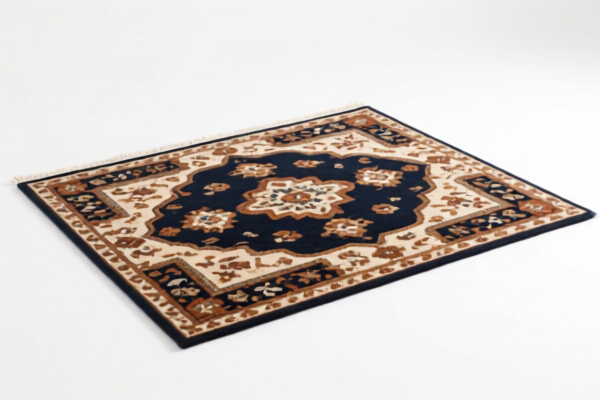
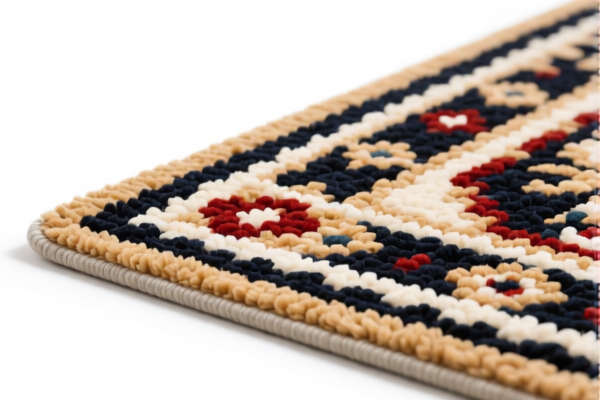

AI Analysis
🏡 Carpet Rake (Turfer, Carpet Groomer)
🌐 HS Code Reference & Customs Clearance Guide | 2026 Latest Tariff Analysis | Professional Level Clearance Strategy
📌 Part 1: Product Definition & Classification: Do You Really Understand "Carpet Rakes"?
A Carpet Rake (also known as a Turfer or Carpet Groomer) is a specialized tool used in the installation and maintenance of carpeting. Its primary function is to stretch, align, and "groom" carpet fibers to create a uniform appearance and ensure proper tension.
In international trade, classification depends heavily on material composition and functional design:
- Metal Tools (Steel/Iron): Rakes with metal teeth or frames are classified under Chapter 73 (Articles of Iron or Steel) or Chapter 82 (Tools of Base Metal).
- Plastic Tools: Rakes made entirely or primarily of plastic fall under Chapter 39 (Plastics and Articles Thereof).
⚠️ Key Distinction Point:
- If the primary material is metal (steel/iron) and it functions as a hand tool → Chapter 73 or 82.
- If the primary material is plastic → Chapter 39.
- Note: The presence of a wooden handle does not necessarily change the classification if the functional part (the rake teeth/head) is metal or plastic.
📦 Part 2: HS Code Classification Details (2026 Latest Tariff Authoritative Comparison)
Based on the provided data, here are the possible HS Codes for "Carpet Rake" depending on material and specific design:
| HS Code | Product Description | Material Basis | Applicability |
|---|---|---|---|
7326.90.86.88 |
Other articles of iron or steel | Iron/Steel (Deduction: Metal construction without specific tool classification) | General metal rake, non-specific tool design |
8201.30.00.80 |
Rakes, of base metal | Base Metal (Steel/Iron) | Explicitly listed as "Rakes" under tools of base metal |
8201.30.00.10 |
Rakes, of base metal | Base Metal (Steel/Iron) | Specific match for "Rakes" under tools of base metal |
3926.90.99.30 |
Other articles of plastics | Plastic | Plastic rake, considered "Other articles" for plastic器械 (tools/devices) |
3926.90.99.89 |
Other articles of plastics (Other) | Plastic/Other Materials | Plastic rake, fallback category if not specifically listed elsewhere |
🔍 Critical Reminder:
- Metal Rakes: Usually classified under 8201.30 (Tools) because rakes are explicitly listed there. However, if deemed a general metal article, it falls to 7326.90. The tax difference is significant due to additional duties. - Plastic Rakes: Classified under 3926.90 (Other articles of plastics). This category generally attracts lower base tariffs but is subject to specific trade barriers.
💰 Part 3: 2026 Latest Tariff Rate Details (Including Surtaxes & Policy Add-ons)
✅ Applicable Country: United States (US)
✅ Origin: China (CN)
✅ Effective Time: 2025/2026 Current Rates
🎯 1. Metal Rakes (8201.30.00.80 / 8201.30.00.10)
| Item | Content |
|---|---|
| Base Tariff | 0.0% (Ad Valorem) |
| Section 301 Surtax | +25% (From USITC Footnote) |
| Section 232 / 122 Clause | +10% (Specific to Steel/Aluminum/Copper articles under certain clauses) |
| Total Tariff | 35.0% |
| Tax Calculation | CIF Value × 35% |
| De Minimis Eligibility | ❌ Not Eligible (Due to Section 301/232 surtaxes) |
| Legal Basis Path | USITC:8201.30.00 → Section 301: +25% → Section 122/232: +10% |
📌 Explanation:
- Although the base tariff for tools is often 0%, the 25% Section 301 tariff applies to all Chinese-made tools. - Additionally, a 10% surtax (often linked to Section 232 steel/aluminum policies or specific 122 clause interpretations for steel articles) may apply. - Total: 35%. This is a high tariff for simple tools.
🎯 2. Steel Rakes as General Articles (7326.90.86.88 / 7326.19.00.80)
| Item | Content |
|---|---|
| Base Tariff | 2.9% |
| Section 301 Surtax | +25% |
| Section 232 / 122 Clause | +50% (Specific "Steel, Aluminum, Copper Articles" surtax) |
| Total Tariff | 87.9% |
| Tax Calculation | CIF Value × 87.9% |
| De Minimis Eligibility | ❌ Not Eligible |
| Legal Basis Path | USITC:7326.90 → Section 301: +25% → Section 232/122: +50% |
📌 WARNING:
- If the customs authority decides the rake is a general "steel article" rather than a "tool" (misclassification risk), the tax jumps to 87.9%. - This is due to the 50% additional tariff on specific steel/aluminum products under Section 232 or related 122 clauses. - Recommendation: Strictly argue for classification under 8201.30 (Tools) to limit the rate to 35%.
🎯 3. Plastic Rakes (3926.90.99.30 / 3926.90.99.89)
| Item | Content |
|---|---|
| Base Tariff | 5.3% |
| Section 301 / 122 Clause | +7.5% (Specific surtax for plastics/other articles) |
| Section 122 Clause | +10% |
| Total Tariff | 22.8% |
| Tax Calculation | CIF Value × 22.8% |
| De Minimis Eligibility | ❌ Not Eligible (Due to surtaxes) |
| Legal Basis Path | USITC:3926.90 → Section 301/122: +17.5% (Combined) |
📌 Note:
- Plastic rakes benefit from lower base tariffs (5.3%). - However, they are not exempt from trade wars. The combined surtax is 17.5% (7.5% + 10%). - Total: 22.8%. This is the most cost-effective classification if the product is made of plastic.
🛠️ Part 4: Customs Clearance Practical Advice (Battle-Tested Pitfall Avoidance)
✅ 1. Preparation Checklist (Non-negotiable)
| Document | Required | Explanation |
|---|---|---|
| ✅ Product Spec Sheet | ✔️ | Must specify material (e.g., "Stainless Steel Teeth, Plastic Handle" vs. "All Plastic") |
| ✅ Material Breakdown | ✔️ | % composition by weight. Critical for Chapter 39 vs. 73/82 decision. |
| ✅ Product Photos | ✔️ | Clear images of teeth, frame, and handle. Show if it’s a "tool" (ergonomic grip) or just a "metal piece". |
| ✅ Commercial Invoice | ✔️ | Must state: "Carpet Grooming Rake, [Material]" |
| ✅ Customs Ruling (Optional) | ✔️ | Recommended for large volumes to lock in 8201.30 vs 7326.90 |
✅ 2. Declaration Tips (Key Mantra)
🔥 "Material Defines Chapter, Function Defines Subheading!"
| Scenario | Correct Declaration | Incorrect Practice | Risk |
|---|---|---|---|
| Plastic Rake | 3926.90.99.30 (Plastic Article) |
Declare as Metal | Under-declaration → Penalties |
| Steel Rake | 8201.30.00.10 (Tool: Rake) |
Declare as 7326.90 (General Steel) |
Tax Jump from 35% to 87.9%! |
| Mixed Material | Declare based on Essential Character | Split shipment arbitrarily | Confusion → Delays |
📌 Strategy:
- For Metal Rakes: Emphasize "Tool", "Rake", "Grooming". Argue under Heading 82.01. This caps the additional duty at 25% + 10% = 35%. - For Plastic Rakes: Emphasize "Plastic Article". Rate is 22.8%.
✅ 3. Special Cases
| Situation | Handling Advice |
|---|---|
| Wooden Handle + Metal Head | The head determines the material. If head is metal, it’s Chapter 73/82. |
| Wooden Handle + Plastic Head | Chapter 39. |
| OEM Custom Rakes | Provide design drawings. If design resembles a standard rake, 8201.30 is stronger. |
🌍 Part 5: Global Market Comparison (2026 Latest)
| Country/Region | Recommended HS Code | Total Tariff (China Origin) | Key Certifications | Notes |
|---|---|---|---|---|
| 🇺🇸 USA | 8201.30.00.10 (Metal) |
35.0% | None specific | High risk of reclassification to 7326 (87.9%) if not justified as a tool. |
| 🇺🇸 USA | 3926.90.99.89 (Plastic) |
22.8% | None specific | Best option for plastic products to reduce tariff burden. |
| 🇪🇺 EU | 8201.30 |
~0% - 2.7% | CE (if applicable) | No Section 301 equivalents. Lower overall tax. |
| 🇨🇳 China | 8201.30 |
5% - 10% | CCC (if electrical, not applicable) | Low export tax. |
📌 Conclusion:
- USA is the highest cost market due to Section 301 and Section 232/122 clauses. - Plastic Rakes are cheaper to import into the US than Metal Rakes (22.8% vs 35%+). - Misclassification of Metal Rakes as "Tools" vs "General Steel Articles" is the biggest financial risk (35% vs 87.9%).
📌 Part 6: Common Mistakes & Pitfalls (Lessons Learned)
❌ Mistake 1: Classifying Metal Carpet Rakes under 7326.90 (General Steel)
👉 Consequence: You pay 87.9% tariff instead of 35%.
👉 Fix: Prove it is a "Rake" (Tool) under Heading 82.01.
❌ Mistake 2: Declaring Plastic Rakes as "Tools" to avoid plastic surcharges
👉 Consequence: Rejection by customs. Plastic falls under Chapter 39, not 82.
👉 Fix: Use 3926.90.
❌ Mistake 3: Ignoring the "122 Clause" / Section 232 Surtax
👉 Consequence: Unexpected bill at customs.
👉 Fix: Always check if the material (Steel/Aluminum) triggers the 50% or 10% additional duty.
✅ Correct Practice:
"Carpet Grooming Rake, Plastic Head with Wooden Handle, Model XYZ" → HS 3926.90.99.89 (22.8%)
"Carpet Grooming Rake, Stainless Steel Teeth and Frame, Ergonomic Handle, Model ABC" → HS 8201.30.00.10 (35.0%)
🎯 Part 7: Conclusion: Professional Declaration Saves Money!
🎯 Remember the Mantra:
🔹 "Plastic = 22.8%, Steel Tool = 35%, Steel Article = 87.9%!"
🔹 "Is it a Tool? Then fight for 82.01. Is it just a piece of steel? You're paying nearly double!"
📌 Pro Tip:
If you are importing large quantities of Metal Carpet Rakes, consider switching to Plastic or Composite Materials to save 12-65% in tariffs.
For Metal Rakes, ensure your documentation explicitly states "Rake" and "Grooming Tool" to support the 8201.30 classification.
📣 Immediate Action:
📞 Contact your customs broker to review the Bill of Lading and Invoice.
📄 Ensure HS Code matches the physical product (Material + Function).
🚀 Avoid the 87.9% trap by correctly classifying as a Tool!
✨ Professional Customs Clearance Starts with Accurate Classification!
💼 Every Percentage Point Saved is Pure Profit!
Customer Reviews
About HS Code Classification
The Harmonized System (HS) is an internationally standardized nomenclature developed by the World Customs Organization (WCO) to classify traded products. Over 200 countries use the HS system as the basis for customs tariffs, trade statistics, and import/export regulations.
Each HS code follows a hierarchical structure:
- Chapter (2 digits) — Broad category of goods (e.g., Chapter 84: Machinery and Mechanical Appliances)
- Heading (4 digits) — More specific grouping within the chapter
- Subheading (6 digits) — Internationally standardized breakdown, used by all WCO member countries
- National subdivisions (8-10 digits) — Country-specific extensions for further classification, such as US HTSUS 10-digit codes
Correct HS code classification is essential for smooth customs clearance, accurate duty payment, and compliance with trade regulations. Misclassification can lead to customs delays, overpayment of duties, or penalties.
When importing from CN to US, the applicable tariff rates may include:
- Most-Favored-Nation (MFN) rate — The standard duty rate applied to WTO members
- General rate — Applied to countries without trade agreements
- Trade remedy duties — Additional tariffs such as Section 301 (anti-dumping), Section 232 (national security), or countervailing duties
The information provided on this page is for reference purposes only. For official classification, please consult with your local customs authority or a licensed customs broker.