Carpet and other textile floor coverings
CN → US| HS Code | Tariff Rate | Origin | Destination | Doc |
|---|---|---|---|---|
| 5703392090 | 41.0% | CN | US | Official Doc |
| 5701901010 | 35.0% | CN | US | Official Doc |
| 5701902090 | 35.0% | CN | US | Official Doc |
| 5703900000 | 38.8% | CN | US | Official Doc |
| 5702109090 | 35.0% | CN | US | Official Doc |
Product Images
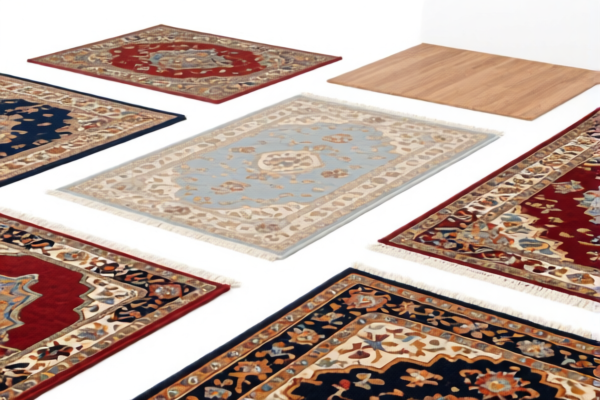
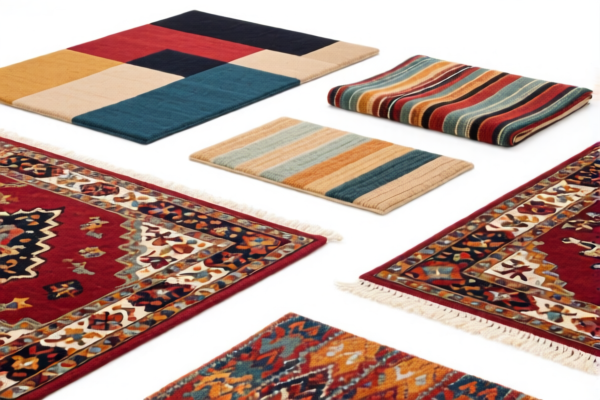
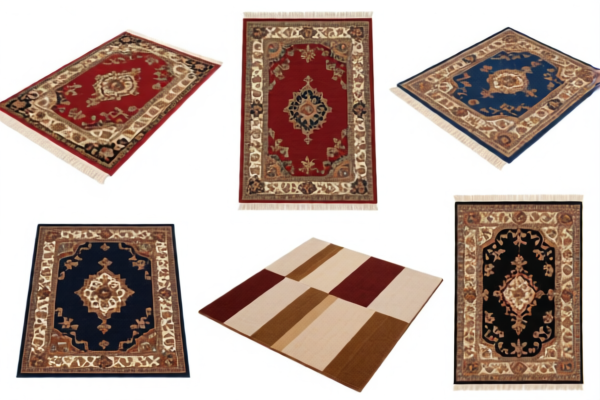
AI Analysis
🧶 Carpets & Textile Floor Coverings (Textile Floor Coverings)
🌐 HS Code Reference & Customs Clearance Guide | 2026 Latest Tariff Analysis | Strategic Import Compliance
📌 I. Product Definition & Classification: Understanding "Textile Floor Coverings"
Carpets and other textile floor coverings are essential finishing materials for residential, commercial, and industrial spaces. In international trade, they are strictly categorized under Chapter 57 of the Harmonized System (HS). The classification depends heavily on:
1. Manufacturing Process: Woven (5703), Tufted (5701), Felted/Non-woven (5702), or Other (5705).
2. Material Composition: Wool, Synthetic Staple Fibers, Synthetic Filament Yarn, or Other Textile Materials.
3. Specific Characteristics: Shape, backing, and intended use.
⚠️ Critical Distinction for US Customs (CBP):
- Tufted Carpets (5701): Generally have a lower base duty but are subject to high "Section 301" and "122 Section" tariffs. - Woven Carpets (5703): Often have a higher base duty, and the specific fiber type drastically changes the tax rate. - "Other" Categories: Misclassification here can lead to severe penalties if the actual material (e.g., synthetic vs. wool) is different from the declared "other."
📦 II. HS Code Classification Details (2026 Latest Tariff Authority Mapping)
Based on the provided data, here is the breakdown of the 5 specific HS Codes for Carpets and Textile Floor Coverings:
| HS Code | Summary Description | Key Classification Criteria | Base Duty |
|---|---|---|---|
5703.39.20.90 |
Woven Carpets – Matching specific textile material category. | Woven structure; specific synthetic/textile fiber match. | 6.0% |
5701.90.10.10 |
Tufted Carpets – Material and use fully consistent. | Tufted structure; defined material type (likely synthetic staple); standard use. | 0.0% |
5701.90.20.90 |
Tufted Carpets – Meets shape requirements; unspecified fiber material. | Tufted structure; defined shape; falls into "Other" fiber category. | 0.0% |
5703.90.00.00 |
Other Woven Carpets – Meets floor covering use, textile material. | Woven structure; "Other" textile material (not wool or specified synthetics). | 3.8% |
5702.10.90.90 |
Felted/Non-Woven Carpets – Woven-like form, unspecified material. | Felted/non-woven structure; "Other" material classification. | 0.0% |
🔍 Key Insight:
- Base Duties Vary:5701and5702codes often have 0% Base Duty, while5703(Woven) has 3.8%-6.0%. - However, the Total Effective Rate is similar (35%-41%) due to identical surtaxes applied to all these categories under current US trade policy.
💰 III. 2026 Latest Tariff Rate Breakdown (Detailed Surtaxes & Policies)
✅ Applicable Country: United States (US)
✅ Origin: China (CN)
✅ Effective Date: Ongoing under current Section 301 and Section 122 regulations
🎯 1. 5703.39.20.90 – Woven Carpets (Specific Textile Match)
| Item | Details |
|---|---|
| Base Tariff | 6.0% |
| Section 301 Tariff (Add-on) | +25.0% |
| Section 122 Tariff | +10.0% |
| Total Effective Rate | 41.0% |
| Tax Calculation | CIF Value × 41.0% |
| De Minimis Exemption | ❌ Not Eligible (deny_de_minimis) |
| Legal Basis | HTSUS 5703.39.20.90 + USITC Footnotes + IEEPA Authorities |
📌 Explanation:
- This is the highest tariff bracket among the listed codes. - The base duty of 6% is added to the steep 25% (Section 301) and 10% (Section 122) surtaxes. - Strategy: Only use this code if the carpet is strictly woven and matches the specific textile material description.
🎯 2. 5701.90.10.10 – Tufted Carpets (Consistent Material/Use)
| Item | Details |
|---|---|
| Base Tariff | 0.0% |
| Section 301 Tariff (Add-on) | +25.0% |
| Section 122 Tariff | +10.0% |
| Total Effective Rate | 35.0% |
| Tax Calculation | CIF Value × 35.0% |
| De Minimis Exemption | ❌ Not Eligible (deny_de_minimis) |
| Legal Basis | HTSUS 5701.90.10.10 + USITC Footnotes + IEEPA Authorities |
📌 Explanation:
- Although the base duty is 0%, the total rate is still high due to surtaxes. - This is a common classification for standard tufted residential/commercial carpets. - Advantage: Slightly lower than5703codes (35% vs 41%), but still significant.
🎯 3. 5701.90.20.90 – Tufted Carpets (Unspecified Fiber)
| Item | Details |
|---|---|
| Base Tariff | 0.0% |
| Section 301 Tariff (Add-on) | +25.0% |
| > Section 122 Tariff | +10.0% |
| Total Effective Rate | 35.0% |
| Tax Calculation | CIF Value × 35.0% |
| De Minimis Exemption | ❌ Not Eligible (deny_de_minimis) |
| Legal Basis | HTSUS 5701.90.20.90 + USITC Footnotes + IEEPA Authorities |
📌 Explanation:
- Same total rate as5701.90.10.10(35%). - Used when the carpet is tufted and meets shape requirements, but the specific fiber type doesn't fit the "consistent material" sub-category. - Risk: Customs may challenge the "unspecified" claim if material composition is obvious (e.g., polypropylene).
🎯 4. 5703.90.00.00 – Other Woven Carpets
| Item | Details |
|---|---|
| Base Tariff | 3.8% |
| Section 301 Tariff (Add-on) | +25.0% |
| Section 122 Tariff | +10.0% |
| Total Effective Rate | 38.8% |
| Tax Calculation | CIF Value × 38.8% |
| De Minimis Exemption | ❌ Not Eligible (deny_de_minimis) |
| Legal Basis | HTSUS 5703.90.00.00 + USITC Footnotes + IEEPA Authorities |
📌 Explanation:
- A middle-ground tariff (38.8%). - Applies to woven carpets made of "other" textile materials (not wool or specific synthetics). - Note: Ensure the material is truly "other" (e.g., certain blends or less common fibers) to avoid misclassification with5703.39.
🎯 5. 5702.10.90.90 – Felted/Non-Woven Floor Coverings
| Item | Details |
|---|---|
| Base Tariff | 0.0% |
| Section 301 Tariff (Add-on) | +25.0% |
| Section 122 Tariff | +10.0% |
| Total Effective Rate | 35.0% |
| Tax Calculation | CIF Value × 35.0% |
| De Minimis Exemption | ❌ Not Eligible (deny_de_minimis) |
| > Legal Basis | HTSUS 5702.10.90.90 + USITC Footnotes + IEEPA Authorities |
📌 Explanation:
- Applies to felted or non-woven textile floor coverings. - Often used for lightweight rugs, underlayments, or specific industrial mats. - Caution: Do not confuse "felted" (5702) with "tufted" (5701) or "woven" (5703). The manufacturing process is the key differentiator.
🛠️ IV. Customs Clearance Practical Advice (Real-World Pitfall Guide)
✅ 1. Mandatory Documentation Checklist
| Document | Required? | Notes |
|---|---|---|
| Commercial Invoice | ✅ Yes | Must clearly state "Carpets," "Tufted/Woven/Felted," and material content (e.g., "100% Polypropylene"). |
| Packing List | ✅ Yes | Detailed dimensions, weight, and number of rolls/bundles. |
| Material Composition Statement | ✅ Yes | Critical for distinguishing between 5701 (Tufted) and 5703 (Woven) and specific fiber types. |
| Product Photos | ✅ Yes | Show texture (tufted pile vs. woven surface vs. felted edge) to prove manufacturing method. |
| Origin Certificate (CO) | ✅ Yes | Confirms China origin, triggering Section 301/122 tariffs. |
| Customs Ruling Letter | ⚠️ Optional | Recommended for new suppliers to get an Advance Ruling on HS Code. |
✅ 2. Declaration Strategy (Key Mnemonic)
🔥 “Process First, Material Second, Surtaxes Apply to All!”
| Scenario | Correct HS Code Approach | Common Mistake |
|---|---|---|
| Tufted Carpet (Synthetic) | 5701.90.10.10 or 5701.90.20.90 (35%) |
Declaring as 5703 (Woven) → Higher base duty (6% vs 0%) but same surtaxes → Unnecessary cost. |
| Woven Carpet (Synthetic) | 5703.39.20.90 (41%) or 5703.90.00.00 (38.8%) |
Declaring as 5702 (Felted) → Misclassification Penalty. |
| Felted/Rug | 5702.10.90.90 (35%) |
Declaring as 5701 → If structure is felted, not tufted, leads to rejection. |
| Mixed Materials | Determine dominant material | Using "Other" (5702.10.90.90) for clearly synthetic tufted carpets → Audit Risk. |
✅ 3. Special Cases & Handling
| Situation | Handling Advice |
|---|---|
| Carpet Tiles | If tufted, use 5701. If woven, use 5703. Do not use "Other" unless truly ambiguous. |
| Backed Carpets | If the backing is rubber/plastic, ensure the textile layer is dominant. If rubber is dominant, it might fall under Chapter 40 (Rubber), changing the tariff entirely. |
| Samples (Under $800) | ❌ No De Minimis: These codes are excluded from the $800 de minimis exemption. Even small samples must be declared and taxed at 35-41%. |
| Re-imports | Ensure proper documentation to claim duty drawback if eligible, though surtaxes may not be refundable. |
🌍 V. Global Market Comparison (2026 Outlook)
| Country/Region | Recommended HS Code | Base Duty | Surtaxes (China) | Total Est. Rate | Notes |
|---|---|---|---|---|---|
| 🇺🇸 USA | 5701.90.10.10 / 5703.39.20.90 |
0% - 6% | +35% (301+122) | 35% - 41% | Highest total cost due to multiple surtaxes. |
| 🇨🇳 China | 5701 / 5703 |
0% - 6% | None | 0% - 6% | Low duty for re-exports or domestic use. |
| 🇪🇺 EU | 5703 / 5701 |
0% - 6% | None | 0% - 6% | No Section 301 equivalent. |
| 🇬🇧 UK | 5703 / 5701 |
0% - 6% | None | 0% - 6% | Post-Brexit tariffs aligned with EU/WTO. |
| 🇻🇳 Vietnam | 5703 / 5701 |
0% - 5% | None | 0% - 5% | Potential for transshipment strategies (⚠️ Watch for Rules of Origin). |
📌 Conclusion:
- USA is the most expensive market for Chinese textile floor coverings due to the 叠加 (stacking) of Base Duty + Section 301 (25%) + Section 122 (10%). - Total rates range from 35% to 41%, regardless of the base duty.
📌 VI. Common Errors & Pitfalls (Lessons Learned)
❌ Mistake 1: Assuming "Carpet" is a single HS Code
👉 Consequence: Customs flags mismatch between description and HS code. Delay + Penalties.
❌ Mistake 2: Using 5702 (Felted) for Tufted Carpets
👉 Consequence: CBP inspects and finds tufted piles. Rejection + Backdating duties.
❌ Mistake 3: Claiming De Minimis ($800) for small carpet samples
👉 Consequence: Illegal entry. These items are explicitly excluded from Section 321 relief if from China and subject to Section 301/122.
✅ Best Practice:
"Tufted Carpet, Polypropylene Pile, Jute Backing, 12'x15', Commercial Grade, Made in China"
🎯 VII. Conclusion: Precision in Classification Saves Money
🎯 Remember the Mantra:
🔹 "Process Defines the Chapter, Material Defines the Subheading, Surtaxes Define the Cost."
🔹 "Tufted is 5701, Woven is 5703, Felted is 5702. All from China = ~35-41% Tax."
📌 Pro Tip:
If you are importing significant volumes, consider:
1. Advance Ruling: Request a CBP binding ruling to confirm your HS Code.
2. Supply Chain Diversification: Explore manufacturing in Vietnam or India to potentially avoid Section 301/122 tariffs (ensure substantial transformation occurs).
3. Bonded Warehouses: Delay duty payment until sale.
📣 Immediate Action:
📞 Consult a licensed customs broker with product photos and material specs.
🚀 Accurate classification is your first line of defense against high tariffs and customs holds!
✨ Professional Clearance Starts with Precise Classification!
💼 Every percentage point counts in your bottom line!
Customer Reviews
About HS Code Classification
The Harmonized System (HS) is an internationally standardized nomenclature developed by the World Customs Organization (WCO) to classify traded products. Over 200 countries use the HS system as the basis for customs tariffs, trade statistics, and import/export regulations.
Each HS code follows a hierarchical structure:
- Chapter (2 digits) — Broad category of goods (e.g., Chapter 84: Machinery and Mechanical Appliances)
- Heading (4 digits) — More specific grouping within the chapter
- Subheading (6 digits) — Internationally standardized breakdown, used by all WCO member countries
- National subdivisions (8-10 digits) — Country-specific extensions for further classification, such as US HTSUS 10-digit codes
Correct HS code classification is essential for smooth customs clearance, accurate duty payment, and compliance with trade regulations. Misclassification can lead to customs delays, overpayment of duties, or penalties.
When importing from CN to US, the applicable tariff rates may include:
- Most-Favored-Nation (MFN) rate — The standard duty rate applied to WTO members
- General rate — Applied to countries without trade agreements
- Trade remedy duties — Additional tariffs such as Section 301 (anti-dumping), Section 232 (national security), or countervailing duties
The information provided on this page is for reference purposes only. For official classification, please consult with your local customs authority or a licensed customs broker.