Carrying Bag
CN → US| HS Code | Tariff Rate | Origin | Destination | Doc |
|---|---|---|---|---|
| 4202923131 | 52.6% | CN | US | Official Doc |
| 4202923310 | 52.6% | CN | US | Official Doc |
| 3923210011 | 38.0% | CN | US | Official Doc |
| 3923210030 | 38.0% | CN | US | Official Doc |
| 6305330080 | 25.9% | CN | US | Official Doc |
| 6305390000 | 25.9% | CN | US | Official Doc |
Product Images
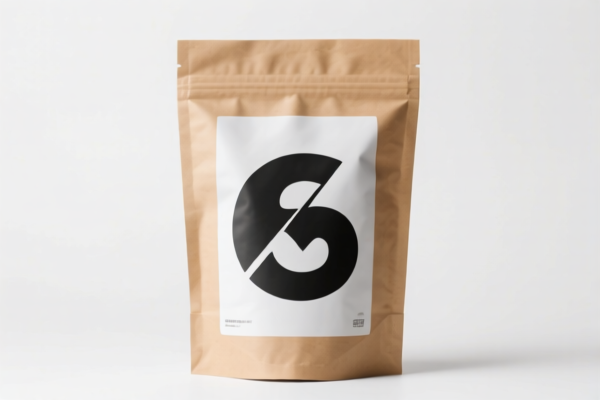
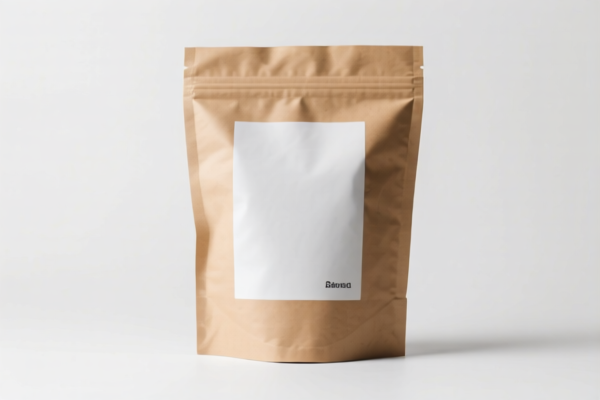
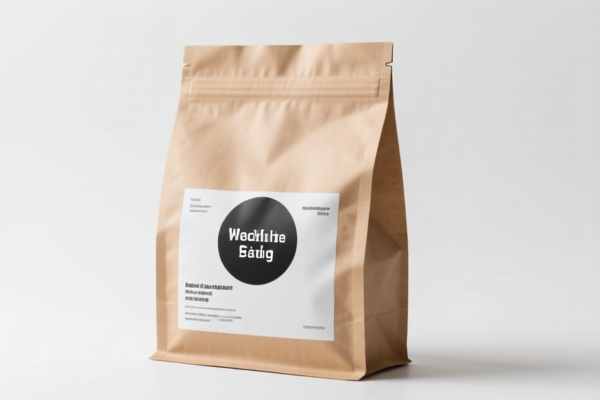
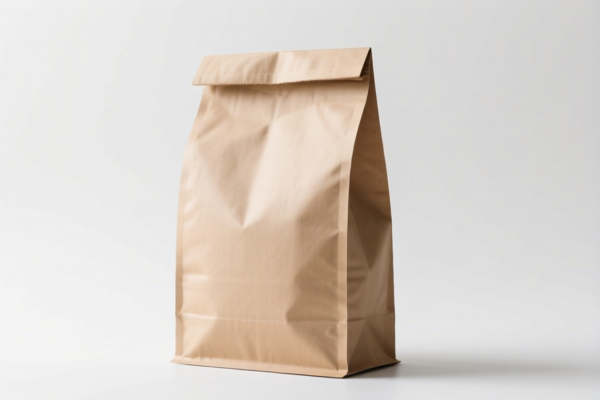
AI Analysis
🎒 Carrying Bags (General) – The Ultimate Guide to HS Codes & Customs Clearance
🌐 HS Code Reference & Customs Clearance Guide | 2026 Latest Tariff Analysis | Professional Compliance Strategy
📌 One Size Does Not Fit All: Why "Carrying Bag" is a Dangerous Declaration
In international trade, the term "Carrying Bag" is a generic umbrella term that covers everything from flimsy plastic grocery sacks to high-end leather travel trunks. Misclassification here is the #1 cause of customs delays, penalty fees, and unexpected tax liabilities.
Depending on the material (plastic, textile, leather) and the specific use (packing goods vs. personal travel), the HS Code and Tariff Rate can range from 0% to 28% (with significant additional duties for certain materials).
⚠️ Critical Distinction:
- Packing Bags (for shipping goods): Generally lower duties, but subject to strict material rules.
- Personal Use Bags (travel, shopping, sports): Often duty-free, but requires precise description of the outer surface material.
📦 1. HS Code Classification Matrix (2026 Latest Data)
Based on the provided dataset, here are the specific classifications for "Carrying Bags." Note that Plastic and Textile/Personal bags are treated very differently.
| HS Code | Description Category | Material/Type | Duty Status |
|---|---|---|---|
| 6305.33.00.80 | Sacks/Bags for Packing | Polyethylene (PE) or Polypropylene (PP) strip/textile | 0% |
| 6305.39.00.00 | Sacks/Bags for Packing | Other Man-Made Textile Materials | 0% |
| 3923.21.00.11 | Plastic Sacks/Bags | Polymers of Ethylene (PE) – Reclosable, Integral Closure, Side ≤75mm | 28% |
| 3923.21.00.30 | Plastic Sacks/Bags | Polymers of Ethylene (PE) – Other | 28% |
| 4202.92.31.31 | Travel/Sports Bags | Textile Materials (Man-made fibers) | 0% |
| 4202.92.33.10 | Travel/Sports Bags | Silk/Silk Waste (≥85%) or Cotton/Paper Yarn | 0% |
💰 2. Detailed Tariff Breakdown (The "Why" Behind the Rate)
🎯 Group A: The "Cheap Plastic" Trap (HS 3923)
HS Codes: 3923.21.00.11 / 3923.21.00.30
- Product: Plastic sacks and bags made of Polyethylene (PE).
- Total Tax: 28.0%
- Breakdown:
- Base Tariff: 3.0%
- Additional Tariff (Section 301): 25.0%
- Total: 28.0%
- 💡 Why 28%? These are considered standard industrial/commercial plastic packaging from China (assuming CN origin). They attract the full 25% punitive tariff + 3% base.
- ⚠️ Risk: If you declare "Plastic Bag" without specifying it is not for packing goods, or if you misidentify the polymer, you may hit this high rate.
🎯 Group B: The "Safe Zone" – Textile & Reclosable Textile Sacks (HS 6305)
HS Codes: 6305.33.00.80 / 6305.39.00.00
- Product: Sacks and bags used specifically for packing goods (not for consumer retail), made of man-made textile materials.
6305.33.00.80: Made of PE/PP strip or similar (woven plastic-yarn textiles).6305.39.00.00: Other man-made textile materials.
- Total Tax: 0.0%
- Breakdown:
- Base Tariff: 0.0%
- Additional Tariff: 0.0%
- Total: 0.0%
- 💡 Key Feature: These are often woven sacks (like cement bags or large shipping bulk bags) made from plastic strips woven into fabric. Despite being "plastic-like," they are classified as textiles for packing purposes, qualifying for 0% duty.
🎯 Group C: The "Lifestyle" Zone – Personal Travel Bags (HS 4202)
HS Codes: 4202.92.31.31 / 4202.92.33.10
- Product: Traveling bags, knapsacks, backpacks, handbags, shopping bags (not for industrial packing).
- Total Tax: 0.0%
- Breakdown:
- Base Tariff: 0.0%
- Additional Tariff: 0.0%
- Total: 0.0%
- Specifics:
4202.92.31.31: Outer surface of textile materials (man-made fibers).- `4202.92.33.10: Outer surface of Silk** (≥85%) or Cotton/Paper yarn.
- 💡 Key Feature: Consumer-grade bags. As long as they are not primarily for packing goods for shipment (e.g., not a heavy-duty shipping duffel meant to replace a box), they fall under Chapter 42, which currently has 0% duty for these specific sub-headings.
🛠️ 3. Customs Clearance Strategy & Pitfalls
✅ 1. Correct Declaration Language (The "Magic Words")
Your commercial invoice description MUST align with the HS Code.
| If your product is... | DO NOT say... | SAY this instead... | Likely HS Code |
|---|---|---|---|
| Woven Bulk Sack (for rice, cement, feed) | "Plastic Bag" | "Woven Polypropylene Sack, for packing goods, Man-made textile material" | 6305.33.00.80 |
| Reclosable Food Zipper Bag (small, PE, side <75mm) | "Zipper Bag" | "Reclosable Plastic Bag, Polymers of Ethylene, Integral Extruded Closure, Side ≤75mm" | 3923.21.00.11 |
| Backpack/Handbag (for personal use) | "Bag for Goods" | "Travel Bag/Backpack, Outer Surface: Man-made Textile Material, Personal Use" | 4202.92.31.31 |
🚫 Danger Zone:
Describing a 3923.21 plastic bag (28% tax) as a "6305 Textile Sack" (0% tax) is fraud. Customs will check the material. If it’s shiny, impermeable, and stamped "Polyethylene," it will be flagged.
✅ 2. Material Verification
- Check for "Strip":
6305.33.00.80requires "strip or the like." This means woven plastic tape. If it’s a film bag (smooth, non-woven), it goes to 3923 (28% tax). - Check Closure Type:
3923.21.00.11specifically targets reclosable bags with integral extruded closure (ziplock style) where the side seam is ≤75mm. If the side is longer, it moves to3923.21.00.30(still 28%). - Check Outer Surface: For
4202bags, the outer surface material dictates the code. If it’s fabric, it’s 0%. If it’s leather, different rules apply (not in this dataset, but generally higher).
✅ 3. Documentation Checklist
| Document | Requirement |
|---|---|
| Commercial Invoice | Must specify: Material (e.g., "Woven PP," "PE Film," "Polyester Fabric"), Usage ("Packing Goods" vs. "Personal Use"), and Dimensions (for closure checks). |
| Product Photos | Clear images showing the texture (woven vs. smooth), closure type (zipper, drawstring, none), and any branding. |
| Material Composition | Certificate of Analysis or supplier declaration stating % of man-made fibers or polymer type. |
| Packing List | Separate packing bags (if included) from the main goods if possible to avoid confusion in valuation. |
🌍 4. Global Market Insights (2026)
-
🇺🇸 USA:
- Textile Sacks (6305) & Personal Bags (4202): 0% Duty.
- Plastic Film Bags (3923): 28% Duty (3% Base + 25% Section 301).
- Strategy: If importing small ziplock bags, consider if they can be classified as "textile" (woven) rather than "film" to save 28%. However, this must be physically accurate.
-
🇨🇳 China (Importing In):
- Generally has lower base duties for these categories, but VAT (13%) always applies. The 0% figures in the data reflect Base + Additional Tariffs.
-
🇪🇺 EU:
- Varies by material. Textile bags often 0-12%. Plastic bags may face plastic packaging taxes. Always check local EU TARIC codes.
📌 5. Common Mistakes & Avoidance (Blood Lessons)
❌ Mistake 1: Calling a PE Ziplock Bag a "Textile Sack."
👉 Result: Customs rejects the 0% claim, assesses 28% retroactively + penalties.
👉 Fix: Accurate material description. If it’s plastic film, it’s 3923.
❌ Mistake 2: Mixing Personal Backpacks with Industrial Cargo Bags.
👉 Result: Misclassification. Cargo bags might be 6305 (0%) or 3923 (28%). Backpacks are 4202 (0%). If you ship them together, clarify separately.
👉 Fix: Separate line items on the invoice with distinct descriptions.
❌ Mistake 3: Ignoring the 75mm Side Limit for Reclosable Bags.
👉 Result: If you declare 3923.21.00.11 but the side seam is 80mm, it should be 3923.21.00.30. Both are 28%, but accuracy prevents audits.
👉 Fix: Measure sides precisely.
🎯 6. Final Recommendation
🔑 Key Takeaway:
"Packing" does not always mean "Plastic."
- If it’s a woven sack for bulk goods → 6305 (0%)
- If it’s a personal bag → 4202 (0%)
- If it’s a plastic film bag (ziplock, shrink, etc.) → 3923 (28%)
Action Plan: 1. Identify the material (Woven Textile vs. Plastic Film vs. Fabric). 2. Identify the purpose (Packing Goods vs. Personal Use). 3. Select the HS Code from the table above. 4. Describe the product in the invoice with precision (e.g., "Woven PP Sack" NOT "Plastic Bag").
📣 Pro Tip:
For high-volume imports of plastic bags, consider sourcing woven PP sacks (6305) if your product allows, to save 28% in tariffs. But never lie about the material. Compliance is cheaper than fines.
✨ Smart Classification = Saved Money!
Customer Reviews
About HS Code Classification
The Harmonized System (HS) is an internationally standardized nomenclature developed by the World Customs Organization (WCO) to classify traded products. Over 200 countries use the HS system as the basis for customs tariffs, trade statistics, and import/export regulations.
Each HS code follows a hierarchical structure:
- Chapter (2 digits) — Broad category of goods (e.g., Chapter 84: Machinery and Mechanical Appliances)
- Heading (4 digits) — More specific grouping within the chapter
- Subheading (6 digits) — Internationally standardized breakdown, used by all WCO member countries
- National subdivisions (8-10 digits) — Country-specific extensions for further classification, such as US HTSUS 10-digit codes
Correct HS code classification is essential for smooth customs clearance, accurate duty payment, and compliance with trade regulations. Misclassification can lead to customs delays, overpayment of duties, or penalties.
When importing from CN to US, the applicable tariff rates may include:
- Most-Favored-Nation (MFN) rate — The standard duty rate applied to WTO members
- General rate — Applied to countries without trade agreements
- Trade remedy duties — Additional tariffs such as Section 301 (anti-dumping), Section 232 (national security), or countervailing duties
The information provided on this page is for reference purposes only. For official classification, please consult with your local customs authority or a licensed customs broker.