Cartoon Protective Case
CN → US| HS Code | Tariff Rate | Origin | Destination | Doc |
|---|---|---|---|---|
| 4202929400 | 52.6% | CN | US | Official Doc |
| 4202929700 | 52.6% | CN | US | Official Doc |
| 8517790000 | 67.5% | CN | US | Official Doc |
| 8517130000 | 10.0% | CN | US | Official Doc |
Product Images
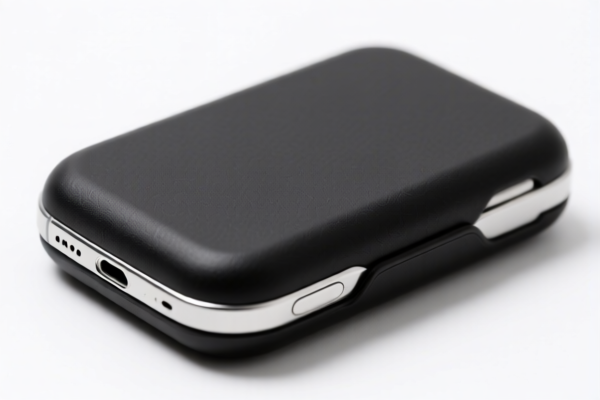
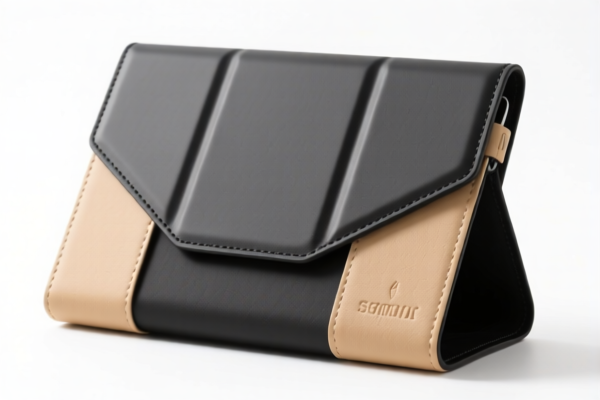
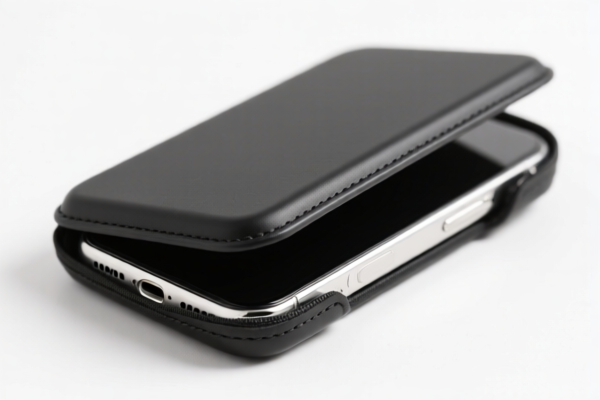
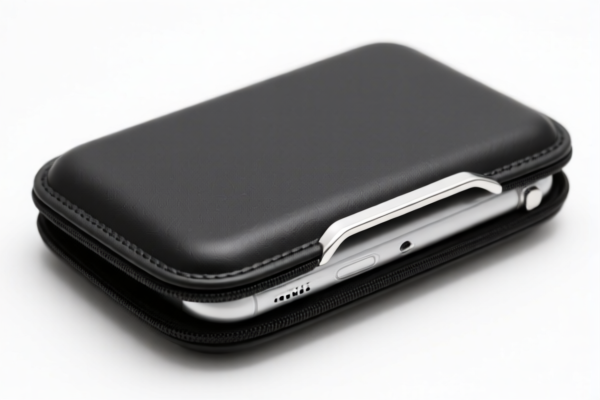
AI Analysis
📱 Cartoon Protective Cases: HS Code Classification & US Customs Clearance Guide (2026 Update)
🌐 HS Code Reference & Clearance Strategy | Latest 2026 Tariff Analysis | Professional Customs Compliance
📌 I. Product Definition: What is a "Cartoon Protective Case"?
In international trade, "Cartoon Protective Cases" are typically classified based on their primary function, material composition, and whether they are considered integral parts of communication equipment or standalone accessories.
There are two main classification paths: 1. Accessory/Case Classification (Heading 4202): The case is viewed as a standalone container or cover made of plastic or textile materials, primarily for decoration and protection, often treated as a general merchandise item. 2. Part of Communication Equipment Classification (Heading 8517): The case is viewed strictly as a "part" or "component" of a mobile phone or communication device, where the physical form is critical to the device's operation or structure.
⚠️ Key Distinction Point:
- If the case is marketed as a "fashion accessory" or "container" with cartoon designs, it leans towards 4202.
- If the case is marketed as a "technical component" or "shell" for a communication device, it leans towards 8517.
📦 II. Detailed HS Code Breakdown (2026 Latest Tariff Authority)
Based on the provided data, here are the four specific HS Codes applicable to Cartoon Protective Cases, along with their tax implications.
| HS Code | Product Description | Applicable Scenario | Material/Shape Logic |
|---|---|---|---|
| 4202.92.94.00 | Cartoon Protective Case (Accessory Type) | Marketed as a container/case accessory; made of plastic or textile materials. | Material: Plastic or Textile Form: Container/Box Component |
| 4202.92.97.00 | Cartoon Protective Case (Shell Type) | Identified as a "shell" structure; inferred material is plastic or silicone. | Material: Plastic or Silicone Form: Shell/Cover |
| 8517.79.00.00 | Plastic Protective Shell (Communication Part) | Classified as an "other part" of communication equipment; material is plastic. | Material: Plastic Function: Part of Comm. Device |
| 8517.13.00.00 | Plastic Protective Shell (Component) | Classified as a component/accessory for communication equipment; material is plastic. | Material: Plastic Function: Component/Accessory |
🔍 Critical Note:
- The choice between 4202 (General Goods) and 8517 (Electronics Parts) drastically changes the tax burden. - 4202 codes attract higher base tariffs (17.6%) but lower additional tariffs compared to the high total of 8517.79. - 8517.13 offers the most favorable base rate (0%) but still carries significant additional tariffs.
💰 III. 2026 Latest Tariff Rate Breakdown (Including Surcharges & Policies)
✅ Applicable Country: United States (US)
✅ Origin: China (CN)
✅ Effective Date: Current 2026 Tariff Schedule
🎯 1. 4202.92.94.00 & 4202.92.97.00 —— General Accessory/Shell Classification
These codes treat the case as a general consumer good (bag/case) rather than an electronic part.
| Item | Detail |
|---|---|
| Base Tariff | 17.6% (Standard MFN rate for other containers/cases of plastic/textile) |
| Section 301 Surcharge | +25.0% (USITC Footnote for Chinese goods) |
| Section 122 Tariff | +10.0% (Specific provision for certain protective articles/cases) |
| Total Tax Rate | 52.6% |
| Tax Calculation | CIF Value × 52.6% |
| De Minimis Exemption? | ❌ No (Too high for $800 threshold benefits) |
| Legal Basis Path | USITC:4202.92.94.00/97.00 → SEC301:30% (applied as 25%) → SEC122:10% |
📌 Interpretation:
- Although classified as general goods, the 17.6% base rate is high. - The 25% Section 301 and 10% Section 122 add up, resulting in a heavy 52.6% total tax. - This classification is risky for cost-saving due to the high base tariff.
🎯 2. 8517.79.00.00 —— "Other Parts" of Communication Equipment
This code classifies the plastic shell as a technical part of the communication device.
| Item | Detail |
|---|---|
| Base Tariff | 0.0% |
| Section 301 Surcharge | +7.5% (Reduced rate for certain electronic parts under specific USITC listings) |
| Section 122 Tariff | +10.0% |
| Steel/Aluminum/Copper Surcharges | +50% (If the shell contains significant metal components; otherwise 0%) |
| Total Tax Rate | 67.5% (Standard) / 117.5% (If metal components present) |
| Tax Calculation | CIF Value × 67.5% |
| De Minimis Exemption? | ❌ No |
| Legal Basis Path | USITC:8517.79.00.00 → SEC301:7.5% → SEC122:10% → SEC232:50% (if metal) |
📌 Warning:
- Despite a 0% base tariff, the 7.5% Section 301 + 10% Section 122 leads to 67.5%. - CRITICAL: If the case has metal parts (e.g., metal hinges, clips, or frames), an additional 50% tariff (Section 232) applies, pushing the total to 117.5%. Most plastic cases are 67.5%, but verify material composition carefully.
🎯 3. 8517.13.00.00 —— Components/Accessories of Communication Equipment (Lowest Base)
This is often the most optimal code if the case is strictly defined as a "part" or "component" (like a back cover or shell) rather than a general container.
| Item | Detail |
|---|---|
| Base Tariff | 0.0% |
| Section 301 Surcharge | 0.0% (Certain electronic components/accessories may be exempt or have reduced rates depending on specific USITC footnotes for this subheading) |
| Section 122 Tariff | +10.0% |
| Total Tax Rate | 10.0% |
| Tax Calculation | CIF Value × 10.0% |
| De Minimis Exemption? | ❌ No (But cost is significantly lower) |
| Legal Basis Path | USITC:8517.13.00.00 → SEC122:10% |
📌 Strategic Advantage:
- This code offers the lowest total tax rate at 10.0%. - Why? It likely benefits from 0% Base and 0% Section 301 (due to specific exclusions or lower duty bands for certain electronic accessories under 8517.13), leaving only the 10% Section 122. - Condition: Must be clearly described as a "component" or "shell part" of a phone, not a "bag" or "case."
🛠️ IV. Customs Clearance Practical Advice (Best Practices)
✅ 1. Documentation Checklist (Must-Haves)
| Document | Required? | Purpose |
|---|---|---|
| ✅ Product Specification Sheet | ✔️ | Details material (Plastic/Silicone/Textile), dimensions, and whether it has metal parts. |
| ✅ Photos of Product | ✔️ | Show "Cartoon" design, material texture, and how it fits the phone (as a shell/component). |
| ✅ Commercial Invoice | ✔️ | Crucial: Use precise language. Instead of "Cartoon Case," use "Plastic Shell Component for Mobile Communication Device, Model XYZ." |
| ✅ Packing List | ✔️ | Confirm no metal accessories are included if aiming for 8517.79 without 232 tariffs. |
| ✅ Origin Certificate (CO) | ✔️ | Mandatory for Section 301 and 122 duty assessments. |
✅ 2. Declaration Strategy (Key Tricks)
🔥 “Material Matters, Description Dictates!”
| Scenario | Recommended HS Code | Declaration Language | Tax Rate |
|---|---|---|---|
| Textile/Plastic Bag-like Case | 4202.92.94.00 |
"Textile/Plastic Protective Case for Mobile Phones" | 52.6% |
| Silicone/Plastic Shell (No Metal) | 8517.13.00.00 |
"Plastic Shell Component for Mobile Phones" | 10.0% ⭐ Best |
| Plastic Shell (Other Part) | 8517.79.00.00 |
"Other Parts of Mobile Phones, Plastic" | 67.5% |
| Shell with Metal Parts | 8517.79.00.00 |
"Plastic Shell with Metal Hinges" | 117.5% 🚫 Avoid |
📌 Pro Tip:
- To use 8517.13.00.00 (10% tax), ensure the product is described as a "Shell" or "Component" and NOT as a "Bag," "Cover," or "Case" in the general sense. - Avoid mentioning "Cartoon" in the primary description if possible, as it emphasizes the "accessory/good" nature (4202) rather than the "technical component" nature (8517).
✅ 3. Special Circumstances
| Situation | Handling Advice |
|---|---|
| Metal Components Present | Do NOT use 8517.79.00.00. It will trigger the 50% Section 232 tariff. Either remove metal parts or use a different classification. |
| Mixed Materials (Plastic + Textile) | Likely falls under 4202.92.94.00. The textile aspect pushes it towards "bags/cases" (4202) rather than "electronic parts" (8517). |
| OEM Custom Shells | Provide design files proving the product is a functional part of the phone, supporting 8517.13.00.00. |
🌍 V. Global Market Comparison (2026)
| Market | Recommended HS Code | Total Tax Rate | Key Requirement |
|---|---|---|---|
| 🇺🇸 USA | 8517.13.00.00 |
10.0% | Accurate description as "Component"; No metal. |
| 🇺🇸 USA | 4202.92.94.00 |
52.6% | If classified as "Case/Accessory." |
| 🇨🇳 China | 4202.92.94.00 |
Low | No major surcharges. |
| 🇪🇺 EU | 4202.92.94.00 |
0-6.5% | Low base rates; no Section 301/122. |
| 🇬🇧 UK | 4202.92.94.00 |
0-6.5% | Similar to EU post-Brexit. |
📌 Conclusion:
- The US market is the most challenging due to Section 301 and Section 122 tariffs. - 8517.13.00.00 (10%) is the optimal choice for US imports, but requires strict adherence to "Component/Part" classification and no metal parts.
📌 VI. Common Mistakes & Pitfalls (Learn from Others)
❌ Mistake 1: Declaring a "Plastic Shell" as "Cartoon Case"
👉 Result: Customs may classify it as 4202 (52.6%) instead of 8517 (10%).
👉 Fix: Use technical terms like "Protective Shell Component."
❌ Mistake 2: Ignoring Metal Parts in 8517.79.00.00
👉 Result: Unexpected 50% Section 232 tariff on top of 67.5%.
👉 Fix: Audit bill of materials for any metal clips, hinges, or frames.
❌ Mistake 3: Assuming De Minimis Applies
👉 Result: All these tariffs deny de minimis (below $800). You must pay taxes even on small shipments.
👉 Fix: Factor 10-67% into your landed cost calculation, regardless of shipment size.
🎯 VII. Conclusion: Professional Declaration for Cost Optimization
🎯 Key Takeaway:
🔹 "Component, Not Case: 10% vs 52%"
🔹 "No Metal in 8517.79: Save 50%"
🔹 "Describe as Shell, Not Cartoon Bag"
📌 Recommendation:
1. Choose HS Code 8517.13.00.00 for the lowest tax rate (10%).
2. Ensure the product is a plastic shell/component with no metal parts.
3. Label clearly as "Protective Shell for Mobile Phones" rather than "Cartoon Case."
4. Prepare technical specs to prove it is an accessory to the device, not a general good.
📣 Immediate Action:
📞 Consult your customs broker to confirm the "Component" vs. "Case" classification with CBP.
📄 Request a Binding Ruling if shipment volume is high.
🚀 Optimize your landed cost by choosing the right HS Code!
✨ Accurate Classification Saves Thousands!
💼 Smart Importers, Clear Customs, Lower Taxes!
Customer Reviews
About HS Code Classification
The Harmonized System (HS) is an internationally standardized nomenclature developed by the World Customs Organization (WCO) to classify traded products. Over 200 countries use the HS system as the basis for customs tariffs, trade statistics, and import/export regulations.
Each HS code follows a hierarchical structure:
- Chapter (2 digits) — Broad category of goods (e.g., Chapter 84: Machinery and Mechanical Appliances)
- Heading (4 digits) — More specific grouping within the chapter
- Subheading (6 digits) — Internationally standardized breakdown, used by all WCO member countries
- National subdivisions (8-10 digits) — Country-specific extensions for further classification, such as US HTSUS 10-digit codes
Correct HS code classification is essential for smooth customs clearance, accurate duty payment, and compliance with trade regulations. Misclassification can lead to customs delays, overpayment of duties, or penalties.
When importing from CN to US, the applicable tariff rates may include:
- Most-Favored-Nation (MFN) rate — The standard duty rate applied to WTO members
- General rate — Applied to countries without trade agreements
- Trade remedy duties — Additional tariffs such as Section 301 (anti-dumping), Section 232 (national security), or countervailing duties
The information provided on this page is for reference purposes only. For official classification, please consult with your local customs authority or a licensed customs broker.