Carving Tool
CN → US| HS Code | Tariff Rate | Origin | Destination | Doc |
|---|---|---|---|---|
| 8205511500 | 35.0% | CN | US | Official Doc |
| 8466208040 | 38.7% | CN | US | Official Doc |
| 8205303000 | 40.7% | CN | US | Official Doc |
| 8205306000 | 40.0% | CN | US | Official Doc |
| 8208906000 | 35.0% | CN | US | Official Doc |
Product Images
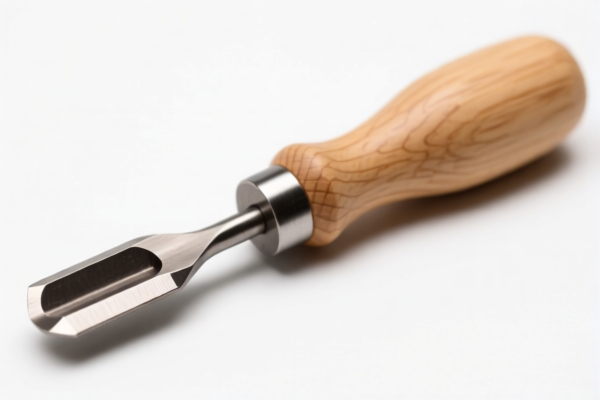
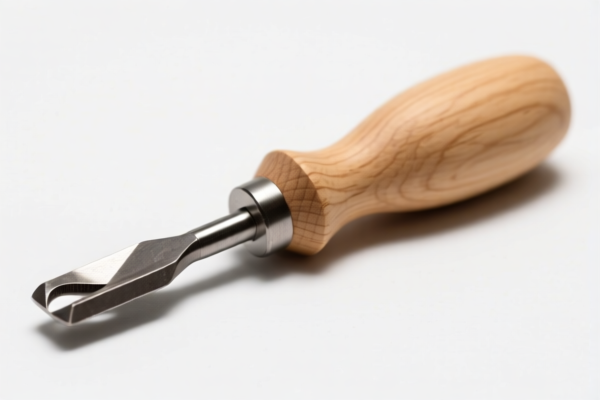
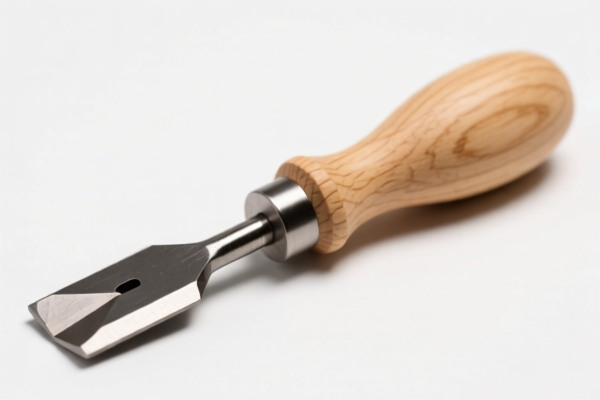
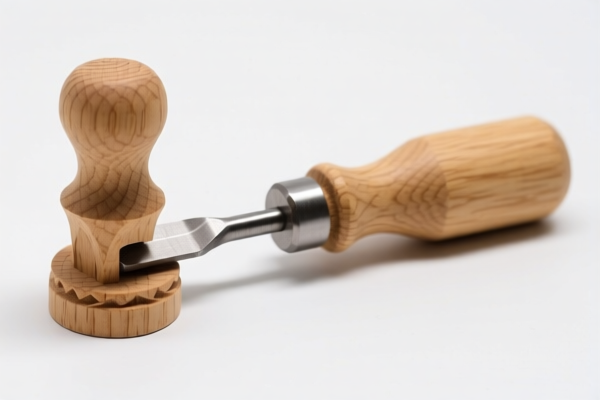
AI Analysis
🗡️ Carving Tool (Sculpting & Cutting Implements)
🌐 HS Code Reference & Customs Clearance Guide | 2026 Latest Tariff Analysis | Professional Clearance Strategy
📌 I. Product Definition: What Exactly is a "Carving Tool"?
In international trade, "Carving Tools" is a broad category that encompasses various implements used for shaping materials like wood, stone, metal, or bone. The Harmonized System (HS) classifies these not by the generic name "carving," but by their specific function, material, and technical characteristics.
Misclassification is the #1 risk here. Is it a hand tool (Chapter 82)? A machine part (Chapter 84)? Or a blade/leaf for machinery (Chapter 82)?
⚠️ Key Distinction Points:
- Hand Tools vs. Machine Parts: If the tool is held manually, it’s usually Chapter 82. If it attaches to a CNC machine or power tool as an accessory, it might fall under Chapter 84.
- Material Matters: The duty rate often hinges on whether the tool is made of steel, tungsten carbide, or other metals.
- Purpose Specificity: A tool specifically for cutting wood differs from one for general metal cutting or engraving.
📦 II. HS Code Classification Details (2026 Latest Tariff Authority Cross-Reference)
Based on the provided data, here are the 5 specific HS Codes applicable to different types of carving tools, along with their inference logic and tax implications.
| HS Code | Product Description & Inference | Application Scenario | Key Characteristic |
|---|---|---|---|
8205.51.15.00 |
Other hand tools: Specifically matched for engraving/carving. Inferred material: Iron or Steel. | Manual engraving, jewelry carving, detailed wood carving. | Manual Engraving Tool |
8466.20.80.40 |
Parts & Accessories for Machine Tools: Specifically workpiece holding devices (clamps/fixtures). Inferred material: Metal or Composite. | CNC machine fixtures, vices, chucks used to hold material during carving/cutting. | Machine Accessory (Clamping) |
8205.30.30.00 |
Cutting Tools: Specifically cutting implements. Inferred material: High-Carbon Steel or Alloy Steel. | General cutting chisels, gouges, or shears made of high-performance steel. | High-Strength Steel Cutter |
8205.30.60.00 |
Woodworking Tools: Specifically matched for processing wood. Inferred material: Metal or Woodworking-related. | Wood chisels, plane irons, gouges for carpentry. | Woodworking Specific |
8208.90.60.00 |
Knives & Cutting Blades: Specifically knives and cutting blades. Inferred material: Metal. | Industrial blades, replacement blades for carving machines, or specialized metal blades. | Blade/Leaf Type |
🔍 Critical Reminder:
- Do not assume "Carving Tool" = One HS Code.
- If it’s a manual chisel for wood, it’s likely8205.30.60.00.
- If it’s a CNC clamp holding the wood, it’s8466.20.80.40.
- If it’s a manual engraving stylus, it’s8205.51.15.00.
- Incorrect classification leads to massive tax discrepancies!
💰 III. 2026 Latest Tariff Rate Breakdown (Including Surtaxes & Policy Add-ons)
✅ Applicable Country: United States (US)
✅ Origin: China (CN)
✅ Effective Date: 2025/2026 Import Cycle
🎯 1. 8205.51.15.00 — Manual Engraving/Carving Tools (Iron/Steel)
| Item | Content |
|---|---|
| Base Tariff | 0.0% (ad valorem) |
| Section 301 Surtax | +25.0% (USITC Footnote 9903.88.01 / Section 301) |
| Section 122 Tariff | +10.0% (Specific to certain steel/metal products or policy additions) |
| Total Tax Rate | 35.0% |
| Tax Calculation | CIF Value × 35% |
| De Minimis Exemption | ❌ Not Applicable |
| Legal Basis Path | Base: 0% → 301: 25% → 122: 10% → Total: 35% |
📌 Explanation:
- This is a high-risk category for manual metal tools from China.
- Despite a 0% base rate, the 35% effective duty is significant for high-volume shipments.
🎯 2. 8466.20.80.40 — Machine Tool Accessories (Workpiece Holders/Clamps)
| Item | Content |
|---|---|
| Base Tariff | 3.7% |
| Section 301 Surtax | +25.0% |
| Section 122 Tariff | +10.0% |
| Total Tax Rate | 38.7% |
| Tax Calculation | CIF Value × 38.7% |
| De Minimis Exemption | ❌ Not Applicable |
| Legal Basis Path | Base: 3.7% → 301: 25% → 122: 10% → Total: 38.7% |
📌 Note:
- This code applies if the "carving tool" is actually a fixture or clamp for a machine.
- 38.7% is the highest rate in this dataset. Avoid misclassifying a clamp as a simple tool!
🎯 3. 8205.30.30.00 — High-Carbon Steel Cutting Tools
| Item | Content |
|---|---|
| Base Tariff | 5.7% |
| Section 301 Surtax | +25.0% |
| Section 122 Tariff | +10.0% |
| Total Tax Rate | 40.7% |
| Tax Calculation | CIF Value × 40.7% |
| De Minimis Exemption | ❌ Not Applicable |
| Legal Basis Path | Base: 5.7% → 301: 25% → 122: 10% → Total: 40.7% |
📌 Warning:
- Highest Total Tax Rate (40.7%).
- Applies if the tool is classified as a generic high-carbon steel cutter without specific woodworking or engraving designation.
- Optimization Tip: Can this be classified as "Woodworking" (8205.30.60.00) to save 0.7%? Yes, if the purpose is strictly wood.
🎯 4. 8205.30.60.00 — Woodworking Tools
| Item | Content |
|---|---|
| Base Tariff | 5.0% |
| Section 301 Surtax | +25.0% |
| Section 122 Tariff | +10.0% |
| Total Tax Rate | 40.0% |
| Tax Calculation | CIF Value × 40.0% |
| De Minimis Exemption | ❌ Not Applicable |
| Legal Basis Path | Base: 5.0% → 301: 25% → 122: 10% → Total: 40.0% |
📌 Optimization Tip:
- Saves 0.7% compared to generic steel cutters.
- If the tool is explicitly for wood processing, use this code. Provide proof of use (e.g., product photos showing wood shavings, wood-specific shape).
🎯 5. 8208.90.60.00 — Knives & Cutting Blades (Metal)
| Item | Content |
|---|---|
| Base Tariff | 0.0% |
| Section 301 Surtax | +25.0% |
| Section 122 Tariff | +10.0% |
| Total Tax Rate | 35.0% |
| Tax Calculation | CIF Value × 35.0% |
| De Minimis Exemption | ❌ Not Applicable |
| Legal Basis Path | Base: 0.0% → 301: 25% → 122: 10% → Total: 35.0% |
📌 Note:
- Same rate as Engraving Tools (35%).
- Applies if the item is a replaceable blade or a knife-style cutter rather than a handheld chisel.
- Caution: Do not use this for handheld tools; customs will reject it if it doesn’t fit "blade" definition.
🛠️ IV. Customs Clearance Practical Advice (Pitfall Avoidance Guide)
✅ 1. Documentation Checklist (Missing = Delay/Seizure)
| Document | Mandatory? | Explanation |
|---|---|---|
| ✅ Product Specifications | ✔️ | Must specify: Material (e.g., High-Carbon Steel), Use (e.g., Wood Carving), Handheld vs. Machine Part. |
| ✅ Product Photos (Clear) | ✔️ | Must show: Shape, Handle, Blade Type, and any branding/model numbers. |
| ✅ Bill of Lading/Invoice | ✔️ | Description must match HS Code logic (e.g., "Wood Chisel" for 8205.30.60.00, not generic "Tool"). |
| ✅ Material Declaration | ✔️ | Explicitly state: "Made of Iron/Steel," "Alloy Steel," etc. Crucial for Base Rate determination. |
| ✅ Use Case Evidence | ✔️ | If claiming wood-specific (8205.30.60.00), include catalog images showing wood use. |
✅ 2. Declaration Tips (Golden Rules)
🔥 "Be Specific: Don't Say 'Carving Tool,' Say WHAT It Is!"
| Scenario | Correct Declaration | Incorrect Declaration | Consequence |
|---|---|---|---|
| Manual Wood Chisel | "Hand-held Wood Carving Chisel, High-Carbon Steel" | "Carving Tool" | Customs may guess wrong → 40.7% or 38.7% instead of 40.0% |
| CNC Clamp | "Workpiece Holding Fixture for CNC Machine" | "Tool Accessory" | Risk of misclassification as Hand Tool → 35% vs 38.7% (Check logic!) |
| Engraving Stylus | "Manual Engraving Tool, Steel" | "Carving Instrument" | Correct: 35.0% |
| Replaceable Blade | "Metal Cutting Blade for Carving Machine" | "Carving Tool Part" | Correct: 35.0% (8208.90.60.00) |
✅ 3. Special Cases & Optimization
| Situation | Recommendation |
|---|---|
| OEM Custom Tools | Provide Customer Order + Design Drawings to prove specific use (e.g., wood vs. metal). |
| Set of Tools | Declare the main tool by HS Code; accessories may be bundled if properly valued. Do not split a single tool into parts. |
| Mixed Shipments | Never mix different HS Codes on one line item. Declare each type separately to ensure correct tax application. |
| Material Uncertainty | If unsure if it’s "Iron" or "Alloy Steel," provide a material test report. Misdeclaring alloy as iron can lead to penalties. |
🌍 V. Global Market Comparison (2026 Latest)
| Country/Region | Recommended HS Code (Example) | Effective Duty (China Origin) | Key Certification | Notes |
|---|---|---|---|---|
| 🇺🇸 USA | 8205.30.60.00 (Wood Chisel) |
40.0% (incl. 301 + 122) | None required for tools | High surtaxes apply; precision declaration critical. |
| 🇨🇳 China | 8205.30.60.00 |
5.0% | CCC (if applicable) | No surtaxes; much cheaper for domestic use. |
| 🇪🇺 EU | 8205.30.60.00 |
0% - 4.5% | CE (if electrical), REACH | No Section 301/122 equivalents; much more competitive. |
| 🇬🇧 UK | 8205.30.60.00 |
0% - 4.5% | UKCA | Post-Brexit tariff schedules similar to EU in many tool categories. |
| 🇯🇵 Japan | 8205.30.60.00 |
0% - 3.2% | PSE (if electric) | Low duties; EPA benefits if eligible. |
📌 Conclusion:
- USA is the most expensive market for Chinese carving tools due to 301 + 122 tariffs.
- EU/UK/Japan offer significantly better cost structures.
- Strategy: If shipping to the US, optimize HS Code selection (e.g., use8205.30.60.00for wood tools to save 0.7% vs generic steel). Every percent counts!
📌 VI. Common Mistakes & Pitfall Guide (Lessons from Blood & Tears)
❌ Mistake 1: Declaring "Carving Tool" generically without material/use details.
👉 Consequence: Customs officer chooses the highest possible duty (e.g., 40.7% instead of 35.0%).
👉 Fix: Always specify Material and Specific Use.
❌ Mistake 2: Misclassifying a Machine Fixture (8466.20.80.40) as a Hand Tool (8205.xxxx).
👉 Consequence: Risk of 38.7% vs 35.0%. While the difference is small, incorrect HS Code leads to audits and delays.
👉 Fix: Is it held by hand or attached to a machine?
❌ Mistake 3: Assuming "Woodworking" (8205.30.60.00) is always the best rate.
👉 Consequence: If the tool is for metal, using the wood code is fraud.
👉 Fix: Only use 8205.30.60.00 if the tool is exclusively for wood.
❌ Mistake 4: Ignoring the Section 122 Tariff (10%).
👉 Consequence: Underestimating total cost by 10%.
👉 Fix: Always calculate Base + 25% (301) + 10% (122).
✅ Correct Practice:
"High-Carbon Steel Wood Carving Chisel, Hand-held, Model XYZ, 6-inch blade, for woodworking only."
🎯 VII. Conclusion: Professional Classification, Cost Savings, Smooth Clearance!
🎯 Remember the Golden Rules:
🔹 "Specify Material, Define Use, Avoid Generic Terms."
🔹 "301 + 122 = 35%+ Tax; Precision is Profit."
🔹 "Wood Tools (8205.30.60.00) save 0.7% vs Generic Steel — but only if true!"
📌 Pro Tip:
If your carving tools are manufactured in Vietnam, Malaysia, or Thailand, you may qualify for IEEPA Exemptions or lower Section 301 rates.
Recommendation: Apply for an Advance Ruling from US Customs and Border Protection (CBP) if shipping high volumes. It provides legal certainty and avoids post-clearance audits.
📣 Take Action Now:
📞 Consult a licensed customs broker.
📸 Provide clear product photos and material specs.
🚀 Get the correct HS Code, pay the right tax, and clear customs smoothly!
✨ Professional Clearance Starts with Precise Classification!
💼 Your Cost Efficiency Depends on Your HS Code Choice!
Customer Reviews
About HS Code Classification
The Harmonized System (HS) is an internationally standardized nomenclature developed by the World Customs Organization (WCO) to classify traded products. Over 200 countries use the HS system as the basis for customs tariffs, trade statistics, and import/export regulations.
Each HS code follows a hierarchical structure:
- Chapter (2 digits) — Broad category of goods (e.g., Chapter 84: Machinery and Mechanical Appliances)
- Heading (4 digits) — More specific grouping within the chapter
- Subheading (6 digits) — Internationally standardized breakdown, used by all WCO member countries
- National subdivisions (8-10 digits) — Country-specific extensions for further classification, such as US HTSUS 10-digit codes
Correct HS code classification is essential for smooth customs clearance, accurate duty payment, and compliance with trade regulations. Misclassification can lead to customs delays, overpayment of duties, or penalties.
When importing from CN to US, the applicable tariff rates may include:
- Most-Favored-Nation (MFN) rate — The standard duty rate applied to WTO members
- General rate — Applied to countries without trade agreements
- Trade remedy duties — Additional tariffs such as Section 301 (anti-dumping), Section 232 (national security), or countervailing duties
The information provided on this page is for reference purposes only. For official classification, please consult with your local customs authority or a licensed customs broker.