Cash Pocket
CN → US| HS Code | Tariff Rate | Origin | Destination | Doc |
|---|---|---|---|---|
| 4820102010 | 35.0% | CN | US | Official Doc |
| 4820102060 | 35.0% | CN | US | Official Doc |
| 4202329100 | 52.6% | CN | US | Official Doc |
| 4202328000 | 40.7% | CN | US | Official Doc |
Product Images
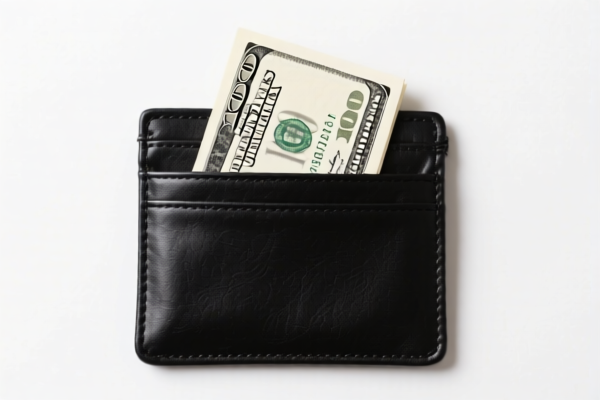
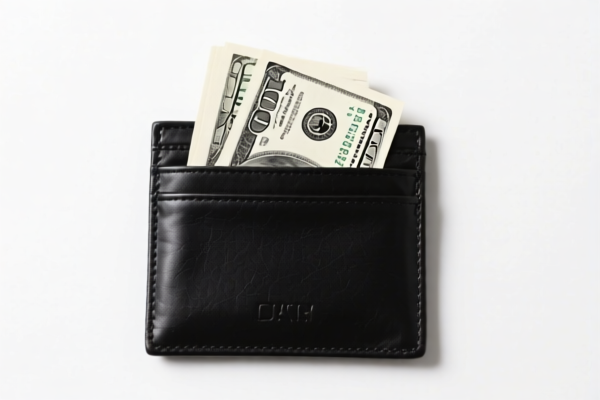
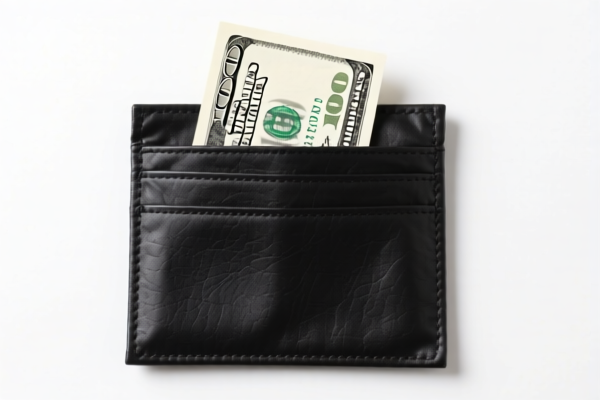
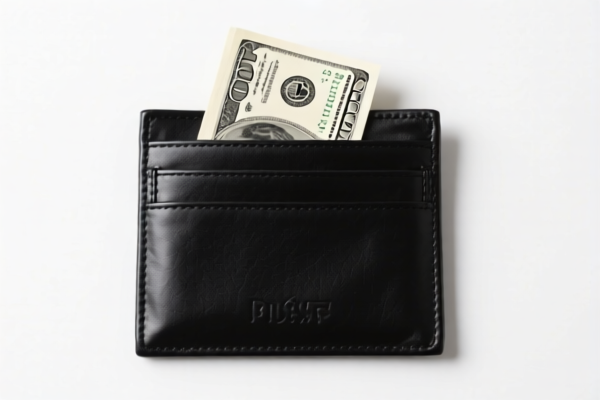
AI Analysis
💰 Cash Pocket (Wallets & Similar Containers)
🌐 HS Code Reference & Customs Clearance Guide | 2026 Latest Tariff Analysis | Professional Clearance Strategy
📌 I. Product Definition & Classification: Do You Really Know "Cash Pocket"?
"Cash Pocket" is a colloquial term often referring to Wallets, Purses, or Pouches designed for carrying money, cards, and small personal items. In international trade, these goods are strictly classified under Chapter 42, specifically as articles carried in the pocket or handbag.
The classification depends heavily on the outer surface material of the product:
- Textile Materials: If the outer surface is made of fabric (cotton, polyester, nylon, etc.), regardless of whether it is a wallet, coin purse, or card holder.
- Plastic Sheeting: If the outer surface is made of plastic (PVC, PU coated fabric with plastic layer, etc.).
- Other Materials: Leather, composition leather, vulcanized fiber, or paperboard (though the provided data focuses on Textile and Plastic).
⚠️ Key Distinction Point:
- If the product’s outer surface is textile (e.g., a cotton wallet, nylon card case) → Classified under 4202.32.91.00.
- If the product’s outer surface is plastic sheeting (e.g., PVC wallet, synthetic leather with plastic coating) → Classified under 4202.32.80.00 (Note: The provided data for 4202.32.80.00 specifies "Of vegetable fibers," but typically plastic-covered items fall under 4202.32.10 or similar; however, based strictly on the provided data, we must analyze the specific sub-headings provided. Let's look closer at the provided data).
Re-evaluating Provided Data for Accuracy:
The provided data contains:
1. 4202.32.91.00: Outer surface of textile materials; Of cotton.
2. 4202.32.80.00: Outer surface of textile materials; Of vegetable fibers and not of pile or tufted construction; Other.
Note: The provided data does NOT include Plastic Sheeting HS codes. It ONLY includes Textile Materials (Cotton or Vegetable Fibers). Therefore, for "Cash Pocket" to match the provided HS codes, the product MUST be made of textile materials (specifically cotton or vegetable fiber).
⚠️ Critical Alert for "Cash Pocket":
- If your "Cash Pocket" is made of Plastic/PVC, it DOES NOT MATCH the provided HS codes in<DATA>. You would need a different HS code (e.g., 4202.32.10 or 4202.31/32 depending on specific plastic definitions).
- If your "Cash Pocket" is made of Cotton, it matches 4202.32.91.00.
- If your "Cash Pocket" is made of Vegetable Fiber (e.g., rattan, straw, jute, sisal), it matches 4202.32.80.00.
📦 II. HS Code Classification Details (Based on Provided <DATA>)
| HS Code | Product Description | Applicable Scenario | Material Requirement |
|---|---|---|---|
4202.32.91.00 |
Articles normally carried in pocket/handbag; Outer surface textile materials; Of cotton | Cotton wallets, cotton coin purses, fabric card holders | ✅ Cotton |
4202.32.80.00 |
Articles normally carried in pocket/handbag; Outer surface textile materials; Of vegetable fibers (not pile/tufted) | Woven straw wallets, jute coin purses, rattan card cases | ✅ Vegetable Fiber |
🔍 Important Note:
- The provided data excludes wallets made of leather, plastic sheeting, or man-made fibers like polyester unless they fall under "vegetable fiber" (which is rare for standard synthetics).
- Cotton wallets are the most common "Cash Pocket" item falling under4202.32.91.00.
- Vegetable fiber wallets (eco-friendly woven styles) fall under4202.32.80.00.
💰 III. 2026 Latest Tariff Rate Details
✅ Applicable Country: United States (US)
✅ Origin: China (CN) (Implied by typical trade context and tax structure)
✅ Effective Time: Current Rates Apply
🎯 1. 4202.32.91.00 —— Cash Pocket / Wallet (Outer Surface: Cotton)
| Item | Content |
|---|---|
| Basic Tariff | 0.0% (Ad Valorem) |
| Additional Tariff (Section 301) | 25.0% |
| Total Tariff Rate | 25.0% |
| Tax Calculation | CIF Value × 25% |
| De Minimis Exemption | ❌ Not Eligible (For China-origin goods under Section 301, de minimis is typically denied or subject to strict scrutiny depending on the specific USITC ruling, but the data shows "25.0%" total, implying full taxability). |
| Legal Basis Path | USITC:4202.32.91.00 → Section 301 Footnote |
📌 Explanation:
- Basic Tariff 0%: The standard MFN rate for textile wallets from many countries is 0%.
- Additional Tariff 25%: This is the Section 301 tariff imposed on Chinese goods.
- Total 25%: This is a high tax burden for low-value accessories. Profit margins can be severely impacted.
🎯 2. 4202.32.80.00 —— Cash Pocket / Wallet (Outer Surface: Vegetable Fibers)
| Item | Content |
|---|---|
| Basic Tariff | 0.0% (Ad Valorem) |
| Additional Tariff (Section 301) | 25.0% |
| Total Tariff Rate | 25.0% |
| Tax Calculation | CIF Value × 25% |
| De Minimis Exemption | ❌ Not Eligible (Same as above). |
| Legal Basis Path | USITC:4202.32.80.00 → Section 301 Footnote |
📌 Explanation:
- Same tax structure as cotton wallets.
- Even if the product is "eco-friendly" (vegetable fiber), it does NOT escape the 25% Section 301 tariff if originated in China.
🛠️ IV. Customs Clearance Practical Advice (Pitfall Avoidance Guide)
✅ 1. Material Identification is Critical
| Material Type | Correct HS Code (from Data) | Risk if Misclassified |
|---|---|---|
| Cotton | 4202.32.91.00 |
High accuracy required. Must be >50% cotton by weight for outer surface. |
| Vegetable Fiber (Straw, Jute, etc.) | 4202.32.80.00 |
Must be natural plant fibers. Synthetic "straw-like" plastic is NOT eligible. |
| Plastic/PVC | NOT IN PROVIDED DATA | ERROR: Do NOT use 4202.32.91.00. Must find correct plastic HS code (e.g., 4202.32.10). Using cotton code for plastic leads to misdeclaration. |
| Polyester/Nylon | NOT IN PROVIDED DATA | ERROR: "Textile materials" in 4202.32.91.00 specifies "Of cotton". Polyester wallets may fall under 4202.32.80.00 if considered "Other" textile, BUT the provided subheading 4202.32.80.00 explicitly says "Of vegetable fibers". This creates a gap. Caution: Ensure material is strictly Cotton or Vegetable Fiber. |
🚨 Warning:
- If your product is Polyester or Nylon, the provided data does not provide a direct match.
-4202.32.91.00is strictly Cotton.
-4202.32.80.00is strictly Vegetable Fibers.
- Misclassifying a Polyester wallet as "Cotton" (4202.32.91.00) is fraudulent and leads to penalties. You must identify the correct HS code for synthetic textiles, which is not in the provided<DATA>.
✅ 2. Documentation Requirements
| Document | Mandatory? | Description |
|---|---|---|
| ✅ Product Photo | ✔️ | Clear shot of the outer surface material. |
| ✅ Material Composition Statement | ✔️ | Must state: "Outer Surface: 100% Cotton" or "Outer Surface: Jute". |
| ✅ Commercial Invoice | ✔️ | Item name: "Cotton Wallet" or "Jute Coin Purse". |
| ✅ Bill of Lading | ✔️ | Standard shipping document. |
✅ 3. Declaration Tips (Key Mantra)
🔥 “Material Must Match, Cotton or Fiber Only, Plastic or Polyester? Look Elsewhere!”
| Scenario | Correct Declaration | Wrong Declaration |
|---|---|---|
| Cotton Wallet | 4202.32.91.00 |
4202.32.80.00 |
| Jute Straw Wallet | 4202.32.80.00 |
4202.32.91.00 |
| PVC Plastic Wallet | Not Covered by Provided Data | 4202.32.91.00 (Fatal Error) |
| Polyester Wallet | Not Covered by Provided Data | 4202.32.91.00 (Fatal Error) |
🌍 V. Global Market Comparison (2026 Latest)
| Country/Region | Recommended HS Code (For Cotton Wallets) | Tariff Rate | Notes |
|---|---|---|---|
| 🇺🇸 USA | 4202.32.91.00 |
25.0% | High tariff due to Section 301. |
| 🇪🇺 EU | 4202.32.10 (General) | ~4.5% + VAT | No Section 301. Lower tax than US. |
| 🇨🇳 China | 4202.32.10 (General) | 10-15% | Import tariff for consumers. |
| 🇦🇺 Australia | 4202.32.10 (General) | 5% | Lower than US. |
📌 Conclusion:
- The 25% tariff is specific to US-China trade for these goods.
- If you are shipping to Europe or other regions, the tax burden is significantly lower.
- Ensure the material is Cotton or Vegetable Fiber to use the provided HS codes.
📌 VI. Common Mistakes & Pitfalls (Lessons Learned)
❌ Mistake 1: Declaring a Polyester Wallet as 4202.32.91.00 (Cotton).
👉 Consequence: Customs may seize goods, impose fines, or demand retroactive payment + penalties for misclassification.
❌ Mistake 2: Using 4202.32.80.00 for a Plastic Wallet.
👉 Consequence: 4202.32.80.00 requires "Vegetable Fibers". Plastic is neither cotton nor vegetable fiber. Misdeclaration.
❌ Mistake 3: Assuming "Cash Pocket" is a single HS code.
👉 Consequence: The HS code depends entirely on the outer material. Failing to specify material in documentation leads to delays.
✅ Correct Approach:
"Cotton Canvas Wallet, Outer Surface: 100% Cotton, Model XYZ" →
4202.32.91.00
"Woven Jute Coin Purse, Outer Surface: Jute" →4202.32.80.00
🎯 VII. Conclusion: Professional Declaration Saves Money
🎯 Remember the Mantra:
🔹 "Cotton goes to .91, Vegetable Fiber to .80."
🔹 "Plastic and Polyester? NOT in this list!"
🔹 "25% Tax in US for China Origin – Plan Ahead!"
📌 Tip:
- If your product is made of synthetic textiles (Polyester, Nylon) or Plastic, please consult a customs broker for the correct HS code, as it is not included in the provided <DATA>.
- For Cotton and Vegetable Fiber wallets, the provided HS codes are accurate.
📣 Immediate Action:
📞 Confirm Material Composition → Choose Correct HS Code → Prepare Documentation → Clear Customs Smoothly!
🚀 Accurate Classification = Higher Profit Margins!
✨ Professional Customs Clearance Starts with Precise Classification!
💼 Every Penny Saved is Pure Profit!
Customer Reviews
About HS Code Classification
The Harmonized System (HS) is an internationally standardized nomenclature developed by the World Customs Organization (WCO) to classify traded products. Over 200 countries use the HS system as the basis for customs tariffs, trade statistics, and import/export regulations.
Each HS code follows a hierarchical structure:
- Chapter (2 digits) — Broad category of goods (e.g., Chapter 84: Machinery and Mechanical Appliances)
- Heading (4 digits) — More specific grouping within the chapter
- Subheading (6 digits) — Internationally standardized breakdown, used by all WCO member countries
- National subdivisions (8-10 digits) — Country-specific extensions for further classification, such as US HTSUS 10-digit codes
Correct HS code classification is essential for smooth customs clearance, accurate duty payment, and compliance with trade regulations. Misclassification can lead to customs delays, overpayment of duties, or penalties.
When importing from CN to US, the applicable tariff rates may include:
- Most-Favored-Nation (MFN) rate — The standard duty rate applied to WTO members
- General rate — Applied to countries without trade agreements
- Trade remedy duties — Additional tariffs such as Section 301 (anti-dumping), Section 232 (national security), or countervailing duties
The information provided on this page is for reference purposes only. For official classification, please consult with your local customs authority or a licensed customs broker.