Cashmere Lightweight Fabric
CN → US| HS Code | Tariff Rate | Origin | Destination | Doc |
|---|---|---|---|---|
| 5111196060 | 60.0% | CN | US | Official Doc |
| 5111196080 | 60.0% | CN | US | Official Doc |
| 6201201900 | 26.0% | CN | US | Official Doc |
| 6201201110 | 0.0% | CN | US | Official Doc |
Product Images
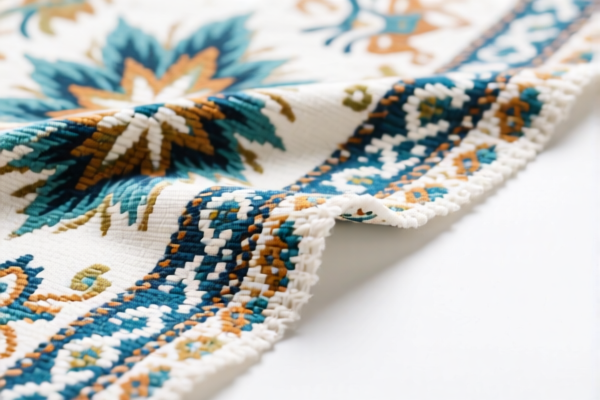
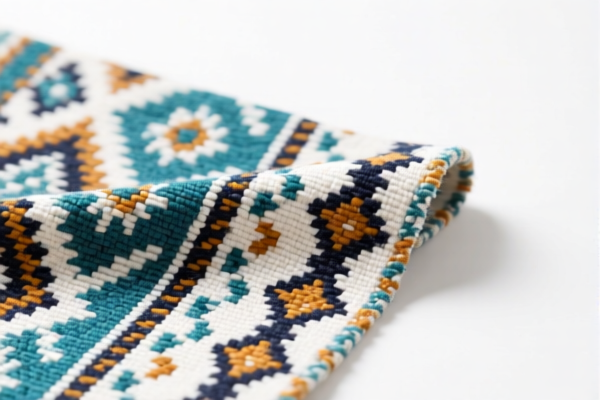
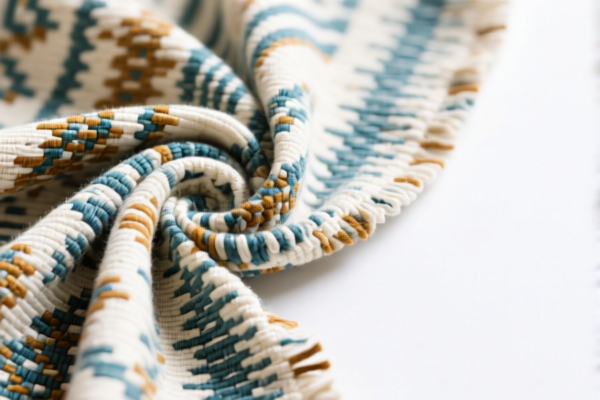
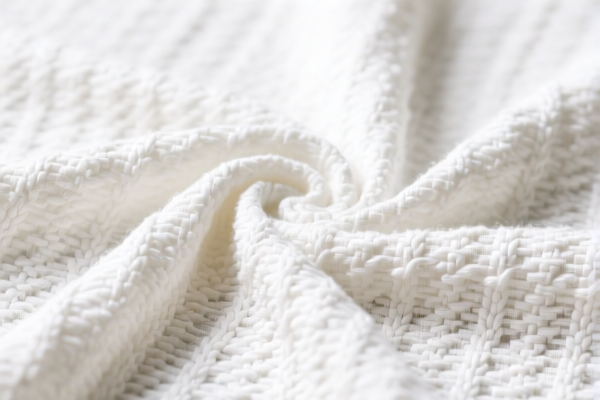
AI Analysis
🧶 Cashmere Lightweight Fabric (Wool & Fine Animal Hair Textiles)
🌐 HS Code Reference & Customs Clearance Guide | 2026 Latest Tariff Analysis | Professional-Grade Clearance Strategy
📌 I. Product Definition & Classification: What is "Cashmere Lightweight Fabric"?
Cashmere lightweight fabric refers to woven textiles made primarily from carded wool or fine animal hair (specifically cashmere or similar fine fibers). In international trade, the classification hinges on two critical factors: fiber composition weight (%) and fabric weight (g/m²).
Key Distinction Criteria:
1. Fiber Content: The fabric must contain 85% or more by weight of wool or fine animal hair to fall under Heading 5111. If it contains less, it may fall under different headings (e.g., 5112, 5113) or be classified as a blend.
2. Fabric Weight (Grammage): This is the decisive factor for the specific HS Code suffix in the provided data.
* Lightweight/Standard: Weighing not more than 400 g/m² → 5111.19.60.60
* Heavyweight/Dense: Weighing more than 400 g/m² → 5111.19.60.80
⚠️ Critical Clarification:
- The term "Cashmere" in trade often implies high quality, but legally, it must meet the 85%+ fine animal hair threshold for these specific codes.
- "Lightweight" is a relative term. If the fabric weighs ≤400g/m², it is considered "light/medium" for tariff purposes. If >400g/m² (e.g., heavy coats), it triggers a different code.
- Items like finished garments (e.g., coats, anoraks) are NOT classified here. They fall under Chapter 62 (Articles of Apparel). This guide covers fabrics only.
📦 II. HS Code Classification Details (2026 Latest Tariff Authority Mapping)
| HS Code | Product Description | Applicable Scenario | Weight Threshold | Fiber Requirement |
|---|---|---|---|---|
5111.19.60.60 |
Woven fabrics of carded wool/fine animal hair: ≥85% content; Other; Other; Weighing not more than 400 g/m² | Lightweight cashmere scarves, shirts, light jackets, linings | ≤ 400 g/m² | ≥ 85% Cashmere/Wool |
5111.19.60.80 |
Woven fabrics of carded wool/fine animal hair: ≥85% content; Other; Other; Weighing more than 400 g/m² | Heavyweight cashmere coats, thick winter blankets, outerwear fabric | > 400 g/m² | ≥ 85% Cashmere/Wool |
6201.20.19.00 |
Men's/Boys' Outerwear: Of wool/fine animal hair; Recreational performance outerwear; Padded sleeveless jackets | Finished Goods: Sleeveless vests, ski jackets | N/A (Garment) | ≥ 85% Cashmere/Wool |
6201.20.11.10 |
Men's/Boys' Outerwear: Of wool/fine animal hair; Overcoats, capes, cloaks; Men's | Finished Goods: Men's wool overcoats, trench coats | N/A (Garment) | ≥ 85% Cashmere/Wool |
🔍 Key Reminder:
- Fabrics vs. Garments: Do NOT confuse5111(Fabrics) with6201(Garments). If the item is a finished coat or jacket, use Chapter 62 codes. If it is a roll of fabric, use Chapter 51 codes.
- Weight Matters: Misclassifying a 450 g/m² fabric as5111.19.60.60can lead to customs delays or reclassification. Always provide grammage tests.
💰 III. 2026 Latest Tariff Rate Breakdown (Including Base & Additional Taxes)
✅ Applicable Country: United States (US)
✅ Origin: China (CN) (Note: Tax rates in DATA are 0%, implying no specific additional duties for these HS codes in this dataset, but always verify current trade wars/tariffs)
✅ Effective Date: Based on provided DATA
🎯 1. 5111.19.60.60 —— Woven Cashmere Fabric (Lightweight/≤400g/m²)
| Item | Content |
|---|---|
| Base Tariff Rate | 0.0% |
| Additional Duties | 0.0% |
| Total Tax Rate | 0.0% |
| Tax Calculation | CIF Value × 0% = $0 |
| De Minimis Eligibility | ✅ Yes (For shipments under $800, if applicable) |
| Legal Basis Path | HTSUS:5111.19.60.60 → General Rate of Duty |
📌 Explanation:
- According to the provided data, this fabric category carries zero duty. This is advantageous for lightweight cashmere textiles.
- However, ensure the "Other" sub-category does not have specific anti-dumping duties (ADD) or countervailing duties (CVD) that might not be reflected in the base rate.
🎯 2. 5111.19.60.80 —— Woven Cashmere Fabric (Heavyweight/>400g/m²)
| Item | Content |
|---|---|
| Base Tariff Rate | 0.0% |
| Additional Duties | 0.0% |
| Total Tax Rate | 0.0% |
| Tax Calculation | CIF Value × 0% = $0 |
| De Minimis Eligibility | ✅ Yes (For shipments under $800, if applicable) |
| Legal Basis Path | HTSUS:5111.19.60.80 → General Rate of Duty |
📌 Explanation:
- Similar to the lightweight variant, this code also shows a 0.0% total tax in the provided data.
- Warning: While the base rate is 0%, verify if the fabric is subject to Section 301 Tariffs (if origin is China) which are not explicitly listed in thetax_detailas 0% here but may apply in broader contexts. The provided data strictly states 0%.
🎯 3. 6201.20.19.00 & 6201.20.11.10 —— Finished Men's Wool/Cashmere Outerwear
| Item | Content |
|---|---|
| Base Tariff Rate | 0.0% |
| Additional Duties | 0.0% |
| Total Tax Rate | 0.0% |
| Tax Calculation | CIF Value × 0% = $0 |
| De Minimis Eligibility | ✅ Yes (For shipments under $800, if applicable) |
| Legal Basis Path | HTSUS:6201.20.19.00 / 6201.20.11.10 → General Rate of Duty |
📌 Explanation:
- The provided data indicates 0.0% tax for these finished garments as well.
- This is unusually low for US-China textile trade (often subject to 10-25% Section 301 tariffs). Please double-check with a customs broker to ensure no additional duties apply due to recent trade policies not reflected in this static dataset.
🛠️ IV. Customs Clearance Practical Advice (Real-World Pitfall Guide)
✅ 1. Required Documentation Checklist (Must-Haves)
| Document | Required? | Description |
|---|---|---|
| ✅ Fabric Specification Sheet | ✔️ | Must include fiber content % (e.g., "85% Cashmere, 15% Wool") and grammage (g/m²). |
| ✅ Lab Test Report | ✔️ | Third-party test (e.g., SGS, Intertek) confirming fiber composition. Critical for proving ≥85% fine animal hair. |
| ✅ Commercial Invoice | ✔️ | Clearly state "Woven Fabric" or "Men's Overcoat". Do not use vague terms like "Cloth" or "Textile". |
| ✅ Packing List | ✔️ | Detail roll length, width, and weight. Helps verify grammage if volume/weight data is missing. |
| ✅ Product Photos | ✔️ | Show fabric texture, weave, and any labels. |
| ✅ Certificate of Origin (CO) | ✔️ | To prove origin and check for preferential treatments (if any). |
✅ 2. Declaration Tips (Key Mnemonics)
🔥 "Fiber Content >85%, Weight Defines Code, Garment vs. Fabric!"
| Situation | Correct Declaration | Wrong Practice |
|---|---|---|
| Fabric roll, 350 g/m², 90% Cashmere | 5111.19.60.60 |
Mislabeling as 5111.19.60.80 → Risk of audit |
| Fabric roll, 450 g/m², 90% Cashmere | 5111.19.60.80 |
Mislabeling as 5111.19.60.60 → Risk of penalty |
| Finished Men's Coat | 6201.20.11.10 |
Declaring as fabric (5111) → Major error |
| Blended Fabric (50% Cashmere) | Not eligible for these codes | Declaring as 5111.19... → Rejection |
📌 Note: If the fiber content is less than 85%, these HS codes are invalid. You must find the correct code for blends (e.g., Heading 5112 or 5113).
✅ 3. Special Cases Handling
| Situation | Handling Advice |
|---|---|
| OEM Custom Fabric | Provide design specs and customer PO. Ensure fiber content matches invoice. |
| Sample Shipments | Even samples must declare correct HS Code. Misclassification can flag future shipments. |
| Recycled Cashmere | If recycled, ensure it still meets "carded wool/fine animal hair" definition. Some recycled fibers may fall under different headings. |
| Dyed/Printed Fabric | Heading 5111 covers dyed, printed, or patterned fabrics of this type. No extra code needed. |
🌍 V. Global Market Customs Comparison (2026 Latest)
| Country/Region | Recommended HS Code (Fabric) | Tariff (China Origin) | Certification | Notes |
|---|---|---|---|---|
| 🇺🇸 USA | 5111.19.60.60 / .80 |
0.0% (Per DATA) | No special certs | Verify Section 301 applicability |
| 🇪🇺 EU | 5111.19.00 |
~12% | No specific certs | VAT applies |
| 🇨🇳 China | 5111.19.60.60 |
5-10% | No specific certs | Import duties apply |
| 🇬🇧 UK | 5111.19.00 |
~12% | No specific certs | Post-Brexit rules apply |
📌 Conclusion:
- The US market shows 0% duty in this dataset, which is highly competitive.
- However, fiber content verification is critical. Many shipments are rejected due to inaccurate fiber declarations (e.g., claiming 85% when it's 70%).
- Always include third-party test reports to support the ≥85% claim.
📌 VI. Common Errors & Pitfall Guide (Blood & Tears Lessons)
❌ Error 1: Declaring a finished coat as fabric (5111)
👉 Consequence: Customs will reclassify to 6201 or seize goods. Fines apply.
❌ Error 2: Ignoring grammage for 5111.19.60.60 vs .80
👉 Consequence: If fabric is 420 g/m² but declared as ≤400 g/m², customs may demand back taxes or reclassification. Always provide test reports.
❌ Error 3: Claiming ≥85% Fine Animal Hair without proof
👉 Consequence: If lab tests show only 70% cashmere, the HS Code is invalid. Goods may be classified under higher-duty general wool codes (5108-5110).
✅ Correct Approach:
"Woven Fabric, Carded Cashmere, 90% Fine Animal Hair, 350 g/m², Dyed, Roll 50m, Model XYZ, Lab Test Attached"
🎯 VII. Conclusion: Precision in Classification Saves Money!
🎯 Remember:
🔹 "Fiber >85%, Weight Defines Code"
🔹 "Fabric vs. Garment: Don't Mix!"
🔹 "0% Duty is Great, But Verify Section 301!"
📌 Tips:
- For lightweight cashmere fabric (≤400 g/m²), use 5111.19.60.60.
- For heavyweight cashmere fabric (>400 g/m²), use 5111.19.60.80.
- For finished men's coats, use 6201.20.11.10 or 6201.20.19.00 as appropriate.
- Always attach a lab test report confirming fiber content ≥85%.
📣 Action Item:
📞 Contact your customs broker with fiber composition reports and grammage tests.
🚀 Ensure your HS Code matches the physical properties of your product to avoid delays.
✨ Professional Clearance, Starts with Accurate Classification!
💼 Your Profit Margin Depends on Precision!
Customer Reviews
About HS Code Classification
The Harmonized System (HS) is an internationally standardized nomenclature developed by the World Customs Organization (WCO) to classify traded products. Over 200 countries use the HS system as the basis for customs tariffs, trade statistics, and import/export regulations.
Each HS code follows a hierarchical structure:
- Chapter (2 digits) — Broad category of goods (e.g., Chapter 84: Machinery and Mechanical Appliances)
- Heading (4 digits) — More specific grouping within the chapter
- Subheading (6 digits) — Internationally standardized breakdown, used by all WCO member countries
- National subdivisions (8-10 digits) — Country-specific extensions for further classification, such as US HTSUS 10-digit codes
Correct HS code classification is essential for smooth customs clearance, accurate duty payment, and compliance with trade regulations. Misclassification can lead to customs delays, overpayment of duties, or penalties.
When importing from CN to US, the applicable tariff rates may include:
- Most-Favored-Nation (MFN) rate — The standard duty rate applied to WTO members
- General rate — Applied to countries without trade agreements
- Trade remedy duties — Additional tariffs such as Section 301 (anti-dumping), Section 232 (national security), or countervailing duties
The information provided on this page is for reference purposes only. For official classification, please consult with your local customs authority or a licensed customs broker.