Casings Repair Material
CN → US| HS Code | Tariff Rate | Origin | Destination | Doc |
|---|---|---|---|---|
| 3926909600 | 35.0% | CN | US | Official Doc |
| 3926909989 | 22.8% | CN | US | Official Doc |
| 4016990300 | 38.0% | CN | US | Official Doc |
| 4016996050 | 37.5% | CN | US | Official Doc |
| 7307199080 | 41.2% | CN | US | Official Doc |
| 7307995060 | 89.3% | CN | US | Official Doc |
Product Images
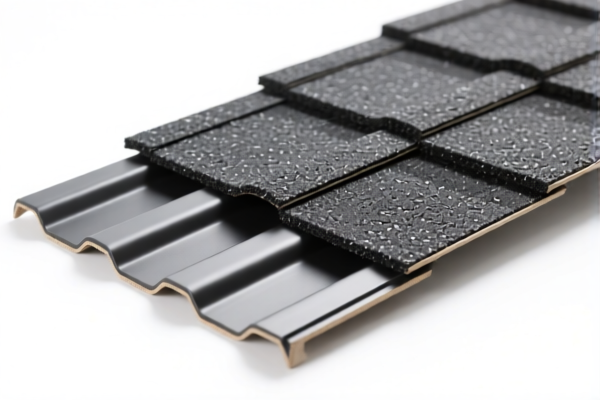
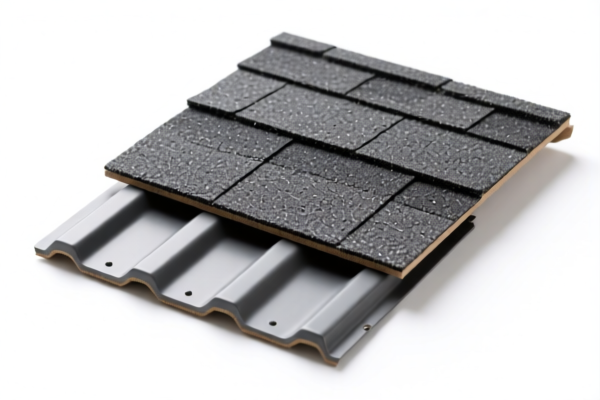
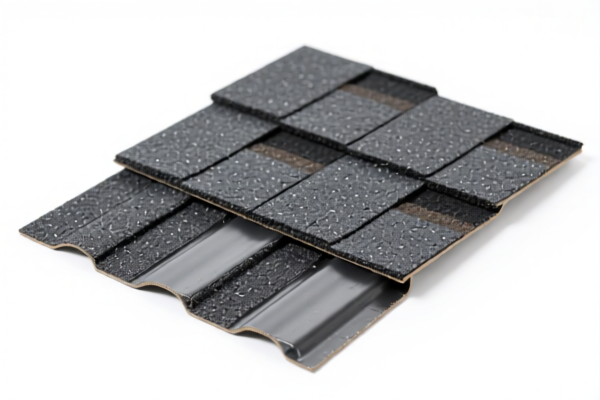
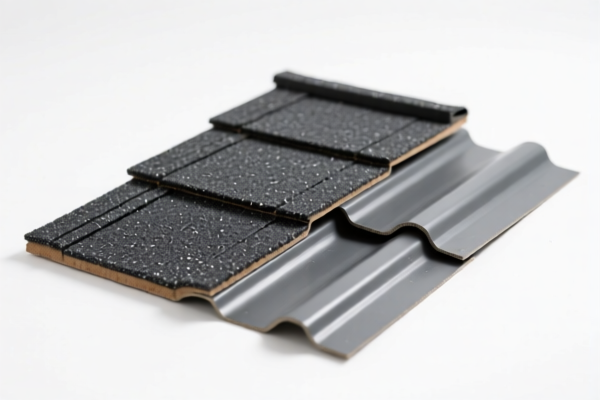
AI Analysis
🛠️ Casings Repair Material (Sealing, Coupling & Fitting Repair Systems)
🌐 HS Code Reference & Customs Clearance Guide | 2026 Latest Tariff Analysis | Professional-Level Compliance Strategy
📌 I. Product Definition & Classification: Do You Really Understand "Casings Repair Materials"?
"Case repair materials" is a broad term in industrial maintenance, covering everything from rubber sealing components and plastic cable housings to steel pipe fittings used for leak detection, pressure restoration, and structural repair of casing systems (oil & gas, water pipelines, or industrial machinery).
In international trade, these are rarely classified under a single "repair" heading. Instead, they are categorized by their material composition and specific function. Misclassification here leads to severe tariff penalties (up to 54.3%) due to the complex interplay of general duties, Section 301 tariffs, and Section 232 aluminum/steel duties.
⚠️ Critical Distinction:
- If the item is a container/packing material made of vulcanized rubber → It falls under 4016.99.03.00 (Lowest Risk).
- If it is a structural fitting made of cast iron/steel → It falls under 7307.19.90.80 (Highest Risk - 31.2%).
- If it is a plastic cable casing → It falls under 3926.90.96.00 (Zero Risk).
- If it is a generic plastic part → It falls under 3926.90.99.89 (Medium Risk - 12.8%).
📦 II. HS Code Classification Details (2026 Latest Tariff Authority对照)
| HS Code | Product Description | Applicable Scenario | Risk Level |
|---|---|---|---|
4016.99.03.00 |
Other articles of vulcanized rubber other than hard rubber: Containers, with or without closures, of a kind used for packing, transporting, or marketing of merchandise | Rubber repair kits packaged in specific rubber/plastic containers; Rubber gaskets/casings if viewed as packing components | 🟢 LOW (0% Total) |
4016.99.60.50 |
Other articles of vulcanized rubber other than hard rubber: Other: Other: Other: Other: Other Other | General rubber repair patches, seals, or non-specific rubber articles not fitting packing descriptions | 🟢 LOW (0% Total) |
7307.19.90.80 |
Tube or pipe fittings (e.g., couplings, elbows, sleeves) of iron or steel: Cast fittings: Other: Other Other: Other: Other | High-Risk: Cast iron/steel pipe couplings, elbows, or sleeves used for repairing pipeline casings | 🔴 HIGH (31.2% Total) |
7307.99.50.60 |
Tube or pipe fittings of iron or steel: Other: Other: Other Of alloy steel (except stainless steel) | Very High Risk: Alloy steel (non-stainless) fittings, couplings, or sleeves for casing repair | 🔴🔴 CRITICAL (54.3% Total) |
3926.90.96.00 |
Other articles of plastics: Casing for bicycle derailleur cables; and casing for cable or inner wire for caliper and cantilever brakes | Plastic cable conduits, wire casings, or brake cable housings used in mechanical casing repairs | 🟢 LOW (0% Total) |
3926.90.99.89 |
Other articles of plastics: Other | Generic plastic repair parts, brackets, or casings not specifically described elsewhere | 🟡 MEDIUM (12.8% Total) |
🔍 Key Reminder:
- Steel/Iron Fittings (7307) are subject to Section 301 (China +25%) AND potentially Section 232 (Steel/Aluminum +50% or +25%). This creates a stacked tariff burden.
- Rubber (4016) and Specific Plastic (3926.90.96) items often enjoy 0% total tax, making them preferred classification targets if the product description allows.
- Generic Plastic (3926.90.99) incurs a 12.8% total tax, which is manageable but higher than specific exempt categories.
💰 III. 2026 Latest Tariff Rate Breakdown (Including Surcharges & Policy Add-ons)
✅ Applicable Country: USA (US)
✅ Origin: China (CN) (Note: Rates reflect China-origin goods under current trade policies)
✅ Effective Date: Post-2025 Policies (Section 301 & 232 Active)
🎯 1. 4016.99.03.00 & 4016.99.60.50 —— Vulcanized Rubber Articles
| Item | Content |
|---|---|
| Base Duty | 0.0% |
| Section 301 Surcharge | 0.0% |
| Total Tax Rate | 0.0% |
| Tax Calculation | CIF Value × 0.0% = $0 |
| De Minimis Eligibility | ✅ Yes (If under $800, usually exempt from duty entirely) |
| Legal Basis Path | HTSUS Chapter 40 → No specific Footnote 301 surcharge for these subheadings |
📌 Explanation:
- Rubber repair materials, if classified under these specific packing or "other" subheadings, are not subject to the 25% Section 301 tariff.
- Strategy: Ensure the product is clearly described as "Rubber Container" or "Other Rubber Article" and not "Rubber Gasket for Steel Pipe" (which might be reclassified).
🎯 2. 3926.90.96.00 —— Plastic Cable/Brake Casings
| Item | Content |
|---|---|
| Base Duty | 0.0% |
| Section 301 Surcharge | 0.0% |
| Total Tax Rate | 0.0% |
| Tax Calculation | CIF Value × 0.0% = $0 |
| De Minimis Eligibility | ✅ Yes |
| Legal Basis Path | HTSUS 3926.90.96 → Exempt from Section 301 |
📌 Explanation:
- Specific plastic casings for cables (bicycle, brake, derailleur) are duty-free even from China.
- Strategy: If the "casing repair material" is a plastic conduit for wires/cables, insist on this HS Code. Do not use the generic "Other Plastic Parts" code.
🎯 3. 3926.90.99.89 —— Other Plastic Articles
| Item | Content |
|---|---|
| Base Duty | 5.3% |
| Section 301 Surcharge | 7.5% |
| Total Tax Rate | 12.8% |
| Tax Calculation | CIF Value × 12.8% |
| De Minimis Eligibility | ❌ No (Section 301 items excluded from de minimis) |
| Legal Basis Path | HTSUS 3926.90.99.89 → Subject to Footnote 301 (7.5%) |
📌 Explanation:
- Generic plastic repair parts not fitting specific descriptions fall here.
- Strategy: Avoid this code if possible. Try to justify a more specific description (e.g., "casing" for a cable) to fall under3926.90.96.00.
🎯 4. 7307.19.90.80 —— Cast Iron/Steel Pipe Fittings
| Item | Content |
|---|---|
| Base Duty | 6.2% |
| Section 301 Surcharge | 25.0% |
| Total Tax Rate | 31.2% |
| Tax Calculation | CIF Value × 31.2% |
| De Minimis Eligibility | ❌ No |
| Legal Basis Path | HTSUS 7307.19.90.80 → Footnote 301 (25%) |
📌 Explanation:
- Cast steel/iron fittings are heavily taxed.
- Strategy: Essential for pipeline repair. Budget for 31.2% total duty. No exemptions apply.
🎯 5. 7307.99.50.60 —— Alloy Steel (Non-Stainless) Pipe Fittings
| Item | Content |
|---|---|
| Base Duty | 4.3% |
| Section 301 Surcharge | 0.0% |
| Section 232 Duty (Steel) | 50.0% (Note: "Steel, Aluminum, Copper Products Additional Duty: 50%") |
| Total Tax Rate | 54.3% |
| Tax Calculation | CIF Value × 54.3% |
| De Minimis Eligibility | ❌ No |
| Legal Basis Path | HTSUS 7307.99.50.60 → Section 232 (50%) + Base (4.3%) |
📌 CRITICAL WARNING:
- This is the highest risk classification.
- The "50%" surcharge is under Section 232 (National Security), which applies to steel and aluminum products.
- If your "alloy steel fitting" is deemed steel, it incurs 50% on top of the base 4.3%.
- Strategy: Avoid this code unless absolutely necessary. Consider if the fitting can be described as "Cast Iron" (7307.19) to trigger only 25% (Total 31.2%) instead of 50%.
🛠️ IV. Customs Clearance Practical Advice (Real-World Pitfall Avoidance)
✅ 1. Preparation Checklist (Must-Have)
| Document | Required | Notes |
|---|---|---|
| Product Specification Sheet | ✅ | Detail material (e.g., "Cast Iron," "Vulcanized Rubber," "Plastic"). |
| Material Safety Data Sheet (MSDS) | ✅ | If chemical sealants are included in the repair kit. |
| Photos of Product & Label | ✅ | Clear view of material type, fittings, and any "Made in China" labels. |
| Commercial Invoice | ✅ | Describe items precisely: Avoid generic "Repair Parts." Use "Cast Iron Pipe Coupling" or "Rubber Gasket." |
| Harmonized Tariff Schedule (HTS) Justification | ✅ | Include a memo explaining why the HS code was chosen (e.g., "Material is Cast Iron, not Steel Alloy"). |
✅ 2. Declaration Tips (Key Mantras)
🔥 “Material Defines Code, Steel is Expensive, Rubber is Free, Plastic is Specific!”
| Scenario | Correct Declaration | Wrong Practice |
|---|---|---|
| Rubber Seal/Gasket | 4016.99.03.00 (Rubber Article) |
Declaring as "Steel Fitting" → 31.2%-54.3% |
| Plastic Cable Conduit | 3926.90.96.00 (Casing for Cable) |
Declaring as "General Plastic Part" → 12.8% |
| Cast Iron Pipe Coupling | 7307.19.90.80 (Cast Fitting) |
Declaring as "Alloy Steel" → 54.3% |
| Alloy Steel Fitting | 7307.99.50.60 (Alloy Steel) |
❌ Avoid if possible. High tax. |
✅ 3. Special Case Handling
| Situation | Handling Suggestion |
|---|---|
| Mixed Kit (Rubber + Steel) | Split Declaration. Declare rubber parts as 4016.99.03.00 (0%) and steel parts as 7307.19.90.80 (31.2%). Do not lump into one "Repair Kit" code. |
| "Alloy Steel" vs "Cast Iron" | Provide Material Test Report. If it's >95% iron with carbon, argue for Cast Iron (7307) to avoid the 50% Section 232 duty. |
| Plastic Parts | Try to describe them as "Casing for Cables" (3926.90.96) to get 0% duty. If generic, use 3926.90.99.89 (12.8%). |
| De Minimis ($800) | If total value < $800, Rubber & Specific Plastic items enter duty-free. Steel & Generic Plastic items DO NOT qualify for de minimis exemption under Section 301/232. |
🌍 V. Global Market Clearance Comparison (2026 Update)
| Country/Region | Recommended HS Code | Tariff (China Origin) | Key Requirement | Note |
|---|---|---|---|---|
| 🇺🇸 USA | 7307.19.90.80 |
31.2% | Section 301 + Base | Steel 7307.99.50.60 = 54.3% |
| 🇨🇳 China | 7307.19.90.80 |
6.2% | None | No Section 301/232 |
| 🇪🇺 EU | 7307.19.90 |
~5-6% | CE/REACH | No Section 301 |
| 🇯🇵 Japan | 7307.19.90 |
~5% | JIS Standards | Moderate duty |
📌 Conclusion:
- USA is the most expensive market for casing repair materials due to Section 301 and Section 232.
- Steel fittings face 31.2% to 54.3% total duty.
- Rubber and Specific Plastic items are duty-free in the US.
- Strategy: Optimize product description to qualify for rubber or specific plastic HS codes whenever possible.
📌 VI. Common Mistakes & Pitfalls (Lessons Learned)
❌ Mistake 1: Classifying Steel Fittings as Rubber Parts
👉 Consequence: Customs audit, penalties, and forced reclassification → Back taxes + fines.
❌ Mistake 2: Lumping Steel and Rubber in one line item
👉 Consequence: Customs may apply the highest tariff rate (54.3%) to the entire shipment value.
👉 Fix: Separate line items for each material.
❌ Mistake 3: Ignoring Section 232 on Alloy Steel
👉 Consequence: Underpaying 50% duty → Seizure of goods.
👉 Fix: Verify if the "alloy steel" is actually subject to Section 232 (most steel is).
❌ Mistake 4: Using "General Repair Kit" as description
👉 Consequence: Ambiguity → Customs assigns highest default duty.
👉 Fix: List each component separately with its specific HS Code.
✅ Correct Declaration Example:
"Item 1: Cast Iron Pipe Coupling, HS: 7307.19.90.80, Qty: 100, Value: $1,000
Item 2: Rubber Gasket Set, HS: 4016.99.03.00, Qty: 50, Value: $500"
🎯 VII. Conclusion: Precise Classification Saves 50%+ in Taxes
🎯 Remember the Mantra:
🔹 “Steel is Expensive (31-54%), Rubber is Free (0%), Plastic is Specific (0-12%).”
🔹 “Split Mixed Kits, Avoid Alloy Steel Codes, Save Your Profits!”
📌 Pro Tip:
If your casing repair materials include aluminum components, check for Section 232 Aluminum Duties (25%).
For US imports, always request a Pre-Ruling (Binding Ruling) from CBP if dealing with mixed-material kits.
📣 Immediate Action:
📞 Consult a customs broker to review your Bill of Materials (BOM).
📄 Ensure your Invoice lists materials separately.
🚀 Clearance Success = Accurate HS Codes + Proper Documentation.
✨ Professional Clearance Starts with Precision!
💼 Every Percent Saved is Pure Profit!
Customer Reviews
About HS Code Classification
The Harmonized System (HS) is an internationally standardized nomenclature developed by the World Customs Organization (WCO) to classify traded products. Over 200 countries use the HS system as the basis for customs tariffs, trade statistics, and import/export regulations.
Each HS code follows a hierarchical structure:
- Chapter (2 digits) — Broad category of goods (e.g., Chapter 84: Machinery and Mechanical Appliances)
- Heading (4 digits) — More specific grouping within the chapter
- Subheading (6 digits) — Internationally standardized breakdown, used by all WCO member countries
- National subdivisions (8-10 digits) — Country-specific extensions for further classification, such as US HTSUS 10-digit codes
Correct HS code classification is essential for smooth customs clearance, accurate duty payment, and compliance with trade regulations. Misclassification can lead to customs delays, overpayment of duties, or penalties.
When importing from CN to US, the applicable tariff rates may include:
- Most-Favored-Nation (MFN) rate — The standard duty rate applied to WTO members
- General rate — Applied to countries without trade agreements
- Trade remedy duties — Additional tariffs such as Section 301 (anti-dumping), Section 232 (national security), or countervailing duties
The information provided on this page is for reference purposes only. For official classification, please consult with your local customs authority or a licensed customs broker.