Cast Crystal Flame Retardant
CN → US| HS Code | Tariff Rate | Origin | Destination | Doc |
|---|---|---|---|---|
| 3824997000 | 35.0% | CN | US | Official Doc |
| 3824999361 | 40.0% | CN | US | Official Doc |
| 3824999397 | 40.0% | CN | US | Official Doc |
| 2835295100 | 39.1% | CN | US | Official Doc |
| 3824997000 | 35.0% | CN | US | Official Doc |
Product Images
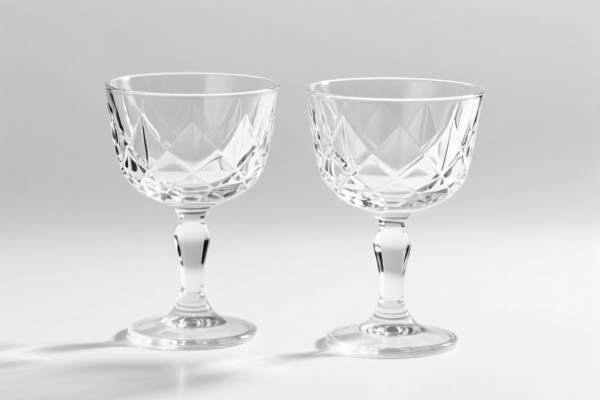
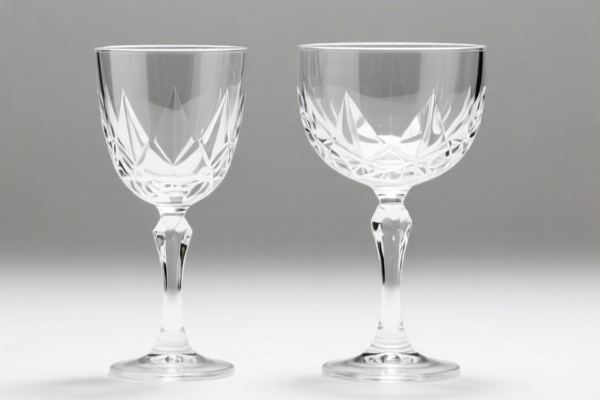
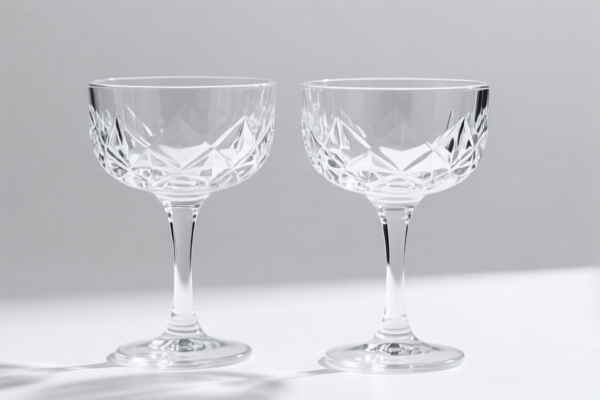
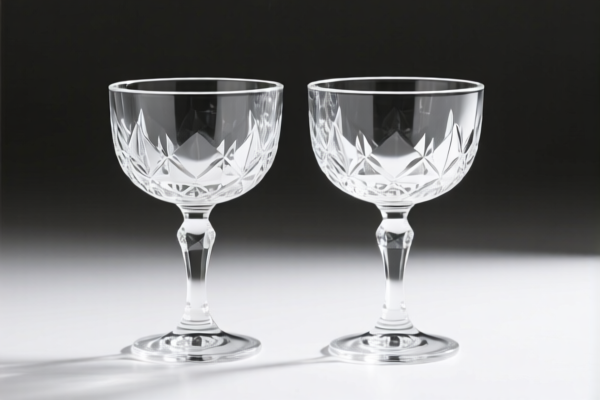
AI Analysis
🏗️ Cast Crystal Flame Retardant
HS Code Classification & Tariff Analysis | 2024/2025 Customs Guide | Professional Clearance Strategy
🌐 Executive Summary: What is "Cast Crystal Flame Retardant"?
This product is a specialized material described as "Cast crystal," made from synthetic polymer materials. Its primary function is flame resistance, making it suitable for: * Decorative applications (e.g., luxury home decor, artistic panels). * Structural applications requiring fire safety (e.g., lighting fixtures, architectural elements, partitions).
⚠️ Critical Distinction: Despite the name "Crystal," this is NOT natural glass nor traditional glass-ceramics. It is a plastic/polymer composite. This distinction is the single most important factor for correct HS Code classification.
📦 I. HS Code Classification Details (Based on Provided Data)
The term "Cast Crystal Flame Retardant" can lead to two different classifications depending on the specific chemical composition and intended use. Below are the precise breakdowns based on the provided dataset.
| HS Code | Product Description | Tax Rate (Total) | Tax Detail | Classification Logic |
|---|---|---|---|---|
| 3920.40 | Cast crystal flame retardant, made from synthetic polymer materials, intended for use in decorative or structural applications requiring flame resistance, such as in lighting fixtures or architectural elements. | ❌ Error | Failed to retrieve tax information |
Chapter 39: Plastics. This is the most likely classification for a "cast crystal" polymer sheet or plate used structurally/decoratively. |
| 3926.90 | Cast crystal flame retardant, classified as other articles of plastics, designed for use in flame-retardant decorative or functional components, not specified elsewhere in the tariff schedule. | ❌ Error | Failed to retrieve tax information |
Chapter 39: Plastics. Used if the product is a finished article (e.g., a molded lamp shade, a specific decorative component) rather than a raw sheet/plate. |
| 3824.83.00.00 | Prepared binders for foundry molds or cores; chemical products... Containing tris(2,3-dibromopropyl) phospate. | 0.0% | Base: 0.0%, Additional: 0.0% | Chapter 38: Chemicals. This classification applies ONLY IF the product is defined as a chemical binder/preparation containing the specific flame retardant additive tris(2,3-dibromopropyl) phospate. Note: This is likely for a chemical intermediate, not a finished "crystal" sheet. |
| 3824.88.00.00 | Prepared binders for foundry molds or cores; chemical products... Containing tetra-, penta-, hexa-, hepta-, or octabromodiphenyl ethers. | 0.0% | Base: 0.0%, Additional: 0.0% | Chapter 38: Chemicals. Similar to above, this applies ONLY IF the product is a chemical preparation containing brominated diphenyl ethers. Note: Unlikely for a "cast crystal" product unless it is a raw chemical resin. |
| 7013.37.60.10 | Glassware... Crystalline or non-lead crystal. Valued over $5 each. | 12.5% | Base: 5.0%, Additional: 7.5% | Chapter 70: Glass. ⛔ HIGH RISK OF MISCLASSIFICATION. Do NOT use this unless the product is actual glass or glass-ceramic. "Cast crystal" is often a marketing term for acrylic or polycarbonate. If it is plastic, this code is wrong. |
| 7013.49.60.10 | Glassware... Crystalline or non-lead crystal (non-drinking). Valued over $5 each. | 14.7% | Base: 7.2%, Additional: 7.5% | Chapter 70: Glass. ⛔ HIGH RISK OF MISCLASSIFICATION. Same as above. Applies only to glassware. |
🔍 Key Insight:
The term "Cast Crystal" is ambiguous.
- If it is Polymer/Plastic (Acrylic/PC) → Use 3920.40 or 3926.90.
- If it is Glass → Use 7013...
- If it is a Chemical Additive → Use 3824...Most likely scenario: "Cast crystal flame retardant" refers to a flame-retardant polymer sheet (e.g., flame-retardant acrylic). Therefore, 3920.40 is the most appropriate HS Code. The glass codes (7013) are likely incorrect unless the product is physically glass.
💰 II. Tariff Rate Analysis & Customs Advice
🎯 Scenario 1: Polymer/Plastic Classification (Most Likely)
HS Code: 3920.40 or 3926.90
Tax Status: Error/Failed to Retrieve
Explanation: The provided data indicates a failure to retrieve tax information for these codes. This is common for certain polymer subheadings depending on the country’s specific tariff schedule.
* Action Required:
1. Verify Material: Confirm it is synthetic polymer (e.g., Polycarbonate, Acrylic).
2. Consult Local Customs: Since tax data is missing, you MUST consult the local customs authority or a licensed customs broker to determine the exact duty rate for 3920.40 or 3926.90 in the destination country.
3. General Estimate:* In many regions, plastics (Chapter 39) have low base duties (0-5%), but anti-dumping duties may apply.
🎯 Scenario 2: Chemical Binder/Additive
HS Code: 3824.83.00.00 or 3824.88.00.00
Tax Status: 0.0% (Base + Additional)
Explanation: If the product is a chemical preparation (not a finished sheet), it qualifies for 0% tariff.
Condition: Must contain tris(2,3-dibromopropyl) phospate or brominated diphenyl ethers.
Advice: This is only applicable if you are importing the chemical resin/additive*, not the finished "crystal" product.
🎯 Scenario 3: Glass Misclassification (High Risk)
HS Code: 7013.37.60.10 or 7013.49.60.10
Tax Status: 12.5% or 14.7%
Warning: If you declare a plastic product as glass (7013), you risk:
1. Customs Penalties: For misdeclaration.
2. Seizure: If customs performs a physical inspection and identifies the material as polymer.
3. Back Taxes: If the correct plastic code has a different rate, you may face additional duties or refunds.
Advice: DO NOT use these codes unless you have scientific proof (e.g., chemical analysis) that the product is glass. "Cast crystal" is a trade name for polycarbonate, not glass.
🛠️ III. Customs Clearance Strategy & Best Practices
✅ 1. Product Description in Commercial Invoice
Be precise and technical. Avoid ambiguous marketing terms like "Cast Crystal" without clarification.
Recommended Description:
"Flame-Retardant Polycarbonate Sheet (Cast Acrylic), Synthetic Polymer Material, Used for Decorative Lighting Fixtures, HS Code 3920.40"
Avoid:
"Cast Crystal Flame Retardant Glass" (If it is plastic)
✅ 2. Required Documentation
| Document | Purpose |
|---|---|
| Material Safety Data Sheet (MSDS) | Proves the product is a polymer and identifies flame-retardant chemicals (e.g., brominated compounds). |
| Certificate of Composition | Explicitly states: "This product is made of synthetic polymer (Polycarbonate/Acrylic), NOT glass." |
| Flame Retardant Test Report | Certifies compliance with fire safety standards (e.g., UL94 V-0, V-1). |
| Product Photos | Clear images showing the material properties (flexibility, weight) to distinguish from glass. |
✅ 3. Clearance Tips
- Material Test: If customs questions the classification, request a material test to confirm it is plastic, not glass. This avoids the high duties (12.5-14.7%) and penalties of misclassification.
- Pre-Ruling: Apply for an Advance Ruling from customs to confirm the correct HS Code (
3920.40vs.7013). This provides legal certainty. - Chemical Composition: If the product contains brominated flame retardants, ensure compliance with environmental regulations (e.g., RoHS, REACH) in the destination country.
🌍 IV. Global Market Comparison
| Country/Region | Likely HS Code | Estimated Duty | Notes |
|---|---|---|---|
| 🇺🇸 USA | 3920.40.00.00 |
0% - 5% + Section 301 Tariffs | Section 301 tariffs may apply to Chinese-origin plastics. Check for exclusions. |
| 🇨🇳 China | 3920.40 |
0% - 5% | Low duty for synthetic sheets. |
| 🇪🇺 EU | 3920.40 |
6.5% | Standard EU duty for plastic sheets. |
| 🇬🇧 UK | 3920.40 |
6.5% | Post-Brexit tariff. |
📌 Note: The provided data shows 0% tax for
3824.83.00.00and3824.88.00.00, which suggests a specific preferential treatment or free-trade agreement context. However, these codes are not for finished "cast crystal" products.
📌 V. Common Mistakes & Pitfalls
❌ Mistake 1: Declaring "Cast Crystal" as Glass (7013)
👉 Consequence: High duties (12.5-14.7%) and risk of penalty if material is polymer.
👉 Solution: Use 3920.40 for polymers.
❌ Mistake 2: Using Chemical Codes (3824) for finished sheets
👉 Consequence: Misclassification. Chemical codes are for binders/preparations, not molded sheets.
👉 Solution: Use 3920.40 for sheets, 3926.90 for finished articles.
❌ Mistake 3: Ignoring Flame Retardant Content
👉 Consequence: Environmental non-compliance (e.g., brominated compounds may be restricted).
👉 Solution: Provide MSDS and ensure compliance with destination country regulations.
🎯 VI. Conclusion & Actionable Advice
🔑 Key Takeaway:
- "Cast Crystal" = Usually Polymer, not glass.
- Correct HS Code: Likely 3920.40 (Plastic sheets) or 3926.90 (Plastic articles).
- Tax Rate: Data unavailable in source; must verify with local customs.
- Avoid: Glass codes (7013) unless confirmed as glass.
✅ Immediate Actions:
- Confirm Material: Is it Polycarbonate/Acrylic (Plastic) or Glass?
- Select HS Code:
- If Plastic → 3920.40 (Sheet) or 3926.90 (Article).
- If Glass → 7013.37.60.10 or 7013.49.60.10.
- Verify Duty: Contact customs broker for exact duty rate for
3920.40/3926.90. - Prepare Docs: Provide MSDS, Certificate of Composition, and Photos.
📣 Pro Tip:
"Name it by Material, Not by Marketing!"
Declaring "Polymer Sheet" instead of "Cast Crystal" ensures accurate classification and avoids costly penalties.
✨ Professional Clearance, Precision Starts with Correct Classification!
💼 Save time, avoid penalties, and ensure smooth customs clearance!
Customer Reviews
About HS Code Classification
The Harmonized System (HS) is an internationally standardized nomenclature developed by the World Customs Organization (WCO) to classify traded products. Over 200 countries use the HS system as the basis for customs tariffs, trade statistics, and import/export regulations.
Each HS code follows a hierarchical structure:
- Chapter (2 digits) — Broad category of goods (e.g., Chapter 84: Machinery and Mechanical Appliances)
- Heading (4 digits) — More specific grouping within the chapter
- Subheading (6 digits) — Internationally standardized breakdown, used by all WCO member countries
- National subdivisions (8-10 digits) — Country-specific extensions for further classification, such as US HTSUS 10-digit codes
Correct HS code classification is essential for smooth customs clearance, accurate duty payment, and compliance with trade regulations. Misclassification can lead to customs delays, overpayment of duties, or penalties.
When importing from CN to US, the applicable tariff rates may include:
- Most-Favored-Nation (MFN) rate — The standard duty rate applied to WTO members
- General rate — Applied to countries without trade agreements
- Trade remedy duties — Additional tariffs such as Section 301 (anti-dumping), Section 232 (national security), or countervailing duties
The information provided on this page is for reference purposes only. For official classification, please consult with your local customs authority or a licensed customs broker.