Cast Crystal Ingots
CN → US| HS Code | Tariff Rate | Origin | Destination | Doc |
|---|---|---|---|---|
| 8101998000 | 38.7% | CN | US | Official Doc |
| 7018905000 | 41.6% | CN | US | Official Doc |
| 7018901000 | 20.7% | CN | US | Official Doc |
| 8101940000 | 41.6% | CN | US | Official Doc |
| 8106100000 | 35.0% | CN | US | Official Doc |
Product Images
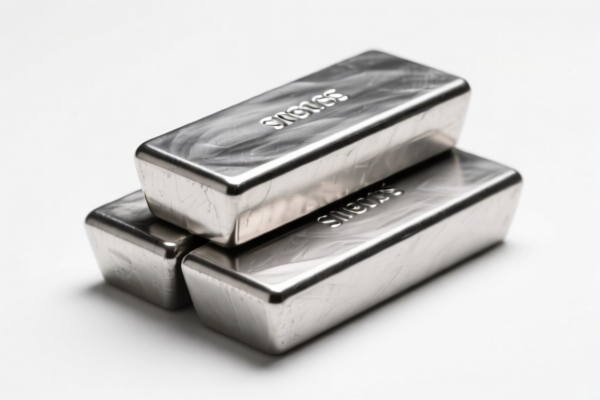
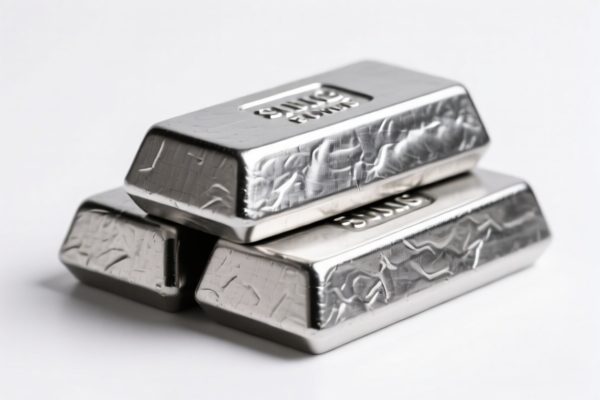
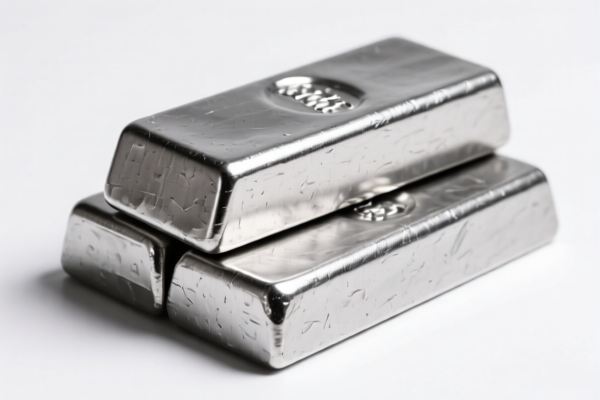
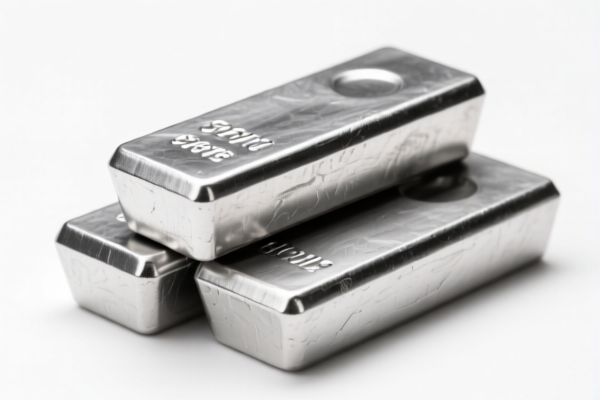
AI Analysis
💎 Cast Crystal Ingots (Crystal Ingots / Synthetic Crystals)
🌐 HS Code Reference & Customs Clearance Guide | 2026 Latest Tariff Analysis | Professional Clearance Strategy
📌 I. Product Definition & Classification: Do You Really Understand "Crystal Ingots"?
"Cast Crystal Ingots" typically refer to synthetic crystalline materials produced through casting or solidification processes. In international trade, these are broadly categorized based on their material composition (e.g., Tungsten, Bismuth) and state/form (Ingots, Small Articles). The classification drastically affects the tariff burden, especially for imports into the United States from China.
⚠️ Key Distinction Points:
- If the "Crystal" refers to optical glass or silicate-based materials, it falls under Chapter 70 (Glass).
- If the "Crystal" refers to metallic or semiconductor ingots (e.g., Tungsten, Bismuth), it falls under Chapter 81 (Base Metals) or Chapter 79/84 depending on purity.
- Shape Matters: "Ingots" (bulk form) vs. "Small Articles" (finished/minor components) have different HS codes and tax implications.
📦 II. HS Code Classification Details (2026 Latest Tariff Authority Comparison)
Based on the inferred material and form from the provided data, here are the potential HS Codes:
| HS Code | Product Description | Application Scenario | Material Inference |
|---|---|---|---|
8101.99.80.00 |
Other Articles of Tungsten | Tungsten-related products, miscellaneous items | Tungsten (W) |
7018.90.50.00 |
Other Glassware, of Silica | Glass/Silicate crystals, small articles | Glass/Silicate |
7018.90.10.00 |
Other Glassware, Molded/Cast | Glass-like materials, molded small articles | Glass/Cast Glass |
8101.94.00.00 |
Tungsten Blooms/Ingots/Slabs/Powder | Bulk metal/semiconductor blocks | Metal/Ingot Form |
8106.10.00.00 |
Bismuth in Primary Forms | Bismuth ingots, raw metal form | Bismuth (Bi) |
🔍 Key Insight:
- "Crystal" is a misleading term in customs. If it’s synthetic sapphire or quartz, it may be Glass (7018). If it’s a metallic crystal (like Tungsten or Bismuth), it’s Base Metal (8101or8106).
- Form is Critical:8101.94(Ingots) vs.8101.99(Other Articles) vs.7018(Glassware).
💰 III. 2026 Latest Tariff Rate Breakdown (Including Additional Taxes & Policy Surcharges)
✅ Applicable Country: United States (US)
✅ Country of Origin: China (CN)
✅ Effective Date: Includes imports after Nov 10, 2025 (subject to current trade policies)
🎯 1. 8101.99.80.00 – Other Articles of Tungsten
| Item | Content |
|---|---|
| Basic Tariff | 3.7% (Ad Valorem) |
| Section 301 Additional Tariff | +25.0% |
| IEEPA (122 Clause) Tariff | +10.0% |
| Total Tax Rate | 38.7% |
| Tax Calculation | CIF Value × 38.7% |
| De Minimis Exemption | ❌ Not Eligible (High tax burden) |
| Legal Basis Path | USITC:8101.99.80.00 → Section 301: Footnote 9903.88.01 → IEEPA:9903.01.24 |
📌 Explanation:
- If your "Crystal Ingots" are made of Tungsten but not in ingot/bloom form (e.g., shaped components), this code applies.
- The 38.7% total rate is significant. Ensure the material is accurately declared as Tungsten.
🎯 2. 7018.90.50.00 – Other Glassware of Silica
| Item | Content |
|---|---|
| Basic Tariff | 6.6% (Ad Valorem) |
| Section 301 Additional Tariff | +25.0% |
| IEEPA (122 Clause) Tariff | +10.0% |
| Total Tax Rate | 41.6% |
| Tax Calculation | CIF Value × 41.6% |
| De Minimis Exemption | ❌ Not Eligible |
| Legal Basis Path | USITC:7018.90.50.00 → Section 301: Footnote 9903.88.01 → IEEPA:9903.01.24 |
📌 Explanation:
- If the "Crystal" is actually Silica/Glass (e.g., optical crystals, synthetic quartz), this code applies.
- Highest Tax Rate (41.6%) among glass options due to higher base tariff.
🎯 3. 7018.90.10.00 – Other Glassware, Molded/Cast
| Item | Content |
|---|---|
| Basic Tariff | 3.2% (Ad Valorem) |
| Section 301 Additional Tariff | +7.5% |
| IEEPA (122 Clause) Tariff | +10.0% |
| Total Tax Rate | 20.7% |
| Tax Calculation | CIF Value × 20.7% |
| De Minimis Exemption | ❌ Not Eligible |
| Legal Basis Path | USITC:7018.90.10.00 → Section 301: Footnote 9903.77.05 → IEEPA:9903.01.24 |
📌 Explanation:
- Best Option for Glass: If the crystal is glass/silicate AND is molded/cast, this code has the lowest total tax (20.7%).
- The Section 301 rate is lower (+7.5%) compared to other glass items (+25%).
🎯 4. 8101.94.00.00 – Tungsten Blooms, Ingots, Slabs, or Powder
| Item | Content |
|---|---|
| Basic Tariff | 6.6% (Ad Valorem) |
| Section 301 Additional Tariff | +25.0% |
| IEEPA (122 Clause) Tariff | +10.0% |
| Total Tax Rate | 41.6% |
| Tax Calculation | CIF Value × 41.6% |
| De Minimis Exemption | ❌ Not Eligible |
| Legal Basis Path | USITC:8101.94.00.00 → Section 301: Footnote 9903.88.01 → IEEPA:9903.01.24 |
📌 Explanation:
- If the "Ingots" are Tungsten in bulk form (blooms, ingots), this is the correct code.
- High tax rate (41.6%) due to base tariff + high Section 301 rate.
🎯 5. 8106.10.00.00 – Bismuth in Primary Forms
| Item | Content |
|---|---|
| Basic Tariff | 0.0% (Ad Valorem) |
| Section 301 Additional Tariff | +25.0% |
| IEEPA (122 Clause) Tariff | +10.0% |
| Total Tax Rate | 35.0% |
| Tax Calculation | CIF Value × 35.0% |
| De Minimis Exemption | ❌ Not Eligible |
| Legal Basis Path | USITC:8106.10.00.00 → Section 301: Footnote 9903.88.01 → IEEPA:9903.01.24 |
📌 Explanation:
- Lowest Base Tariff (0%), but still subject to 35% total due to additional tariffs.
- If the crystal is Bismuth, this is the most cost-effective metal option.
🛠️ IV. Customs Clearance Practical Advice (Battle-Tested Pitfall Guide)
✅ 1. Document Checklist (Indispensable)
| Document | Required | Explanation |
|---|---|---|
| ✅ Material Certificate | ✔️ | Must specify exact material (e.g., "Tungsten 99.95%", "Silica Glass") |
| ✅ Product Photos | ✔️ | Clear images of ingot/crystal form, markings, and packaging |
| ✅ Technical Data Sheet | ✔️ | Show density, refractive index, or melting point to distinguish Glass vs. Metal |
| ✅ Commercial Invoice | ✔️ | Clearly state "Cast Crystal Ingots - [Material]" |
| ✅ Packing List | ✔️ | Indicate net/gross weight, quantity |
| ✅ Certificate of Origin (CO) | ✔️ | Mandatory for China-origin goods |
✅ 2. Declaration Tips (Key Mnemonic)
🔥 "Material First, Form Second, Name Precise, Tax Saved!"
| Scenario | Correct Declaration | Wrong Declaration |
|---|---|---|
| Tungsten Ingot | 8101.94.00.00 |
"Crystal" → Misclassification |
| Glass Crystal | 7018.90.10.00 (if molded) |
"Metal Crystal" → High tax + Penalty |
| Bismuth Ingots | 8106.10.00.00 |
"Alloy" → Complex investigation |
| Unknown Crystal | Request Pre-Ruling | Guess HS Code → High Risk |
📌 Critical Advice:
- "Crystal" is not a standard HS term. You MUST declare the actual material (e.g., "Synthetic Quartz Crystal" →7018; "Tungsten Crystal" →8101).
- If you declare "Crystal Ingots" without specifying material, Customs will likely reject or reclassify at a higher rate.
✅ 3. Special Cases Handling
| Scenario | Handling Advice |
|---|---|
| OEM Custom Crystals | Provide design specs + material proof to avoid "Unknown" classification |
| Mixed Materials | Separate shipments if possible; mixed lots may be classified by highest tax component |
| Small Articles vs. Ingots | Clearly distinguish: 7018.90.10 (Molded Glass) vs. 8101.94 (Metal Ingot) |
| Export to Non-US Markets | EU/China tariffs are much lower (0-5%); focus on US if destination is America |
🌍 V. Global Market Comparison (2026 Latest)
| Country/Region | Recommended HS Code | Tariff (China Origin) | Notes |
|---|---|---|---|
| 🇺🇸 USA | 7018.90.10.00 (if Glass) |
20.7% | Best option for glass; 8101.94 is 41.6% |
| 🇨🇳 China | 7018.90.10.00 |
5-8% | Low tax; easy clearance |
| 🇪🇺 EU | 7018.90.10.00 |
0-2% | No additional tariffs; CE/RoHS may apply |
| 🇯🇵 Japan | 7018.90.10.00 |
0-3% | Low tax; PSE certification for electronics |
📌 Conclusion:
- US is the highest-tax market due to Section 301 + IEEPA.
- Glass (7018.90.10) is the most tax-efficient if the material is silica-based.
- Bismuth (8106.10) is the most tax-efficient metal if applicable.
📌 VI. Common Errors & Pitfalls (Lessons Learned)
❌ Error 1: Declaring "Crystal Ingots" without specifying material
👉 Result: Customs rejects, delays, or reclassifies at highest rate (e.g., 41.6%+)
❌ Error 2: Misclassifying Tungsten Ingots as Glass
👉 Result: Penalty for misdeclaration; possible seizure
❌ Error 3: Ignoring Section 301 Tariffs
👉 Result: Underpayment of duties; audits and back-taxes
❌ Error 4: Using "Crystal" as a product name without technical specs
👉 Result: Customs cannot determine HS code; request for additional info
✅ Correct Approach:
"Synthetic Quartz Crystal Ingots, Silica-Based, Molded, 100g each, for Optical Use" →
7018.90.10.00(20.7%)
🎯 VII. Conclusion: Precise Classification Saves Money!
🎯 Remember:
🔹 "Material First, Form Second"
🔹 "Glass Molded = 20.7%, Bismuth = 35%, Tungsten = 38-41%"
🔹 "Never Declare 'Crystal' Alone – Always Specify Material!"
📌 Pro Tip:
If your crystals are exporting to the US, consider:
1. Pre-Ruling: Apply for an Advance Ruling with CBP to confirm HS Code.
2. Material Optimization: If possible, use materials with lower tariff exposure (e.g., Glass over Tungsten).
3. Supply Chain Diversification: Explore origin alternatives if tariffs are prohibitive.
📣 Immediate Action:
📞 Consult a licensed customs broker
📤 Prepare detailed material certificates
🚀 Ensure precise HS Code declaration to avoid costly delays
✨ Professional Clearance Starts with Accurate Classification!
💼 Every Percent Saved is Profit Gained!
Customer Reviews
About HS Code Classification
The Harmonized System (HS) is an internationally standardized nomenclature developed by the World Customs Organization (WCO) to classify traded products. Over 200 countries use the HS system as the basis for customs tariffs, trade statistics, and import/export regulations.
Each HS code follows a hierarchical structure:
- Chapter (2 digits) — Broad category of goods (e.g., Chapter 84: Machinery and Mechanical Appliances)
- Heading (4 digits) — More specific grouping within the chapter
- Subheading (6 digits) — Internationally standardized breakdown, used by all WCO member countries
- National subdivisions (8-10 digits) — Country-specific extensions for further classification, such as US HTSUS 10-digit codes
Correct HS code classification is essential for smooth customs clearance, accurate duty payment, and compliance with trade regulations. Misclassification can lead to customs delays, overpayment of duties, or penalties.
When importing from CN to US, the applicable tariff rates may include:
- Most-Favored-Nation (MFN) rate — The standard duty rate applied to WTO members
- General rate — Applied to countries without trade agreements
- Trade remedy duties — Additional tariffs such as Section 301 (anti-dumping), Section 232 (national security), or countervailing duties
The information provided on this page is for reference purposes only. For official classification, please consult with your local customs authority or a licensed customs broker.