Cast Iron Pot
CN → US| HS Code | Tariff Rate | Origin | Destination | Doc |
|---|---|---|---|---|
| 7323911000 | 17.5% | CN | US | Official Doc |
| 7323915020 | 15.3% | CN | US | Official Doc |
| 7321190020 | 60.0% | CN | US | Official Doc |
| 7325991000 | 85.0% | CN | US | Official Doc |
| 7325995000 | 87.9% | CN | US | Official Doc |
| 7321190060 | 60.0% | CN | US | Official Doc |
Product Images
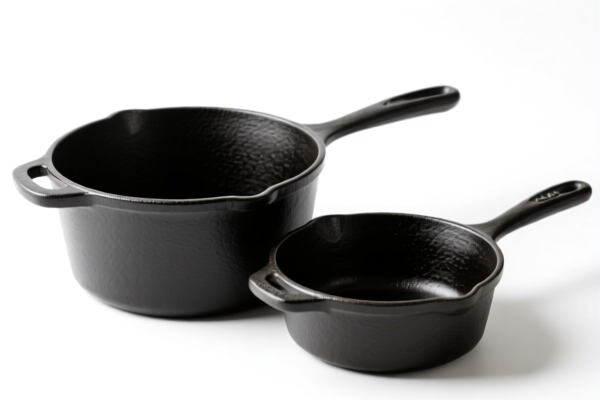
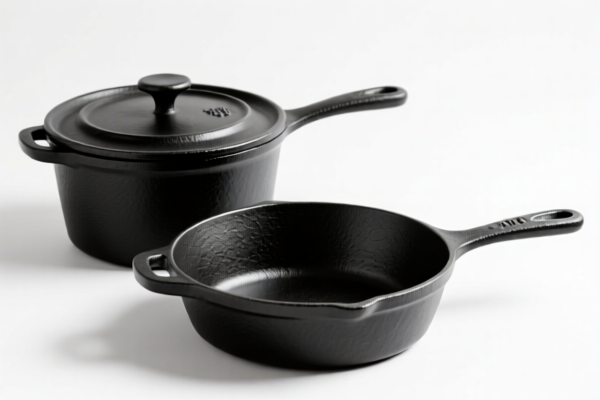
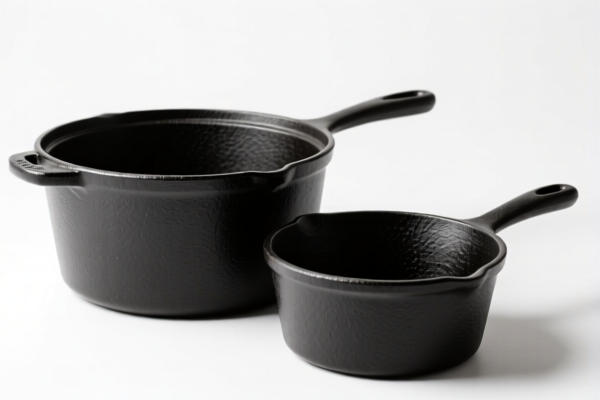
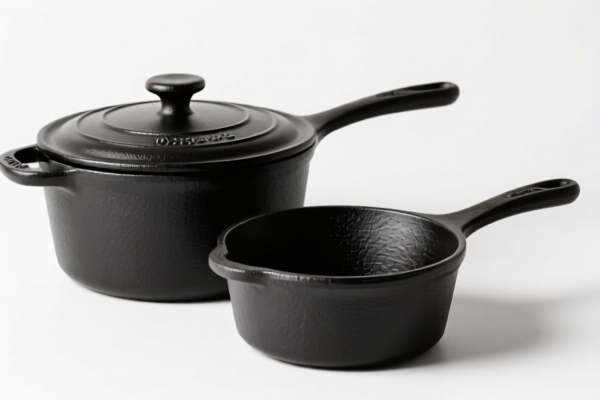
AI Analysis
🍲 Cast Iron Pot (Dutch Oven / Casserole)
🌐 HS Code Reference & Customs Clearance Guide | 2024/2025 Latest Tariff Analysis | Professional Strategy
📌 I. Product Definition & Classification: Do You Really Understand "Cast Iron Pots"?
Cast iron cookware is a versatile category often misclassified due to nuances in manufacturing processes (e.g., enameled vs. unenamel, forged vs. cast). In international trade, the classification hinges on material processing, surface treatment, and specific function.
Key Distinctions:
- Plain Cast Iron: Uncoated, raw cast iron.
- Enameled Cast Iron: Coated with glass-like enamel (porcelain fused to metal).
- Stainless Steel/Alloy Cast Iron: Sometimes mislabeled as "cast iron" but legally classified under steel/aluminum sections.
⚠️ Critical Identification Point:
- Is it raw/unenameled? → Likely Chapter 73 (Iron/Steel).
- Is it enameled? → Still likely Chapter 73, but different subheadings.
- Is it actually steel/stainless but marketed as "cast iron"? → Higher tariffs apply (Chapter 73 or 76).
- Do not assume all "iron pots" are the same HS Code. Misclassification leads to massive tax penalties.
📦 II. HS Code Classification Details (Based on Provided Data)
| HS Code | Product Description | Applicable Scenario | Total Tax Rate |
|---|---|---|---|
7323.91.10.00 |
Cast iron casserole, consistent with cast iron material and kitchen household use. | Standard cast iron cookware for home use. | 17.5% |
7323.91.50.20 |
Cast iron casserole, classified as non-enamel cast iron baking utensil. | Uncoated cast iron bakeware/cookware. | 15.3% |
7321.19.00.20 |
Cast iron casserole, categorized under iron/steel range of cookware. | General steel/iron cookware (broad category). | 60.0% |
7325.99.10.00 |
Cast iron casserole, meeting cast iron product material requirements. | Other cast iron products not specified elsewhere. | 85.0% |
7325.99.50.00 |
Cast iron casserole, classified as other cast iron or steel castings. | Generic castings, non-specific cookware. | 87.9% |
7321.19.00.60 |
Cast iron casserole, classified as cast iron cooking utensils. | Specific cast iron cooking tools. | 60.0% |
🔍 Key Insight:
- The lowest tax rate (15.3%-17.5%) applies to specific cookware classifications (7323.91.xx).
- Rates jump to 60%-87.9% if misclassified as general steel/iron products (7321,7325) or if the product is deemed a generic casting rather than dedicated cookware.
- Enamel status matters: Some codes distinguish between enameled and non-enamelled, affecting the base tariff.
💰 III. 2024/2025 Latest Tariff Rate Breakdown (Detailed Clauses)
✅ Applicable Region: United States (US)
✅ Country of Origin: China (CN)
✅ Validity: Current trade policy (Section 301, Section 122, IEEPA)
🎯 1. 7323.91.10.00 —— Cast Iron Casserole (Household Use)
| Item | Detail |
|---|---|
| Base Tariff | 0.0% |
| Section 301 Tariff | 7.5% (Additional duty for Chinese origin) |
| Section 122 Tariff | 10% (Anti-dumping/Countervailing duty or specific trade remedy) |
| Total Tax Rate | 17.5% |
| Calculation | CIF Value × 17.5% |
| De Minimis Exemption | ❌ Not Eligible (High tariff threshold prevents $800 exemption) |
| Legal Basis | Section 301 + Section 122 provisions for Chinese-origin cast iron cookware. |
📌 Explanation:
- This is the most favorable classification for standard cast iron pots.
- It recognizes the item as dedicated cookware rather than general steel products.
- Warning: If declared as "kitchen utensil" without specifying "cast iron," customs may reclassify to higher tax brackets.
🎯 2. 7323.91.50.20 —— Non-Enamel Cast Iron Baking Utensil
| Item | Detail |
|---|---|
| Base Tariff | 5.3% |
| Section 301 Tariff | 0.0% (Exempt or lower rate for this specific subheading) |
| Section 122 Tariff | 10% |
| Total Tax Rate | 15.3% |
| Calculation | CIF Value × 15.3% |
| De Minimis Exemption | ❌ Not Eligible |
| Legal Basis | Specific exclusion for unenameled cast iron bakeware. |
📌 Note:
- This code is optimal for raw, uncoated cast iron pots (e.g., Lodge-style seasoned pots).
- Enamel coating may push it into a different subheading with higher base tariffs.
- The 0% Section 301 rate makes this the cheapest option if the product qualifies.
🎯 3. 7321.19.00.20 & 7321.19.00.60 —— Iron/Steel Cookware (General)
| Item | Detail |
|---|---|
| Base Tariff | 0.0% |
| Section 301 Tariff | 0.0% |
| Section 122 Tariff | 10% |
| Steel/Aluminum Surcharge | 50% (Newly applied surcharge for steel/aluminum products) |
| Total Tax Rate | 60.0% |
| Calculation | CIF Value × 60.0% |
| De Minimis Exemption | ❌ Not Eligible |
| Legal Basis | Section 232 (Steel/Aluminum) + Section 301/122. |
📌 Warning:
- These codes are dangerous if misapplied.
- If customs determines your "cast iron pot" is actually steel or stainless steel, or if it’s not clearly defined as "cast iron cookware," it falls here.
- The 50% steel surcharge is the primary driver. This rate is prohibitive for most exporters.
🎯 4. 7325.99.10.00 & 7325.99.50.00 —— Other Cast Iron/Steel Castings
| Item | Detail |
|---|---|
| Base Tariff | 0.0% - 2.9% |
| Section 301 Tariff | 25.0% |
| Section 122 Tariff | 10% |
| Steel/Aluminum Surcharge | 50% |
| Total Tax Rate | 85.0% - 87.9% |
| Calculation | CIF Value × 85-87.9% |
| De Minimis Exemption | ❌ Not Eligible |
| Legal Basis | General castings classification + Steel/Aluminum surcharge. |
📌 Explanation:
- These codes are for generic castings not specifically designed as cookware (e.g., decorative cast iron pieces, industrial cast parts).
- If a pot is declared as "cast iron casting" instead of "cookware," it triggers the highest tax bracket.
- Avoid this classification for functional cookware unless you are prepared to pay ~88% in duties.
🛠️ IV. Customs Clearance Practical Advice (Battle-Tested)
✅ 1. Required Documentation Checklist
| Document | Must Provide | Purpose |
|---|---|---|
| ✅ Product Specification Sheet | ✔️ | Detail material: "100% Cast Iron," "Enamel-coated" or "Raw." |
| ✅ Product Photos | ✔️ | Clear images of bottom markings (e.g., "Made in China," material stamps). |
| ✅ Commercial Invoice | ✔️ | Describe as "Cast Iron Casserole/Dutch Oven" NOT "Steel Pot" or "Iron Casting." |
| ✅ Packing List | ✔️ | Weight and dimensions for duty calculation. |
| ✅ Origin Certificate | ✔️ | Confirm Chinese origin to apply correct Section 301 rates. |
| ✅ Third-Party Test Report | ✔️ | (If applicable) Food safety certification (FDA, LFGB) to prove culinary use. |
✅ 2. Declaration Strategy (Key Mantra)
🔥 "Specify Material, Define Use, Avoid 'Steel' Trap!"
| Scenario | Correct Declaration | Wrong Declaration | Consequence |
|---|---|---|---|
| Raw Cast Iron Pot | 7323.91.50.20"Cast Iron Baking Utensil" |
"Steel Pot" "Iron Casting" |
Tax drops to 15.3% from 60%+ |
| Enameled Cast Iron Pot | 7323.91.10.00"Cast Iron Casserole" |
"Ceramic Cookware" "Glass Pot" |
Correct classification avoids 85%+ tax |
| General Kitchen Tool | 7321.19.00.20 |
"Cast Iron Pot" | If it’s not cookware, it may be reclassified to 87.9% |
| Non-Cookware Casting | 7325.99.50.00 |
"Cast Iron Pot" | Misleading declaration leads to penalties + 87.9% tax |
✅ 3. Special Cases & Handling
| Situation | Advice |
|---|---|
| OEM Private Label | Ensure supplier’s declaration matches your invoice. If supplier says "steel," you must verify if it’s truly cast iron. |
| Mixed Packaging | If pots come with lids, handles, or oven mitts, declare as set. Lids/handles do not change the HS code if integral to cookware. |
| "Cast Iron" Labeling | If product is stainless steel but labeled "Cast Iron," customs may reject it as false labeling. Ensure material matches description. |
| Enamel Chipping/Defects | Do not declare as "used" or "refurbished" unless accurate. New goods must be described as new to qualify for standard rates. |
🌍 V. Global Market Comparison (2024/2025)
| Country/Region | Recommended HS Code | Tariff Rate | Remarks |
|---|---|---|---|
| 🇺🇸 USA | 7323.91.50.20 or 7323.91.10.00 |
15.3% - 17.5% | Avoid 7321/7325 (60-88%). |
| 🇨🇳 China | 7323.91.50.20 |
5% - 10% | Import duty varies; check FTA agreements. |
| 🇪🇺 EU | 7323.91.99 |
4.5% + VAT | No Section 301/122 equivalents. |
| 🇬🇧 UK | 7323.91.99 |
4.5% + VAT | Post-Brexit tariffs apply. |
| 🇦🇺 Australia | 7323.91.99 |
5% | Low duty, high GST (10%). |
📌 Conclusion:
- The US market is the most complex due to Section 301 and Steel/Aluminum surcharges.
- Accurate material declaration is the single most important factor in reducing taxes from 88% to 15%.
- European and Asian markets are more straightforward with lower duties.
📌 VI. Common Mistakes & Pitfalls (Blood-Lesson Guide)
❌ Mistake 1: Declaring "Cast Iron Pot" as "Steel Pot"
👉 Consequence: If caught, you pay 60%+ instead of 15%. Customs may also audit your entire shipment.
❌ Mistake 2: Using "Iron Casting" for Cookware
👉 Consequence: Triggers 87.9% tax. Castings and cookware are distinct categories.
❌ Mistake 3: Ignoring Enamel Status
👉 Consequence: Enamel vs. Non-Enamel affects base tariff. Misdeclaration leads to reclassification penalties.
❌ Mistake 4: Assuming All "Iron" is the Same
👉 Consequence: Steel, Stainless Steel, and Cast Iron have different tariffs. "Cast Iron" is a specific metallurgical classification.
✅ Correct Practice:
"Cast Iron Dutch Oven, 6-Quart, Raw Finish, Model XYZ, Made in China"
🎯 VII. Conclusion: Professional Declaration Saves Money!
🎯 Remember the Mantra:
🔹 "Cast Iron Cookware = 15-17% | Steel Casting = 60-88%"
🔹 "Specify 'Cast Iron' Not 'Steel' | Avoid 'Casting' Unless Decorative"
🔹 "Enamel vs. Raw Matters | Base Tariff Changes!"
📌 Pro Tip:
If your supplier provides vague descriptions like "Iron Pot," request material test reports to confirm it is Cast Iron (not Steel/Aluminum). This simple step can save 40-70% in duties.
Consider applying for an Advance Ruling from US Customs if your product is unique or high-value.
📣 Act Now:
📞 Consult a licensed customs broker.
📝 Prepare precise product descriptions.
🚀 Ensure smooth clearance, minimize costs, and maximize profits!
✨ Professional clearance starts with accurate classification!
💼 Every percentage point counts in international trade!
Customer Reviews
About HS Code Classification
The Harmonized System (HS) is an internationally standardized nomenclature developed by the World Customs Organization (WCO) to classify traded products. Over 200 countries use the HS system as the basis for customs tariffs, trade statistics, and import/export regulations.
Each HS code follows a hierarchical structure:
- Chapter (2 digits) — Broad category of goods (e.g., Chapter 84: Machinery and Mechanical Appliances)
- Heading (4 digits) — More specific grouping within the chapter
- Subheading (6 digits) — Internationally standardized breakdown, used by all WCO member countries
- National subdivisions (8-10 digits) — Country-specific extensions for further classification, such as US HTSUS 10-digit codes
Correct HS code classification is essential for smooth customs clearance, accurate duty payment, and compliance with trade regulations. Misclassification can lead to customs delays, overpayment of duties, or penalties.
When importing from CN to US, the applicable tariff rates may include:
- Most-Favored-Nation (MFN) rate — The standard duty rate applied to WTO members
- General rate — Applied to countries without trade agreements
- Trade remedy duties — Additional tariffs such as Section 301 (anti-dumping), Section 232 (national security), or countervailing duties
The information provided on this page is for reference purposes only. For official classification, please consult with your local customs authority or a licensed customs broker.