Cast Iron Split Radiator
CN → US| HS Code | Tariff Rate | Origin | Destination | Doc |
|---|---|---|---|---|
| 7322110000 | 35.0% | CN | US | Official Doc |
| 7322190000 | 85.0% | CN | US | Official Doc |
| 7325991000 | 85.0% | CN | US | Official Doc |
| 7325995000 | 87.9% | CN | US | Official Doc |
Product Images
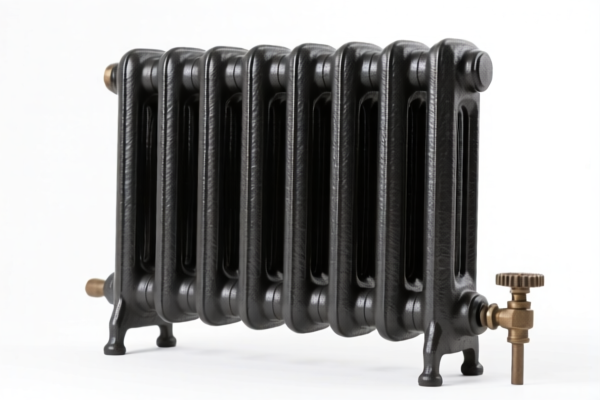
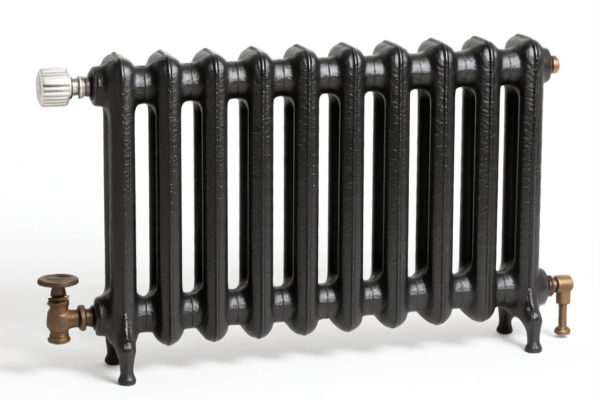
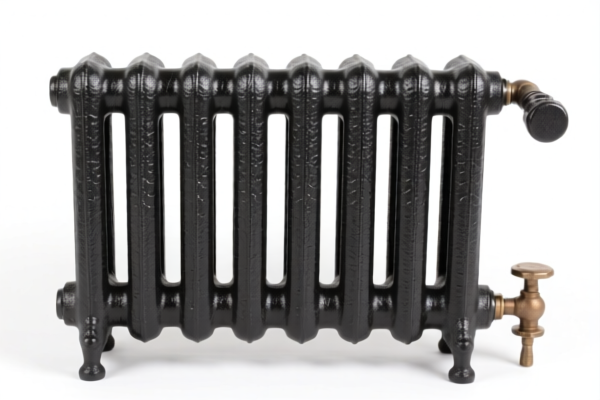

AI Analysis
🏗️ Cast Iron Split Radiator (Hot Water/Steam Heating Units)
🌐 HS Code Reference & Customs Clearance Guide | 2026 Latest Tariff Analysis | Professional Entry Strategy
📌 I. Product Definition & Classification: Do You Really Understand "Cast Iron Radiators"?
A Cast Iron Split Radiator is a heavy-duty heating unit traditionally used for residential and commercial heating. In international trade, its classification depends heavily on material composition, manufacturing process (casting vs. fabricated), and specific function.
Because "Cast Iron" is a specific subset of "Iron and Steel," and "Split" implies a modular assembly, customs authorities scrutinize whether it falls under Heating Equipment (Ch 73.22) or General Cast Iron Articles (Ch 73.25).
⚠️ Critical Distinction:
- Type A (Specific Heating Unit): If the product is explicitly defined as a "radiator" or "heating heater" made of cast iron, it typically falls under 7322.1x.
- Type B (General Cast Iron Article): If the shape or description does not strictly match the "radiator" definition, or if it's considered a generic casting, it may fall under 7325.9x.
- Type C (Fabricated vs. Cast): Note that HS Code 7325 refers to "Cast Iron," whereas 7322.19 often covers "Iron or Steel" radiators which may include fabricated steel, but the summary provided indicates a conflict for pure cast iron in some sub-headings.
📦 II. HS Code Classification Details (2026 Authoritative Comparison)
| HS Code | Product Description | Applicability & Logic | Tax Rate (China Origin to US) |
|---|---|---|---|
7322.11.00.00 |
Cast Iron Split Radiators | Best Fit: Material is explicitly "Cast Iron." Form and use match the tariff heading for "Heating heaters, non-electric, for liquid or gaseous media." | 35.0% |
7322.19.00.00 |
Iron or Steel Radiators (Other than Cast Iron) | Conflict Risk: Although named "Iron or Steel," this subheading often captures radiators not specifically classified as cast iron under .11. However, some summaries flag this for cast iron due to classification nuances. | 85.0% |
7325.99.10.00 |
Other Cast Iron Articles | Alternative: If deemed a "casting" rather than a specific "heater." No material or form conflict, but loses the specific "heater" benefit. | 85.0% |
7325.99.50.00 |
Other Cast Iron Articles (General) | Broad Category: Categorized as "Castings." No material or form conflict, but highest base tax. | 87.9% |
🔍 Key Insight:
- 7322.11.00.00 is the lowest cost option (35%) if the product can be definitively proven to be a "Cast Iron Radiator" under Chapter 73 Heading 22.
- The jump to 85-87.9% for codes7322.19,7325.99.10, and7325.99.50represents a significant cost increase.
- Misclassification as a general "Cast Iron Casting" (7325) instead of a "Heater" (7322) can cost you an extra 50%+ in duties.
💰 III. 2026 Latest Tariff Rate Breakdown (Including Surtaxes & Policy Add-ons)
✅ Applicable Country: United States (US)
✅ Origin: China (CN)
✅ Effective Date: November 10, 2025 (and subsequent imports)
🎯 1. 7322.11.00.00 —— Cast Iron Split Radiators (Preferred Classification)
| Item | Content |
|---|---|
| Base Tariff | 0.0% (Ad Valorem) |
| Section 301 Surtax | +25.0% (Additional duty under Section 301) |
| Section 122 Duty | +10.0% (Targeted duty on specific steel/iron products) |
| Total Effective Rate | 35.0% |
| Tax Calculation | CIF Value × 35% |
| De Minimis Eligibility | ❌ None (Deny de minimis) |
| Legal Basis Path | USITC:7322.11.00.00 → SECTION301:Footnote → SECTION122:Policy |
📌 Explanation:
- This is the most favorable classification for cast iron radiators.
- While the base tariff is 0%, the combined Section 301 (25%) and Section 122 (10%) surcharges result in a 35% total duty.
- This is significantly lower than the alternative classifications.
🎯 2. 7322.19.00.00 —— Other Iron or Steel Radiators
| Item | Content |
|---|---|
| Base Tariff | 0.0% |
| Section 301 Surtax | +25.0% |
| Section 122 Duty | +10.0% |
| Steel/Aluminum/Copper Surcharge | +50.0% (Specific to "Steel, Aluminum, Copper Articles") |
| Total Effective Rate | 85.0% |
| Tax Calculation | CIF Value × 85% |
| De Minimis Eligibility | ❌ None |
| Legal Basis Path | USITC:7322.19.00.00 → SECTION301 → SECTION122 → METAL_SURCHARGE:50% |
📌 Warning:
- The 50% additional surcharge for steel/iron/copper products pushes the rate to 85%.
- Even though it is under the "Radiator" heading (7322), the specific material trigger for the higher surcharge applies here.
🎯 3. 7325.99.10.00 & 7325.99.50.00 —— General Cast Iron Articles
| Item | Content |
|---|---|
| Base Tariff | 0.0% (for .10) / 2.9% (for .50) |
| Section 301 Surtax | +25.0% |
| Section 122 Duty | +10.0% |
| Steel/Aluminum/Copper Surcharge | +50.0% |
| Total Effective Rate | 85.0% (.10) / 87.9% (.50) |
| Tax Calculation | CIF Value × 85% / 87.9% |
| De Minimis Eligibility | ❌ None |
📌 Why is it so high?
- If classified as "Other Cast Iron Articles" (Ch 73.25), it loses the specific "Heater" designation benefits and falls under the general "Steel/Aluminum/Copper" surcharge bucket (+50%).
- The base tax for7325.99.50.00is 2.9%, making the total 87.9%.
🛠️ IV. Customs Clearance Practical Advice (Battle-Tested Pitfall Guide)
✅ 1. Documentation Checklist (Non-Negotiable)
| Document | Must Provide? | Description |
|---|---|---|
| ✅ Product Specifications | ✔️ | Detailed list: Material (Grey Cast Iron, Ductile Iron?), Weight, Dimensions, Heating Capacity (BTU/kW). |
| ✅ Technical Drawing | ✔️ | Crucial to prove it is a "Radiator" (Heating Unit) and not just a "Cast Iron Part." |
| ✅ Photos (Clear Labels) | ✔️ | Show铭牌 (Nameplate) with model number, origin, and "Cast Iron" marking. |
| ✅ Commercial Invoice | ✔️ | Clearly state: "Cast Iron Split Radiator, Non-Electric Heating Unit." Avoid vague terms like "Metal Parts." |
| ✅ Packing List | ✔️ | Ensure weight and dimensions match the invoice exactly. |
| ✅ Certificate of Origin | ✔️ | Required for origin determination (China = High Tariffs). |
✅ 2. Declaration Tips (Key Mnemonics)
🔥 "Cast Iron Heaters go to 7322.11, not 7325. Avoid the 50% Surcharge Trap!"
| Scenario | Correct Declaration | Wrong Practice | Consequence |
|---|---|---|---|
| Standard Cast Iron Radiator | 7322.11.00.00 |
Declaring as 7325.99.10.00 |
Tariff jumps from 35% to 85% |
| Radiators packaged with brackets | Declare as Whole | Splitting into "Radiator" + "Bracket" | Bracket might be taxed at high rates, complicating clearance |
| Non-Cast Iron (Steel) Radiator | 7322.19.00.00 |
Declaring as 7322.11.00.00 |
Misclassification Penalty + Back Taxes |
| Sample/Prototype | Same HS Code | Declaring as "Gift" | Customs will reclassify and assess duty + fines |
✅ 3. Special Case Handling
| Situation | Handling Advice |
|---|---|
| Mixed Materials (e.g., Cast Iron Body + Steel Fittings) | Declare the main component (Cast Iron Body) under 7322.11.00.00. Do not split unless instructed by customs. |
| Pre-assembly vs. Knock-Down (KD) | "Split" implies KD. Ensure the kit is complete enough to be a "heating unit." If it's just raw cast iron pieces, it might be classified as 7325 (General Castings) → 85% Tax. |
| Original Design Manufacturer (ODM) | Provide patent/design documents if questioned on uniqueness. |
| Pre-Arbitration (Advance Ruling) | Highly Recommended. Given the huge tax difference (35% vs 85%), file for an Advance Ruling with US CBP before shipment to lock in 7322.11.00.00. |
🌍 V. Global Market Comparison (2026 Update)
| Country/Region | Recommended HS Code | Duty Rate (China Origin) | Notes |
|---|---|---|---|
| 🇺🇸 USA | 7322.11.00.00 |
35.0% | High tariffs due to Sec 301 + 122. Critical to classify correctly. |
| 🇪🇺 EU | 7322.11 |
~0-2% | No Section 301/122 equivalents. Standard MFN rates apply. |
| 🇨🇳 China | 7322.11 |
0% (Import Duty) | Subject to VAT (13%). |
| 🇨🇦 Canada | 7322.11 |
Low/MFN | Generally lower tariffs than US, but check CUSMA rules. |
| 🇲🇽 Mexico | 7322.11 |
Low/MFN | Beneficial under USMCA if origin rules are met. |
📌 Conclusion:
- The US is the most expensive market for cast iron radiators due to specific trade policies (Section 301 & 122).
- Classification Accuracy is Cost-Driving: A difference between7322.11and7325or7322.19is ~50 percentage points.
📌 VI. Common Mistakes & Pitfalls (Lessons Learned)
❌ Mistake 1: Declaring "Cast Iron Parts" instead of "Radiators"
👉 Result: Misclassification into 7325 → 85% Tax instead of 35%.
❌ Mistake 2: Ignoring the "Split" (KD) nature
👉 Result: If the kit doesn't constitute a complete "heating unit," customs may reject 7322 and apply 7325 (General Castings).
❌ Mistake 3: Confusing "Cast Iron" with "Steel"
👉 Result: If the material is actually steel, 7322.11 is invalid. You must use 7322.19 or 7325, leading to 85% Tax.
❌ Mistake 4: Not applying for an Advance Ruling
👉 Result: Unpredictable duty assessment at border, leading to delays, storage fees, and potential reclassification penalties.
✅ Correct Action:
"Cast Iron Split Radiator, Non-Electric, Model XYZ, Material: Grey Cast Iron, HS: 7322.11.00.00"
🎯 VII. Conclusion: Precision in Classification Saves Money
🎯 Remember the Golden Rule:
🔹 "Heater = 7322.11 = 35%"
🔹 "General Casting = 7325 = 85%"
🔹 "Steel Radiator = 7322.19 = 85%"📌 Strategic Advice:
1. Verify Material: Ensure it is truly "Cast Iron" (not steel).
2. Verify Function: Ensure it is a "Heating Heater/Radiator" (not just a metal part).
3. File for Advance Ruling: Given the 50% tax differential, securing the7322.11.00.00classification via CBP ruling is worth the effort and cost.
📣 Immediate Action:
📞 Contact your freight forwarder + Provide technical specs + Apply for US CBP Advance Ruling for
7322.11.00.00.
🚀 Protect your margins from the 50% Surcharge Trap!
✨ Professional Customs Clearance Starts with Accurate Classification!
💼 Every percentage point of duty matters in high-tariff environments!
Customer Reviews
About HS Code Classification
The Harmonized System (HS) is an internationally standardized nomenclature developed by the World Customs Organization (WCO) to classify traded products. Over 200 countries use the HS system as the basis for customs tariffs, trade statistics, and import/export regulations.
Each HS code follows a hierarchical structure:
- Chapter (2 digits) — Broad category of goods (e.g., Chapter 84: Machinery and Mechanical Appliances)
- Heading (4 digits) — More specific grouping within the chapter
- Subheading (6 digits) — Internationally standardized breakdown, used by all WCO member countries
- National subdivisions (8-10 digits) — Country-specific extensions for further classification, such as US HTSUS 10-digit codes
Correct HS code classification is essential for smooth customs clearance, accurate duty payment, and compliance with trade regulations. Misclassification can lead to customs delays, overpayment of duties, or penalties.
When importing from CN to US, the applicable tariff rates may include:
- Most-Favored-Nation (MFN) rate — The standard duty rate applied to WTO members
- General rate — Applied to countries without trade agreements
- Trade remedy duties — Additional tariffs such as Section 301 (anti-dumping), Section 232 (national security), or countervailing duties
The information provided on this page is for reference purposes only. For official classification, please consult with your local customs authority or a licensed customs broker.