Casting Sand Desulfurization Agent
CN → US| HS Code | Tariff Rate | Origin | Destination | Doc |
|---|---|---|---|---|
| 3810905000 | 40.0% | CN | US | Official Doc |
| 3824999397 | 40.0% | CN | US | Official Doc |
| 3810100000 | 40.0% | CN | US | Official Doc |
| 3824999386 | 40.0% | CN | US | Official Doc |
Product Images
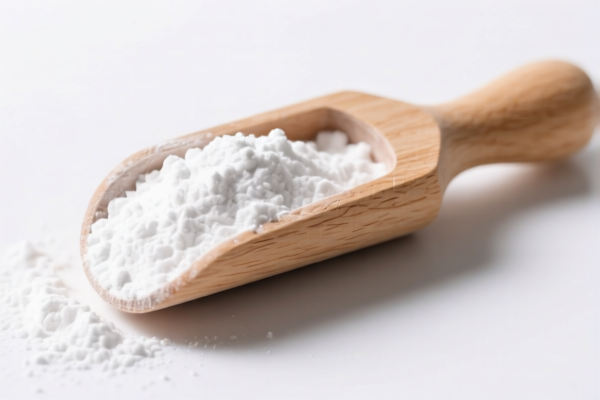
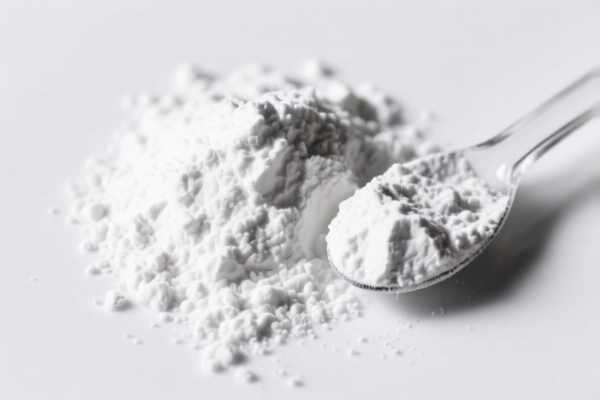
AI Analysis
🏭 Casting Sand Desulfurization Agent (Metal Treatment Chemicals)
🌐 HS Code Reference & Customs Clearance Guide | 2026 Tariff Analysis for US Imports | Professional Customs Strategy
📌 I. Product Definition & Classification: What is "Casting Sand Desulfurization Agent"?
Casting Sand Desulfurization Agents are specialized chemical additives used in the foundry industry, specifically for desulfurization of molten metal (such as iron or steel) before or during the casting process. Their primary function is to reduce sulfur content in the metal, improving mechanical properties and preventing defects like hot cracking.
In international trade, these products are classified under Chapter 38 (Miscellaneous Chemical Products) because they are chemical preparations used for industrial processing rather than raw minerals alone.
⚠️ Key Classification Logic:
- If the agent is a mixture of chemicals (e.g., magnesium-based, calcium-based) specifically formulated for desulfurization → It falls under Heading 3810 (Preparations for use in metal treatment) or Heading 3824 (Prepared binders for foundry molds/metal treatment preparations not elsewhere specified).
- Material Conflict: Do not classify as raw sulfur (2503) or raw magnesium (7001). These are chemical preparations.
📦 II. HS Code Classification Details (2026 Latest Tariff Authority)
Based on the provided data, the following HS Codes are applicable. Note that 3824.99.93.97 appears twice in the source data with identical descriptions and tax rates, indicating it is a primary "fallback" or specific sub-category for chemical preparations.
| HS Code | Product Description | Application Scenario | Classification Logic |
|---|---|---|---|
3810.90.50.00 |
Chemical preparations for metal treatment, auxiliary preparations, suitable for casting desulfurization. | Specific desulfurization agents for foundry use. | ✅ Best Fit: Explicitly mentions "metal treatment" and "casting". |
3824.99.93.97 |
Chemical products and preparations; desulfurization agents fall under chemical preparations, fitting other residual categories. | General chemical desulfurizers not specifically listed elsewhere. | ✅ Fallback: Used when no specific 3810 subheading fits perfectly; "Other" category. |
3810.10.00.00 |
Acid pickling and related chemical preparations for metal surfaces; desulfurization purpose matches, no material conflict. | Surface treatment agents that may include desulfurization properties. | ⚠️ Less Likely: Primarily for "acid pickling," but acceptable if the agent is also used for surface cleaning. |
3824.99.93.86 |
Magnesium-containing desulfurization mixtures, fitting chemical preparation classification logic, suitable for casting. | Magnesium-based desulfurizers. | ✅ Specific Material: Only applies if the agent is explicitly magnesium-based. |
🔍 Critical Reminder:
- Primary Recommendation: Use3810.90.50.00if the product is specifically marketed/formulated for casting desulfurization.
- Secondary Option: Use3824.99.93.97if the product is a general chemical preparation for desulfurization not specifically covered by 3810.
- Material Specificity: If the agent is magnesium-based, consider3824.99.93.86to potentially clarify the composition, though the tariff rate remains the same.
- Avoid Misclassification: Do not classify as raw materials (e.g., Sulfur, Magnesium metal) if it is a preparation/mixture.
💰 III. 2026 Latest Tariff Rate Details (Including Additional Taxes & Policy Surcharges)
✅ Applicable Country: United States (US)
✅ Country of Origin: China (CN)
✅ Effective Date: November 10, 2025 (and subsequent imports)
🎯 1. All Applicable HS Codes (3810.90.50.00, 3824.99.93.97, 3810.10.00.00, 3824.99.93.86)
| Item | Content |
|---|---|
| Base Duty Rate | 5.0% (ad valorem) |
| Section 301 Additional Duty | +25.0% (USITC Footnote) |
| Section 122 Duty / IEEPA Surcharge | +10.0% (Targeting China-origin goods) |
| Total Effective Tariff Rate | 40.0% |
| Tax Calculation | CIF Value × 40% |
| De Minimis Exemption Available? | ❌ NO (Not eligible for $800 de minimis exemption due to Section 301/122 duties) |
| Legal Authority Path | Base Tariff: 3810/3824 → Section 301: +25% → Section 122/IEEPA: +10% |
📌 Explanation:
- "Base Duty 5%": Standard Most Favored Nation (MFN) rate for Chapter 38 chemical preparations.
- "Additional Duty 25%": Imposed under Section 301 of the Trade Act of 1974 on specific Chinese imports, including chemical preparations.
- "Section 122 Duty 10%": An additional surcharge applied to certain Chinese goods, further increasing the cost.
- Total 40%: This is a high tariff barrier. Importers must factor this into their landed cost calculations.
- No De Minimis: Unlike some low-duty items, these chemical preparations cannot be imported via small packages under the $800 de minimis rule due to the additional duties.
🛠️ IV. Customs Clearance Practical Advice (Battle-Tested Pitfall Guide)
✅ 1. Document Preparation Checklist (Non-negotiable)
| Document | Mandatory? | Description |
|---|---|---|
| ✅ Product Specification Sheet | ✔️ | Must detail chemical composition, active ingredients (e.g., Mg content), and intended use (desulfurization). |
| ✅ Safety Data Sheet (SDS) | ✔️ | Required for chemical safety compliance; must align with HS Code classification. |
| ✅ Commercial Invoice | ✔️ | Clearly state "Casting Sand Desulfurization Agent" or "Chemical Preparation for Metal Treatment." Avoid vague terms like "Industrial Chemical." |
| ✅ Certificate of Origin (CO) | ✔️ | Essential to prove China origin and apply (or dispute) additional duties. |
| ✅ Packing List | ✔️ | Detail net/gross weight; ensure no raw metal pieces are mixed in. |
| ✅ Import License | ⚠️ Check | Verify if specific environmental or chemical import licenses are required. |
✅ 2. Declaration Tips (Key Mantra)
🔥 "Clear Name, Exact HS, No Raw Materials!"
| Scenario | Correct Declaration | Incorrect Practice |
|---|---|---|
| Chemical Mixture | 3810.90.50.00 |
Misdeclare as "Metal Alloy" → 20%+ duties + seizure |
| Magnesium-Based | 3824.99.93.86 |
Misdeclare as "Magnesium Metal" → Higher duties + regulatory scrutiny |
| Surface Treatment | 3810.10.00.00 |
Misdeclare as "Pickling Acid" → If not acidic, classification error |
| General Chemical | 3824.99.93.97 |
Misdeclare as "Raw Sulfur" → 0% base but 25% additional → Risk of penalty |
📌 Note: Ensure the chemical composition matches the HS Code description. If the product is a mixture, it must be classified under 3824 or 3810, not as a raw substance.
✅ 3. Special Case Handling
| Scenario | Handling Advice |
|---|---|
| OEM Custom Desulfurizer | Provide a letter from the manufacturer confirming the chemical formulation and intended use in casting. |
| Mixed with Binders | If the desulfurizer is pre-mixed with sand binders, it may still fall under 3824 (prepared binders), but confirm with customs. |
| Small Sample Shipments | Do not use de minimis ($800) entry. Declare formally to avoid penalties for duty evasion. |
| High-Magnesium Content | If Mg content is >80%, consider if it qualifies as 7001 (Magnesium metal), but usually, if it's a preparation for desulfurization, 3824 is safer to avoid "metal" classification complexities. |
🌍 V. Global Main Market Comparison (2026 Latest)
| Country/Region | Recommended HS Code | Duty Rate | Certification Required | Remarks |
|---|---|---|---|---|
| 🇺🇸 USA | 3810.90.50.00 |
40% (5% + 25% + 10%) | No special certification | High duty due to Section 301 & 122. |
| 🇨🇳 China | 3810.90.50.00 |
5% | None | Standard import duty. |
| 🇪🇺 EU | 3824.99.90 |
~6.5% | REACH Registration | No Section 301/122 duties. |
| 🇯🇵 Japan | 3824.99.90 |
5-6% | None | Standard MFN rate. |
| 🇬🇧 UK | 3824.99.90 |
5-6% | None | Post-Brexit tariff applies. |
📌 Conclusion:
- USA is the most expensive market for this product due to 40% total duty.
- EU, Japan, and UK offer significantly lower duties (~6%), making them more cost-effective if exporting from China.
- Cost Optimization: Consider supply chain diversification or tariff engineering if targeting the US market.
📌 VI. Common Errors & Pitfall Guide (Lessons Learned)
❌ Error 1: Declaring as "Raw Sulfur" (HS 2503) to avoid duties.
👉 Consequence: Customs will reject the declaration if it's a chemical preparation. Result: Seizure + Fine.
👉 Correction: Use 3810 or 3824.
❌ Error 2: Using "Industrial Chemical" as a generic description.
👉 Consequence: Customs may classify under the highest duty rate or require additional documentation. Result: Delay + Demurrage.
👉 Correction: Specify "Desulfurization Agent for Casting".
❌ Error 3: Ignoring the 10% Section 122 Duty.
👉 Consequence: Underpaying duties by 10%. Result: Back taxes + Interest.
👉 Correction: Ensure all four components (5% + 25% + 10% + 0% admin fees) are accounted for.
❌ Error 4: Misclassifying Magnesium-based agents as "Metal".
👉 Consequence: If classified as metal, it may require different environmental permits. Result: Regulatory Hurdle.
👉 Correction: Classify as Chemical Preparation (3824) if it's a mixture/formulation.
✅ Correct Approach:
"Casting Sand Desulfurization Agent, Chemical Preparation, Contains Magnesium Compounds, For Use in Foundry, HS Code 3810.90.50.00"
🎯 VII. Conclusion: Professional Declaration, Cost Savings, Risk Mitigation!
🎯 Remember the Mantra:
🔹 "Chemical Preparation, Not Raw Material; HS 3810/3824 is Key."
🔹 "40% Total Duty in US; Plan Your Landed Cost Accordingly!"
🔹 "No De Minimis; Formal Entry Only!"
📌 Pro Tip:
If your desulfurization agent is not produced in China (e.g., produced in Vietnam, Mexico, or India), you may be eligible for lower or zero Section 301/122 duties.
Recommendation: Apply for a Pre-Ruling (Advance Ruling) from US Customs and Border Protection (CBP) to confirm the HS Code and duty applicability before shipping.
📣 Immediate Action:
📞 Contact a Licensed Customs Broker + Provide Product SDS + Apply for HS Code Pre-Ruling
🚀 Ensure your Casting Sand Desulfurization Agent cleans through customs, avoids penalties, and maximizes profit margins!
✨ Professional Customs, Starting with Accurate Classification!
💼 Every Percent of Duty Counts!
Customer Reviews
About HS Code Classification
The Harmonized System (HS) is an internationally standardized nomenclature developed by the World Customs Organization (WCO) to classify traded products. Over 200 countries use the HS system as the basis for customs tariffs, trade statistics, and import/export regulations.
Each HS code follows a hierarchical structure:
- Chapter (2 digits) — Broad category of goods (e.g., Chapter 84: Machinery and Mechanical Appliances)
- Heading (4 digits) — More specific grouping within the chapter
- Subheading (6 digits) — Internationally standardized breakdown, used by all WCO member countries
- National subdivisions (8-10 digits) — Country-specific extensions for further classification, such as US HTSUS 10-digit codes
Correct HS code classification is essential for smooth customs clearance, accurate duty payment, and compliance with trade regulations. Misclassification can lead to customs delays, overpayment of duties, or penalties.
When importing from CN to US, the applicable tariff rates may include:
- Most-Favored-Nation (MFN) rate — The standard duty rate applied to WTO members
- General rate — Applied to countries without trade agreements
- Trade remedy duties — Additional tariffs such as Section 301 (anti-dumping), Section 232 (national security), or countervailing duties
The information provided on this page is for reference purposes only. For official classification, please consult with your local customs authority or a licensed customs broker.