Casual Cotton Handbags
CN → US| HS Code | Tariff Rate | Origin | Destination | Doc |
|---|---|---|---|---|
| 4202920805 | 42.0% | CN | US | Official Doc |
| 6307908940 | 17.0% | CN | US | Official Doc |
| 6307909891 | 24.5% | CN | US | Official Doc |
| 6305200000 | 23.7% | CN | US | Official Doc |
| 4202224020 | 42.4% | CN | US | Official Doc |
Product Images
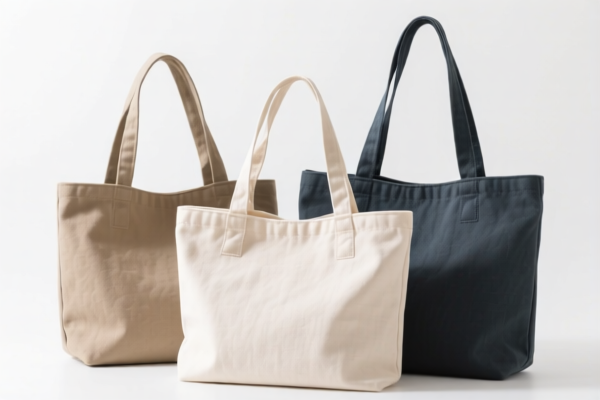
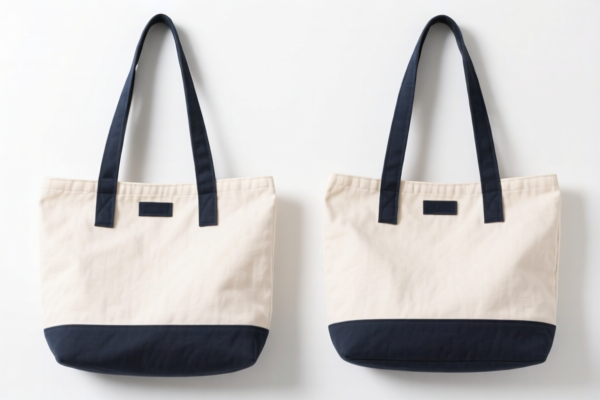
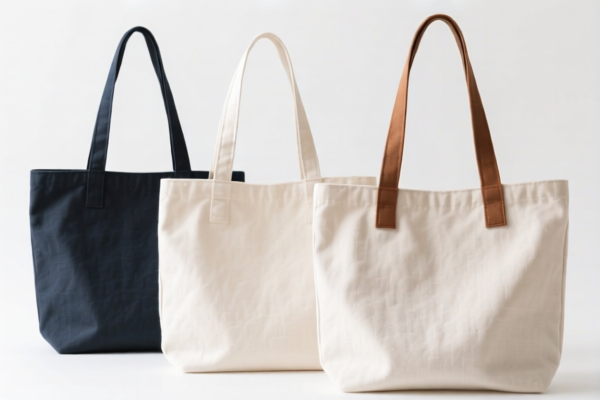
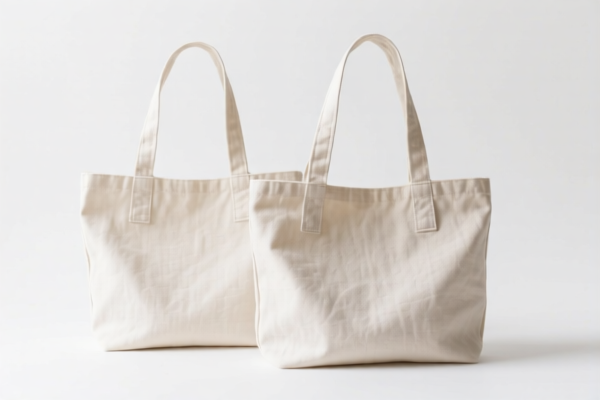
AI Analysis
👜 Casual Cotton Handbags: HS Code Classification & 2026 Tax Strategy
🌐 HS Code Reference & Clearance Guide | 2026 Latest Tariff Analysis | Professional Clearance Strategy
📌 Part I: Product Definition & Classification: Do You Really Understand "Cotton Handbags"?
Casual cotton handbags are versatile accessory items primarily used for daily carry. In international trade (specifically US Customs), they fall into two main categories based on structure and material composition:
- Textile/Linen Handbags (Chapter 63): Made entirely or predominantly of cotton fabric, lacking the hard structures or leather surfaces typical of fashion luggage.
- Articles of Leather or Textile Materials (Chapter 42): Often include reinforced structures, leather trims, or are classified under "other" bags if they don't fit specific textile definitions strictly.
⚠️ Key Distinction Point:
- If the bag is primarily cotton fabric with no significant leather/structural reinforcement → Typically falls under Chapter 63 (Other made-up textile articles).
- If the bag is considered a "bag with outer surface of textile materials" but structured as a fashion accessory → May fall under Chapter 42 (Articles of leather; articles of travel goods, handbags...).
📦 Part II: HS Code Classification Details (2026 Latest Tariff Authoritative Comparison)
| HS Code | Product Description | Applicable Scenario | Tax Detail Breakdown | Total Tax |
|---|---|---|---|---|
4202.92.08.05 |
Casual tote bag, material cotton, form: bag category | Fashion tote with structured shape | Base: 7.0%, Section 301: 25.0%, 122 Clause: 10% | 42.0% |
6307.90.89.40 |
Casual cotton tote, material cotton, fits cotton goods description | Pure cotton textile bag, loose fit | Base: 7.0%, Section 301: 0.0%, 122 Clause: 10% | 17.0% |
6307.90.98.91 |
Cotton casual tote, finished consumer good, material cotton, non-specific definition | General finished cotton bag, non-textile specific | Base: 7.0%, Section 301: 7.5%, 122 Clause: 10% | 24.5% |
6305.20.00.00 |
Pure cotton fabric handbag, form: sack/bag | Soft-sided cotton pouch/sack type | Base: 6.2%, Section 301: 7.5%, 122 Clause: 10% | 23.7% |
4202.22.40.20 |
Pure cotton fabric handbag, outer surface textile, made of cotton | Structured cotton bag with textile outer | Base: 7.4%, Section 301: 25.0%, 122 Clause: 10% | 42.4% |
🔍 Key Reminder:
- Chapter 63 (6307/6305) generally carries lower or zero Section 301 tariffs for pure cotton items, resulting in 17%–24.5% total rates.
- Chapter 42 (4202) attracts full Section 301 tariffs (25%) for most handbag structures, resulting in 42%–42.4% total rates.
- The difference between 17% and 42% is huge! Proper classification can save 25% in duties.
💰 Part III: 2026 Latest Tariff Rate Details (Including Additional Taxes & Policy Surcharges)
✅ Applicable Country: United States (US)
✅ Country of Origin: China (CN)
✅ Effective Date: 2025/2026 Current Rates
🎯 1. 6307.90.89.40 —— Casual Cotton Tote (Lowest Tax Option)
| Item | Content |
|---|---|
| Base Rate | 7.0% |
| Section 301 Surcharge | 0.0% (Exempt from 301 duties for this specific cotton subtype) |
| 122 Clause Surcharge | 10.0% (Bipartisan Trade Partnership/Counter-Terrorism funding) |
| Total Rate | 17.0% |
| Tax Calculation | CIF Value × 17% |
| De Minimis Eligibility | ❌ No (Deny de minimis if value > $800, but here we assume commercial shipment) |
| Legal Basis Path | USITC:6307.90.89.40 → FOOTNOTE:301_Exemption_Cotton |
📌 Explanation:
- This code is for pure cotton textile bags that fall under "other made-up textile articles."
- Crucially, it often escapes the 25% Section 301 tariff, making it the most cost-effective for pure cotton totes.
- The 10% 122 Clause is mandatory for most Chinese imports.
🎯 2. 4202.92.08.05 & 4202.22.40.20 —— Structured Cotton Handbags (High Tax)
| Item | Content |
|---|---|
| Base Rate | 7.0% – 7.4% |
| Section 301 Surcharge | 25.0% (Standard 301 duty on handbags) |
| 122 Clause Surcharge | 10.0% |
| Total Rate | 42.0% – 42.4% |
| Tax Calculation | CIF Value × 42.0%+ |
| De Minimis Eligibility | ❌ No |
📌 Explanation:
- If the bag is classified as a "handbag" under Chapter 42, it triggers the 25% Section 301 duty.
- Even if made of cotton, the form factor (structured, handles, zipper) pushes it into Chapter 42.
- 42% total tax is nearly 2.5x higher than the 17% option.
🎯 3. 6307.90.98.91 & 6305.20.00.00 —— Mid-Range Options
| Item | Content |
|---|---|
| Base Rate | 6.2% – 7.0% |
| Section 301 Surcharge | 7.5% (Partial 301 exemption or different footnote) |
| 122 Clause Surcharge | 10.0% |
| Total Rate | 23.7% – 24.5% |
| Tax Calculation | CIF Value × 24.5% |
📌 Explanation:
- These codes apply to cotton bags that are finished consumer goods but don't qualify for the full 301 exemption of6307.90.89.40.
- 24.5% is still significantly better than Chapter 42 rates.
🛠️ Part IV: Clearance Practical Advice (Real-World Pitfall Avoidance Guide)
✅ 1. Essential Documentation Checklist (Non-Negotiable)
| Document | Required? | Notes |
|---|---|---|
| ✅ Product Specification Sheet | ✔️ | Must specify: 100% Cotton, Fabric Weight, Dimensions, Zipper Type |
| ✅ Composition Label Photo | ✔️ | Clear photo of the "Made in China" and "100% Cotton" label |
| ✅ Commercial Invoice | ✔️ | Description: "Cotton Tote Bag, Textile Material, No Leather" |
| ✅ Packing List | ✔️ | Show unit count and gross weight |
| ✅ Origin Certificate | ✔️ | If applicable, for any potential FTZ exemptions (rare for CN) |
✅ 2. Declaration Tips (Key Mantra)
🔥 "Pure Cotton = Chapter 63 = Lower Tax! Structured = Chapter 42 = High Tax!"
| Scenario | Correct Declaration | Wrong Practice |
|---|---|---|
| Soft, unstructured cotton bag | 6307.90.89.40 |
Misdeclare as 4202 → 42% tax |
| Bag with leather handles/trim | 4202.92.08.05 |
Try to hide leather → Audit risk |
| Standard cotton tote | 6307.90.89.40 |
Use vague "Handbag" → Higher rate |
| Cotton bag with metal frame | 4202.22.40.20 |
Ignore structure → Wrong code |
📌 Critical Note:
- If your bag has any leather components (even 10%), it may be forced into Chapter 42.
- Pure cotton with no leather, no plastic coating → Aim for6307.90.89.40.
✅ 3. Special Case Handling
| Situation | Handling Advice |
|---|---|
| OEM Custom Bags | Provide design drawings showing no leather. Emphasize "Textile Only." |
| Lining Material | If lining is polyester, state "Outer: 100% Cotton, Lining: Polyester." Still likely 6307. |
| Metal Hardware | Zippers/buttons are negligible. Do not trigger Chapter 42. |
| Packaging | Ship in polybags, not gift boxes with rigid structure, to emphasize "textile" nature. |
🌍 Part V: Global Market Clearance Comparison (2026 Latest)
| Country/Region | Recommended HS Code | Tax Rate (China Origin) | Certification Required | Notes |
|---|---|---|---|---|
| 🇺🇸 USA | 6307.90.89.40 |
17.0% | None | Best Option. Avoid Chapter 42 (42%) |
| 🇺🇸 USA | 4202.92.08.05 |
42.0% | None | High cost. Only if leather is present |
| 🇨🇳 China | 6307.90.89.40 |
9.0% | None | Lower import duty than US |
| 🇪🇺 EU | 6307.90.89.40 |
6.5% | CE (if functional) | No 301-style surcharges |
| 🇬🇧 UK | 6307.90.89.40 |
6.5% | UKCA | Post-Brexit rules apply |
| 🇯🇵 Japan | 6307.90.89.40 |
10.0% | None | Stable rates |
📌 Conclusion:
- USA is the most critical market for classification strategy.
- China-origin cotton bags in the US face a 25% gap between Chapter 63 and 42.
- Opt for6307.90.89.40if possible to save 25% in duties.
📌 Part VI: Common Errors & Pitfall Guide (Blood & Tears Lessons)
❌ Error 1: Calling it "Handbag" in the invoice and using 4202
👉 Consequence: 42% tax instead of 17%. Loss of 25% profit margin!
❌ Error 2: Ignoring leather trims
👉 Consequence: If leather >5%, customs may reclassify to 4202.92.08.05. Audit risk & back taxes.
❌ Error 3: Vague description "Cotton Bag"
👉 Consequence: Customs officer chooses highest possible rate (4202). Always specify "Textile, No Leather."
❌ Error 4: Assuming all cotton bags are same
👉 Consequence: 6305.20.00.00 (23.7%) vs 6307.90.89.40 (17%). Precision matters!
✅ Correct Approach:
"Cotton Tote Bag, 100% Cotton Fabric, No Leather, No Structural Reinforcement, For Casual Use"
🎯 Part VII: Conclusion: Professional Declaration Saves Money!
🎯 Remember the Mantra:
🔹 "Pure Cotton = Chapter 63 = 17%! Structured = Chapter 42 = 42%!
🔹 "HS Code Determines Destiny, 25% Difference is Huge!
🔹 "Declare 'Textile,' Avoid 'Leather,' Save Cash!"
📌 Pro Tip:
- If your bag has any leather component, 42% is unavoidable.
- For pure cotton, always insist on 6307.90.89.40.
- Apply for Advance Ruling from US Customs (CBP) if shipping large volumes.
- Document the "No Leather" claim with photos and specs.
📣 Immediate Action:
📞 Consult your customs broker with "100% Cotton, No Leather" specification.
🚀 Use6307.90.89.40to maximize profit margins.
📦 Avoid4202unless necessary (leather/structure).
✨ Professional Clearance Starts with Accurate Classification!
💼 Your Cost Efficiency Depends on the Right HS Code!
Customer Reviews
About HS Code Classification
The Harmonized System (HS) is an internationally standardized nomenclature developed by the World Customs Organization (WCO) to classify traded products. Over 200 countries use the HS system as the basis for customs tariffs, trade statistics, and import/export regulations.
Each HS code follows a hierarchical structure:
- Chapter (2 digits) — Broad category of goods (e.g., Chapter 84: Machinery and Mechanical Appliances)
- Heading (4 digits) — More specific grouping within the chapter
- Subheading (6 digits) — Internationally standardized breakdown, used by all WCO member countries
- National subdivisions (8-10 digits) — Country-specific extensions for further classification, such as US HTSUS 10-digit codes
Correct HS code classification is essential for smooth customs clearance, accurate duty payment, and compliance with trade regulations. Misclassification can lead to customs delays, overpayment of duties, or penalties.
When importing from CN to US, the applicable tariff rates may include:
- Most-Favored-Nation (MFN) rate — The standard duty rate applied to WTO members
- General rate — Applied to countries without trade agreements
- Trade remedy duties — Additional tariffs such as Section 301 (anti-dumping), Section 232 (national security), or countervailing duties
The information provided on this page is for reference purposes only. For official classification, please consult with your local customs authority or a licensed customs broker.