Casual Crossbody Bag
CN → US| HS Code | Tariff Rate | Origin | Destination | Doc |
|---|---|---|---|---|
| 4202224010 | 42.4% | CN | US | Official Doc |
| 4202227000 | 42.0% | CN | US | Official Doc |
| 4202920805 | 42.0% | CN | US | Official Doc |
| 6307908940 | 17.0% | CN | US | Official Doc |
| 6307909891 | 24.5% | CN | US | Official Doc |
Product Images
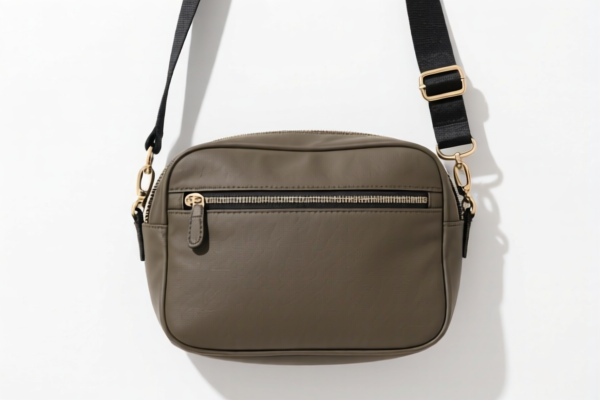
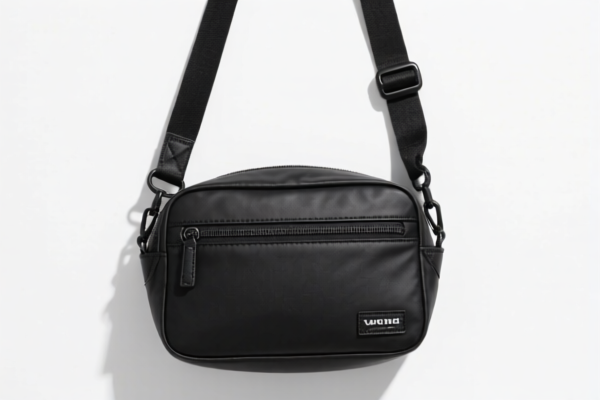
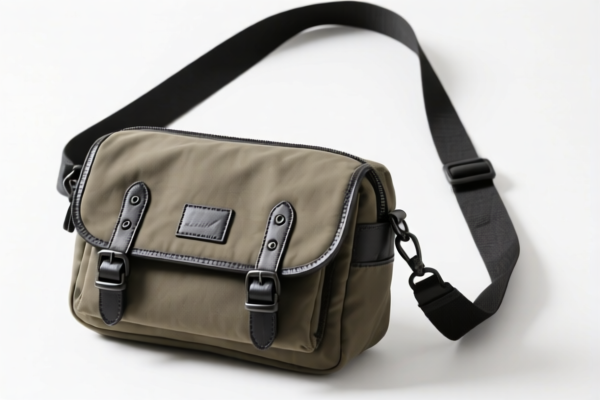
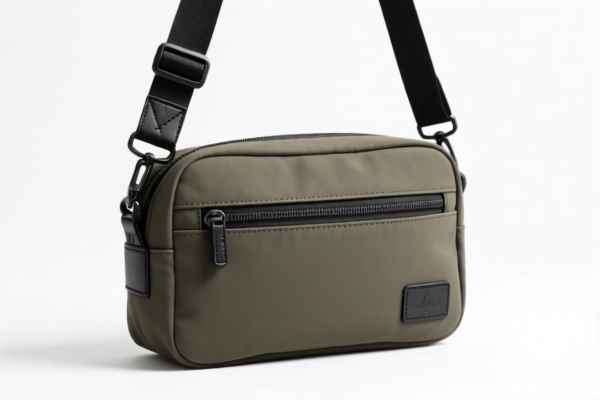
AI Analysis
👜 Casual Crossbody Bags & Totes: The Silk vs. Cotton Dilemma
🌐 HS Code Reference & Customs Clearance Guide | 2024-2026 Tariff Analysis | Professional Clearance Strategy 📌 I. Product Definition & Classification: Are You Shipping a "Bag" or "Textile"?
"Casual Crossbody Bag" is a broad term that often leads to catastrophic misclassification due to material differences. In international trade, the distinction between a finished article of leather/fashion material (Chapter 42) and a textile article (Chapter 63) determines your tax burden by up to 25%.
Key Distinction: * Fashion/Accessories Bags (Chapter 42): Bags made of leather, recovery leather, or specific textile surfaces where the bag itself is the primary identity. These are subject to Section 301 (25%) + Section 122 (10%) penalties. * Textile/Cotton Goods (Chapter 63): Bags made primarily of cotton textile, often classified as "Other made-up articles." Note: Some cotton bags may qualify for lower duties if classified as "Other," but many still attract the 10% Section 122 tariff.
⚠️ Critical Warning:
- If the outer surface contains silk or is classified as a fashion accessory, it likely falls under 4202.
- If it is purely cotton and considered a "made-up textile article," it might fall under 6307, potentially avoiding the 25% Section 301 tariff, but NOT the 10% Section 122 tariff.
📦 II. HS Code Classification Matrix (Data-Driven Analysis)
Based on the provided dataset, here is the precise breakdown for "Casual Crossbody Bags" based on material composition.
| HS Code | Product Summary | Material Key Factor | Classification Logic |
|---|---|---|---|
| 4202.22.40.10 | Silk Crossbody Bag | 100% Silk | Classified as "Articles of apparel or clothing accessories" made of silk. Treated as a luxury fashion item. |
| 4202.22.70.00 | Silk-Featured Crossbody Bag | Textile with Silk Surface | Classified as "Other" textile bags but still under Chapter 42 due to the "silk surface" feature. |
| 4202.92.08.05 | Cotton Tote Bag | Cotton/Canvas | Classified under "Other bags" (not apparel). Still Chapter 42, so high tariffs apply. |
| 6307.90.89.40 | Cotton Casual Tote | Cotton (Consumer Good) | Classified as "Other made-up articles; other finished products." Crucial: Avoids the 25% Section 301 tariff. |
| 6307.90.98.91 | Cotton Casual Tote | Cotton (Other Made-up) | Similar to above but categorized under "Other." Avoids 25% Section 301, but retains 7.5% Section 301. |
💰 III. Detailed Tariff Breakdown (2024-2026 Rates)
✅ Applicable Country: United States (US)
✅ Origin: China (CN)
✅ Effective Date: Current rates apply (including Section 301 & Section 122)
🎯 1. Chapter 42: Luggage/Handbags (High Risk)
A. 4202.22.40.10 – Silk Crossbody Bag
| Item | Detail |
|---|---|
| Base Duty | 7.4% |
| Section 301 Duty | +25.0% |
| Section 122 Duty | +10.0% |
| Total Rate | 42.4% |
| De Minimis Exemption? | ❌ NO (Valued > $800 threshold or excluded category) |
| Legal Path | HTSUS:4202.22.40.10 → Section 301 (Footnote 9903.88.01) → Section 122 |
B. 4202.22.70.00 – Silk-Featured Bag
| Item | Detail |
|---|---|
| Base Duty | 7.0% |
| Section 301 Duty | +25.0% |
| Section 122 Duty | +10.0% |
| Total Rate | 42.0% |
| De Minimis Exemption? | ❌ NO |
| Legal Path | HTSUS:4202.22.70.00 → Section 301 → Section 122 |
C. 4202.92.08.05 – Cotton Tote (Chapter 42)
| Item | Detail |
|---|---|
| Base Duty | 7.0% |
| Section 301 Duty | +25.0% |
| Section 122 Duty | +10.0% |
| Total Rate | 42.0% |
| De Minimis Exemption? | ❌ NO |
| Note | Even though it’s cotton, being classified under 4202 (Bags) subjects it to the full 25% Section 301 tariff. |
🎯 2. Chapter 63: Other Made-Up Textile Articles (Cost-Saving Potential)
D. 6307.90.89.40 – Cotton Casual Tote (Best Case)
| Item | Detail |
|---|---|
| Base Duty | 7.0% |
| Section 301 Duty | 0.0% |
| Section 122 Duty | +10.0% |
| Total Rate | 17.0% |
| De Minimis Exemption? | ❌ NO (Section 122 applies regardless of value) |
| Legal Path | HTSUS:6307.90.89.40 → Section 122 (Uyghur Forced Labor Prevention Act or related trade measures) |
| Savings | 25% lower than Chapter 42 alternatives! |
E. 6307.90.98.91 – Cotton Casual Tote (Alternative)
| Item | Detail |
|---|---|
| Base Duty | 7.0% |
| Section 301 Duty | +7.5% |
| Section 122 Duty | +10.0% |
| Total Rate | 24.5% |
| De Minimis Exemption? | ❌ NO |
| Legal Path | HTSUS:6307.90.98.91 → Section 301 (Footnote 9903.01.24) → Section 122 |
🛠️ IV. Customs Clearance Practical Advice (Avoiding Pitfalls)
✅ 1. Material Declaration is Critical
- Silk Bags: Must declare "100% Silk" or "Silk Outer Surface." Expect 42-42.4% duty.
- Cotton Bags: Do NOT declare as "Handbag" or "Fashion Accessory" if possible. Declare as "Cotton Tote Bag" or "Cotton Shopping Bag" to target 6307.
- Why? Chapter 63 items are often viewed as "household/textile goods" rather than "luxury fashion," allowing for the 0% Section 301 rate (for
6307.90.89.40).
- Why? Chapter 63 items are often viewed as "household/textile goods" rather than "luxury fashion," allowing for the 0% Section 301 rate (for
✅ 2. The "Section 122" Trap
- Warning: Even if you save the 25% Section 301 tariff by using Chapter 63, ALL Chinese-origin bags are subject to the 10% Section 122 tariff.
- Result: The cheapest option is 17% (
6307.90.89.40), not 7%. Never assume duty-free clearance for Chinese textiles.
✅ 3. Documentation Checklist
| Document | Requirement |
|---|---|
| Commercial Invoice | Must clearly state material composition (e.g., "100% Cotton, Woven") and function ("Tote Bag, Non-Travel"). |
| Product Photos | Show the entire bag, including lining and handles. Avoid images that look like "luxury fashion" (gold hardware, leather straps) if aiming for Chapter 63. |
| Labeling | Ensure care labels and origin tags ("Made in China") are visible in photos. |
| Section 122 Compliance | Ensure no forced labor components. Provide supply chain transparency documents if requested. |
✅ 4. Strategic Classification Tips
- For Silk: Accept the 42% rate. It’s unavoidable under current trade policies for fashion accessories.
- For Cotton: Argue for
6307.90.89.40(17%) over4202.92.08.05(42%).- Argument: The item is a "casual tote" used for shopping/leisure, not a "handbag" for fashion/accessory purposes.
- Risk: US Customs (CBP) may challenge this. Have a strong defense with product usage data.
🌍 V. Global Market Comparison (2026 Outlook)
| Market | HS Code | Total Duty (China Origin) | Key Policy |
|---|---|---|---|
| 🇺🇸 USA | 6307.90.89.40 |
17.0% | Section 122 (10%) applies to all Chinese textiles. |
| 🇺🇸 USA | 4202.22.40.10 |
42.4% | Section 301 (25%) + Section 122 (10%). |
| 🇪🇺 EU | 4202.22 |
~12-15% | No Section 301. Standard MFN rates apply. |
| 🇨🇳 China | 4202.22 |
~10% | Import duty only. No additional penalties. |
📌 VI. Common Mistakes & How to Fix Them
❌ Mistake 1: Declaring a Cotton Tote as "Leather Handbag" because it has metal hardware. 👉 Fix: Declare accurately as "Cotton Tote Bag." Misclassification can lead to fraud penalties.
❌ Mistake 2: Assuming all bags are subject to 25% Section 301.
👉 Fix: Check Chapter 63. If it’s a simple cotton tote, it may fall under 6307.90.89.40 with 0% Section 301.
❌ Mistake 3: Ignoring Section 122. 👉 Fix: Budget for an additional 10% on all Chinese textile imports to the US, regardless of HS Code.
🎯 VII. Conclusion: Smart Classification = Savings
🎯 Key Takeaway:
"Silk = Fashion = 42% Duty"
"Cotton Tote = Textile = 17% Duty (Best Case)"
📌 Pro Tip:
If you are importing casual cotton bags, aim for 6307.90.89.40. This saves you 25% compared to Chapter 42 classifications. However, you cannot escape the 10% Section 122 tariff.
📞 Action Item:
1. Confirm material composition (Silk vs. Cotton).
2. If Cotton, prepare to argue for Chapter 63.
3. Calculate landed cost with 17% (min) to 42.4% (max) duty.
4. Consult a customs broker for a Pre-Ruling if volumes are high.
✨ Professional Clearance, Precision Savings!
💼 Don’t let tariff misclassification eat your margins!
Customer Reviews
About HS Code Classification
The Harmonized System (HS) is an internationally standardized nomenclature developed by the World Customs Organization (WCO) to classify traded products. Over 200 countries use the HS system as the basis for customs tariffs, trade statistics, and import/export regulations.
Each HS code follows a hierarchical structure:
- Chapter (2 digits) — Broad category of goods (e.g., Chapter 84: Machinery and Mechanical Appliances)
- Heading (4 digits) — More specific grouping within the chapter
- Subheading (6 digits) — Internationally standardized breakdown, used by all WCO member countries
- National subdivisions (8-10 digits) — Country-specific extensions for further classification, such as US HTSUS 10-digit codes
Correct HS code classification is essential for smooth customs clearance, accurate duty payment, and compliance with trade regulations. Misclassification can lead to customs delays, overpayment of duties, or penalties.
When importing from CN to US, the applicable tariff rates may include:
- Most-Favored-Nation (MFN) rate — The standard duty rate applied to WTO members
- General rate — Applied to countries without trade agreements
- Trade remedy duties — Additional tariffs such as Section 301 (anti-dumping), Section 232 (national security), or countervailing duties
The information provided on this page is for reference purposes only. For official classification, please consult with your local customs authority or a licensed customs broker.