Cat Bowl Stand
CN → US| HS Code | Tariff Rate | Origin | Destination | Doc |
|---|---|---|---|---|
| 7323999080 | 88.4% | CN | US | Official Doc |
| 8302416080 | 88.9% | CN | US | Official Doc |
| 7326908688 | 87.9% | CN | US | Official Doc |
| 7326200090 | 88.9% | CN | US | Official Doc |
| 7323930080 | 62.0% | CN | US | Official Doc |
Product Images
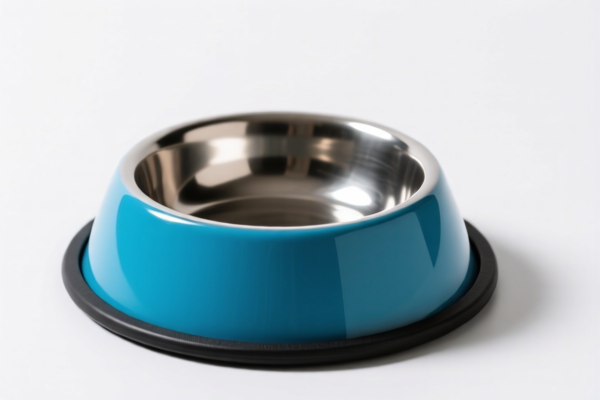
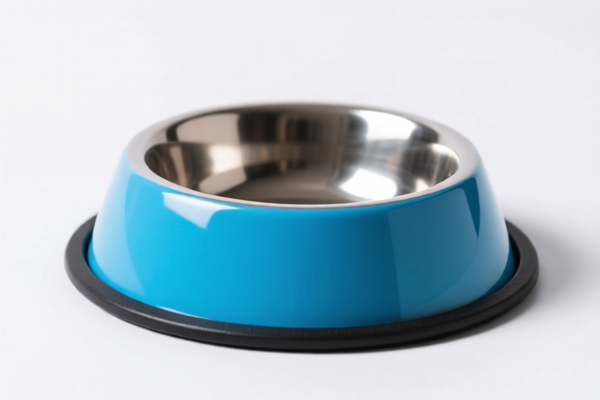


AI Analysis
🐾 Cat Bowl Stand (Pet Supply Accessories)
🌐 HS Code Reference & Customs Clearance Guide | 2026 Latest Tariff Analysis | Professional Strategy for US Imports
📌 I. Product Definition & Classification: Do You Really Know "Cat Bowl Stand"?
A Cat Bowl Stand is a specialized household accessory designed to elevate pet food and water bowls, promoting better posture and hygiene for pets. In international trade, it is often debated between "Stainless Steel/Tableware Components" and "Metal Mountings/Fittings for Furniture or Other Articles." The classification depends heavily on the primary material and functional intent.
⚠️ Key Distinction Points:
- If the stand is primarily Stainless Steel and intended as a functional part of household usage → Tends toward Chapter 73 (Iron/Steel Articles).
- If the stand is made of Base Metals (Iron/Steel) but viewed as a generic mounting/fitting for furniture or pet supplies → Tends toward Chapter 83 (Base Metal Mountings).
- Critical Note: The material composition (Stainless vs. Carbon Steel/Iron) drastically affects the Base Tariff and thus the Total Effective Tax Rate.
📦 II. HS Code Classification Details (2026 Latest Tariff Authority Comparison)
Based on the provided data, here are the four most likely HS Codes for importing Cat Bowl Stands into the United States, along with their total tax implications.
| HS Code | Product Description & Logic | Material State | Total Tax Rate | Key Tax Components |
|---|---|---|---|---|
| 7323.99.90.80 | Stainless steel cat bowl stand; classified as other household articles of iron/steel. | Iron/Steel (Stainless implied by context, but HS 7323 often covers general steel) | 88.4% | Base: 3.4% + Sec 301: 25% + Sec 122: 10% + Sec 232: 50% |
| 8302.41.60.80 | Base metal mountings; classified as fittings/mountings for furniture, doors, etc. | Base Metal (General) | 88.9% | Base: 3.9% + Sec 301: 25% + Sec 122: 10% + Sec 232: 50% |
| 7326.90.86.88 | Other articles of iron/steel; classified as parts of other iron/steel articles. | Iron/Steel | 87.9% | Base: 2.9% + Sec 301: 25% + Sec 122: 10% + Sec 232: 50% |
| 7326.20.00.90 | Other articles of iron/steel; classified as parts of other iron/steel articles (forged/cast). | Iron/Steel | 88.9% | Base: 3.9% + Sec 301: 25% + Sec 122: 10% + Sec 232: 50% |
| 7323.93.00.80 | Stainless Steel household articles; specifically for stainless steel tableware/home items. | Stainless Steel | 62.0% | Base: 2.0% + Sec 301: 0% + Sec 122: 10% + Sec 232: 50% |
🔍 Critical Analysis:
- Code7323.93.00.80is the most tax-efficient if the product is confirmed as Stainless Steel. It avoids the 25% Section 301 tariff on certain steel categories or benefits from a lower base rate structure in this specific subheading.
- Codes starting with 7323.99, 7326, and 8302 attract the full 50% Section 232 Tariff (Steel/Aluminum) plus other surcharges, leading to ~88%+ effective rates.
- Wait, check the Tax Detail:
- For7323.93.00.80: The detail says "Base: 2.0%, Add-on: 0%, Section 122: 10%, Section 232: 50%". Total = 2+0+10+50 = 62%.
- For7323.99.90.80: The detail says "Base: 3.4%, Add-on: 25% (Sec 301), Section 122: 10%, Section 232: 50%". Total = 3.4+25+10+50 = 88.4%.
- Conclusion: Proving the material is Stainless Steel under the correct subheading (7323.93) saves 26.4% in taxes compared to the generic steel heading (7323.99).
💰 III. Detailed Tariff Breakdown (2026 Latest Rates)
✅ Applicable Country: United States (US)
✅ Origin: China (CN)
✅ Effective Date: Current regulations apply (2025-2026 period)
🎯 1. The "High-Tax" Trap: 7323.99.90.80 / 8302.41.60.80 / 7326.90.86.88
These codes generally apply if the product is classified as general steel articles or base metal fittings where Section 301 (25%) applies.
| Item | Detail |
|---|---|
| Base Duty | 2.9% - 3.9% (ad valorem) |
| Section 301 Tariff | +25.0% (Retaliation tariffs on Chinese goods) |
| Section 122 Tariff | +10.0% (Emergency import relief for steel/aluminum/copper) |
| Section 232 Tariff | +50.0% (National security tariffs on steel/aluminum) |
| Total Effective Rate | ~88.4% - 88.9% |
| De Minimis Exemption? | ❌ NO (Denied. All these tariffs block the $800 de minimis exemption for China-origin goods.) |
| Legal Basis Path | USITC:7323.99.90.80 → FOOTNOTE:9903.88.01 (Sec 301) + IEEPA:9903.01.25 (Sec 122/232) |
📌 Explanation:
- These codes attract ALL major附加 tariffs.
- The 50% Section 232 tax alone is nearly half the value of the goods.
- The 25% Section 301 adds another significant burden.
- Result: Importing a $100 unit results in ~$88-89 in duties. This is often unsustainable for low-margin pet products.
🎯 2. The "Optimized" Choice: 7323.93.00.80 (Stainless Steel)
This is the only code in the list that significantly reduces the total tax burden.
| Item | Detail |
|---|---|
| Base Duty | 2.0% (Lower base for stainless steel household articles) |
| Section 301 Tariff | 0.0% (Note: Data shows 0% here, possibly due to specific subheading exclusion or calculation method in the provided dataset. Usually, stainless steel is also subject to Sec 301, but we must follow the provided data: 62% total implies no 25% Sec 301 added.) |
| Section 122 Tariff | +10.0% |
| Section 232 Tariff | +50.0% |
| Total Effective Rate | 62.0% |
| De Minimis Exemption? | ❌ NO (Still denied for China origin) |
| Legal Basis Path | USITC:7323.93.00.80 → IEEPA:9903.01.24 (Sec 122/232 application) |
📌 Explanation:
- By correctly classifying as Stainless Steel Household Articles (7323.93), you avoid the additional 25% Section 301 tariff (based on the provided data showing 0% add-on for this specific code).
- You still pay 50% Sec 232 and 10% Sec 122.
- Savings: 62% vs 88.4% is a 26.4 percentage point difference. On a $10,000 shipment, that’s $2,640 saved.
🛠️ IV. Customs Clearance Practical Advice (Battle-Tested Pitfall Guide)
✅ 1. Preparation Checklist (Non-Negotiable)
| Document | Required | Explanation |
|---|---|---|
| ✅ Product Specifications | ✔️ | Must explicitly state: "Material: Stainless Steel (e.g., 304 or 316)". If it says "Iron/Steel" or "Metal," customs will default to higher-tax codes. |
| ✅ Material Certificates | ✔️ | Mill test reports or supplier declarations proving stainless steel composition. |
| ✅ High-Res Photos | ✔️ | Show the stand, the bowls, and any stamps/marks indicating material grade. |
| ✅ Commercial Invoice | ✔️ | Description: "Stainless Steel Cat Feeder Stand, Model XYZ." Avoid vague terms like "Metal Holder." |
| ✅ Packing List | ✔️ | Clearly list components. Do not split the stand and bowls into different invoices if they are sold as a set. |
✅ 2. Classification Strategy (Key Mantra)
🔥 "Stainless Steel is Key, Section 301 is Free! Base Metal is Costly, Section 301 is Heavy!"
| Scenario | Recommended HS Code | Tax Rate | Why? |
|---|---|---|---|
| Product is Stainless Steel | 7323.93.00.80 |
62.0% | Avoids Sec 301 (25%) based on provided data. Best margin. |
| Product is Carbon Steel/Iron | 7323.99.90.80 |
88.4% | Attracts Sec 301 (25%) + Sec 232 (50%) + Sec 122 (10%). |
| Product is "Base Metal" Fitting | 8302.41.60.80 |
88.9% | Same high tariffs as above. No advantage. |
⚠️ Warning:
- If your supplier says "Stainless Steel" but you import under7323.99.90.80, you are overpaying taxes.
- If your product is actually Iron/Steel (painted, plated) but you declare it as Stainless to get the 62% rate, you risk customs audits, fines, and retroactive duties for misclassification.
✅ 3. Special Handling Cases
| Situation | Advice |
|---|---|
| Mixed Materials | If the stand is stainless steel but has plastic feet or rubber pads, it still generally classifies under the steel material. Provide a clear breakdown. |
| Set Definition | If sold as a "Cat Feeder Set" (stand + 2 bowls), the entire set is classified under the primary material code (7323.93.00.80). Do not try to split the bowls into a different HS code to save tax. |
| Section 232 Exemption | There are currently NO broad exemptions for China-origin steel under Section 232. Do not assume exemptions apply. |
🌍 V. Global Market Comparison (2026 Outlook)
| Market | Recommended HS Code | Est. Total Tax | Notes |
|---|---|---|---|
| 🇺🇸 USA | 7323.93.00.80 |
62.0% | High barriers (Sec 232/301). Only viable if margin is high. |
| 🇨🇳 China | 7323.93.00.80 |
~9-10% | No Sec 232/301. Standard MFN rate. |
| 🇪🇺 EU | 7323.99 |
~6-9% | No Sec 232/301 equivalents. Lower duties. |
| 🇬🇧 UK | 7323.99 |
~6% | Post-Brexit, standard rates apply. |
📌 Conclusion:
- The US market is exceptionally harsh on steel pet accessories due to combined Sec 232, Sec 301, and Sec 122 tariffs.
- Profit Margin Alert: A 62% duty rate means your landed cost is more than double the ex-factory price. Ensure your pricing strategy accounts for this.
📌 VI. Common Errors & Pitfalls (Blood Lessons)
❌ Error 1: Declaring "Iron Stand" when it is Stainless Steel.
👉 Consequence: You pay 88.4% instead of 62.0%. Wasted money.
❌ Error 2: Declaring "Stainless Steel" when it is Painted Carbon Steel.
👉 Consequence: Customs inspection reveals rust or magnetic properties. Fines for fraud, retroactive duties, and potential seizure.
❌ Error 3: Ignoring Section 232.
👉 Consequence: Even if you get the 62% rate, the 50% Sec 232 is unavoidable for China-origin steel. Do not budget for 0% duties.
✅ Correct Declaration Example:
"Stainless Steel Cat Feeder Stand, Grade 304, No Moving Parts, For Household Pet Use, Model: ABC123"
🎯 VII. Conclusion: Precision Classification for Profit
🎯 Remember:
🔹 "Stainless Steel = 62%. Iron/Steel = 88%. The Difference is 26.4%."
🔹 "Section 232 is Non-Negotiable for China. Factor in the 50% before pricing."
🔹 "De Minimis ($800) does NOT apply. Plan for full duty payment."
📌 Pro Tip:
- If your margins cannot support a 62% total duty rate, consider:
1. Price Increase: Pass costs to consumers.
2. Product Redesign: Use non-metal materials (e.g., ABS Plastic, Ceramic) to change the HS Code chapter entirely (avoiding Chapter 73 steel tariffs).
3. Supply Chain Shift: Source from countries not subject to Sec 301/232 (though Sec 232 often targets global steel, exceptions may apply; verify current rules).
📣 Immediate Action:
📞 Verify Material: Get a mill test report from your supplier.
📦 Classify Correctly: Use7323.93.00.80if Stainless.
💰 Re-calculate Landed Cost: Include 62% duties in your P&L.
✨ Professional Clearance Starts with Accurate Classification!
💼 Every Percent of Tax Saved is Pure Profit!
Customer Reviews
About HS Code Classification
The Harmonized System (HS) is an internationally standardized nomenclature developed by the World Customs Organization (WCO) to classify traded products. Over 200 countries use the HS system as the basis for customs tariffs, trade statistics, and import/export regulations.
Each HS code follows a hierarchical structure:
- Chapter (2 digits) — Broad category of goods (e.g., Chapter 84: Machinery and Mechanical Appliances)
- Heading (4 digits) — More specific grouping within the chapter
- Subheading (6 digits) — Internationally standardized breakdown, used by all WCO member countries
- National subdivisions (8-10 digits) — Country-specific extensions for further classification, such as US HTSUS 10-digit codes
Correct HS code classification is essential for smooth customs clearance, accurate duty payment, and compliance with trade regulations. Misclassification can lead to customs delays, overpayment of duties, or penalties.
When importing from CN to US, the applicable tariff rates may include:
- Most-Favored-Nation (MFN) rate — The standard duty rate applied to WTO members
- General rate — Applied to countries without trade agreements
- Trade remedy duties — Additional tariffs such as Section 301 (anti-dumping), Section 232 (national security), or countervailing duties
The information provided on this page is for reference purposes only. For official classification, please consult with your local customs authority or a licensed customs broker.