Cat Chair
CN → US| HS Code | Tariff Rate | Origin | Destination | Doc |
|---|---|---|---|---|
| 9403608093 | 35.0% | CN | US | Official Doc |
| 9403708031 | 35.0% | CN | US | Official Doc |
Product Images
AI Analysis
🐱 Cat Chair (Feline Furniture)
🌐 HS Code Reference & Customs Clearance Guide | 2026 Latest Tariff Analysis | Professional Clearance Strategy
📌 1. Product Definition and Classification: Do You Really Understand "Cat Chairs"?
Cat chairs, commonly known as pet furniture, are specialized furniture items designed for domestic cats. In international trade, they are classified under Chapter 94: Furniture; specifically, Heading 9403: Other furniture and parts thereof. The classification depends strictly on the primary material used in the construction of the chair.
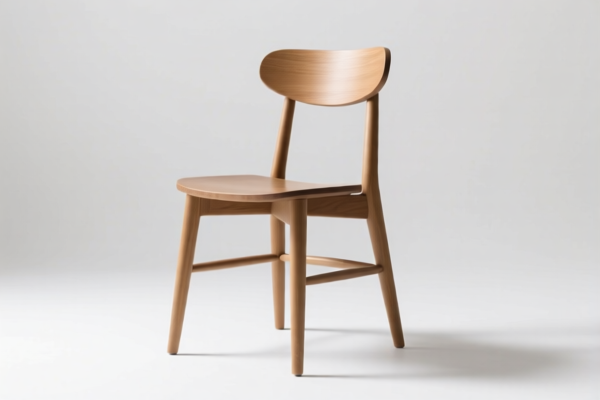
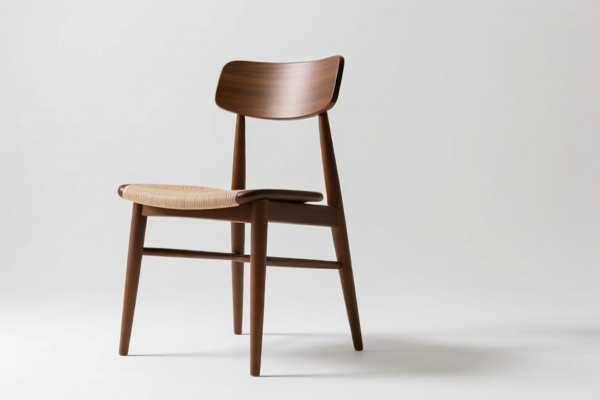
Wooden Cat Chairs: If the structural frame and main body are made primarily of wood (e.g., pine, oak, bamboo), they fall under "Wooden Furniture".
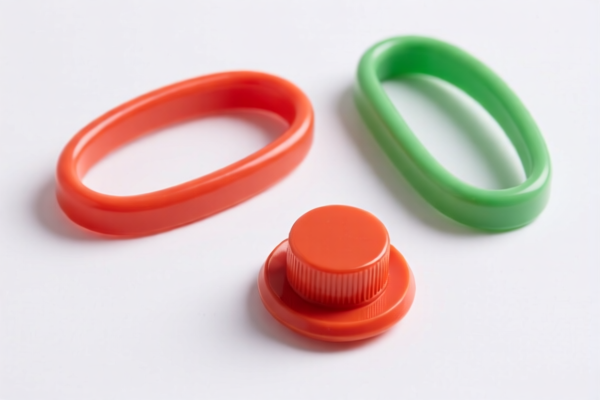
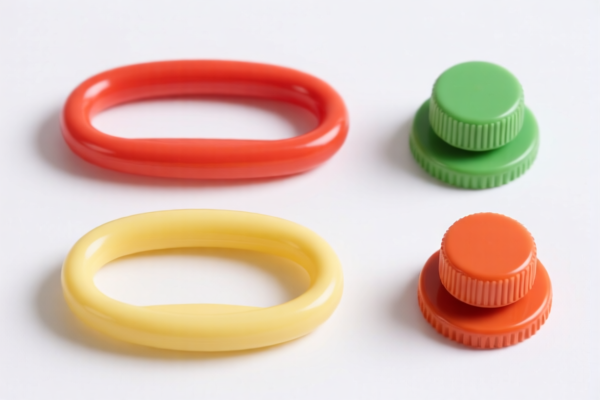
Plastic Cat Chairs: If the structure is made primarily of plastic (e.g., molded plastic, acrylic), they fall under "Furniture of Plastics".
⚠️ Key Distinction Point:
- If the frame is Wood (even with fabric cushions or carpet lining) → Classify as Wooden Furniture
- If the frame is Plastic (even with fabric cushions) → Classify as Plastic Furniture
- Note: Mixed materials are classified by the material constituting the essential character of the article.
📦 2. HS Code Classification Details (2026 Latest Tariff Authority Comparison)
Based on the provided data, here are the two primary HS Codes for Cat Chairs:
| HS Code | Product Description | Applicable Scenario | Primary Material |
|---|---|---|---|
9403.60.80.93 |
Other furniture: Other wooden furniture: Other Other: Other | Wooden cat trees, solid wood cat beds, wooden scratching posts | ✅ Wood |
9403.70.80.31 |
Other furniture: Furniture of plastics: Other Other | Plastic cat condos, molded plastic cat houses, synthetic resin cat furniture | ✅ Plastic |
🔍 Important Reminder:
- Wooden structures (including those with wood frames) must be classified under 9403.60;
- Plastic structures must be classified under 9403.70;
- Do not misclassify a plastic cat chair as wooden, or vice versa, as this will lead to customs discrepancies.
💰 3. 2026 Latest Tariff Rate Breakdown (Including Surtaxes)
✅ Applicable Country: United States (US)
✅ Origin: China (CN)
✅ Effective Date: Current (Based on provided data)
🎯 1. 9403.60.80.93 —— Wooden Cat Chair / Furniture
| Item | Content |
|---|---|
| Base Tariff | 0.0% (ad valorem) |
| Surtax (Section 301) | +25.0% |
| Total Tariff Rate | 25.0% |
| Tax Calculation | CIF Value × 25.0% |
| De Minimis Exemption | ❌ Not Applicable (Section 301 surtaxes generally do not qualify for de minimis relief) |
| Legal Basis | HTSUS: 9403.60.80.93 + Section 301 Surtax: 25% |
📌 Explanation:
- Although the base tariff is 0%, the 25% surtax applies to most Chinese-origin wooden furniture goods.
- This means for a $100 wooden cat chair, you will pay $25 in duties.
🎯 2. 9403.70.80.31 —— Plastic Cat Chair / Furniture
| Item | Content |
|---|---|
| Base Tariff | 0.0% (ad valorem) |
| Surtax (Section 301) | +25.0% |
| Total Tariff Rate | 25.0% |
| Tax Calculation | CIF Value × 25.0% |
| De Minimis Exemption | ❌ Not Applicable |
| Legal Basis | HTSUS: 9403.70.80.31 + Section 301 Surtax: 25% |
📌 Explanation:
- Similar to wooden furniture, plastic furniture from China is subject to the 25% surtax.
- The base rate is 0%, but the final cost impact is 25% of the customs value.
🛠️ 4. Customs Clearance Practical Advice (Avoid Pitfalls)
✅ 1. Document Preparation Checklist (All Required)
| Document | Must Provide | Description |
|---|---|---|
| ✅ Product Specification | ✔️ | Material composition (e.g., "Frame: Pine Wood; Cushion: Polyester") |
| ✅ Photos | ✔️ | Clear images showing the product, including material texture (wood grain vs. plastic) |
| ✅ Commercial Invoice | ✔️ | Must explicitly state "Cat Chair" and material (e.g., "Wooden Cat Tree") |
| ✅ Packing List | ✔️ | Weight and dimensions for volumetric weight calculation |
| ✅ Material Declaration | ✔️ | Confirm primary material to avoid classification errors |
✅ 2. Declaration Tips (Key Rules)
🔥 "Material First, Name Specific, No Misclassification!"
| Scenario | Correct Declaration | Wrong Practice |
|---|---|---|
| Wooden frame with fabric | 9403.60.80.93 (Wooden Furniture) |
Misdeclare as "Plastic" → 25% surtax still applies, but risk of rejection |
| Plastic shell | 9403.70.80.31 (Plastic Furniture) |
Misdeclare as "Wood" → Same tax, but compliance risk |
| Mixed materials | Declare by primary material | Splitting into multiple HS codes → Customs delay |
| "Cat House" vs "Cat Chair" | Use "Cat Furniture" or "Pet Bed" | Use vague terms like "Toys" → Wrong chapter (95 vs 94) |
✅ 3. Special Cases
| Situation | Handling Advice |
|---|---|
| Wooden + Plastic Parts | If wood is the essential character, use 9403.60 |
| Plastic + Wooden Legs | If plastic body dominates, use 9403.70 |
| Textile Accessories (Cushions) | Do not declare cushions separately if included with the furniture |
| Import from Non-China Origin | Verify if surtax applies (e.g., Vietnam or Malaysia may have different rules) |
🌍 5. Global Market Comparison (2026 Latest)
| Country/Region | Recommended HS Code | Tariff (China Origin) | Notes |
|---|---|---|---|
| 🇺🇸 USA | 9403.60.80.93 or 9403.70.80.31 |
25% (Surtax) | Base rate 0%, but 25% surtax applies |
| 🇨🇳 China | 9403.60 / 9403.70 |
5-10% | Import duty varies by material |
| 🇪🇺 EU | 9403.30 / 9403.40 |
0% | Generally 0% for most furniture, but check local VAT |
| 🇬🇧 UK | 9403.30 / 9403.40 |
0% | Post-Brexit rules apply; generally low duty |
| 🇯🇵 Japan | 9403.30 / 9403.40 |
0% | Preferential rates may apply |
📌 Conclusion:
- The USA imposes a 25% surtax on these categories from China, regardless of the 0% base rate.
- Other markets (EU, UK, Japan) typically have lower or zero tariffs for furniture, making them more cost-effective for exporters.
📌 6. Common Mistakes & Pitfalls (Lessons Learned)
❌ Mistake 1: Misidentifying material (e.g., calling a plastic chair "wooden")
👉 Consequence: Customs may reclassify and impose penalties, even if the rate is the same.
❌ Mistake 2: Declaring as "Pet Toy" (HS 9503) instead of "Furniture" (HS 9403)
👉 Consequence: HS 9503 may have different duty rates. Misclassification can lead to audits and back taxes.
❌ Mistake 3: Ignoring the 25% Surtax in cost calculation
👉 Consequence: Profit margins are erased by unexpected 25% duties.
✅ Correct Practice:
"Cat Chair, Wooden Frame with Fabric Cushion, Model CAT-123, HS Code: 9403.60.80.93"
🎯 7. Conclusion: Precise Classification Saves Money!
🎯 Remember the Rule:
🔹 "Wood goes to 9403.60, Plastic to 9403.70."
🔹 "0% Base Rate, but 25% Surtax for China to USA."
🔹 "Declare Material Accurately to Avoid Delays."
📌 Pro Tip:
If your cat chairs are originating from Vietnam, Thailand, or Malaysia, you may qualify for lower or zero surtaxes. Consider supply chain optimization to reduce duty costs.
📣 Action Item:
📞 Consult a customs broker for pre-ruling if unsure about material classification.
🚀 Ensure your commercial invoice clearly states "Wooden" or "Plastic" to speed up clearance.
✨ Professional Clearance Starts with Accurate Classification!
💼 Your bottom line depends on the smallest detail in your HS Code!
Customer Reviews
About HS Code Classification
The Harmonized System (HS) is an internationally standardized nomenclature developed by the World Customs Organization (WCO) to classify traded products. Over 200 countries use the HS system as the basis for customs tariffs, trade statistics, and import/export regulations.
Each HS code follows a hierarchical structure:
- Chapter (2 digits) — Broad category of goods (e.g., Chapter 84: Machinery and Mechanical Appliances)
- Heading (4 digits) — More specific grouping within the chapter
- Subheading (6 digits) — Internationally standardized breakdown, used by all WCO member countries
- National subdivisions (8-10 digits) — Country-specific extensions for further classification, such as US HTSUS 10-digit codes
Correct HS code classification is essential for smooth customs clearance, accurate duty payment, and compliance with trade regulations. Misclassification can lead to customs delays, overpayment of duties, or penalties.
When importing from CN to US, the applicable tariff rates may include:
- Most-Favored-Nation (MFN) rate — The standard duty rate applied to WTO members
- General rate — Applied to countries without trade agreements
- Trade remedy duties — Additional tariffs such as Section 301 (anti-dumping), Section 232 (national security), or countervailing duties
The information provided on this page is for reference purposes only. For official classification, please consult with your local customs authority or a licensed customs broker.