Cat Door
CN → US| HS Code | Tariff Rate | Origin | Destination | Doc |
|---|---|---|---|---|
| 7616995170 | 37.5% | CN | US | Official Doc |
| 3926909989 | 22.8% | CN | US | Official Doc |
| 8302419045 | 38.5% | CN | US | Official Doc |
| 8302416045 | 88.9% | CN | US | Official Doc |
| 3926305000 | 22.8% | CN | US | Official Doc |
Product Images


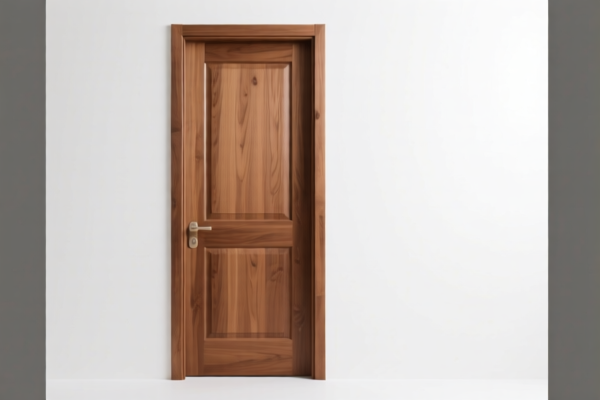
AI Analysis
🐱 Cat Door (Pet Doors / Animal Access Flaps)
🌐 HS Code Reference & Customs Clearance Guide | 2026 Latest Tariff Analysis | Professional Entry Strategy
📌 I. Product Definition & Classification: Do You Truly Understand "Cat Doors"?
A Cat Door is a specialized access flap designed for domestic pets (primarily cats and small dogs) to pass through walls, doors, or fences. In international trade, its classification depends heavily on Material and Intended Use:
- Pet-Specific Accessories: Devices designed exclusively for pet entry (e.g., flexible flaps, locking mechanisms for cats) often fall under Plastic/Miscellaneous categories (Chapter 39).
- Architectural Hardware: If the product is a rigid frame or metal hardware intended for permanent building installation (regardless of whether it's for a cat, human, or dog), it may fall under Metal Fittings (Chapter 83).
- Structural/Other Aluminum Items: If the frame is aluminum and doesn't fit specific "fittings" definitions, it may be categorized under Other Articles of Aluminum (Chapter 76).
⚠️ Critical Distinction:
- If the core function is a "Pet Access Flap" (often plastic/flexible) → Likely 3926.90.99.89 or 3926.30.50.00.
- If it is a "Metal Door Frame/Hardware" for building use (even if used for pets) → Likely 8302.41.90.45 or 8302.41.60.45.
- If it is a "Rigid Aluminum Structure" not fitting other specific metal categories → Likely 7616.99.51.70.
📦 II. HS Code Classification Details (2026 Latest Tariff对照)
Based on the provided data logic, here are the four potential classifications for "Cat Doors" and the rationale for each:
| HS Code | Product Description & Logic | Material Inference | Why This Code? |
|---|---|---|---|
7616.99.51.70 |
Other Articles of Aluminum (Structural/General) | Aluminum / Stainless Steel / Plastic | Functions as a structural aluminum product. Fits the "catch-all" category for aluminum items not specified elsewhere. |
3926.90.99.89 |
Other Articles of Plastic / Miscellaneous | Plastic / Metal | A "catch-all" for plastic/mixed material articles. No material conflict; fits the category of "other articles of plastics." |
8302.41.90.45 |
Metal Fittings for Buildings (Door Accessories) | Metal | Classified as a door accessory (hardware) for buildings. Based on the logic of spare parts/fittings for door applications. |
8302.41.60.45 |
Metal Fittings for Buildings (Specific Door Use) | Metal / Plastic | Specifically for door fittings used in buildings. Compatible with other door accessories; matches usage logic. |
3926.30.50.00 |
Pet-Door Specific Connectors/Accessories | Plastic | Designed for pet出入 (entry/exit) connection. Fits the "other connectors" category with no material conflict. |
🔍 Key Insight:
- Plastic-heavy flaps are often best fit for 3926.90.99.89 or 3926.30.50.00 (Lower tax risk).
- Metal frames intended as building hardware fall under 8302 (Higher tax risk due to specific steel/aluminum surcharges).
- Aluminum structures fall under 7616.
💰 III. 2026 Latest Tariff Rate Breakdown (Detailed & Strategic)
✅ Applicable Market: US (Implied by "122" and "Section 301" context)
✅ Origin: China (CN)
✅ Effective Date: Based on 2025-2026 tariff structures (Section 301 + Section 122)
🎯 1. 3926.90.99.89 & 3926.30.50.00 (Plastic/Pet-Specific)
Best for: Standard plastic cat doors, flaps, and connectors.
| Component | Rate | Details |
|---|---|---|
| Base Tariff | 5.3% | Standard ad valorem rate for plastic articles. |
| Section 301 (Add-on) | +7.5% | Additional tariff on specific Chinese goods (Section 301 List). |
| Section 122 (Add-on) | +10% | Additional tariff under "122 Clause" (often related to specific trade remedy). |
| Total Tariff | 22.8% | Moderate Risk |
| Calculation | CIF × 22.8% |
Direct multiplication on customs value. |
| De Minimis? | ❌ No | Cannot be used for de minimis (Section 321) exemption. |
📌 Logic: These codes represent "Miscellaneous Plastic/Connectors." The tax is driven by the base rate + standard 301/122 surcharges. No specific "Steel/Aluminum" penalty applies here.
🎯 2. 7616.99.51.70 (Aluminum/Structural)
Best for: Rigid aluminum frames or structural aluminum cat door components.
| Component | Rate | Details |
|---|---|---|
| Base Tariff | 2.5% | Low base rate for aluminum articles. |
| Section 301 (Add-on) | +25.0% | High Section 301 surcharge on aluminum products. |
| Section 122 (Add-on) | +10% | Standard Section 122 surcharge. |
| Total Tariff | 37.5% | High Risk |
| Calculation | CIF × 37.5% |
Significant cost increase. |
📌 Logic: Aluminum falls under high Section 301 penalties. The 25% surcharge makes this code significantly more expensive than plastic alternatives.
🎯 3. 8302.41.90.45 (Metal Door Fittings)
Best for: Metal door frames, hinges, or locking mechanisms for doors.
| Component | Rate | Details |
|---|---|---|
| Base Tariff | 3.5% | Base rate for metal fittings. |
| Section 301 (Add-on) | +25.0% | High Section 301 surcharge. |
| Section 122 (Add-on) | +10% | Standard Section 122 surcharge. |
| Total Tariff | 38.5% | High Risk |
| Calculation | CIF × 38.5% |
High cost. |
📌 Logic: Metal fittings for buildings attract the standard 301 surcharge. Note: This is slightly higher than the aluminum code due to the specific base rate.
🎯 4. 8302.41.60.45 (Specific Metal Door Fittings)
⚠️ CRITICAL WARNING: Highest Tax Tier Best for: Specific metal door hardware (Steel/Aluminum/Copper) used in buildings.
| Component | Rate | Details |
|---|---|---|
| Base Tariff | 3.9% | Base rate for specific fittings. |
| Section 301 (Add-on) | +25.0% | Standard Section 301 surcharge. |
| Section 122 (Add-on) | +10% | Standard Section 122 surcharge. |
| Section 122 Specific | +50.0% | Steel, Aluminum, or Copper Products Surcharge |
| Total Tariff | 88.9% | EXTREME RISK! |
| Calculation | CIF × 88.9% |
Almost doubling the product cost. |
📌 Logic: This code triggers the maximum penalty clause for Steel, Aluminum, and Copper products. If your cat door contains metal frames (steel/aluminum) and is classified here, the tax is nearly 89%. This is a "death tax" for importers unless a specific exemption applies.
🛠️ IV. Customs Clearance Operational Advice (Strategy to Save Costs)
✅ 1. Material Declaration Strategy (The Most Critical Step)
| Scenario | Recommended Classification | Why? |
|---|---|---|
| Plastic Cat Door (Main material is plastic) | 3926.90.99.89 or 3926.30.50.00 |
Avoids the 25% Section 301 penalty on metals. Total tax: 22.8%. |
| Aluminum Frame + Plastic Flap | 7616.99.51.70 (Careful) |
Total tax: 37.5%. Better than 88.9%, but still high. |
| Metal Frame (Steel/Aluminum) | ⚠️ Avoid 8302.41.60.45 if possible |
Avoid the 88.9% tax! Try to reclassify as "Plastic accessory" if the metal part is minor, or use 8302.41.90.45 (38.5%) as a compromise. |
| Full Metal Construction | 8302.41.90.45 |
38.5% is better than 88.9%, but still high. |
🔥 Golden Rule:
"If it's mostly plastic, declare as Plastic (3926). If it's metal, declare as 'Fittings' but avoid the 'Specific Metal' sub-code (60.45) to dodge the 50% penalty!"
✅ 2. Documentation Checklist (Must-Have for Success)
| Document | Requirement | Why It Matters |
|---|---|---|
| Product Material Spec Sheet | Must List % Composition | Proves if it's "Primarily Plastic" (to justify 3926) or "Metal". |
| Product Photos | Clear shots of Plastic Flaps vs. Metal Frames | Visual proof helps CBP decide if it's a "Plastic Article" or "Metal Fitting". |
| Commercial Invoice | DO NOT write "Metal Door Hardware" if it's plastic. | Use terms like "Pet Access Flap," "Plastic Door Insert." |
| Structure Diagram | Highlight if the metal part is Structural or Minor Hardware. | If metal is <5% (hinge), you might argue for the Plastic classification. |
| Country of Origin Cert | Essential for 122/301 verification. | Must clearly state "Made in China". |
✅ 3. Avoiding the "88.9% Trap"
The 88.9% tax on 8302.41.60.45 is triggered by the 122 Clause specifically targeting Steel, Aluminum, and Copper.
- Strategy A (Design Change): Reduce the metal content. If the frame is plastic with a tiny metal lock, the whole unit might be classified as 3926.
- Strategy B (HS Code Shift): Use
8302.41.90.45(38.5%) instead of60.45if the specific subheading for60.45doesn't strictly apply to your specific shape. - Strategy C (Pre-Ruling): File an Advance Ruling with US Customs to get a written confirmation on the correct HS Code before shipping.
🌍 V. Market Comparison (US vs. Global)
| Market | Recommended Code | Est. Total Tax | Notes |
|---|---|---|---|
| 🇺🇸 USA (China Origin) | 3926.90.99.89 |
22.8% | Best option for plastic. Avoid Metal codes if possible. |
| 🇨🇳 China | 3926.90.99.89 |
~5-10% | Low export tax, but imports from elsewhere face higher tariffs. |
| 🇪🇺 EU | 3926.90.99 |
~3.2% | Generally lower tariffs, no Section 301. |
📌 Conclusion:
The US market is the most expensive for "Cat Doors" containing metal.
Plastic Cat Doors (3926) are the safest bet (22.8% tax).
Metal Cat Doors (8302/7616) carry a heavy tax burden (37.5% - 88.9%).
📌 VI. Common Mistakes & Pitfalls
❌ Mistake 1: Declaring a Metal Frame Cat Door as 3926 (Plastic).
👉 Result: Customs audit. Penalty + 38% back-taxes.
❌ Mistake 2: Declaring a Plastic Door as 8302.41.60.45.
👉 Result: Paying 88.9% tax on a product that should be 22.8%. Loss of 66% margin!
❌ Mistake 3: Ignoring the "Section 122" surcharge.
👉 Result: Underestimating costs by 10%. Total tax becomes 38.5%, not 28.5%.
✅ Correct Action:
"For Cat Doors, ensure the Invoice Description says 'Plastic Pet Door Flap' if the main material is plastic. For metal frames, check if the specific 8302.41.60.45 applies; if not, push for 8302.41.90.45."
🎯 VII. Final Verdict: The "Save Your Margin" Strategy
🎯 Remember the Formula:
🔹 Plastic = 22.8% (Safe)
🔹 Aluminum Structure = 37.5% (Medium)
🔹 Metal Fitting (Generic) = 38.5% (Medium)
🔹 Metal Fitting (Specific Steel/Cu/Al) = 88.9% (Danger!)
📌 Pro Tip:
If your cat door has a metal frame, try to design it so the plastic component is dominant in weight or function. This allows you to argue for the 3926 classification, saving you ~50% in taxes.
🚀 Action Plan:
1. Check Material: Is it >50% plastic? -> 3926.90.99.89.
2. Check Metal Type: Is it Steel/Copper? -> Avoid 8302.41.60.45.
3. Get a Ruling: Apply for a binding tariff classification before your first shipment.
✨ Professional Customs Clearance = Precision in Classification.
💼 Don't let an HS Code mistake cost you your profit margin.
📣 Contact a trade compliance expert to review your "Cat Door" specs today!
Customer Reviews
About HS Code Classification
The Harmonized System (HS) is an internationally standardized nomenclature developed by the World Customs Organization (WCO) to classify traded products. Over 200 countries use the HS system as the basis for customs tariffs, trade statistics, and import/export regulations.
Each HS code follows a hierarchical structure:
- Chapter (2 digits) — Broad category of goods (e.g., Chapter 84: Machinery and Mechanical Appliances)
- Heading (4 digits) — More specific grouping within the chapter
- Subheading (6 digits) — Internationally standardized breakdown, used by all WCO member countries
- National subdivisions (8-10 digits) — Country-specific extensions for further classification, such as US HTSUS 10-digit codes
Correct HS code classification is essential for smooth customs clearance, accurate duty payment, and compliance with trade regulations. Misclassification can lead to customs delays, overpayment of duties, or penalties.
When importing from CN to US, the applicable tariff rates may include:
- Most-Favored-Nation (MFN) rate — The standard duty rate applied to WTO members
- General rate — Applied to countries without trade agreements
- Trade remedy duties — Additional tariffs such as Section 301 (anti-dumping), Section 232 (national security), or countervailing duties
The information provided on this page is for reference purposes only. For official classification, please consult with your local customs authority or a licensed customs broker.